
Malawi
Malawi has a well-established potato sector, with the crop serving as both a food crop and an important source of cash income for smallholder farmers. Potato production is concentrated mainly in the country’s cooler, higher-altitude areas, particularly in the central and southern regions. Important production districts include Dedza, Ntcheu, Mchinji, Ntchisi, Neno and parts of Lilongwe, while production is also significant in northern districts such as Mzimba, Rumphi and Chitipa. These areas benefit from relatively cool temperatures, suitable elevations and adequate seasonal rainfall, which provide favorable conditions for Solanum tuberosum cultivation.
The central highlands around Dedza and Lilongwe have historically been among Malawi's most important potato-growing areas, while the Blantyre and Shire Highlands have also supported substantial production. Earlier agricultural assessments identified the Dedza Hills as a major production zone, with Blantyre also contributing significant quantities. More recent production has expanded geographically, including into parts of northern Malawi. The country's altitude variation allows potatoes to be grown during periods when temperatures are more favorable for tuber formation, making highland agriculture particularly important to the crop.
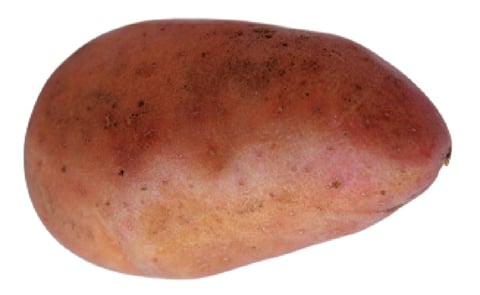
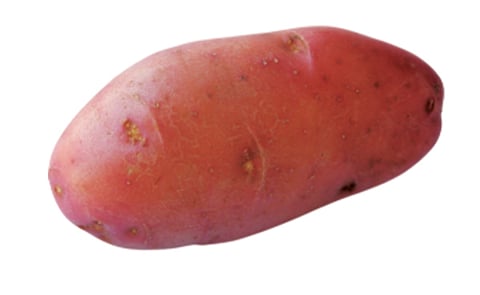
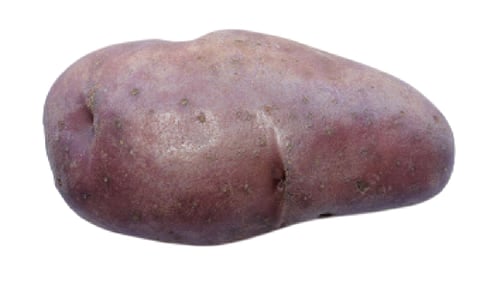
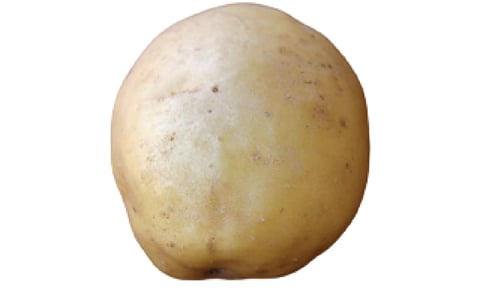
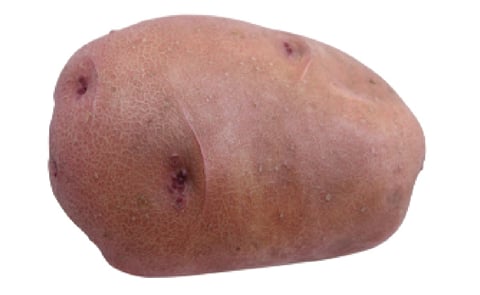
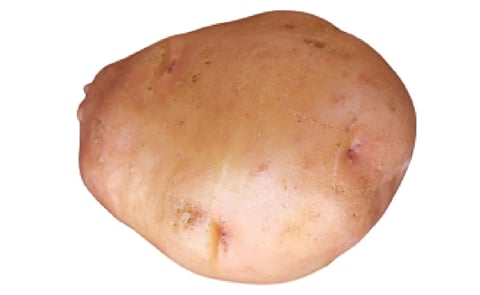
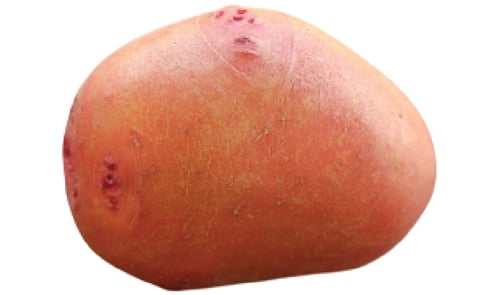
Potato production in Malawi is predominantly carried out by smallholder farmers, many of whom cultivate relatively small areas and depend on potatoes for both household food supplies and market income. The crop has benefited from increasing urban demand and the development of improved varieties and seed systems. However, productivity has historically been constrained by limited access to quality seed, recycling of farm-saved seed, soil fertility problems, pests and diseases, and gaps in crop-management knowledge. Malawi has strengthened potato research and variety development through national agricultural research institutions and collaboration with the International Potato Center (CIP), with released varieties now including Rosita, Violet, Chuma, Thandizo, Zikomo, Mwai, Njuli, Lady, Rosetta, Mpatsa, Ufulu and others.
Potatoes were introduced into East and Central Africa during the 19th century, largely through missionaries, European travelers and colonial networks. The crop reached Malawi during this broader period of agricultural exchange, but it did not immediately become a major food crop. Historical sources indicate that potatoes became increasingly important in Malawi during the 1950s and 1960s, when cultivation expanded in the country's cooler highland environments. By the 1960s, potato production had become sufficiently established to form part of Malawi's developing commercial and food-crop agriculture.
Potato production expanded considerably during the second half of the 20th century and particularly from the 1990s onward. Historical production data show a substantial increase in cultivated area and output, with growing demand from Malawi's expanding population and urban markets contributing to the expansion. Lilongwe and Blantyre were once particularly dominant production areas, but cultivation subsequently spread to additional districts. Government research and extension programs, together with international organizations such as CIP, have supported variety evaluation, seed production, disease management and improved production practices. Today, potato remains an important highland crop in Malawi, linking smallholder farming with domestic food markets and commercial opportunities.