

Egypte
That has changed. Since 1961, Egypt's irrigated potato production - concentrated in the Nile River delta in the north - has expanded at a rate of more than 5 percent a year. Between 1990 and 2007, annual output rose from 1.6 million tonnes to some 2.6 million tonnes, making Egypt Africa's No. 1 potato producer.
Egypt also ranks among the world's top potato exporters - in 2004, exports totaled more than 380 000 tonnes of fresh potatoes and 18 000 tonnes of frozen potato products, destined mainly for markets in Europe.

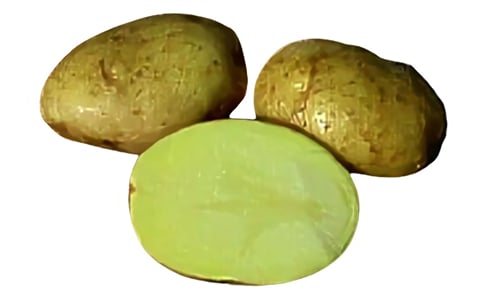


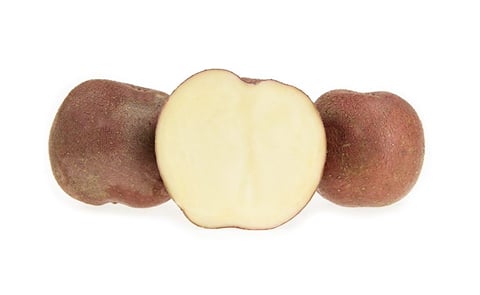

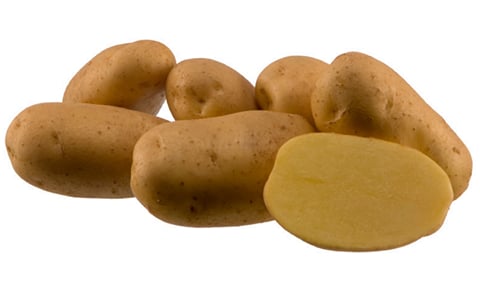
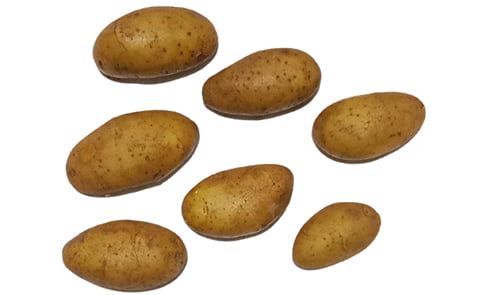

Frequently Asked Questions
Potatoes are grown mainly in the Nile Delta, the Nile Valley and newly reclaimed agricultural lands. Beheira Governorate, particularly areas around Nubaria and Wadi El Natrun, is a major production centre. Other important growing areas include Menoufia and Minya.
Potatoes were introduced into Egypt during the 19th century, but large-scale cultivation developed during World War I, when production was encouraged to support food supplies for British and Allied troops. Cultivation expanded further during the 20th century as irrigation, farming practices and access to planting material improved.
Egypt produces approximately 6.7 million tonnes of potatoes annually, according to industry information published in 2026. Potato production supports domestic consumption, food processing and exports, making the crop an important part of Egypt's agricultural economy.
Yes. Egypt is among the world's leading potato exporters. In 2025, the country produced approximately 6.7 million tonnes of potatoes, with export value reported at around USD 537 million. Official Egyptian figures also recorded approximately 1.3 million tonnes of potato exports in 2025. These figures come from different reporting sources and should not be treated as directly interchangeable.
Make This Page Even Better!
This content was last updated on augustus 17, 2026
Have a helpful detail to contribute? Catch something that should be corrected?