Sponsored Content
Sponsored Content
Sponsored Content
Sponsored Content
You May Also Like

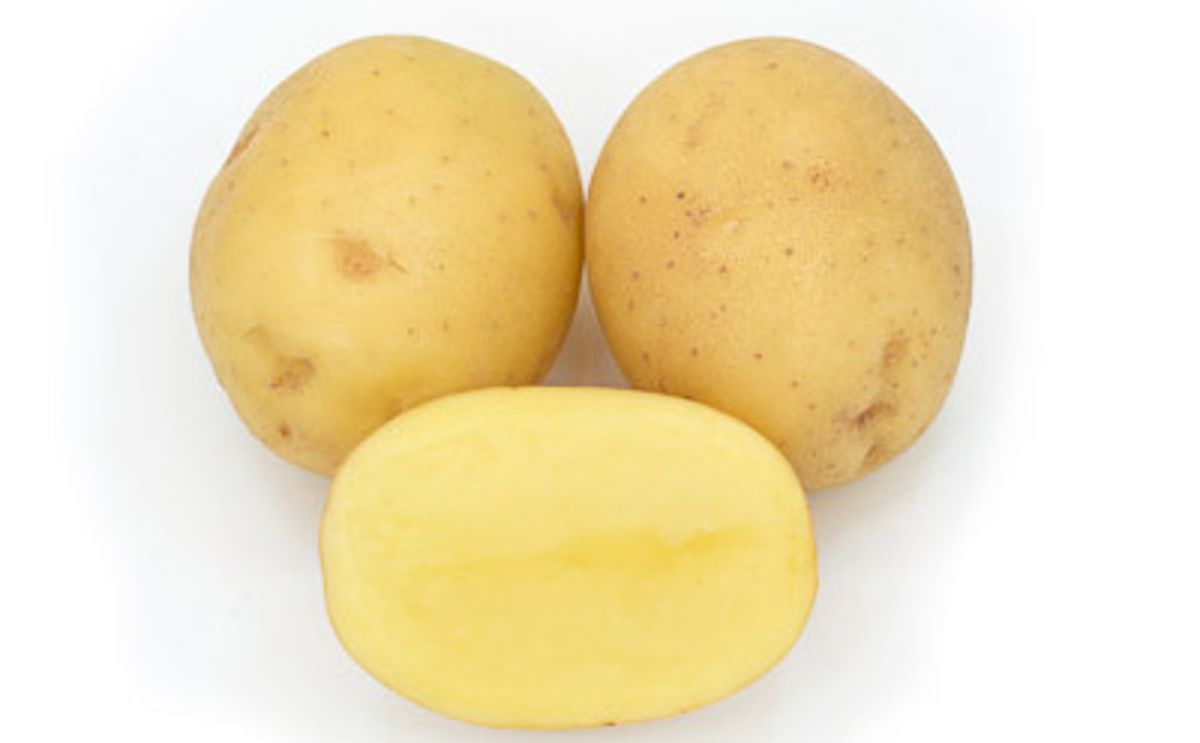
BINTJE
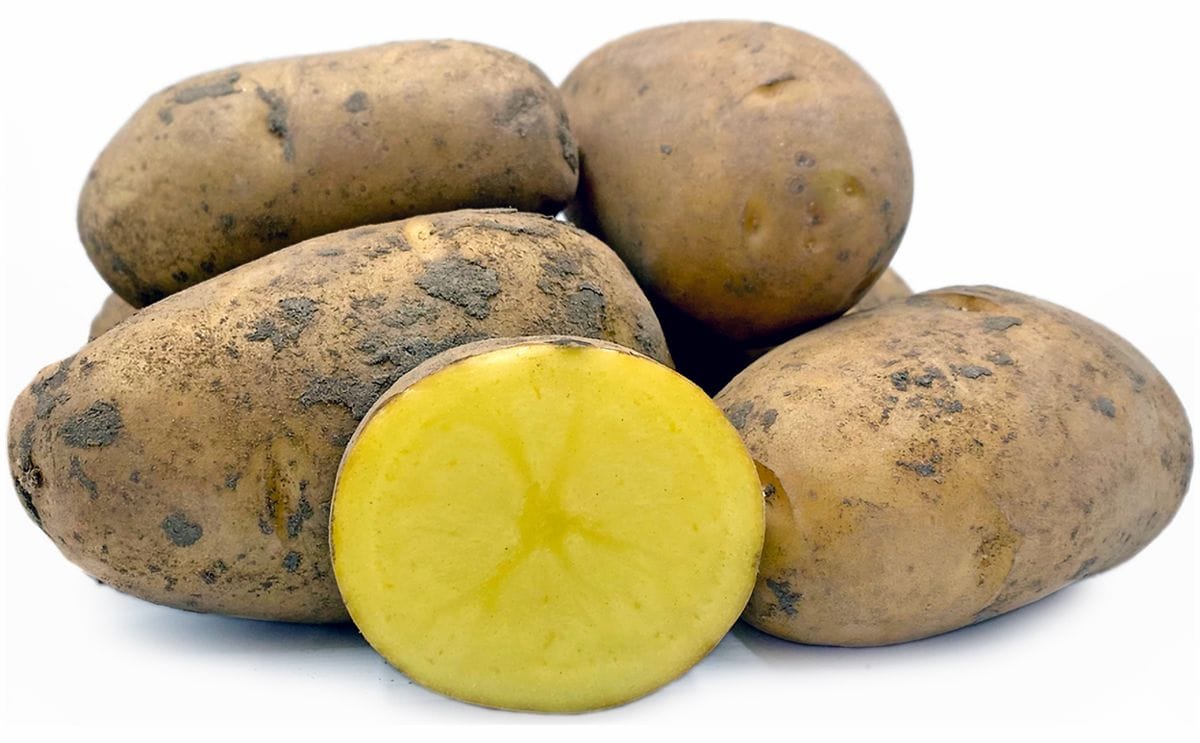
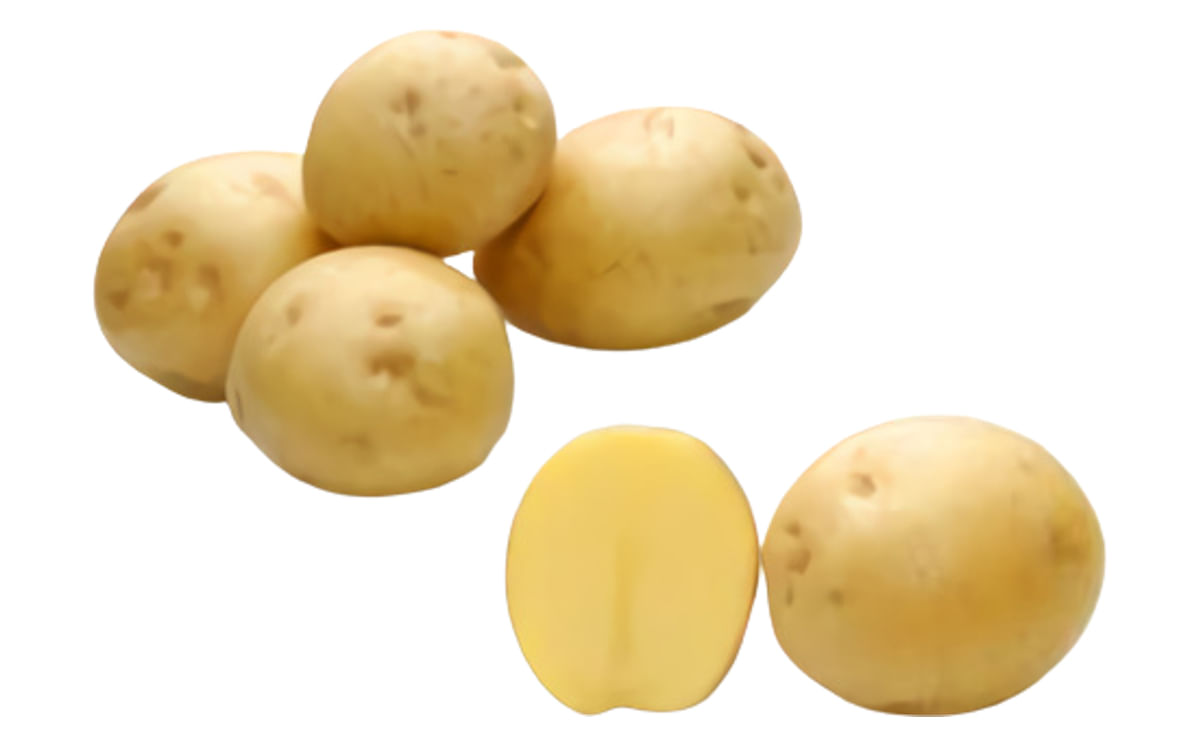
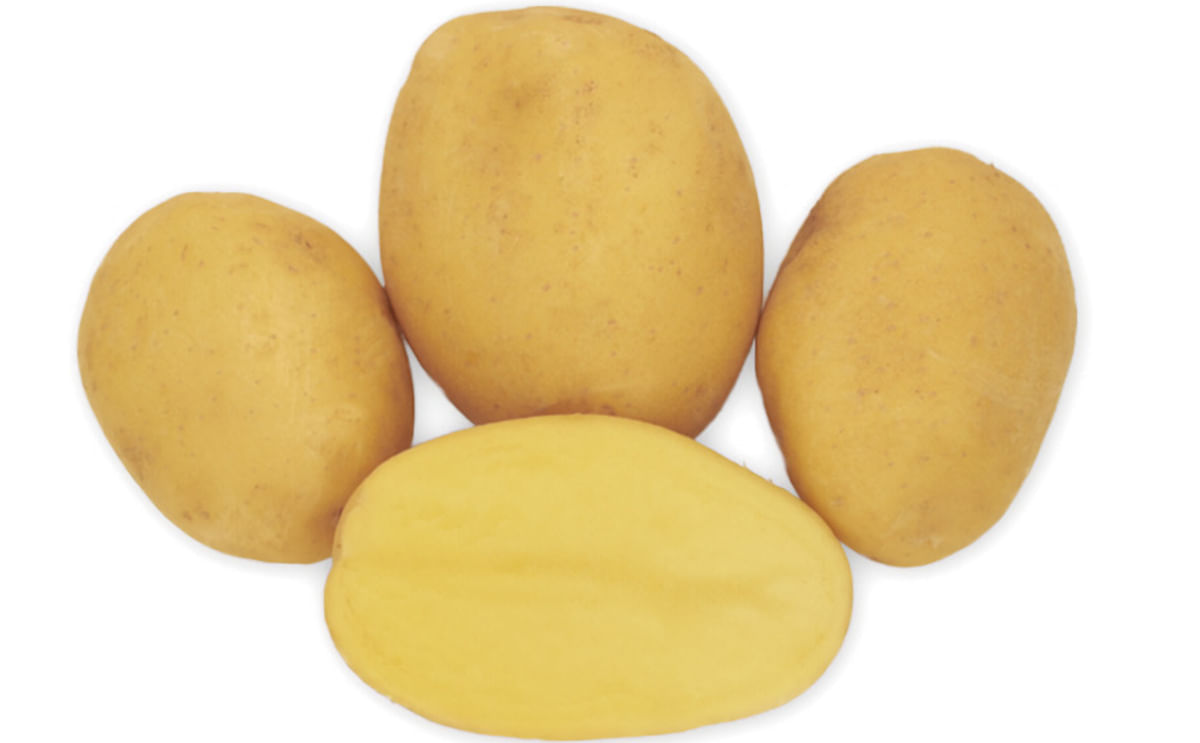
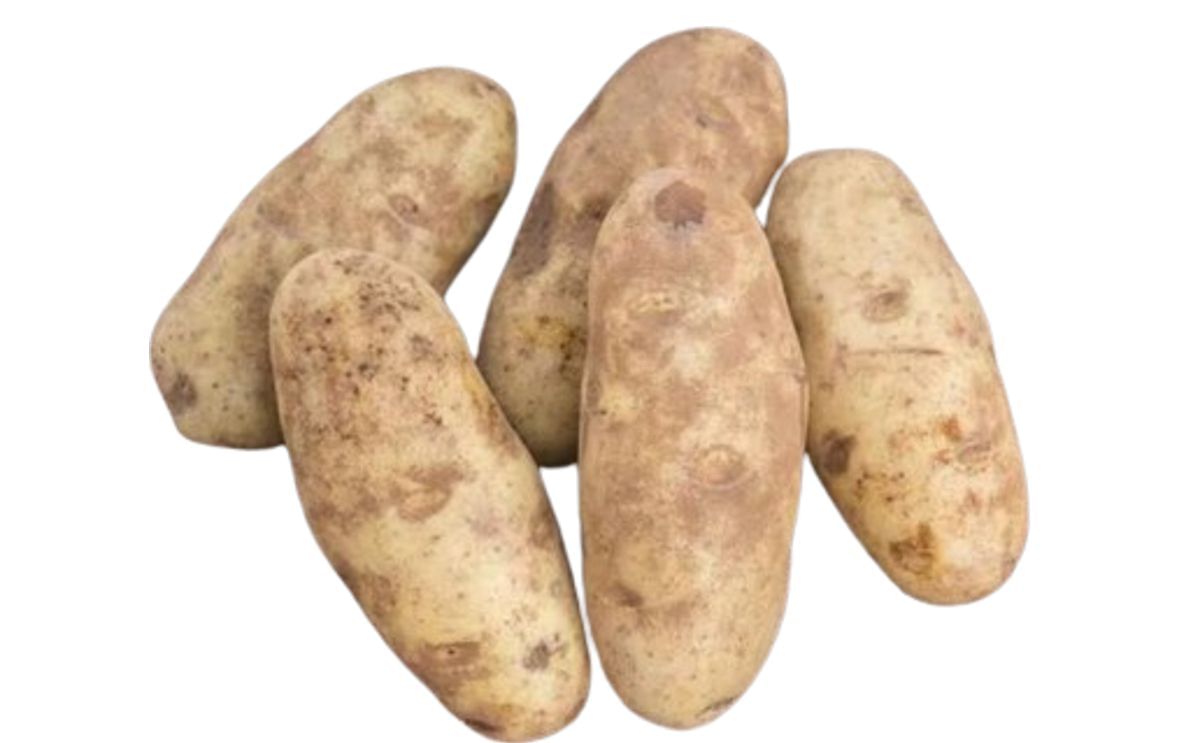
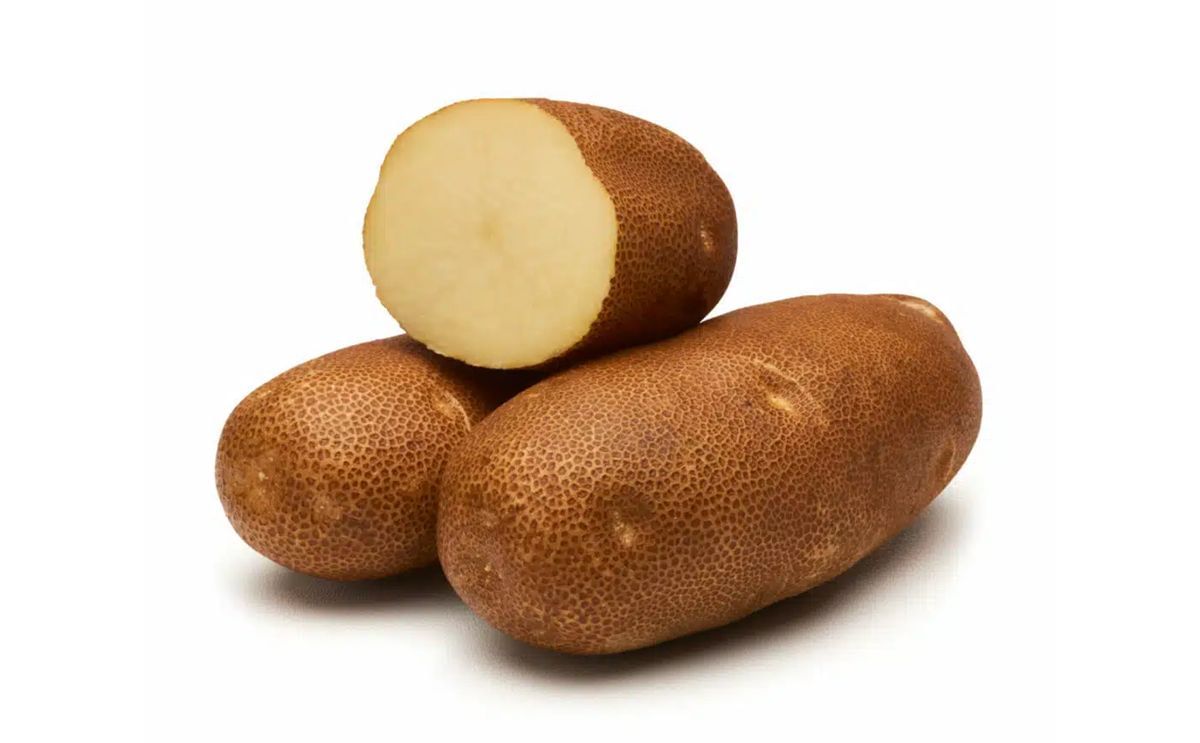
Bintje is a potato variety originating from the Netherlands. The tubers are small to medium in size and round in shape, with golden skin and yellow flesh underneath. The skin also has a silk-like finish, while the flavor is often described as light, unique, and nutty. It's recommended to serve Bintjes roasted or as french fries.
BINTJE
Bintje is a potato variety originating from the Netherlands. The tubers are small to medium in size and round in shape, with golden skin and yellow flesh underneath. The skin also has a silk-like finish, while the flavor is often described as light, unique, and nutty. It's recommended to serve Bintjes roasted or as french fries.
BINTJE
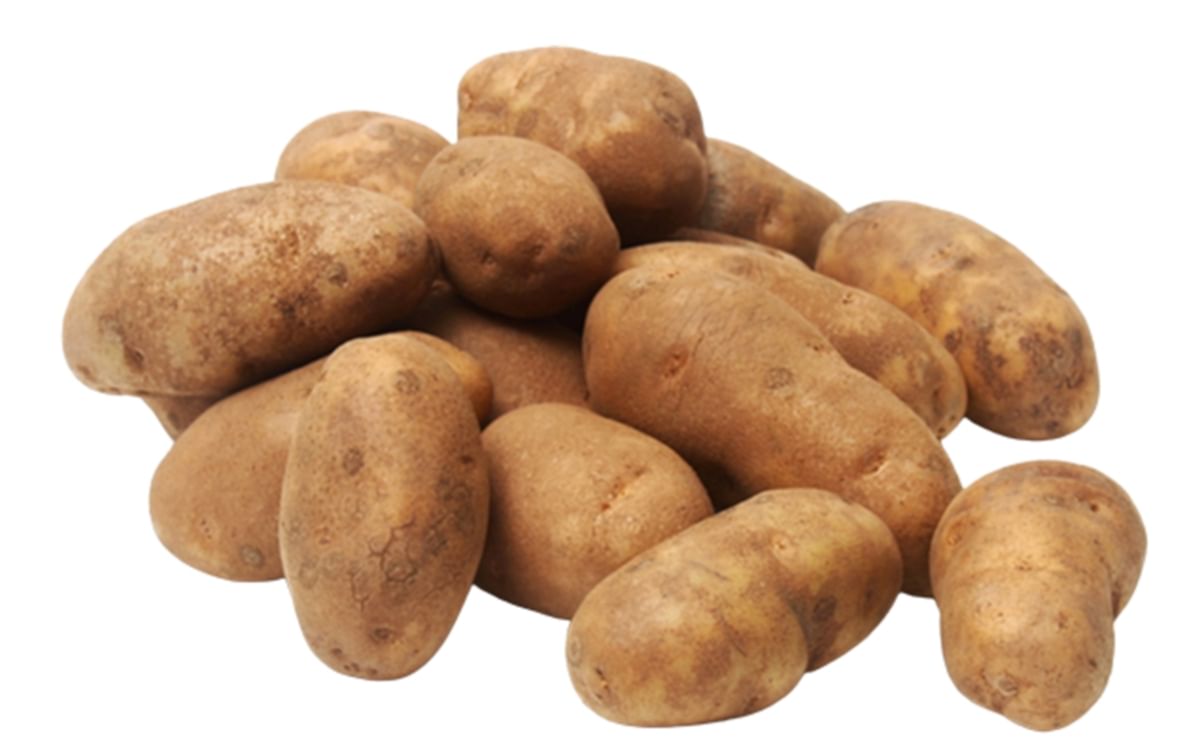
Bintje is a potato variety originating from the Netherlands. The tubers are small to medium in size and round in shape, with golden skin and yellow flesh underneath. The skin also has a silk-like finish, while the flavor is often described as light, unique, and nutty. It's recommended to serve Bintjes roasted or as french fries.

BINTJE
Bintje is a potato variety originating from the Netherlands. The tubers are small to medium in size and round in shape, with golden skin and yellow flesh underneath. The skin also has a silk-like finish, while the flavor is often described as light, unique, and nutty. It's recommended to serve Bintjes roasted or as french fries.

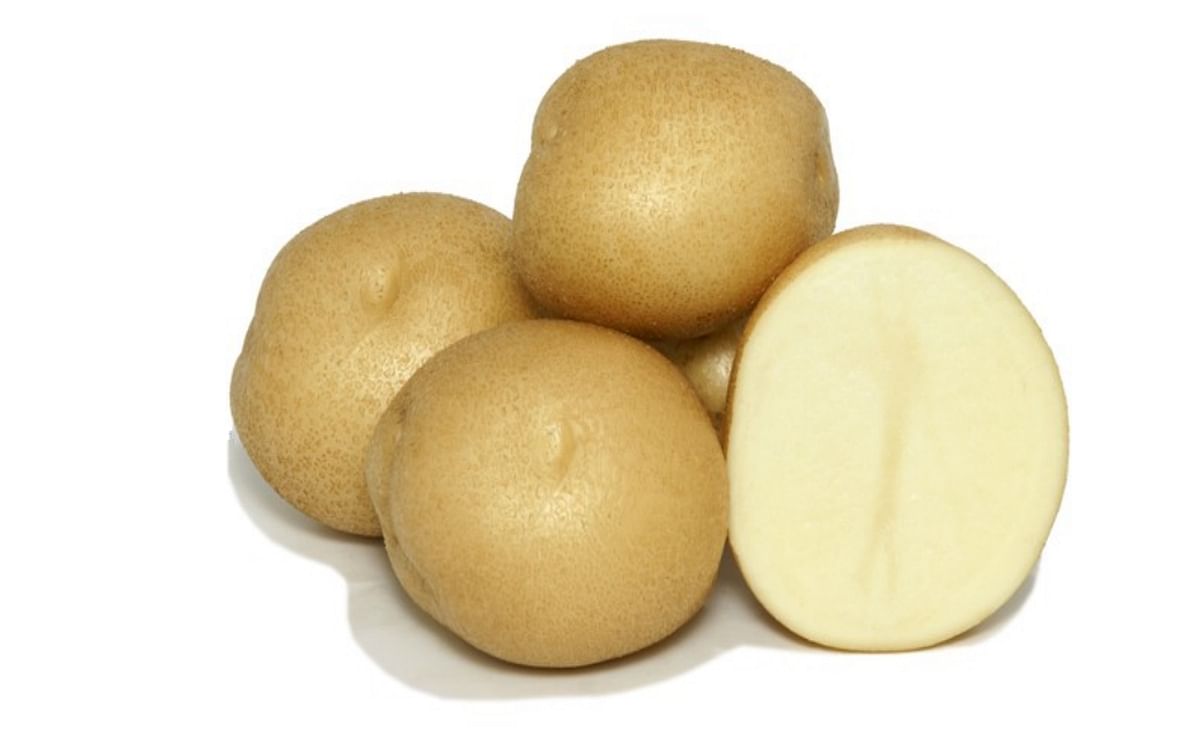
CENTENNIAL RUSSET
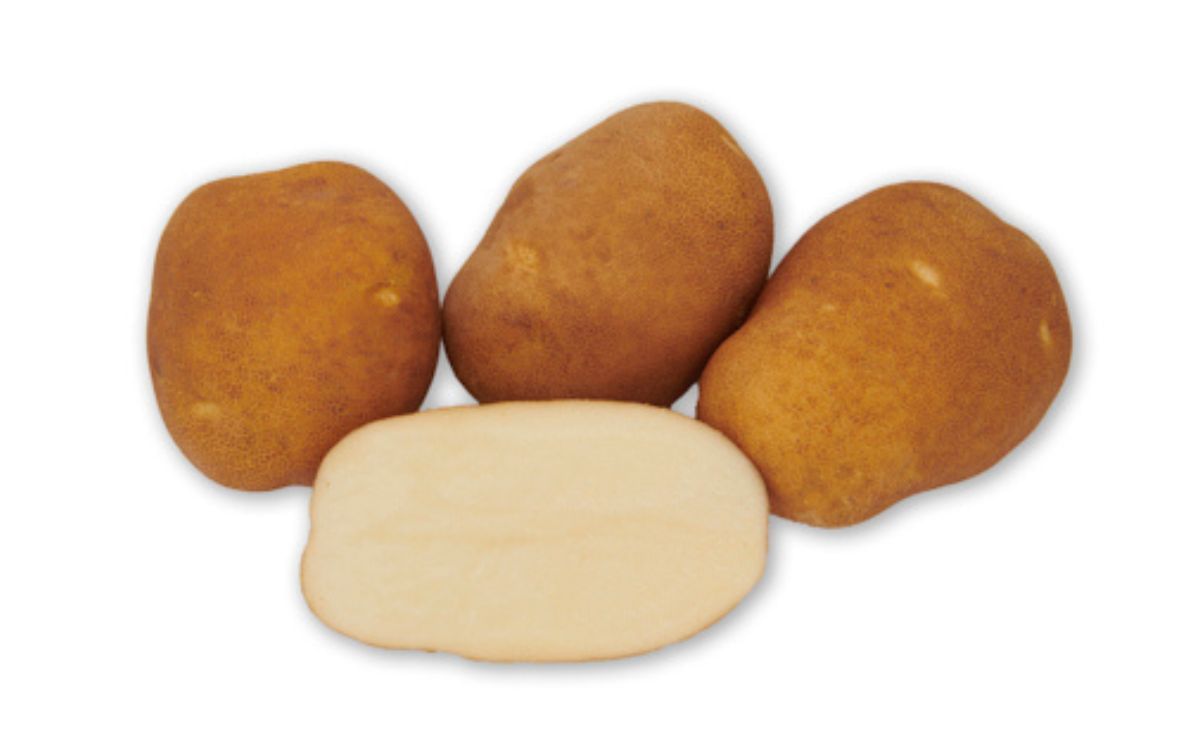
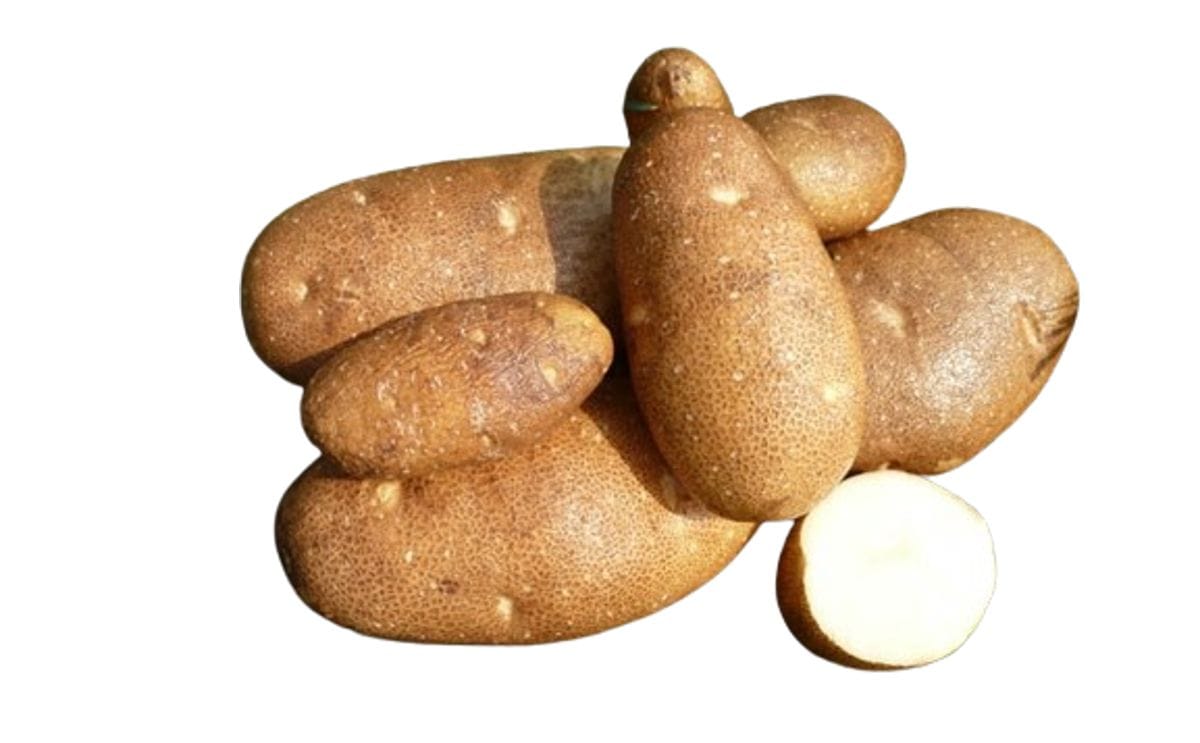
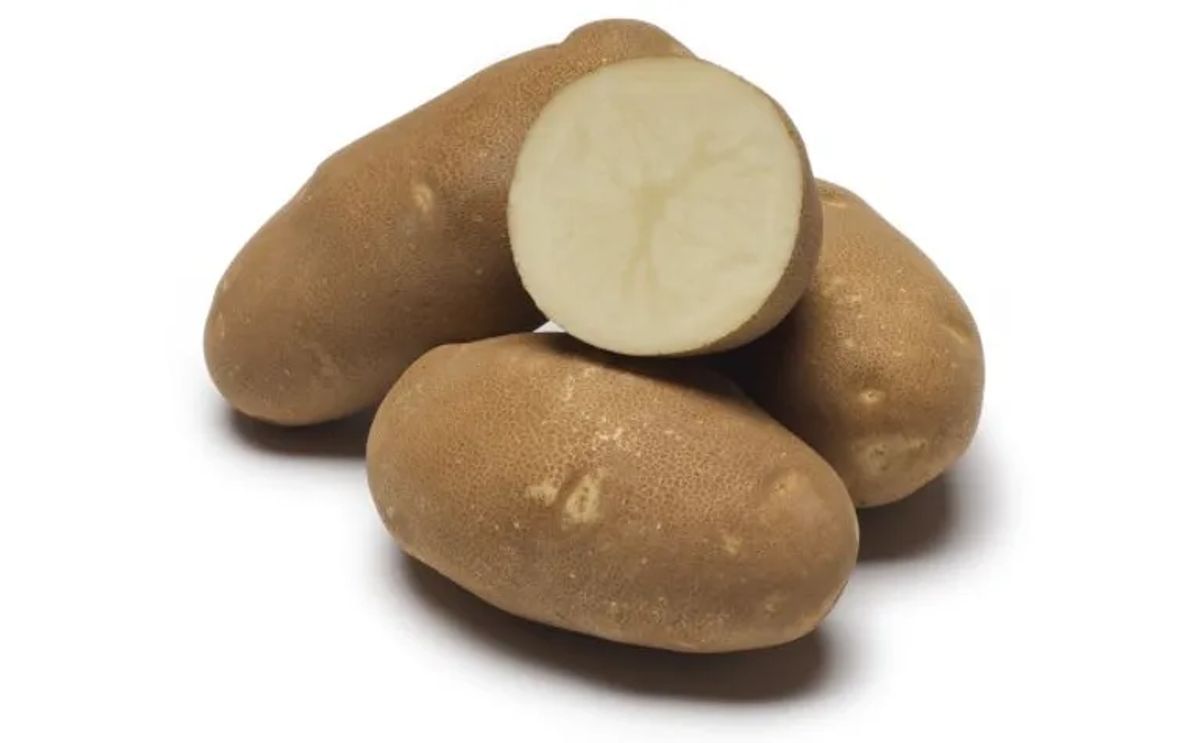
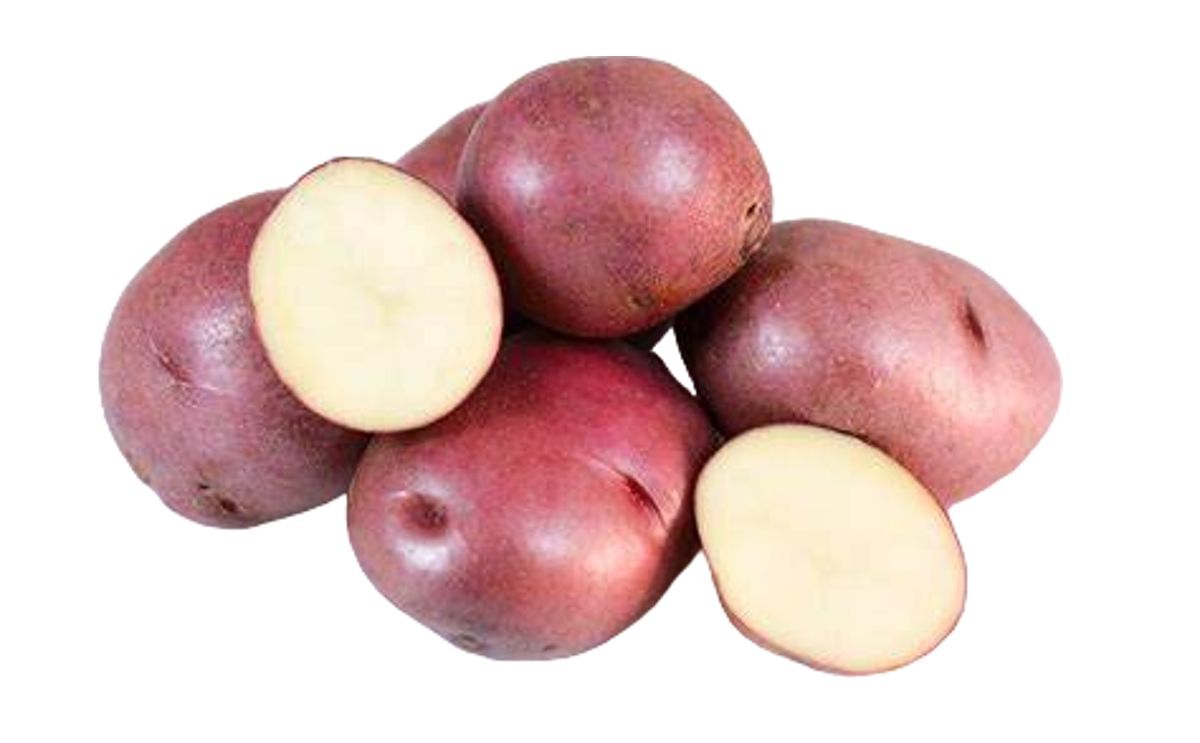
Centennial Russet is a late maturing, high quality fresh market potato variety adapted to certain irrigated areas of the West. Tubers are oblong, smooth, blocky and slightly flattened with a thick, dark netted skin. Eyes are shallow and sparse on the stem end. Tuber flesh is white. Baking and boiling quality is excellent.
CENTENNIAL RUSSET
Centennial Russet is a late maturing, high quality fresh market potato variety adapted to certain irrigated areas of the West. Tubers are oblong, smooth, blocky and slightly flattened with a thick, dark netted skin. Eyes are shallow and sparse on the stem end. Tuber flesh is white. Baking and boiling quality is excellent.

CENTENNIAL RUSSET
Centennial Russet is a late maturing, high quality fresh market potato variety adapted to certain irrigated areas of the West. Tubers are oblong, smooth, blocky and slightly flattened with a thick, dark netted skin. Eyes are shallow and sparse on the stem end. Tuber flesh is white. Baking and boiling quality is excellent.

CENTENNIAL RUSSET
Centennial Russet is a late maturing, high quality fresh market potato variety adapted to certain irrigated areas of the West. Tubers are oblong, smooth, blocky and slightly flattened with a thick, dark netted skin. Eyes are shallow and sparse on the stem end. Tuber flesh is white. Baking and boiling quality is excellent.

CLEARWATER RUSSET
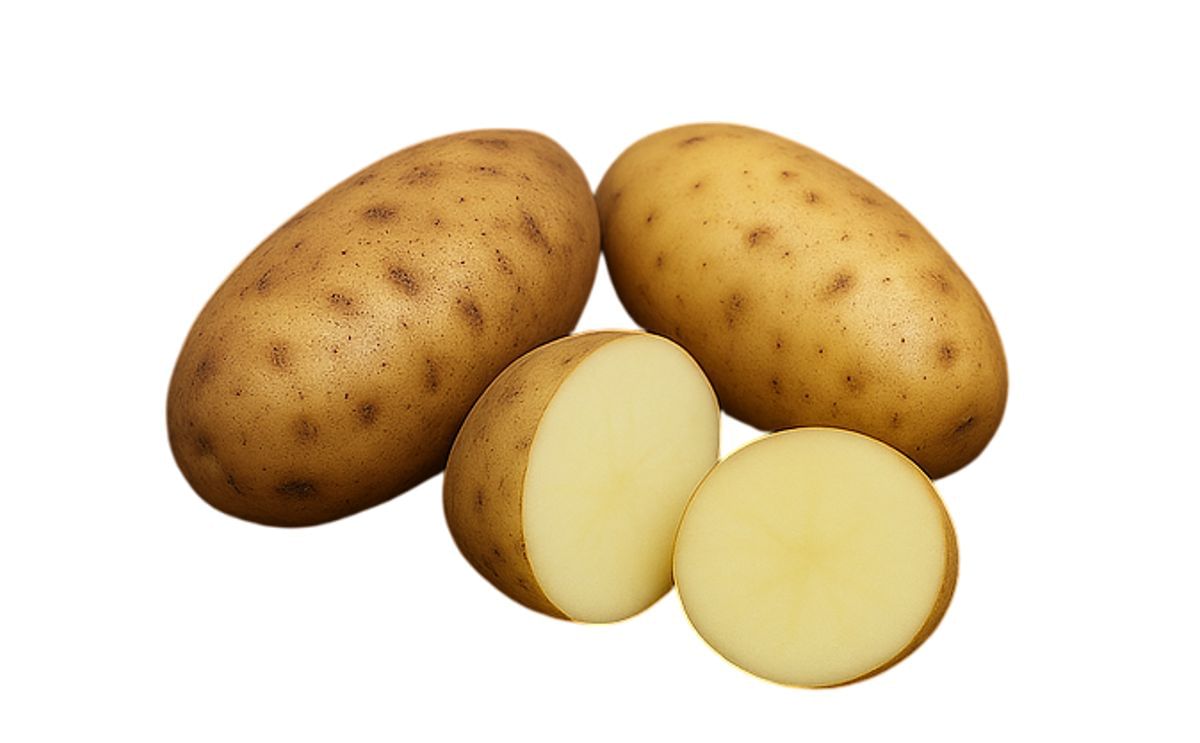
Clearwater Russet potato is a high-yielding, medium to late-season variety with dark, netted russet skin and white to cream-colored flesh. It boasts good resistance to common scab, nematodes, and some strains of late blight. Known for its firm texture and mild flavor, Clearwater Russet is ideal for baking, frying, and processing into products like french fries.
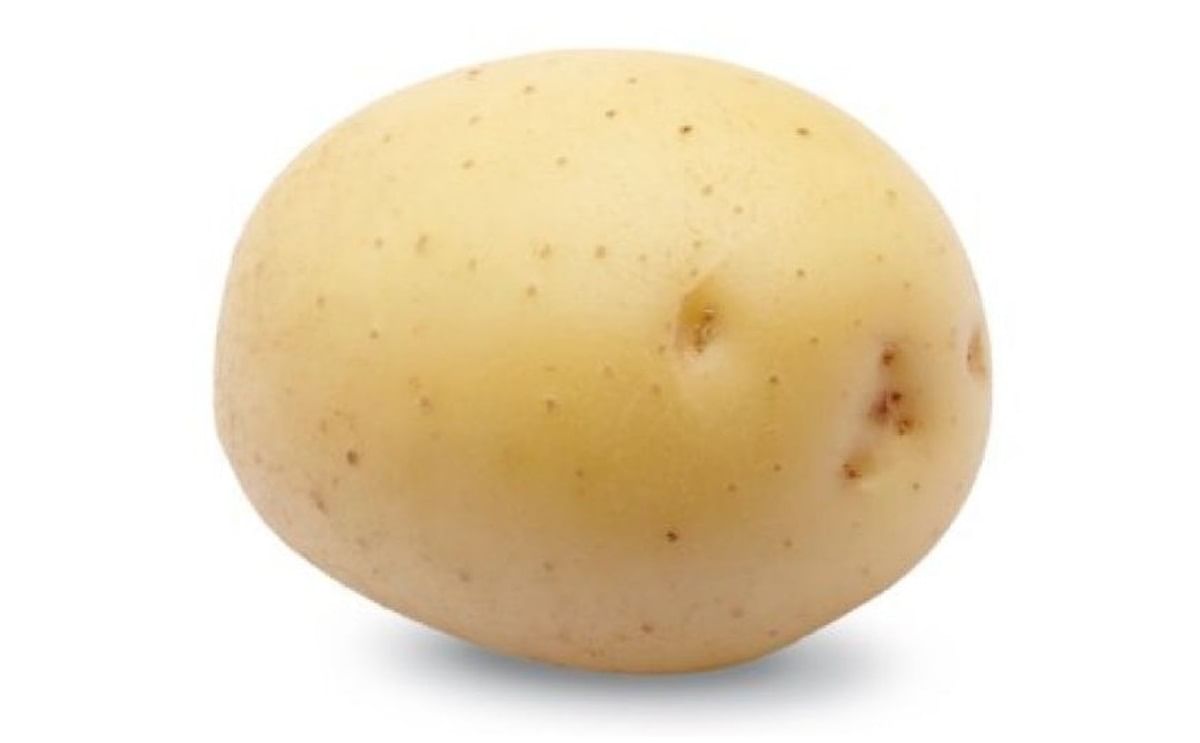
CLEARWATER RUSSET
Clearwater Russet potato is a high-yielding, medium to late-season variety with dark, netted russet skin and white to cream-colored flesh. It boasts good resistance to common scab, nematodes, and some strains of late blight. Known for its firm texture and mild flavor, Clearwater Russet is ideal for baking, frying, and processing into products like french fries.

CLEARWATER RUSSET
Clearwater Russet potato is a high-yielding, medium to late-season variety with dark, netted russet skin and white to cream-colored flesh. It boasts good resistance to common scab, nematodes, and some strains of late blight. Known for its firm texture and mild flavor, Clearwater Russet is ideal for baking, frying, and processing into products like french fries.

CLEARWATER RUSSET
Clearwater Russet potato is a high-yielding, medium to late-season variety with dark, netted russet skin and white to cream-colored flesh. It boasts good resistance to common scab, nematodes, and some strains of late blight. Known for its firm texture and mild flavor, Clearwater Russet is ideal for baking, frying, and processing into products like french fries.

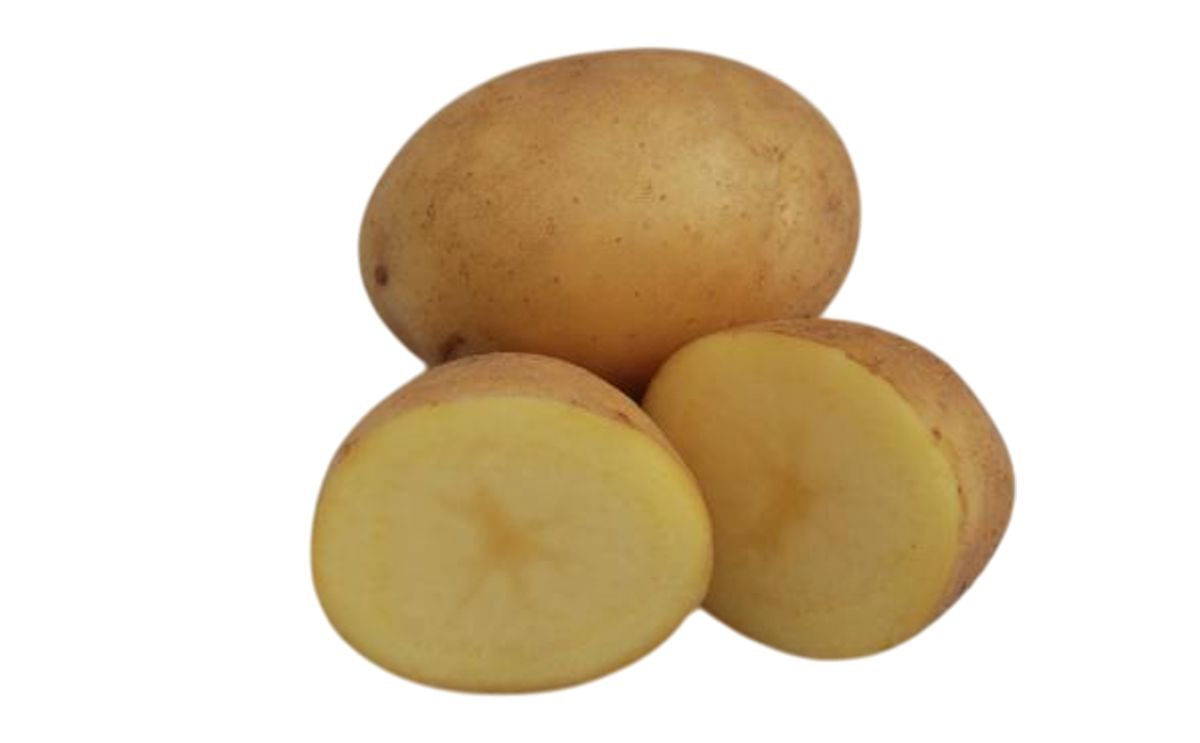
COLOMBA
Colomba is high-yielding, easy to grow, to store, and can be the star in several kinds of tasteful dishes. The variety is also known to be grown as a low-calory variety to meet consumer needs. Colomba is an early maturing variety and can be harvested early due to early tuber bulking and early skin set. Colomba performs well in various climates.

COLOMBA
Colomba is high-yielding, easy to grow, to store, and can be the star in several kinds of tasteful dishes. The variety is also known to be grown as a low-calory variety to meet consumer needs. Colomba is an early maturing variety and can be harvested early due to early tuber bulking and early skin set. Colomba performs well in various climates.

COLOMBA
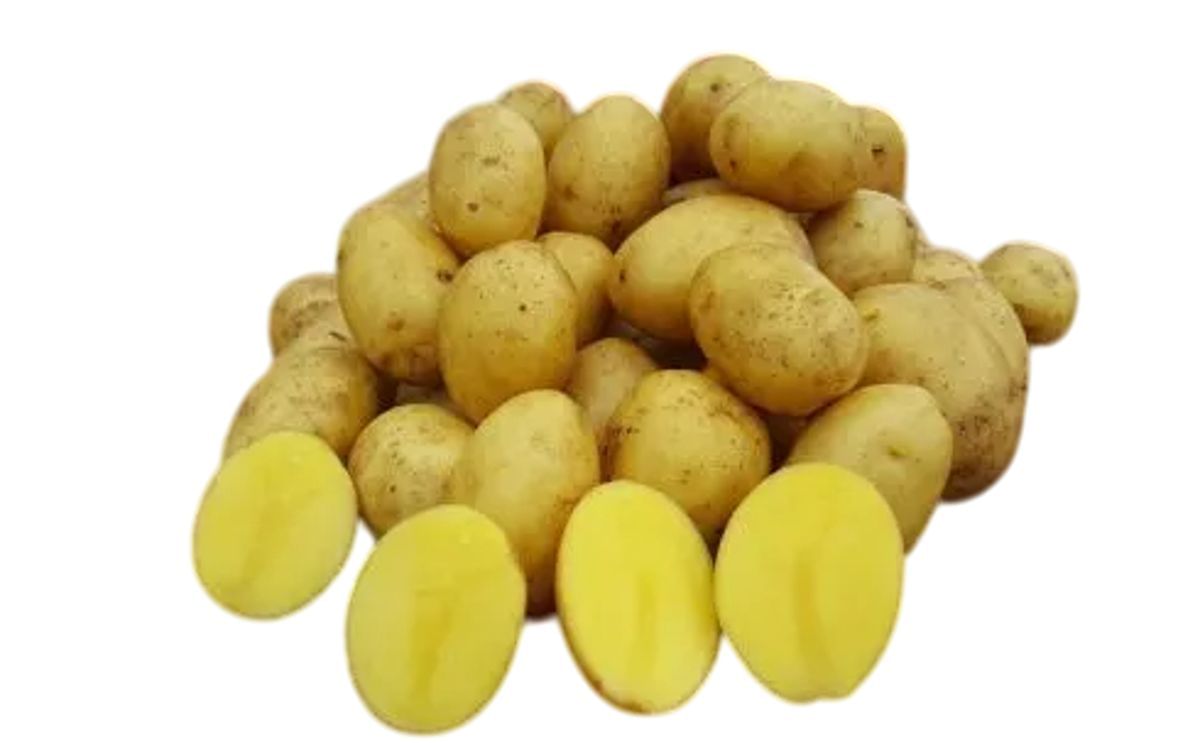
Colomba is high-yielding, easy to grow, to store, and can be the star in several kinds of tasteful dishes. The variety is also known to be grown as a low-calory variety to meet consumer needs. Colomba is an early maturing variety and can be harvested early due to early tuber bulking and early skin set. Colomba performs well in various climates.

COLOMBA
Colomba is high-yielding, easy to grow, to store, and can be the star in several kinds of tasteful dishes. The variety is also known to be grown as a low-calory variety to meet consumer needs. Colomba is an early maturing variety and can be harvested early due to early tuber bulking and early skin set. Colomba performs well in various climates.

COLORADO ROSE
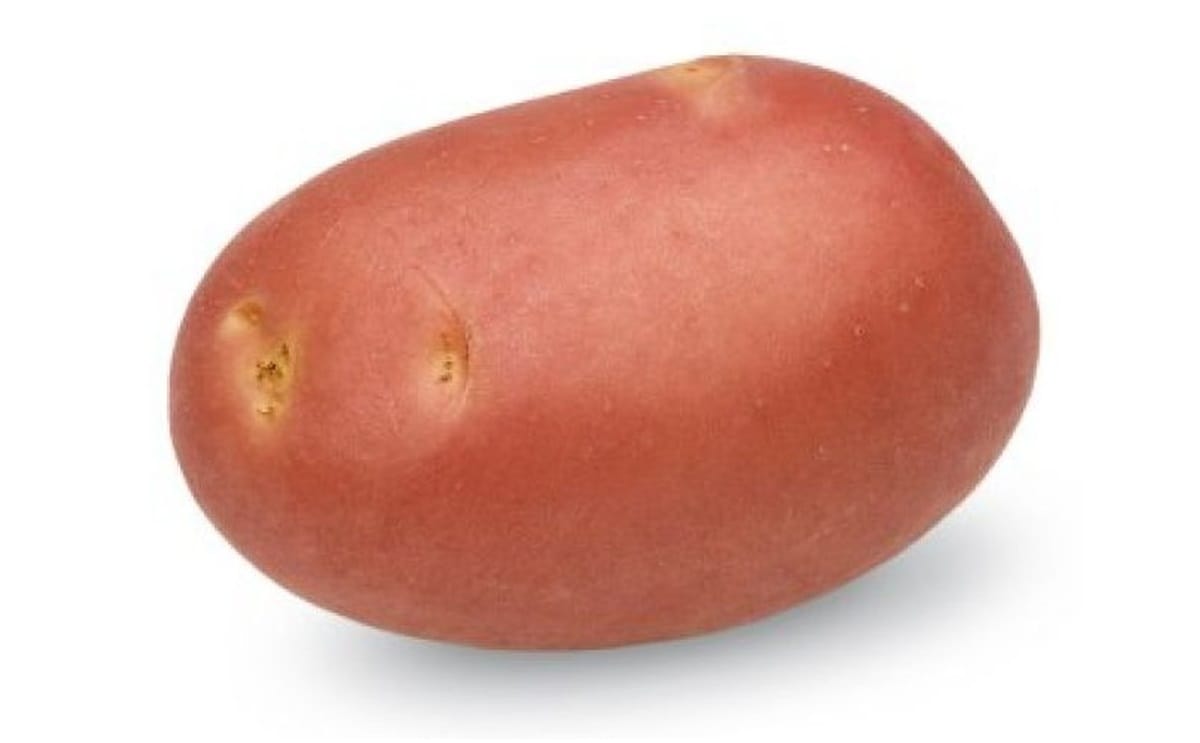
The Colorado Rose potato variety, released in 1996 by Colorado State University, is a mid-season potato known for its deep red skin and white to light yellow flesh. These oval to oblong tubers has a smooth, firm, and slightly waxy texture, making them ideal for boiling, roasting, baking, mashing, and steaming.
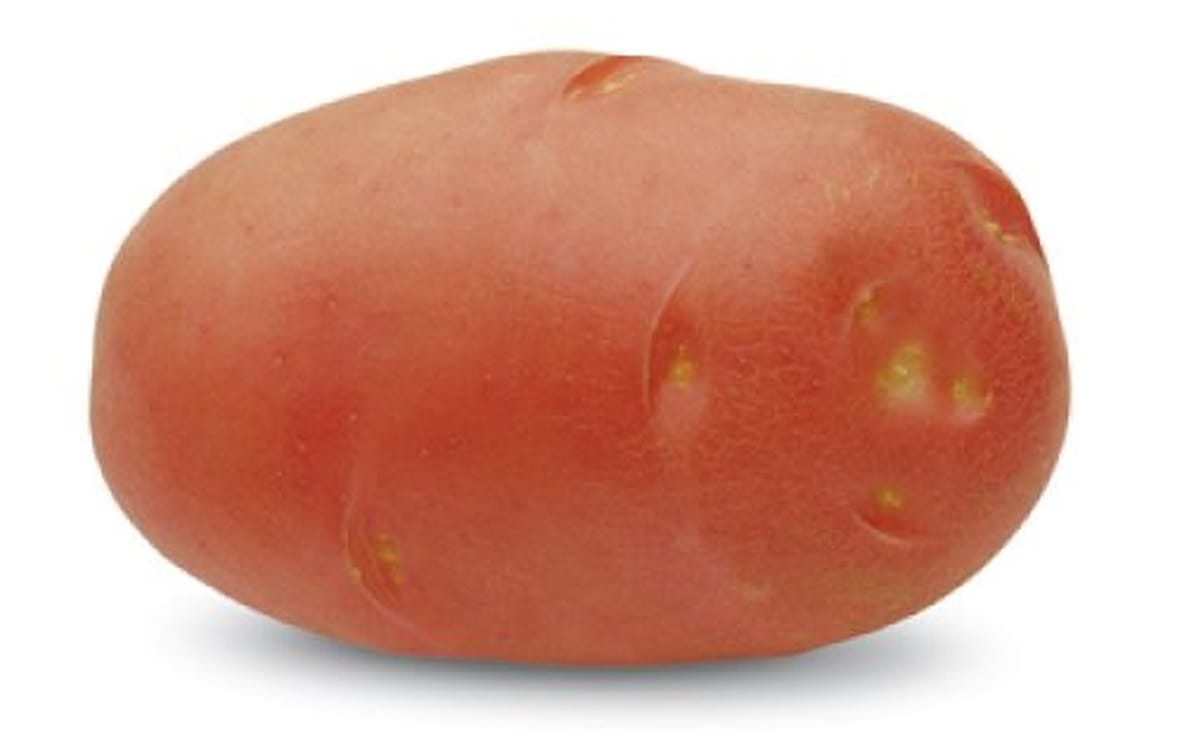
COLORADO ROSE
The Colorado Rose potato variety, released in 1996 by Colorado State University, is a mid-season potato known for its deep red skin and white to light yellow flesh. These oval to oblong tubers has a smooth, firm, and slightly waxy texture, making them ideal for boiling, roasting, baking, mashing, and steaming.

COLORADO ROSE
The Colorado Rose potato variety, released in 1996 by Colorado State University, is a mid-season potato known for its deep red skin and white to light yellow flesh. These oval to oblong tubers has a smooth, firm, and slightly waxy texture, making them ideal for boiling, roasting, baking, mashing, and steaming.

COLORADO ROSE
The Colorado Rose potato variety, released in 1996 by Colorado State University, is a mid-season potato known for its deep red skin and white to light yellow flesh. These oval to oblong tubers has a smooth, firm, and slightly waxy texture, making them ideal for boiling, roasting, baking, mashing, and steaming.

DESIREE
Maincrop maturity, with high yields and early bulking. Medium dry matter, firm cooked texture, good boiling, fresh French fry, and mashing quality. High resistance to drought and good resistance to potato virus Yo and powdery scab. Susceptible to potato cyst nematode Globodera rostochiensis Ro1 and Globodera pallida Pa2/3,1, and mis-shapes on heavy soils. Moderately susceptible to spraying and mild mosaic viruses.

DESIREE
Maincrop maturity, with high yields and early bulking. Medium dry matter, firm cooked texture, good boiling, fresh French fry, and mashing quality. High resistance to drought and good resistance to potato virus Yo and powdery scab. Susceptible to potato cyst nematode Globodera rostochiensis Ro1 and Globodera pallida Pa2/3,1, and mis-shapes on heavy soils. Moderately susceptible to spraying and mild mosaic viruses.

DESIREE
Maincrop maturity, with high yields and early bulking. Medium dry matter, firm cooked texture, good boiling, fresh French fry, and mashing quality. High resistance to drought and good resistance to potato virus Yo and powdery scab. Susceptible to potato cyst nematode Globodera rostochiensis Ro1 and Globodera pallida Pa2/3,1, and mis-shapes on heavy soils. Moderately susceptible to spraying and mild mosaic viruses.

DESIREE
Maincrop maturity, with high yields and early bulking. Medium dry matter, firm cooked texture, good boiling, fresh French fry, and mashing quality. High resistance to drought and good resistance to potato virus Yo and powdery scab. Susceptible to potato cyst nematode Globodera rostochiensis Ro1 and Globodera pallida Pa2/3,1, and mis-shapes on heavy soils. Moderately susceptible to spraying and mild mosaic viruses.
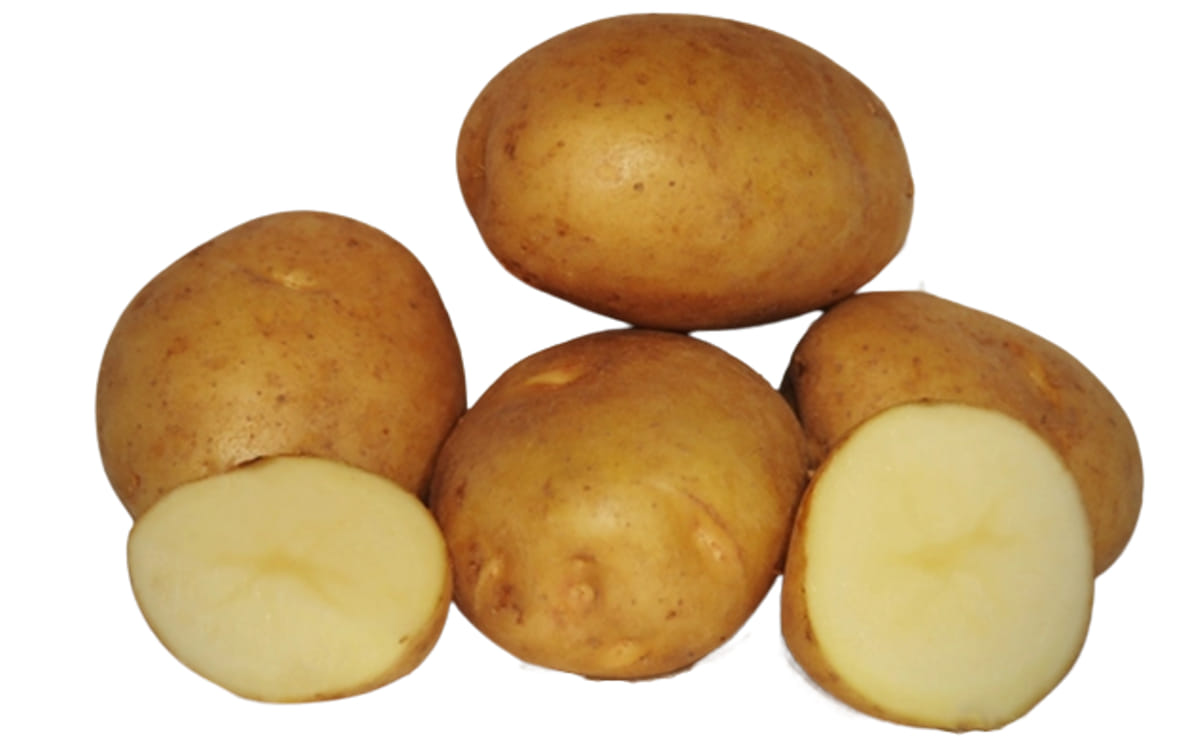
MODOC
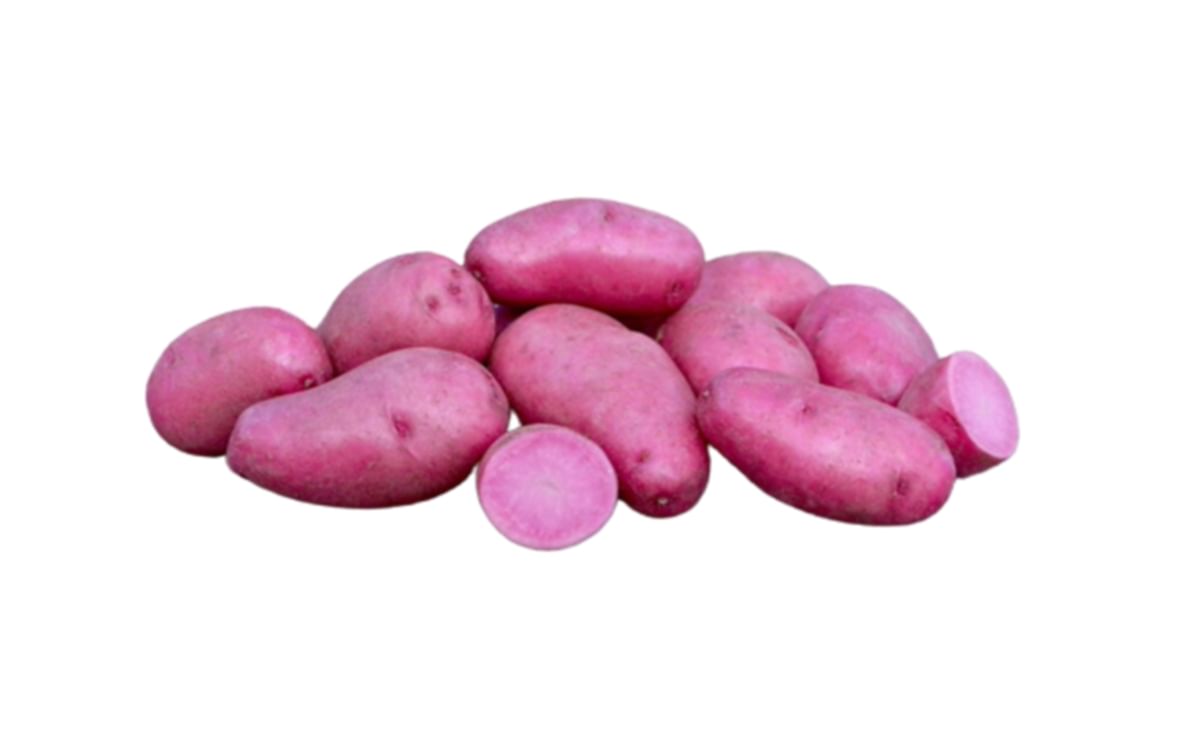
Modoc is an early maturing, red-skinned, white-fleshed potato cultivar for fresh market use. It was derived from a 1989 cross of ND1196-2R and ND2225-1R and was jointly released by the Agricultural Experiment Stations of Oregon, North Dakota, California, Idaho, and Washington in 2003. Modoc has red skin and white-colored flesh and is very high yielding.
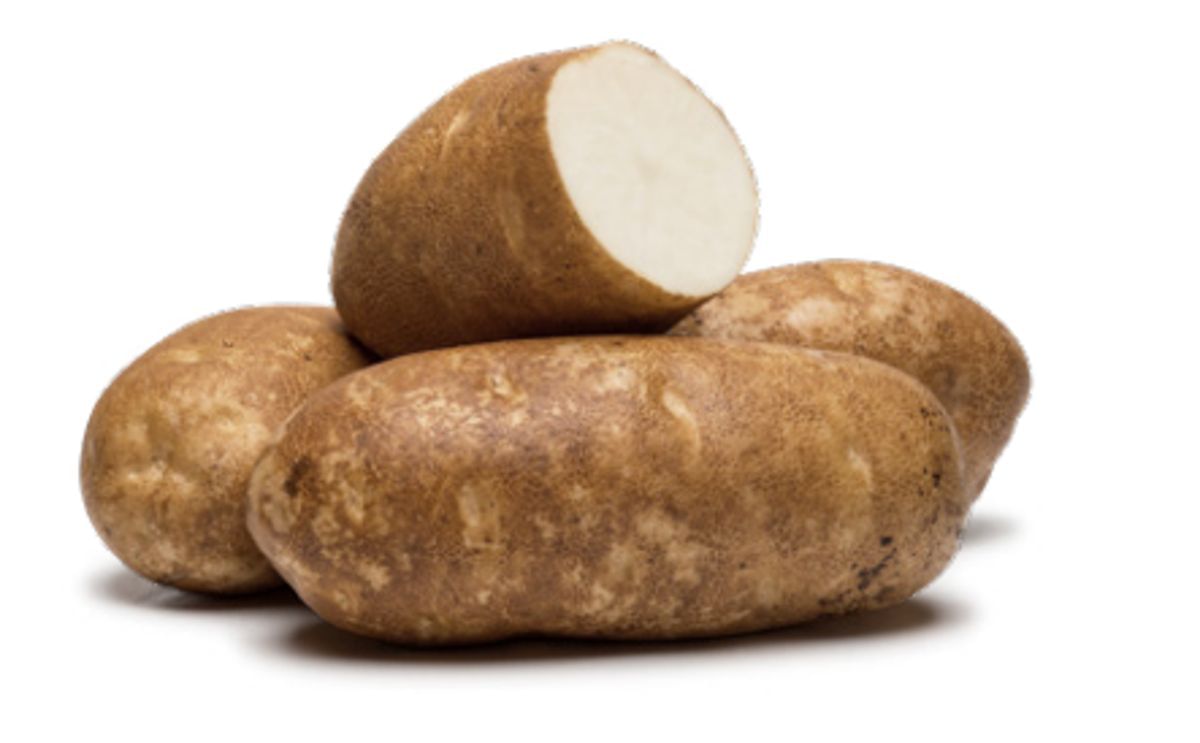
MODOC
Modoc is an early maturing, red-skinned, white-fleshed potato cultivar for fresh market use. It was derived from a 1989 cross of ND1196-2R and ND2225-1R and was jointly released by the Agricultural Experiment Stations of Oregon, North Dakota, California, Idaho, and Washington in 2003. Modoc has red skin and white-colored flesh and is very high yielding.

MODOC
Modoc is an early maturing, red-skinned, white-fleshed potato cultivar for fresh market use. It was derived from a 1989 cross of ND1196-2R and ND2225-1R and was jointly released by the Agricultural Experiment Stations of Oregon, North Dakota, California, Idaho, and Washington in 2003. Modoc has red skin and white-colored flesh and is very high yielding.

MODOC
Modoc is an early maturing, red-skinned, white-fleshed potato cultivar for fresh market use. It was derived from a 1989 cross of ND1196-2R and ND2225-1R and was jointly released by the Agricultural Experiment Stations of Oregon, North Dakota, California, Idaho, and Washington in 2003. Modoc has red skin and white-colored flesh and is very high yielding.