

Introduction
Frozen potato gratins and mash have transformed from humble comfort foods into indispensable staples of modern cuisine, combining rich, homemade flavors with the convenience required by today’s fast paced lifestyles. Originating in 18th century Europe, mashed potatoes became a beloved dietary cornerstone, while gratins, rooted in French au gratin traditions, evolved into indulgent, cheesy layered dishes with global appeal.
The commercialization of frozen versions gained momentum in the 1950s, with Stouffer’s pioneering ready to heat meals that brought restaurant quality dishes to home kitchens, revolutionizing meal preparation. Today, these products offer unparalleled ease, minimize food waste and provide versatility with gratins delivering creamy, layered indulgence and mash serving as a customizable base for countless recipes.
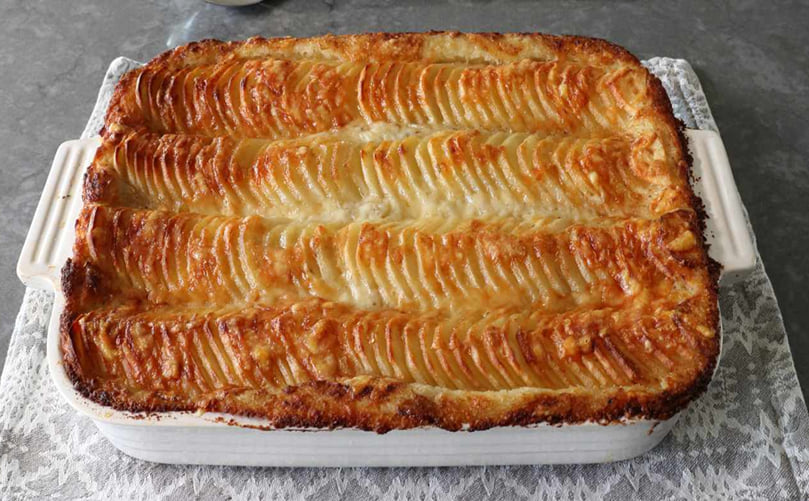
Gratins & Mash: Classic Flavors, Modern Convenience (Credit: Chef John)
This guide provides an in depth exploration of the history, production processes, packaging innovations, market dynamics, technological advancements, sustainability efforts, nutritional profiles and leading brands for frozen potato gratins and mash, drawing from industry reports, peer-reviewed research and reputable news sources to serve as a comprehensive resource for enthusiasts and industry professionals.
Production Process
The production of frozen potato gratins and mash is a meticulous, multi step process designed to preserve the creamy texture, rich flavor and nutritional integrity of fresh potatoes while ensuring scalability for industrial demands and convenience for consumers.
Selection and Preparation: Manufacturers select high-starch potato varieties, such as russet or Yukon Gold, for their creamy, mashable texture and ability to maintain structural integrity in layered gratins, ensuring a premium final product. Potatoes are harvested at peak ripeness, thoroughly washed to remove soil and debris using high-pressure water systems and peeled with steam or abrasive techniques to minimize flesh loss and preserve quality.
For mash potatoes are cut into uniform chunks to ensure even cooking, then boiled or steamed at 99-100°C for 10-20 minutes to achieve a soft, lump-free consistency suitable for whipping. Gratin potatoes are thinly sliced (2-4 mm) using precision cutting equipment and briefly pre-cooked to retain firmness during layering, ensuring a cohesive texture in the final dish.
Mashing and Assembly: Mashed potatoes are processed by passing cooked potatoes through industrial ricers or whipping them in high-shear mixers with ingredients like butter, whole milk, cream or plant-based alternatives to achieve a velvety, lump-free texture that mimics homemade quality. Seasonings such as salt, pepper, garlic or gourmet additions like truffle oil or roasted herbs are blended to enhance flavor profiles, catering to diverse consumer preferences.
Gratins are carefully assembled by layering thinly sliced potatoes with rich, cheese based sauces, such as bechamel infused with Emmental, cheddar or Gruyere, in oven-safe trays to ensure even cooking and an appealing presentation. Stabilizers like hydrocolloids (e.g., xanthan gum or guar gum) are often incorporated to maintain texture during freezing and reheating, preventing separation or graininess in both mash and gratins.
Cooking and Freezing: Mashed potatoes are partially cooked to set flavors and consistency, then flash frozen at -29°C or lower using Individual Quick Freezing (IQF) systems to prevent clumping and allow flexible portioning for consumers and foodservice providers. Gratins are partially baked at 177-218°C to meld flavors and set the layered structure before flash-freezing, ensuring the cheese and sauce remain cohesive upon reheating.
Multistage blanching deactivates enzymes that could degrade texture or flavor, reducing drip loss during thawing and maintaining a fresh-like quality across the products shelf life. Advanced freezing technologies, such as spiral freezers or cryogenic systems using liquid nitrogen, ensure rapid, uniform cooling to preserve cellular structure and enhance long-term storage stability.
Quality Control: Stringent sanitation protocols, aligned with HACCP (Hazard Analysis and Critical Control Points) standards are enforced to prevent microbial contamination, particularly in gratins with dairy-based fillings that are more susceptible to bacterial growth. Quality assurance includes rigorous testing for viscosity, flavor consistency, nutrient retention and absence of pathogens to ensure safety for retail and foodservice markets.
AI-driven vision systems and automated weight sensors detect defects like uneven layering in gratins or lumps in mash, guaranteeing uniformity across large-scale production batches. Sensory evaluations complement these technologies, ensuring products meet consumer expectations for taste, texture and overall quality.
Packaging for Convenience and Shelf Life
Packaging for frozen gratins and mash is designed to protect product quality, facilitate easy reheating and cater to both retail and foodservice needs, with a focus on convenience, scalability and sustainability.
Individual Quick Freezing (IQF): Mashed potatoes are IQF-frozen to prevent portions from sticking together, allowing consumers to retrieve only the desired amount without thawing the entire package, which is particularly valuable for households seeking portion control. This method ensures that each serving retains its shape and texture, reducing food waste and simplifying inventory management for QSRs and institutional kitchens.
IQF technology is critical for mash as it prevents the formation of a solid block, making it suitable for both small-scale home use and large scale foodservice applications. The process also enhances product longevity, maintaining quality for up to 18 months at -18°C.
Retail and Foodservice Formats: Retail packaging typically includes family-sized trays (14-76 oz) for gratins, such as Stouffer’s au gratin, with clear instructions for oven reheating at 218°C for 20-30 minutes or microwave preparation in 5-7 minutes, catering to busy households. Foodservice formats offer bulk cases (20-50 lb) tailored for QSRs, cafeterias, and catering services, designed for high-volume operations with minimal preparation time to ensure efficiency.
Brands like OH! Tatoes by Mart Produce provide pre-portioned gratin wheels, marketed as no-waste solutions for quick meal prep or single servings, appealing to eco-conscious consumers and professionals with tight schedules. These formats balance convenience with scalability, meeting the diverse demands of retail consumers and commercial operations.
Sustainable Packaging Trends: In response to growing environmental awareness, brands are adopting recyclable paperboard trays and bio-renewable polyethylene bags made from recycled cooking oil, reducing reliance on traditional plastics and aligning with circular economy principles. These eco-friendly options appeal to sustainability focused consumers while maintaining durability for freezing and reheating processes.
Plastic trays, though still prevalent in foodservice for their robustness, face increasing scrutiny, prompting innovations like resealable pouches for mash and portion-specific gratin trays to enhance convenience and reduce waste. Such advancements reflect the industry’s commitment to balancing environmental responsibility with practical packaging needs.
Market Positioning in a Convenience-Driven World
Frozen gratins and mash are strategically positioned as indulgent yet accessible comfort foods, capitalizing on the global demand for quick, nostalgic meals that resonate with diverse consumer segments in a fast-paced market.
Target Audience: Families, busy professionals, and quick-service restaurants (QSRs) are drawn to the minimal preparation time of 20-30 minutes, making these products ideal for home dinners, meal kits (e.g., Hello Fresh, Blue Apron) and delivery services (e.g., Uber Eats, Door Dash). They are staples in institutional settings like school cafeterias, hospitals, and corporate dining halls, where speed, consistency and scalability are critical for serving large groups efficiently.
Gratins serve as elegant side dishes or mains for special occasions, while mash is versatile for breakfast (e.g., paired with eggs), lunch (e.g., alongside sandwiches) or dinner (e.g., with roasts), appealing to students, parents and retirees alike. Their universal appeal lies in their ability to evoke comfort while seamlessly fitting into busy schedules and diverse culinary contexts .
Market Growth: The global frozen potato market, encompassing gratins and mash, was valued at USD67.46 billion in 2023 and is projected to reach USD98.02 billion by 2031, growing at a 4.8% compound annual growth rate (CAGR), driven by rising demand for convenient, shelf-stable foods. The mashed potato segment alone is expected to reach USD5.654 billion by 2030 at a 6.66% CAGR, fueled by QSR expansion and the proliferation of e-commerce platforms like Amazon, Walmart and Instacart, which enhance product accessibility worldwide.
North America and Europe lead consumption due to established QSR and retail networks but Asia-Pacific markets are growing rapidly as urbanization and Westernized diets increase demand for frozen specialties. Developing countries are boosting production and exports, reshaping global trade dynamics and supporting market expansion.
Health and Wellness Appeal: Brands are targeting health-conscious consumers with low-sodium, fiber-enriched or plant-based options, positioning gratins and mash as wholesome alternatives to less nutritious fast-food options like fried snacks or processed sides. Marketing campaigns emphasize their potassium, fiber and vitamin content, appealing to those seeking balanced diets without sacrificing flavor.
Gluten-free and vegan variants, such as mash made with oat milk or gratins with cashew-based cheese, cater to dietary restrictions, broadening market reach and inclusivity. These products are promoted as nutrient-dense bases for healthy meals, countering misconceptions about processed foods and aligning with wellness trends.
Versatility and Customization: Plain mashed potatoes serve as a versatile canvas for toppings like gravy, herbs, chili, or even global-inspired additions like curry or miso, appealing to creative home cooks. Gratins allow customization with add ins such as bacon, mushrooms, spinach or truffle oil, enabling consumers to tailor dishes to their preferences.
These products are marketed as flexible bases for both home kitchens and professional chefs, suitable for simple sides or elaborate casseroles like shepherd’s pie or gratin-based mains. Their adaptability fuels popularity in retail and foodservice, encouraging culinary experimentation and cross cultural recipe development.
Challenges and Opportunities: Fluctuating raw potato prices, driven by climate variability, labor costs and supply chain disruptions, pose challenges to profitability, particularly for premium gratin products with costly cheese or sauce components. Competition from fresh mashed potatoes or homemade gratins, often perceived as more authentic or flavorful, remains a hurdle in some consumer segments.
However, global supply chains, such as McCain’s operations spanning over 160 countries, and the growth of e-commerce platforms mitigate these risks by ensuring availability and affordability. Digital marketing, influencer partnerships and targeted advertising campaigns emphasize convenience, quality and versatility, positioning gratins and mash as modern kitchen essentials.
Innovations in Frozen Potato Gratins and Mash Production
The frozen potato industry continues to evolve, with cutting-edge innovations in the production of gratins and mash focusing on enhancing texture, flavor, shelf life and sustainability while meeting consumer demands for convenience and quality. These advancements leverage advanced technologies, novel freezing methods and creative product development to ensure that frozen gratins and mash deliver restaurant quality results with minimal preparation effort.
From precision processing to eco-conscious techniques, manufacturers are redefining how these comfort foods are produced, packaged and enjoyed. Below are the key innovations specific to frozen potato gratins and mash, supported by industry leading practices and research.
Technological Advances: Advanced steam cooking systems are employed to preserve the "homemade" flavor and creamy texture of mashed potatoes, ensuring a fresh like quality even after freezing and reheating, which is critical for consumer satisfaction. High-pressure processing (HPP) is increasingly used for gratins, applying pressures of 400-600 MPa to maintain the structural integrity of thinly sliced potatoes, preventing sogginess and ensuring a firm, layered texture post-thawing.
Hydrocolloid blends, such as xanthan gum, guar gum or carrageenan are incorporated to enhance freeze-thaw stability, preventing watery separation in mash or sauce breakdown in gratins, thus maintaining a smooth, cohesive consistency. Additionally, AI-driven automation, including optical sorting systems with high-resolution cameras, detects imperfections in potato slices or mash consistency, ensuring uniform quality and reducing waste in large scale production.
Freezing Innovations: Spiral freezers are widely adopted for both gratins and mash, providing uniform cooling at -29°C or lower to minimize energy consumption and preserve texture across large production batches, ensuring a creamy mouthfeel for mash and a crisp, layered structure for gratins. Pre-freezing potato slices for gratins using Individual Quick Freezing (IQF) techniques enhances fluffiness by locking in moisture before final baking, preventing overcooking and delivering a restaurant-quality texture.
Cryogenic freezing with liquid nitrogen, operating at temperatures as low as -196°C, is gaining traction for premium gratin and mash products, offering ultra rapid freezing to minimize ice crystal formation and preserve nutrients like vitamin C with losses as low as 5%. These freezing advancements reduce drip loss during thawing, improve shelf stability up to 18 months and cater to the needs of retail and foodservice markets seeking high-quality, convenient products.
Product Development: Manufacturers like McCain and Lamb Weston are introducing innovative gratin and mash variants to meet evolving consumer preferences, such as Belgian style gratins with gouda and caramelized onions or fiber-enriched mashed potatoes fortified with prebiotics like inulin to support gut health. Plant-based options are expanding, with mash made from oat or almond milk and gratins featuring vegan cheese alternatives crafted from cashews or nutritional yeast, addressing the growing demand for vegan and allergen-free products.
Novel flavor profiles, such as smoked paprika or roasted garlic mash and truffle infused gratins, target gourmet markets and younger consumers seeking unique culinary experiences, driving premium product sales. These developments are supported by consumer trend data showing a 15% annual increase in demand for plant-based frozen potato products, reflecting alignment with global dietary shifts.
Did You Know?
Mashed potatoes top America’s comfort foods, with 70% preference in surveys, varying regionally from creamy au gratin in the South to herbed mash in the Northeast
Nutritional Profile and Health Benefits
Frozen gratins and mash retain most of the nutritional benefits of fresh potatoes, offering a convenient yet wholesome option for health conscious consumers seeking balanced meal solutions.
Nutrient Breakdown: A 173g serving of mashed potatoes provides approximately 161 calories, 4g of protein, 37g of carbohydrates (including 4g of dietary fiber), negligible fat, 926mg of potassium (15% of Daily Value) and 27mg of vitamin C (28% DV). Freezing preserves 80-95% of key nutrients like vitamin C and B6, with gratins adding calcium (up to 10g per serving) and protein from cheese, enhancing their nutritional profile.
Potatoes also contain B vitamins (e.g., folate, niacin), magnesium and antioxidants like chlorogenic acid, which contribute to overall health and disease prevention. These nutritional attributes make gratins and mash viable bases for nutrient dense meals across various diets.
Health Benefits:A 2024 study from the University of Nevada, Las Vegas, found that potatoes improve glycemic control in Type 2 diabetes patients due to their high fiber and potassium content, which also supports cardiovascular health by regulating blood pressure and cholesterol levels. Their high satiety index higher than rice, pasta or bread promotes fullness, aiding weight management and reducing overeating tendencies.
Potatoes are naturally gluten-free, making them suitable for individuals with celiac disease or gluten sensitivities, while freezing can enhance the creamy texture of mash, particularly in high-starch varieties. These benefits position gratins and mash as healthier alternatives to processed snacks, appealing to wellness-focused consumers.
Considerations: The high glycemic index (GI) of potatoes can cause rapid blood sugar spikes but pairing with proteins (e.g., grilled chicken, beans) or healthy fats (e.g., avocado, olive oil) slows digestion, mitigating this effect. Gratin toppings like cheese or cream sauces can increase sodium content (up to 500mg per serving) and fat, so low-fat or plant-based options are recommended for health-conscious diets.
Freeze-thaw cycles may slightly firm mash texture or reduce vitamin C by 5-10%, though commercial freezing technologies minimize these losses. Overcooking should be avoided to prevent elevating the GI and degrading nutrients, ensuring optimal health benefits.
Did You Know?
Freezing retains up to 95% of vitamin C in mashed potatoes, making them nearly as nutritious as fresh despite common myths about nutrient loss in processed foods.
Top Brands and Product Highlights
Leading brands dominate the frozen gratin and mash market, offering diverse products that balance indulgence, convenience and dietary preferences to meet consumer and foodservice demands.
Stouffer’s Potatoes Au Gratin: These creamy, cheddar-layered potato slices come in 76 oz trays, priced at USD4-6 per lb and are designed for oven-ready preparation at 218°C, delivering restaurant quality flavor. They are a family favorite for holiday gatherings or weeknight dinners due to their rich, cheesy profile and tender potato slices. The golden bubbly topping enhances visual appeal, making them ideal for entertaining. Consumer taste tests consistently praise their balance of flavor and texture, cementing their market leadership.
Bob Evans Loaded Mashed Potatoes: Infused with bacon and cheddar, this mash is priced at USD3-5 per lb and is top-rated for its creamy, indulgent texture, making it a go to for comfort food lovers. Available in retail packs, it is ideal for quick sides or as a base for dishes like shepherd’s pie, offering versatility for home cooks. Consumer reviews highlight its homemade like quality, with the bacon adding a smoky depth. Its convenience and rich flavor make it a staple in both retail and meal kit applications.
Idahoan Au Gratin Casserole: A dehydrated to frozen hybrid, priced at USD2-4 per lb, this product combines sliced potatoes with a creamy cheese sauce, rehydrating easily during cooking for quick preparation. Its affordability and versatility make it popular for budget conscious households seeking convenient sides or casseroles. It is widely used in both retail and foodservice for its consistent quality and ease of use. Consumer feedback emphasizes its value and ability to mimic homemade gratins.
Reser’s Creamy Mashed Potatoes: Known for their smooth, buttery texture, this mash is priced at USD3-5 per lb and ranks as a top choice for premade sides in retail and catering. Its versatility allows home cooks to add custom toppings or use it in recipes like mashed potato pancakes, while QSRs rely on it for quick preparation. Consumer reviews praise its lump-free consistency and rich flavor, comparable to fresh preparations. It is a popular choice in meal kits and institutional settings for its reliability.
Lamb Weston Potato Gratin: Designed for foodservice, these bulk gratins are priced at USD5-7 per lb and allow customization with add-ins like herbs, proteins or vegetables for tailored menu offerings. Their sturdy potato slices hold up during reheating, making them ideal for restaurants, caterers and upscale dining venues. The premium positioning caters to high-volume operations seeking consistent quality. They are favored for their ability to elevate menus with minimal effort.
Member’s Mark Cheesy Potato Gratin: These chive topped gratin wheels, priced at USD4-5 per lb are pre-portioned for minimal waste, appealing to eco-conscious consumers and those seeking convenience. Available in retail they offer a creamy, cheesy flavor with a gourmet presentation suitable for entertaining or family meals. Their portion control reduces food waste, aligning with sustainability trends. Consumer feedback highlights their elegant appearance and ease of preparation, making them a popular choice for gatherings.
"Mashed potatoes are not just food they are a hug on a plate, frozen for whenever you need one."