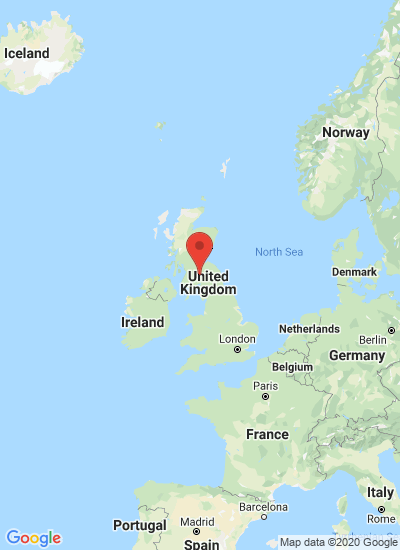

Scientists of the University of Dundee will lead a £3.5m investigation into potato blight, which was responsible for the Irish potato famine and problems across the globe.
Blight costs the potato industry more than £3bn a year due to crop failure and the cost of fungicides.
Researchers at the universities of Dundee and Warwick, along with those at the Scottish Crop Research Institute, will study how microbes cause blight.
They want to find new strategies to control or prevent crop loss.
The researchers will examine how molecules called effectors, from the potato pathogen Phytophthora infestans, are able to cause late blight.
They will also investigate how other effectors cause downy mildew, another significant problem in potato crops.
The funding for the project has come from the Biotechnology and Biological Sciences Research Council.
£3.5m for potato disease research
Like to receive news like this by email? Join and Subscribe!
Get the latest potato industry news straight to your WhatsApp. Join the PotatoPro WhatsApp Community!
Gerelateerd nieuws

september 07, 2026
Calbee Potato Harvest Ceremony 2026 Highlights Stronger Hokkaido Potato Quality and Yield
Calbee Potato expects Hokkaido’s 2026 processing potato crop to reach 240,000–250,000 tons, with better quality and yields than 2025. Favorable temperatures and rainfall have boosted growth, although heavy rain remains a major harvest risk now.

september 07, 2026
Aardappeldemodag 2026 Draws Over 4,500 Visitors as Dutch Potato Sector Faces Year of Extremes
Aardappeldemodag 2026 brought over 4,500 visitors to Westmaas amid a challenging year for the Dutch potato sector. The event focused on market pressures, extreme growing conditions, knowledge sharing, machinery and innovation.

september 07, 2026
EUROPLANT en Finpom onderstrepen het voordeel van Finse pootaardappelteelt bij toenemende viruisdruk in Europa
Finpom wijst op de voordelen van Noord-Finland voor de productie van hoogwaardige pootaardappelen terwijl klimaatverandering de virusrisico's in Europa doet toenemen, en breidt zijn EUROPLANT-assortiment verder uit met LARISSA, JUVENTA, Filipa, FAVOLA en INA.