Potato late blight in potato tubers is of significant importance in commercial production and in seed production because these tubers may (i) initiate epidemics by transmission from infected tubers to sprouts, stems and foliage, and ii) may also directly reduce plant stand and delay plant emergence resulting in further problems that affect yield and tuber size distribution.
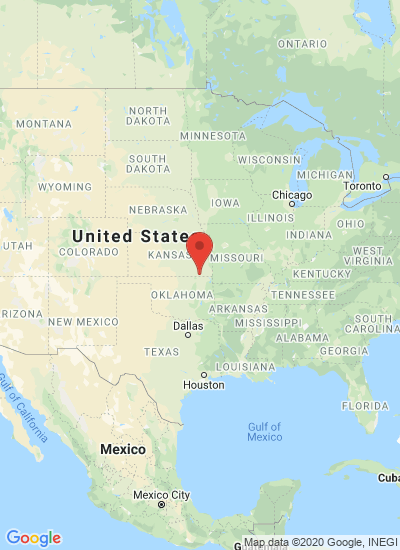
In addition, late blight management incurs significant management costs to growers in terms of IPM (integrated pest management) scouting and control with fungicides. Over the past two years, the aggressive US-8 genotype of Phytophthora infestans has been largely displaced in potatoes by a slightly less aggressive strain, known as US-22 that is thought to have originated from tomatoes. This strain was found widely in Michigan in 2009 and again in 2010, at least as far north as Rogers City. There was, therefore, a high risk that potato seed crops could have been exposed to potato late blight. The late appearance of late blight in some crops may have caught some growers off guard and even in blight-free crops, spore showers from external sources could potentially affect tubers even after desiccation of vines.
At MSU, samples are regularly sent to our lab for testing and we run a general test called mutiliplex PCR to determine the presence of four pathogens. These are Phytophthora infestans (late blight), Phytophthora erythroseptica (pink rot), Pythium ultimum (leak) and Pectobacterium carotovorum (soft rot). These tests are very sensitive and are often run to determine what risk a crop might be under and what management steps are needed to maximize healthy stands.
Earlier this month seed samples were brought to the lab that showed PCR reactions that were weakly positive for late blight. I emphasize that these tests are extremely sensitive and the implications in terms of what this means in terms of the risk of late blight developing from tubers from these seed lots are not known. From my own experience in research in this area of latent infections of potato seed my opinion is that the likelihood is very low but not impossible.
Since this seed was sampled, we have taken further samples and found these weak PCR positive reactions again, but as yet have not been able to grow pure cultures from the seed. Visually the darkened seed tissue has the appearance of late blight but has also been impacted by other pathogens. The reason then for this urgent notice is to alert growers that there is a potential risk that seed may be affected by late blight in 2011 but that we are not in a position to determine that this will result in seed-borne late blight developing. The following are the steps that have been taken so far in conjunction with the Michigan Seed Potato Association (MSPA) and its members, MSU, MPIC and MDA seed inspectors.
MSPA are being proactive by stepping up early and have visited commercial sites where seed lots are being cut and treated and they are working closely with MSU and MPIC on a short and long term management plan. MSPA are testing suspect tubers in seed lots at shipping point inspections with late blight immunodiagnostic test strips from AGDIA;so far no tubers have tested positive using these tests. We have tested these kits in the lab on tubers inoculated with the pathogen and they are reliable.
Michigan State University Extension issues late blight update
Like to receive news like this by email? Join and Subscribe!
Get the latest potato industry news straight to your WhatsApp. Join the PotatoPro WhatsApp Community!
Gerelateerd nieuws

september 07, 2026
Calbee Potato Harvest Ceremony 2026 Highlights Stronger Hokkaido Potato Quality and Yield
Calbee Potato expects Hokkaido’s 2026 processing potato crop to reach 240,000–250,000 tons, with better quality and yields than 2025. Favorable temperatures and rainfall have boosted growth, although heavy rain remains a major harvest risk now.

september 07, 2026
Aardappeldemodag 2026 Draws Over 4,500 Visitors as Dutch Potato Sector Faces Year of Extremes
Aardappeldemodag 2026 brought over 4,500 visitors to Westmaas amid a challenging year for the Dutch potato sector. The event focused on market pressures, extreme growing conditions, knowledge sharing, machinery and innovation.

september 07, 2026
EUROPLANT en Finpom onderstrepen het voordeel van Finse pootaardappelteelt bij toenemende viruisdruk in Europa
Finpom wijst op de voordelen van Noord-Finland voor de productie van hoogwaardige pootaardappelen terwijl klimaatverandering de virusrisico's in Europa doet toenemen, en breidt zijn EUROPLANT-assortiment verder uit met LARISSA, JUVENTA, Filipa, FAVOLA en INA.