

七月 09, 2016
GMO Labeling Bill passed by United States Senate
Last Thursday, the United States Senate has passed, by a vote of 63 to 30, a bill that would create a national standard for labeling food made with genetically modified organisms (GMOs)From the archive

五月 22, 2016
Innate Potatoes won't be grown in Canada this year.
Innate Potatoes, a newly-approved, genetically modified potato variety, will not be grown commercially in Canada this year, says Simplot.From the archive


三月 22, 2016
Simplot's Innate Potato (First Generation) Receives Canadian Government Clearance
Health Canada and Canadian Food Inspection Agency (CFIA) have completed their respective food and feed safety assessments of the J.R. Simplot Company’s first generation of Innate® potatoes.From the archive
三月 10, 2016
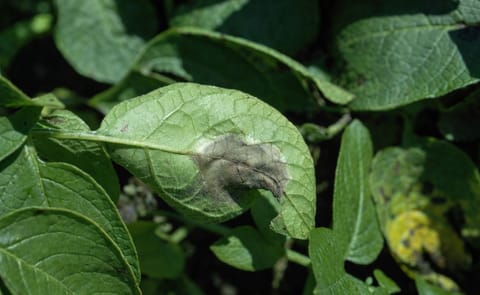
Two Blades Foundation partners with Simplot and The Sainsbury Laboratory to advance potato disease resistance
The Two Blades Foundation (2Blades) announced a research partnership between 2Blades, The Sainsbury Laboratory, and J. R. Simplot Company to develop potato varieties with increased resistance to oomycete and bacterial diseases.From the archive
一月 17, 2016
Simplot's Second Generation Innate® Potato Receives FDA Safety Clearance
The Food and Drug Administration has completed its food and feed safety assessment of the J.R. Simplot Company’s second generation of Innate® potatoes. Simplot will still need to complete its registration with the Environmental Protection Agency for these potatoes before introducing them for sale in the U.S. marketplace.From the archive
九月 01, 2015
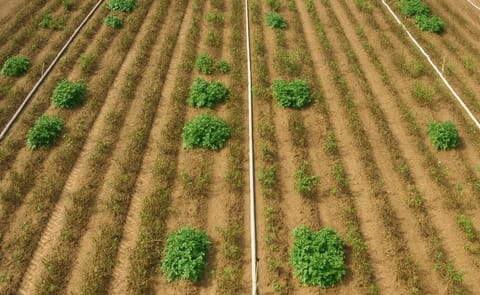
USDA Deregulates Second Generation Innate™ GMO Potatoes
The J.R. Simplot Company is pleased that the USDA has deregulated the Russet Burbank variety of the second generation of Innate™ potatoes. Simplot is looking forward to the completion of the EPA registration and FDA consultation before the second generation of Innate™ potatoes can be introduced into the marketplace.From the archive
Sponsored Content
Sponsored Content
Sponsored Content

七月 10, 2015
Papas andinas contra la malnutrición del mundo
La papa ha salvado al mundo de hambrunas. Ahora, papas andinas poco conocidas podrían acabar con la malnutrición. El Centro Internacional de la Papa presentó en Bruselas un proyecto regional con aspiraciones globales.From the archive


六月 08, 2015
A look at the Innate Potato by FrankenFoodFacts
The blog FrankenFoodFacts recently published a review of the Innate potato of Simplot Plant Sciences. This blog by Layla Katiraee, who holds a Ph.D. in molecular genetics and is a senior scientist at a biotech company, offers the most insightful review of the Innate Potato PotatoPro has seen so far.From the archive
五月 05, 2015
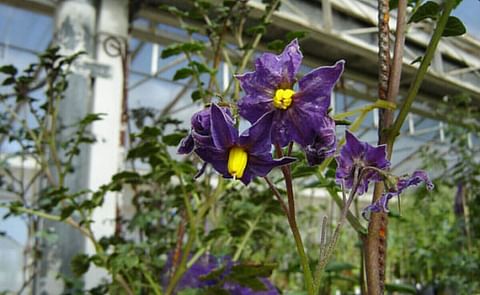
Científicos exhortan a la acción para preservar parientes silvestres de papa
Los parientes silvestres de los cultivos son especies de plantas silvestres que comparten un ancestro común con los cultivos. Mantienen un alto nivel de diversidad genética que los hace una fuente invalorable de materia prima para el mejoramiento de los cultivos. Sin embargo, su disponibilidad para fines de investigación depende la cobertura y estado de las colecciones de germoplasma mantenidas en los bancos genéticos.From the archive
