
PepsiCo is one of the world's leading food and beverage companies with over USD 67 billion in net revenue in 2019 and a global portfolio of brands, including several savory snack brands. Revenue attributed to food is 54% and to beverage 46%.
The company was incorporated in Delaware in 1919 and reincorporated in North Carolina in 1986. Pepsico is a leading global beverage and convenience food company with a complementary portfolio of brands, including Lay’s, Doritos, Cheetos, Gatorade, Pepsi-Cola, Mountain Dew, Quaker, and SodaStream.
Through their operations, authorized bottlers, contract manufacturers, and other third parties, the company makes, markets, distributes, and sells a wide variety of beverages and convenient foods, serving customers and consumers in more than 200 countries and territories.
Solapas principales
PepsiCo

Descripción de la compañía
Publicly traded
Subsidiaries and Factory Locations

Tipos de productos que ofrece esta empresa
Marcas
Noticias de esta Compañia
Septiembre 23, 2021
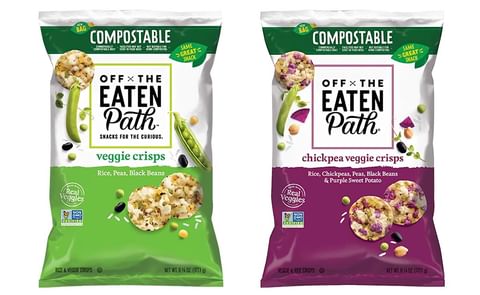
Frito-Lay Launches Industrially Compostable Bags with Off The Eaten Path Brand
Breakthrough Food Packaging Technology Offers Consumers a Positive Choice as part of pep+ (PepsiCo Positive) Strategic End-to-End Transformation with Sustainability at the Center
Septiembre 14, 2021
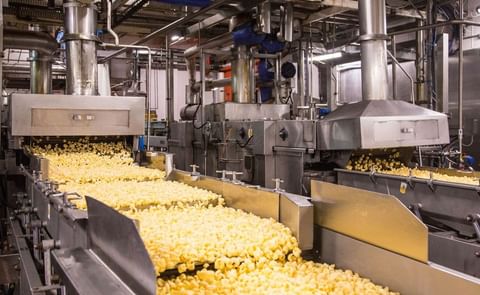
PepsiCo is investing GBP 24 million in their Lincoln snack factory
Pepsico is investing GBP 24 million in their Lincoln snack factory to upgrade their facilities, meet the growing consumer demand, and secure the building’s future.
Agosto 31, 2021
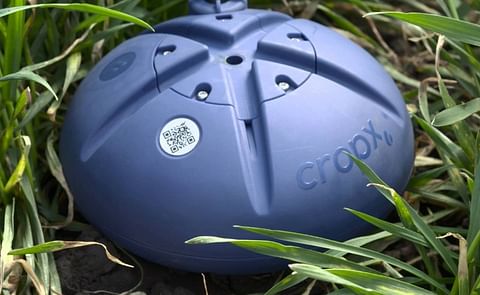
PepsiCo México selecciona la tecnología CropX para ayudar a sus productores de papa a ser ambientalmente sustentables
Al colaborar con CropX, PepsiCo México ahora puede ayudar a los productores de papa en América Latina a mejorar la eficiencia de la aplicación de insumos agrícolas y ser ambientalmente sostenibles.
Información de Contacto
Puntos de contacto adicionales


Memberships
Ir a un sector diferente:


Sponsored Content
Sponsored Content