Solapas principales

TOMRA Food

Solapas principales

Descripción de la compañía

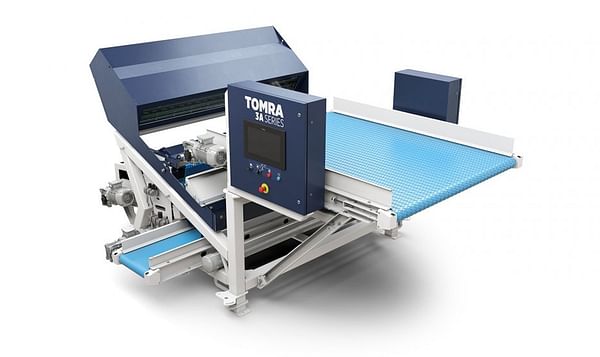
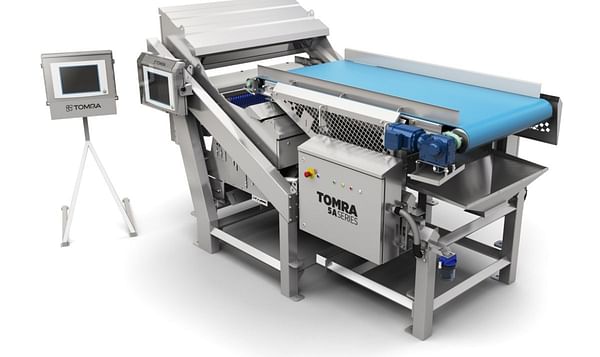
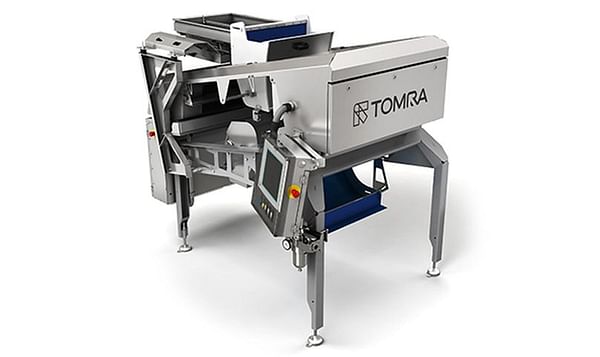
TOMRA Food diseña y fabrica máquinas de clasificación basadas en sensores y soluciones integradas post-cosecha que transforman la producción alimentaria mundial para maximizar la seguridad alimentaria y minimizar las pérdidas de alimentos, asegurándose de que Cada Recurso Cuente.

La empresa tiene más de 12,800 unidades instaladas en productores de alimentos, empacadores y procesadores de todo el mundo para confitería, frutas, frutas secas, granos y semillas, papas, proteínas, nueces y verduras.

Estas soluciones incluyen tecnología avanzada de clasificación, selección, pelado y análisis para ayudar a las empresas a mejorar los retornos, obtener eficiencias operativas y garantizar un suministro de alimentos seguro.

TOMRA Food opera centros de excelencia, oficinas regionales y ubicaciones de fabricación en Estados Unidos, Europa, América del Sur, Asia, África y Oceanía.

Subsidiaria de:
Subsidiaries and Factory Locations
Productos Ofrecidos
Tipos de productos que ofrece esta empresa
Marcas

Participación en Ferias Comerciales
Noticias de esta Compañia
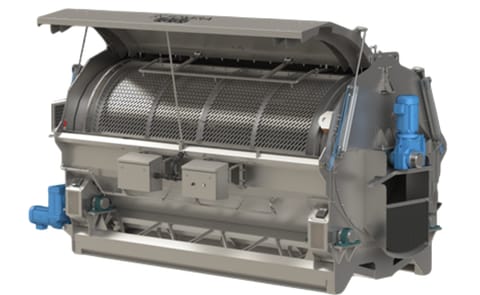
TOMRA Dry Peel Separator (DPS-16) featuring a perforated drum for efficient, water-free peel removal in high-capacity potato and vegetable processing lines.
Enero 26, 2026
TOMRA Unveils DPS-16 Dry Peel Separator, Boosting Potato Processing Capacity to 70 Tons Per Hour
TOMRA Food launches the DPS-16, a high-capacity dry peel separator processing up to 70 tons of potatoes/hr. Brushless, water-free, and easy to clean, it boosts efficiency and yield for potato and vegetable processors worldwide.
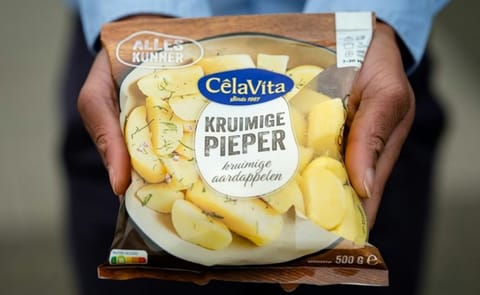
Industrial potato processing and packaging machinery from bankrupt Dutch producer CêlaVíta, now being auctioned online by Troostwijk Auctions as part of six structured industrial asset sales running from December to January.
Diciembre 18, 2025
CêlaVíta Potato Processing Equipment now on Auction by Troostwijk
Troostwijk Auctions launches six online auctions (18 Dec–15 Jan) to sell the full industrial assets of bankrupt Dutch potato processor CêlaVíta, offering high-quality potato processing, packaging and labelling machinery from leading brands.
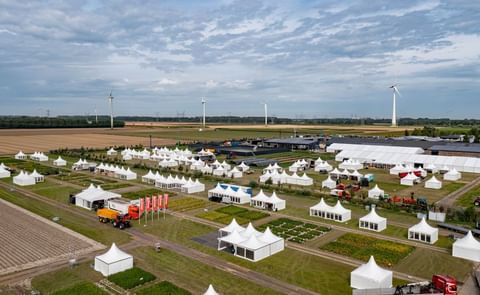
Preparations in full swing at WUR Field Crops in Lelystad, where PotatoEurope 2025 will host over 300 exhibitors and visitors from 119 countries on 3–4 September.
Septiembre 02, 2025
PotatoEurope 2025 en Lelystad: evento mundial líder de la papa con más de 300 expositores e innovaciones globales
PotatoEurope 2025 se celebrará del 3 al 4 de septiembre en WUR Lelystad con más de 300 expositores y visitantes de 119 países. Entre los principales atractivos figuran cosechas de prueba, conferencias sobre ICM y mercado, demostraciones en vivo desde la recolección hasta la clasificación, y campos de prueba de innovación.
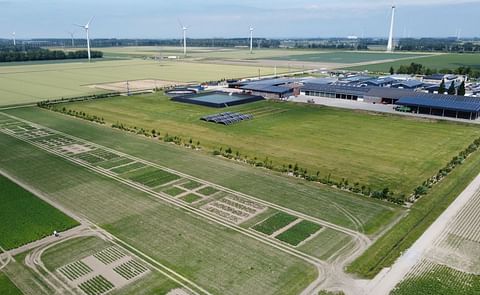
WUR Open Field Research Centre, venue for PotatoEurope 2025, featuring trial plots and sustainable energy systems.
Julio 20, 2025
PotatoEurope 2025 Set to Showcase Cutting-Edge Machinery, Smart Farming, and Live Demos in the Netherlands
PotatoEurope 2025, set for 3–4 Sept in Lelystad, Netherlands, showcases live machinery demos, smart agri-tech, and innovations in potato farming. With 300+ exhibitors and 15,000 visitors, it’s the premier hub to innovate, network, and grow.
Agentes de esta empresa

Frequently Asked Questions

How does TOMRA’s technology influence pricing dynamics in agricultural markets?

By enabling precision grading, TOMRA allows producers to segment products into multiple value tiers. This leads to more dynamic pricing strategies where premium quality is monetized better, while lower grades are efficiently diverted to processing or alternative uses, maximizing overall revenue.

How does TOMRA’s technology impact processing efficiency in the potato industry?

In potato processing, sorting precision directly affects peeling loss, frying quality and final product consistency. TOMRA’s systems help reduce raw material waste, improve cut quality and ensure uniformity critical for products like chips and fries.

How might TOMRA influence the future design of food processing factories?

Factories may be designed around integrated, automated and data-connected systems rather than linear processes. TOMRA’s ecosystem approach could drive the shift toward smart factories in agriculture.

Can TOMRA’s solutions standardize food quality globally or will regional diversity resist it?

While technology pushes toward standardization, consumer preferences and local varieties will maintain diversity. The future likely involves standardized processing with localized customization.

Make This Page Even Better!

This content was last updated on Septiembre 23, 2025

Have a helpful detail to contribute? Catch something that should be corrected?