Introduction
Potato chips, those irresistible golden shards of fried perfection, transcend mere snack status to become a cultural phenomenon that captivates people across the globe. Born from potatoes—a versatile tuber that's the world's fourth-largest food crop they embody convenience, indulgence and innovation in a single satisfying crunch. These snacks have woven themselves into daily life, from casual movie nights to elaborate party spreads, offering a quick burst of flavor that satisfies cravings instantly.
Globally, potato chips fuel a voracious appetite for on the go eats, with consumers devouring billions of pounds annually amid rising urbanization and busy lifestyles that demand portable options. Economically, the industry supports vast agricultural networks, from expansive fields in major producing regions to sophisticated processing facilities that turn raw tubers into packaged delights.
While they bring joy through their texture and taste, potato chips also spark important discussions on nutrition, prompting consumers to balance enjoyment with mindful eating habits. Beyond their role as a treat, these chips reflect societal trends, evolving with demands for healthier alternatives and sustainable practices that address environmental concerns. This guide dives deep into their world, blending history, science and trends to reveal why a simple spud slice rules the snack aisle, providing insights for everyone from casual munchers to those curious about the industry.
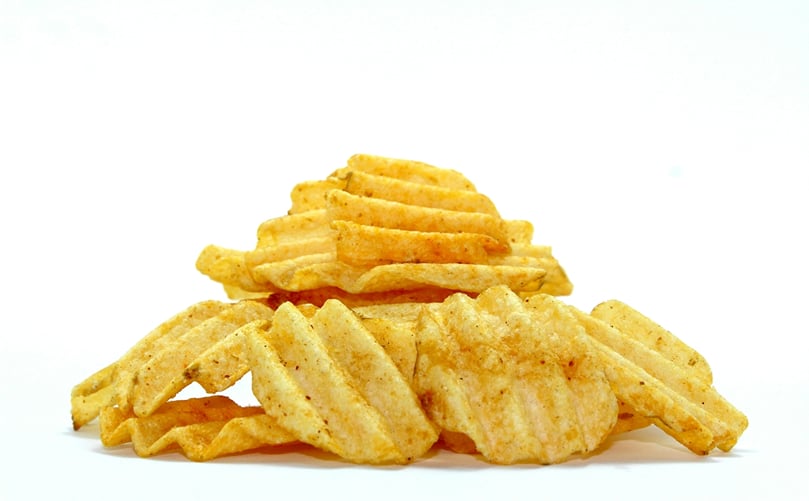
Deliciously Crunchy Potato Chips – A Global Snack Favorite
A Slice of History: The Accidental Birth of a Snack Icon
The potato chips origin is a tale as layered as the snack itself, blending legend, innovation and cultural evolution that has captivated food enthusiasts for generations. The most enduring myth credits George Crum, a Native American-African chef at Moon Lake House in Saratoga Springs, New York, with inventing them in 1853 after a frustrating encounter with a picky customer.
Annoyed by repeated complaints about thick French fries, Crum reportedly sliced potatoes paper-thin, fried them until crisp and added salt in a defiant move that unexpectedly delighted the diner. These "Saratoga Chips" quickly gained fame, served in paper cones to resort guests and spreading beyond the local area through word of mouth and early commercialization efforts. However, food historians often debunk this story as folklore, suggesting Crums sister, Kate Wicks, may have played a key role, while similar thin-fried potatoes appeared in earlier cookbooks that predated the incident.
Tracing further back, roots connect to 1817 when English physician William Kitchiner published a recipe for "potato crisps" in The Cook's Oracle, recommending frying thin slices in boiling lard for a delicate treat that hinted at future developments. By the 1920s, mass production accelerated with entrepreneurs scaling up operations, transforming handmade snacks into widely available products through improved machinery and distribution.
Laura Scudder's 1926 innovation of wax-paper bags, sealed with hand-ironed edges and including freshness dates, revolutionized packaging by combating staleness and extending shelf life significantly. Brands like Lay's, launched in 1932 and Ruffles in 1958, further propelled chips into supermarkets, evolving a regional curiosity into a global staple enjoyed by millions today.
Global Scenario: Potato Chips Around the World
Potato chips, known as crisps in some regions are a universal guilty pleasure enjoyed in various forms, with consumption patterns reflecting local tastes, economies and agricultural strengths that shape their popularity. The global market has seen steady expansion, valued at around 35 to 40 billion USD in recent years, driven by consistent demand for convenient, portable snacks that fit modern lifestyles.
Projections indicate continued growth at a compound annual rate of approximately 4 to 6 percent over the coming decade, as emerging markets in Asia-Pacific and Latin America contribute significantly to this upward trend. North America holds a dominant position with a substantial market share, where flavors like barbecue and sour cream are favorites, supported by strong production and distribution networks. Europe follows closely, with countries such as the UK and Germany preferring classic options like salt and vinegar and the regional market benefiting from established brands and consumer loyalty.
In Asia-Pacific, rapid urbanization in nations like China and India has boosted snacking habits, leading to a surge in spicy variants such as chili-lime that cater to local palates. Latin America adds its own flair with bold seasonings like tajin, representing a growing portion of global volume through innovative adaptations. Challenges persist, including shifts toward health-conscious choices that favor baked alternatives, alongside sustainability issues from resource intensive farming practices that the industry is actively addressing through better practices.
The Perfect Potato: Varieties and Exhaustive Selection Criteria
Not all potatoes are suited for chip production the ideal variety must be high in starch and low in sugar, carefully selected for its ability to deliver consistent crispiness, color and flavor. Selection is based on agronomic, biochemical and physical parameters to ensure high-quality chips and efficient processing.
Preferred Varieties: Leading varieties include Atlantic, known for its mid-season maturity and excellent chip quality even after storage. Russet Burbank is valued for its high starch content (20–22% dry matter) that ensures uniform frying and ideal texture. Innova and Shepody produce round-white tubers with low sugar levels that result in golden fries without darkening. In Europe, Agria, Lady Clair and Premiere are popular for their versatility, low acrylamide formation and consistent fry color. The emerging Huron Chipper variety offers bruise resistance, mid-season harvest and improved yield for processors.
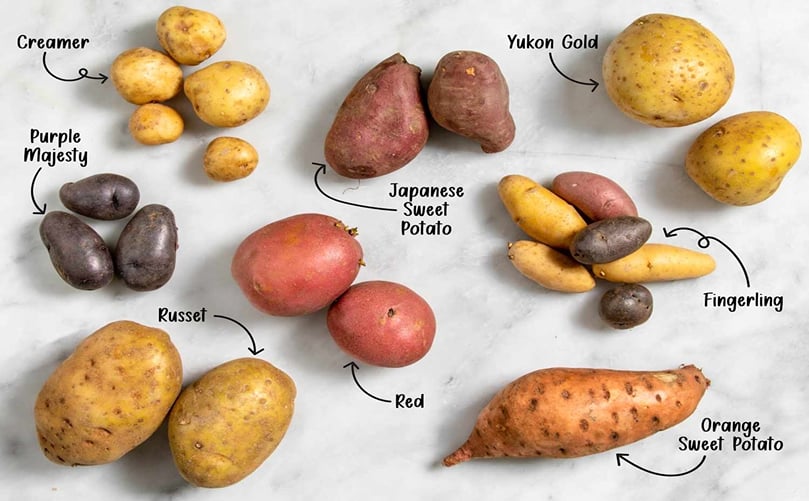
Common Potato Varieties for Chips (Credit: Vicky Wasik)
Exhaustive Selection Criteria
Processors evaluate tubers against USDA standards and biochemical benchmarks to ensure 99% processability
Physical Selection Criteria: Ideal potatoes must be firm with a round to oval tuber shape and a uniform size ranging from 45 to 80 mm in diameter to ensure even slicing during processing. Tubers should have a smooth and clean surface, free from soil or contamination and must not show any defects such as rot, greening, cuts or mechanical injury.
Biochemical Criteria: The selected potatoes should have a dry matter content of 21–25% to promote crispness and reduce oil absorption during frying. Reducing sugar levels must remain below 0.5% to prevent unwanted browning. The asparagine content should be minimal to limit acrylamide formation and the specific gravity should exceed 1.080, indicating high starch concentration ideal for chip making.
Agronomic Criteria: Preferred varieties are mid to late maturing, providing sufficient time for dry matter accumulation. They should exhibit strong resistance to bruising and disease, ensuring better post-harvest handling. Proper fertilizer management, typically 200–250 pounds of nitrogen per acre, helps maintain balanced growth and tuber quality. Tubers must also be uniform in size and shape for processing efficiency.
Processing and Quality Parameters: High-performing varieties should deliver over 70% chip recovery from total tuber weight, with texture scores above 80 on chip analyzers. The fry color should be uniform golden yellow, and oil uptake must remain within acceptable industry limits. Additionally, selected potatoes should retain low sugar levels and desirable color after storage, ensuring year-round processing suitability.
Grading Standards: Globally, potatoes intended for chip production must meet premium-grade quality standards that emphasize uniform size, shape, and color. Grading involves both visual inspection and laboratory testing such as fry color assessment and specific gravity measurement. Tubers showing freezing injury, rot, hollow heart, pest damage or mechanical defects are rejected to maintain processing efficiency, safety and consistent chip quality across markets.
The Factory Crunch: Potato Chips Processing and Preparation Techniques
Potato chip production represents a seamless integration of agricultural science, engineering and food technology. Modern factories rely on automation, precision control and sustainability focused innovations to transform raw potatoes into crispy, golden chips that meet strict quality, safety and consumer expectations. The entire process from field to final packaging involves a series of interconnected steps designed to maximize yield, minimize waste and ensure consistent product quality.
Harvesting and Preparation: Potatoes used for chip production are harvested at physiological maturity to ensure high dry matter and low sugar content. Tubers are mechanically harvested using conveyor harvester systems that minimize bruising and physical injury. Immediately after arrival at the factory, potatoes are washed in water flumes or rotary washers to remove soil, stones and foreign matter.
Peeling is then carried out using abrasive rollers, steam peeling or enzymatic peeling depending on the desired efficiency and waste management strategy. Steam peeling is widely preferred in large scale industries for its high yield (up to 95%) and ability to preserve tuber integrity. The peeled potatoes are then visually inspected or scanned to remove residual peel and defective pieces before moving to the next stage.
Sorting and Grading: After cleaning and peeling, the potatoes are passed through optical sorting systems equipped with hyperspectral or near-infrared imaging cameras. These systems automatically detect and remove potatoes with internal or external defects such as green patches, bruises, rot or irregular shapes. Grading ensures that only tubers of uniform size (45–80 mm) and specific gravity (>1.080) proceed to slicing. Consistency at this stage directly affects chip uniformity, color and frying behavior.
Slicing: Potatoes are sliced using centrifugal slicers or precision blade systems to a standard thickness of 1.2–1.5 mm (approximately 1/16 inch). Maintaining consistent thickness is crucial for uniform frying and texture. The slicing operation is carried out in a cold water bath to prevent enzymatic browning and oxidation of exposed surfaces.
In addition to traditional flat slices, processors often produce ripple, crinkle or lattice cuts using patterned blades to diversify texture and mouthfeel. The sliced potatoes are then conveyed through a starch removal rinse to reduce surface starch that can cause clumping or uneven browning during frying.
Blanching and Pre-treatment: Blanching is a key step in chip processing, designed to control sugar levels and enhance color. Potato slices are blanched in hot water or steam at 70–85°C for 2–5 minutes, depending on variety and reducing sugar content. This process leaches out excess sugars, removes air from intercellular spaces and inactivates enzymes responsible for undesirable flavor or color changes.
In modern factories, Pulsed Electric Field (PEF) technology is increasingly replacing traditional blanching. PEF applies short, high-voltage pulses (1–3 kV/cm) for a few microseconds to perforate cell membranes non-thermally. This improves texture, enhances frying efficiency, and can reduce oil absorption by 20–50%. Moreover, PEF treatment minimizes acrylamide formation, a potential carcinogenic compound produced during high-temperature frying.
Frying: Frying is the heart of chip production and determines the product’s final color, crunch and flavor. Potato slices are fried in continuous or batch frying systems at 170–190°C for 1.5–3 minutes, depending on thickness and moisture content. Oils used include sunflower, canola or palm olein, chosen for their high oxidative stability and neutral flavor profile.
Advanced fryers feature real-time IoT sensors that monitor oil temperature, turnover rate, moisture levels and total polar compounds (TPCs) to ensure optimal oil quality. The goal is to achieve a final moisture content of 1.5–2% and a light golden-yellow color.
Some manufacturers use vacuum frying technology, where frying occurs at 120–140°C under reduced pressure (20–30 kPa). This method preserves natural flavor and nutrients while reducing fat content by up to 40%.
De-oiling: After frying, chips are immediately transferred to centrifugal de-oilers or vibratory shakers to remove surface oil. This step enhances crispness, reduces greasiness and stabilizes the product for longer shelf life. De-oiling also minimizes the variation in fat content, which is a key quality parameter in standardized chip production.
Seasoning De-oiled chips are conveyed to rotating seasoning drums or fluidized flavoring systems, where powdered or liquid flavorings are uniformly applied. Modern systems use electrostatic coating technology, which charges flavor particles to ensure even adhesion and reduce flavor loss by up to 30%. Popular seasonings include salt, cheese, barbecue, sour cream and chili blends. Temperature and humidity in the seasoning area are carefully controlled to prevent clumping and flavor degradation.
Packaging: Packaging is a critical step to maintain freshness and prevent oxidation. Chips are packed using form-fill-seal (FFS) or vertical form fill seal (VFFS) machines. The bags are flushed with nitrogen gas (N₂) to displace oxygen and extend shelf life. Most manufacturers now use multi layer recyclable or biodegradable films that protect against moisture, light and air.
Packaging systems are modular, allowing rapid flavor changeovers and efficient line management. Each bag is date coded, weighed and sealed before being palletized for distribution.
Quality Control and Monitoring: Throughout the production process, AI and IoT-based quality control systems continuously monitor parameters like slice thickness, oil absorption, color index, moisture content and acrylamide levels. Sampling for microbiological tests, oil oxidation and sensory evaluation ensures that every batch meets global food safety standards such as Hazard Analysis and Critical Control Points (HACCP), International Organization for Standardization (ISO 22000) and Brand Reputation through Compliance Global Standards (BRCGS).
Vision-based inspection systems check for burnt chips, color defects and size variation, automatically rejecting substandard pieces to ensure uniformity.
Research, Innovation and Sustainability: The modern potato chip industry is evolving toward greener and smarter processing. Heat recovery systems capture energy from fryer exhausts, while wastewater from washing lines is recycled through filtration and biological treatment. Factories are also adopting AI-driven predictive maintenance to optimize energy use and reduce downtime.
Research is focusing on low-oil frying, natural antioxidants and biopolymer-based packaging to improve both nutritional and environmental profiles. Leading manufacturers now produce millions of pounds of chips daily, balancing high output with sustainability and consistent consumer satisfaction.
Types of Potato Chips: Varieties, Flavors and Styles
Potato chips come in a diverse array of types, categorized by cooking methods, cuts and shapes, flavors and regional preferences. This variety reflects both traditional practices and modern innovations catering to diverse consumer tastes.
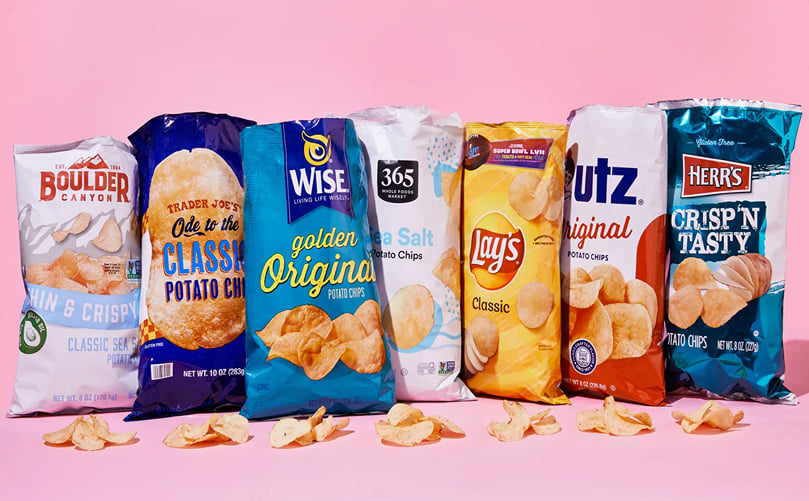
Variety of Potato Chip Flavors and Styles (Soure: Food Styling by Mieko Takahashi)
1. By Cooking Method
- Deep-Fried Chips: The classic style, where potato slices are submerged in hot oil, producing a crispy, golden texture. This method is most common in industrial production.
- Baked Chips: A lower-fat alternative, baked in ovens to achieve crunch without excessive oil absorption, appealing to health conscious consumers.
- Kettle-Cooked Chips: Produced in small batches without rinsing the surface starch, resulting in thicker, harder and crunchier chips with an artisanal feel. Brands like Cape Cod and Utz are well known for this style.
- Air-Fried Chips: Popular in homemade and small scale production, these use hot air circulation to reduce oil content while maintaining flavor and crispiness.
2. By Cut and Shape
- Standard Thin Slices: The familiar flat crisps widely consumed worldwide.
- Wavy or Ridged Chips: Provide extra structural integrity for dipping and enhanced crunch due to textured surfaces.
- Extruded or Pressed Chips: Made from potato dough shaped uniformly (e.g., Pringles, Lays Stax) for stackable packaging. These are sometimes debated as being “crisps” rather than traditional potato slices.
- Potato Sticks/Shoestrings: Extremely thin, elongated slices fried for crispiness and packaged in rigid containers to prevent breakage.
- Curled or Ball-Shaped Chips: Found in some markets (e.g., Russia), these shapes reduce oil absorption and offer novel textures.
3. By Flavor
Potato chips range from simple to complex flavor profiles:
- Basic: Salted or unsalted for traditional taste.
- Classic Savory: Barbecue, sour cream and onion and salt and vinegar.
Innovative/Regional:
1. Canada: All-dressed, ketchup.
2. UK: Prawn cocktail, roast chicken.
3. Asia: Wasabi, teriyaki, honey butter in Japan and Indonesia.
- Health-Conscious Options: Reduced-salt, fat free (using substitutes like Olestra) or organic varieties cater to nutritional awareness.
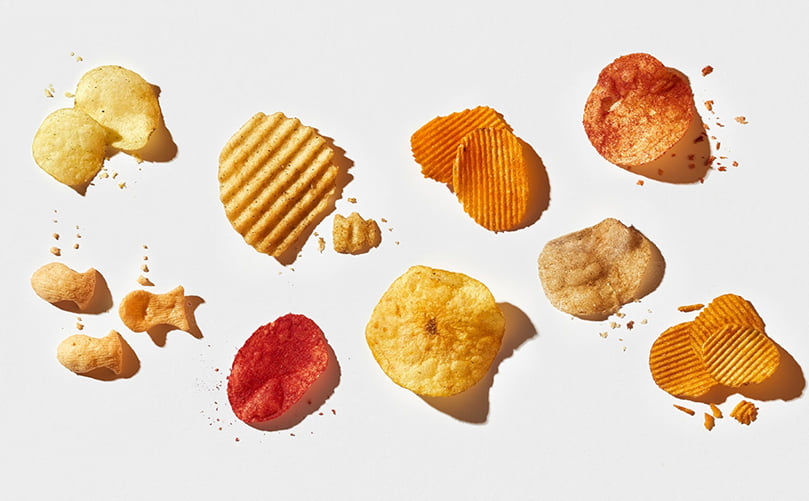
Unusual Potato Chip Flavors Around the World (Credit: Christian Lalonde)
4. Consumer and Market Innovations
- Flavor Experimentation: Global brands like Lays, Walkers, and Calbee continually introduce new tastes to meet diverse palates.
- Texture and Shape Innovations: Kettle-cooked, extruded, curled or ridged chips provide alternative textures for premium, snacking or dipping purposes.
- Health-Oriented Products: Baked, air-fried or fat-reduced chips respond to growing consumer demand for healthier snack options without compromising enjoyment.
Nutrition Breakdown: The Salty Truth
A standard 1-ounce serving of plain potato chips delivers about 150 calories, primarily derived from fats that contribute to their appealing mouthfeel and satisfaction. This portion includes around 9.5 grams of total fat, with 2.5 grams being saturated, representing a notable part of daily intake based on standard dietary guidelines. Sodium content sits at approximately 168 milligrams, which can add up quickly for those monitoring salt consumption to maintain healthy blood pressure levels.
Carbohydrates make up 15 grams, offering quick energy but with only 1.4 grams of fiber, limiting their role in digestive health compared to whole foods. Protein is minimal at 2 grams, making chips more of a treat than a substantial nutrient source in balanced meals.
Potassium stands out at 358 milligrams, providing a beneficial mineral that supports muscle function and counters some sodium effects. While low in vitamins unless fortified, baked versions reduce fat by up to 65 percent, offering a lighter alternative without sacrificing much crunch. Overall, these snacks serve as an occasional indulgence, best enjoyed in moderation alongside nutrient-dense foods to round out a healthy diet.
Market Pulse: Trends Shaping the Future
The global potato chips market stands at approximately 35 to 40 billion USD, with expectations of growth at a 4 to 6 percent compound annual rate, fueled by evolving snacking cultures and expansion in developing regions. In the United States, the sector contributes around 24 billion USD, leading with steady increases driven by consumer preferences for variety and convenience. Urbanization plays a key role, as busy lifestyles encourage quick snacks, while premium flavors attract discerning buyers seeking unique experiences.
Health-focused trends are prominent, with low-fat, air-fried and vegetable infused options seeing sales rises as people prioritize wellness without forgoing taste. Flavor innovations, including global fusions like Thai chili or hatch varieties are boosted by artificial intelligence in research and development, creating exciting new profiles. Premiumization elevates gourmet brands through small-batch production, appealing to those willing to pay more for quality and craftsmanship.
Major players like Lays command significant market shares, yet independent labels flourish via online platforms, diversifying choices for consumers. Overall, the market resilience stems from adapting to demands for sustainability and health, ensuring continued relevance in the snack landscape.
Sustainability: Greening the Golden Fry
The potato chip industry faces significant environmental scrutiny due to its resource demands, prompting widespread efforts to adopt greener practices across the supply chain. Farming potatoes requires substantial water, often up to 500 liters per kilogram of chips, leading companies to implement efficient irrigation and crop rotation to conserve resources. Frying processes generate greenhouse gases, but advancements like capturing steam from production yield millions of liters of reusable water annually at facilities. Brands are turning to regenerative agriculture, which improves soil health and reduces chemical inputs, fostering long term land sustainability.
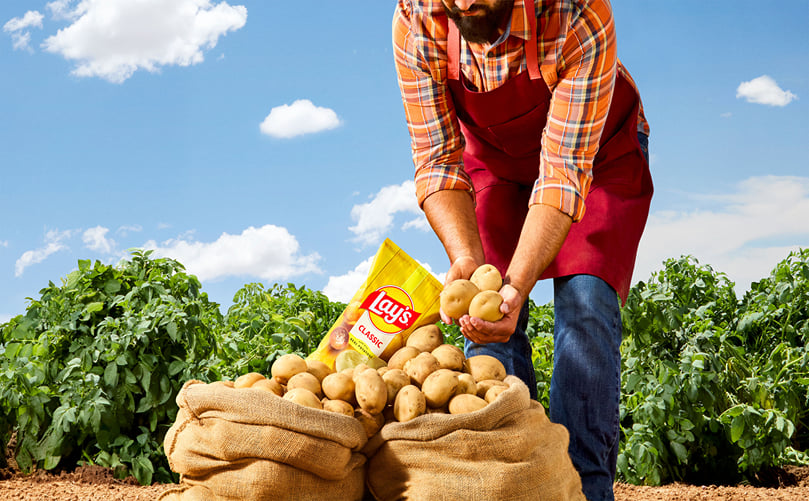
Sustainable Potato Chip Production
Waste management innovations convert potato peels into biogas via anaerobic digestion, cutting emissions by up to 40 percent as explored in sustainability research. Packaging shifts toward recyclable and compostable materials aim to halve plastic use in the near future, responding to consumer demands for eco-friendly options. Local sourcing minimizes transportation footprints, with companies prioritizing nearby farms to support communities and lower carbon impacts. These initiatives not only address challenges but also enhance brand reputation, driving the sector toward a more responsible future
Technological Advancements and Industry Trends
The evolution of potato chips production has been deeply influenced by technological innovation, with the industry steadily moving toward smart, automated and sustainable manufacturing systems. Modern factories are integrating digital technologies and intelligent equipment to improve product quality, reduce operational costs and minimize environmental impact. These advancements are not only transforming production efficiency but also shaping how companies respond to changing consumer preferences for healthier and eco-friendly snacks.
Smart Manufacturing and AI Integration: Artificial Intelligence (AI) has become a major driving force behind the modernization of the potato chips industry. Through predictive quality control systems, machine learning algorithms analyze real time production data to forecast machinery downtime and detect potential inconsistencies before they occur. This minimizes waste and ensures consistent product quality across batches.
AI is also reshaping product development, where data driven insights from consumer feedback and regional culinary trends are used to identify emerging flavor preferences and predict successful combinations. This allows manufacturers to streamline research and development cycles, reduce the risk of unsuccessful product launches and bring innovative flavors to the market more efficiently. Overall, AI integration enables factories to operate as smart systems capable of continuous learning, optimization and precision control across all stages of production.
Automation and Efficiency: Automation remains central to the rapid growth and modernization of the potato chips production line. Advanced technologies such as Programmable Logic Controllers (PLCs) and Internet of Things (IoT) systems now allow continuous, real time monitoring of critical parameters like temperature, oil quality and slicing precision. This connectivity enhances line efficiency, reduces downtime, and optimizes resource use. One of the most notable advancements is the introduction of Key Technology’s COMPASS optical sorter, which employs multispectral sensors and artificial intelligence to detect and remove defects, discolorations and foreign materials with remarkable accuracy.
The system design emphasizes minimal human intervention, improved food safety and a faster return on investment, reflecting the industryes commitment to automation-driven quality and productivity. These innovations collectively allow manufacturers to achieve consistent output while maintaining strict food safety and quality standards.
Sustainability and Health-Conscious Reformulation: The global shift toward health and sustainability has had a significant impact on how potato chips are produced. Manufacturers are increasingly reformulating products to reduce fat and sodium levels by adopting technologies such as air frying, vacuum frying and the use of alternative oils like avocado or algae-based options. This reformulation aims to create snacks that are lighter, healthier and more appealing to health conscious consumers.
In parallel, sustainability efforts extend across the supply chain, where artificial intelligence is used to forecast crop yields, assess supplier sustainability performance and monitor resource use such as water and energy consumption. Companies are also investing in biodegradable and recyclable packaging materials to minimize their environmental footprint. Additionally, the growing demand for clean label and plant based products has encouraged the use of natural ingredients and flavorings, further supporting eco-friendly and health-oriented production practices.
Key Players and Market Landscape
The global potato chips production line market comprises a diverse mix of large multinational manufacturers and specialized equipment providers, each serving different segments of the industry based on capacity, customization and regulatory requirements. The competitive landscape is shaped by continuous technological advancement, automation and the growing need for energy efficient and sustainable processing systems. Companies are chosen not only for their technical capabilities but also for their ability to deliver integrated, compliant and scalable solutions that meet international food safety and quality standards.
Large-Scale Producers: Major industrial players such as JBT Corporation, GEA Group and Multivac dominate the high-capacity segment of the potato chips production line market. These companies offer fully automated, energy-efficient systems designed for continuous large scale production, ensuring consistency, safety and minimal resource consumption. Their equipment integrates advanced controls, real-time monitoring and hygienic designs that comply with global certifications such as HACCP, ISO 22000,and BRCGS. With increasing demand for mass production and export-grade quality, these manufacturers continue to innovate with modular designs that enable faster installation, reduced maintenance and adaptability to diverse product formats.
Specialized Equipment Providers: Specialized vendors such as Key Technology, Sormac and Anko Food Machine focus on offering customized solutions for specific stages of chip production, including slicing, washing, drying, sorting and seasoning. These companies cater to small and mid-sized processors or niche manufacturers seeking flexibility and precision. For example, Key Technologyes advanced optical sorting systems employ multispectral imaging and AI algorithms to detect defects and foreign materials, ensuring superior quality control. Sormac, known for its expertise in peeling and washing equipment, provides water-efficient solutions, while Anko specializes in compact and versatile machines that meet the growing needs of small-scale snack entrepreneurs and regional brands.
Integrated Solutions Providers: Companies such as Kiremko and Hiperbaric are recognized for delivering fully integrated production lines that cover every stage from raw potato handling to final packaging. Kiremko’s turnkey systems encompass peeling, slicing, blanching, frying, de-oiling and packaging, offering a seamless production flow tailored to specific factory capacities. Hiperbaric, on the other hand is a leader in high-pressure processing (HPP) technology, which extends shelf life and enhances food safety without compromising flavor or texture. These integrated systems appeal to processors seeking scalability, product diversification, and longer shelf stability critical for both domestic and export markets.
Regional Market Analysis
The potato chips production line market exhibits distinct regional dynamics, shaped by consumer habits, industrial capacity and regulatory frameworks. While mature markets prioritize efficiency and sustainability, emerging regions are witnessing rapid growth driven by urbanization and changing dietary preferences.
North America
North America represents the largest and most mature market for potato chips production lines. The region’s high per capita snack consumption, strong culture of convenience foods and constant flavor innovation drive steady demand for advanced processing systems. Manufacturers focus on upgrading to automated, energy-efficient lines and adopting AI-driven quality control to maintain high output and consistent product standards. Additionally, the growing consumer shift toward healthier and baked alternatives is prompting the adoption of air-frying and vacuum frying technologies across U.S. and Canadian plants.
Asia-Pacific (APAC)
The Asia-Pacific region is the fastest-growing market, driven by rapid urbanization, increasing disposable incomes, and evolving lifestyles that favor convenient, ready-to-eat snacks. Countries such as India, China and Indonesia are witnessing strong investment in food processing infrastructure, particularly among mid-sized local producers seeking affordable yet efficient equipment. The rising middle class and younger population are key factors expanding the regional market, while government support for food manufacturing modernization further accelerates growth. Manufacturers are also focusing on introducing region-specific flavors like masala, seaweed and chili to capture local preferences.
Europe
Europes potato chips production line market emphasizes sustainability, regulatory compliance and energy efficiency. Strict food safety and environmental regulations under frameworks such as the EU Green Deal and EFSA (European Food Safety Authority) guidelines encourage manufacturers to invest in eco-friendly technologies, such as low-emission fryers and recyclable packaging systems. European consumers also prefer natural ingredients, clean labels and reduced-fat products, prompting producers to adopt vacuum frying and minimal-oil processing systems. Countries such as the Netherlands, Germany and the UK remain key hubs for both production and technology innovation in this sector.
Future Outlook and Strategic Insights
The potato chips production line industry is poised for sustained expansion, powered by rapid technological advancement, evolving consumer preferences and a global shift toward healthier and more sustainable food systems. As automation, data analytics and artificial intelligence continue to redefine manufacturing processes, producers are achieving new levels of efficiency, quality assurance and customization. The next decade will witness a transformation not just in how potato chips are produced, but in how they align with global trends in health, technology and sustainability.
Key Insights
Market Expansion: The global potato chips production line market is growing steadily, with the automatic production line segment leading the charge, registering a compound annual growth rate (CAGR) of approximately 7.8%. This surge is largely attributed to the widespread adoption of automated systems that reduce labor dependency, optimize throughput and ensure uniform product quality across large volumes.
Technology Integration: The integration of Artificial Intelligence (AI), Internet of Things (IoT) and advanced optical sorting systems is revolutionizing the chips industry. These technologies enable predictive quality control, real-time equipment monitoring and data-driven flavor innovation, resulting in higher efficiency, reduced waste and improved consistency. Smart manufacturing also allows producers to adapt quickly to changing market trends and raw material variability.
Health and Sustainability: Shifting consumer behavior toward healthier, cleaner, and environmentally responsible snacks is driving major product reformulations. Manufacturers are focusing on low fat, low sodium options and are increasingly adopting air frying, vacuum frying and sustainable oil alternatives. Eco-friendly practices such as biodegradable packaging, renewable energy use and responsible sourcing are also becoming industry norms, aligning with global sustainability goals.
Regional Dynamics: While North America remains the largest and most technologically advanced market due to its strong snacking culture and established infrastructure, the Asia-Pacific (APAC) region represents the most promising growth frontier. Rising disposable incomes, rapid urbanization and the increasing popularity of convenience foods are propelling demand. Meanwhile, Europe continues to set benchmarks for sustainability, emphasizing compliance with food safety regulations and environmental efficiency standards.
Strategic Recommendations
For businesses seeking to expand or strengthen their position in this dynamic sector, the following strategies are recommended:
Invest in Smart Technology: Adopt AI- and IoT-enabled production lines to improve energy efficiency, detect defects in real time and optimize the use of raw materials. Smart systems not only reduce operational costs but also enhance product traceability and compliance.
Focus on Health and Sustainability: Reformulate products to align with the growing demand for clean-label and health-oriented snacks. Incorporate natural seasonings, reduce trans fats and explore sustainable sourcing of potatoes and oils. Investment in eco-friendly packaging will further strengthen brand reputation among environmentally conscious consumers.
Expand in High-Growth Markets: Prioritize expansion in the Asia-Pacific region, where modernization of food processing facilities and changing consumer lifestyles offer vast opportunities. Strategic partnerships with local distributors and ingredient suppliers can enhance market penetration and competitiveness.
Future Predictive Model
The future of potato chips production will be defined by intelligent automation, customization and sustainability. Emerging technologies will continue to blur the line between manufacturing and data analytics, creating smarter and more adaptive production environments.
Predictive Maintenance: Advanced AI systems will accurately forecast machinery wear and potential breakdowns, allowing for timely maintenance and uninterrupted production.
Hyper-Personalization: Using real-time consumer data, production lines could eventually tailor flavor profiles or product formats for specific regional or demographic segments, offering a new level of customization.
Sustainable Innovation: Future systems will prioritize energy-efficient machinery, low-emission fryers and renewable packaging materials, further reducing the environmental footprint of snack manufacturing.
“From farm to fryer, the future of potato chips lies in smart, sustainable innovation blending tradition, technology and taste.”