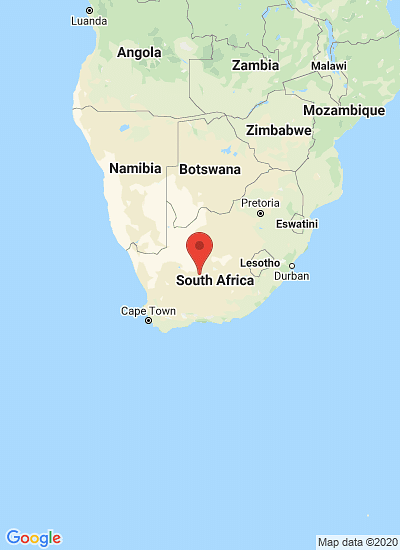

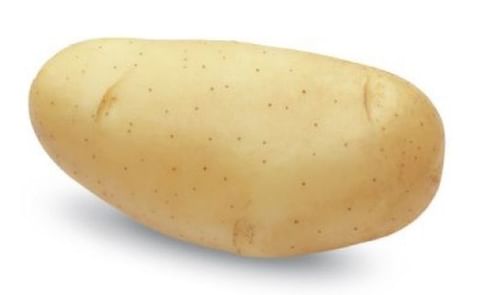
A pest-resistant strain of genetically modified potato, earmarked for possible commercial release in South Africa, will be of no use to local spud farmers, said the African Centre for Biosafety (ACB) this week. It will also increase risk to the farmer in an already volatile agricultural sector.
This statement was in response to the Agricultural Research Council’s (ARC) application for permission to release the potato commercially.
A formal objection was made by the ACB to the Department of Agriculture (DoA) this week, and includes concerns expressed by key industry players, namely Potato SA, McCain Foods Limited, McDonald’s, Spur, Simba and Fruit &Veg City. ACB director Mariam Mayet said the organisation objected to the proposed “general release” of the tuber moth resistant potato, SpuntaG2, for which the ARC was seeking permission to release under the Genetically Modified Organisms Act.
Tuber Moth resistant GM potato of no use for South Africa
Like to receive news like this by email? Join and Subscribe!
Get the latest potato industry news straight to your WhatsApp. Join the PotatoPro WhatsApp Community!
Uitgelichte Bedrijven


Gerelateerd nieuws

september 07, 2026
Calbee Potato Harvest Ceremony 2026 Highlights Stronger Hokkaido Potato Quality and Yield
Calbee Potato expects Hokkaido’s 2026 processing potato crop to reach 240,000–250,000 tons, with better quality and yields than 2025. Favorable temperatures and rainfall have boosted growth, although heavy rain remains a major harvest risk now.

september 07, 2026
Aardappeldemodag 2026 Draws Over 4,500 Visitors as Dutch Potato Sector Faces Year of Extremes
Aardappeldemodag 2026 brought over 4,500 visitors to Westmaas amid a challenging year for the Dutch potato sector. The event focused on market pressures, extreme growing conditions, knowledge sharing, machinery and innovation.

september 07, 2026
EUROPLANT en Finpom onderstrepen het voordeel van Finse pootaardappelteelt bij toenemende viruisdruk in Europa
Finpom wijst op de voordelen van Noord-Finland voor de productie van hoogwaardige pootaardappelen terwijl klimaatverandering de virusrisico's in Europa doet toenemen, en breidt zijn EUROPLANT-assortiment verder uit met LARISSA, JUVENTA, Filipa, FAVOLA en INA.