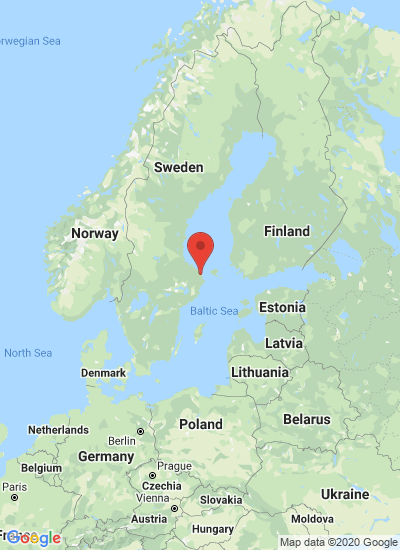

In the U.S., quick-serve operators are scrambling to figure out how they'll abide by the menu-labeling mandate requiring calorie counts be posted on menuboards. But one Swedish chain hasn't just figured out how to post non-price numeric information on the menuboard, it's doing so with a totally different count: carbon emissions.
Richard Bergfors, CEO of Max Burgers, the second-largest restaurant chain in Sweden behind McDonald's, says adding the carbon footprint to the chain's menuboard was a way for the company to be honest about its affect on the environment.
"We put it up, as clearly as you can see … so the customers now can see exactly how much the carbon footprint is on each item,"Bergfors says. "That was the idea, to make a debate amongst our customers to try to influence them to make different choices."
Carbon Footprint on the menu board at Swedish QSR chain

Like to receive news like this by email? Join and Subscribe!
Get the latest potato industry news straight to your WhatsApp. Join the PotatoPro WhatsApp Community!
Gerelateerd nieuws
juli 30, 2026
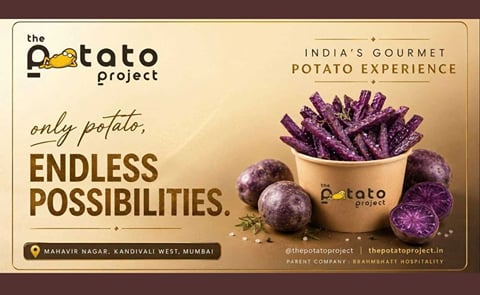
The Potato Project opens first flagship gourmet potato restaurant in Mumbai
The Potato Project will open its first flagship outlet in Mumbai on 31 July, introducing a gourmet potato-focused QSR concept. Built around white potato, purple potato and yam, the brand plans to expand across India and into international markets.

juni 17, 2026
España: un análisis agronómico sobre el futuro del campo español
El futuro del campo español depende de una transformación estructural basada en relevo generacional, tecnificación, sostenibilidad, inversión productiva, formación especializada e infraestructuras que permitan convertir al agro en un sector competitivo, innovador y rentable.

april 21, 2026
España: refuerzo al control fronterizo agroalimentario con más inspecciones físicas
El gobierno destaca que la reorganización de los controles fronterizos permitió aumentar un 7,5% las inspecciones físicas a productos agroalimentarios en un año, reforzando la vigilancia sobre importaciones y exportaciones en un contexto de mayor flujo comercial.