

Sponsor of the month(Learn more)

november 03, 2025
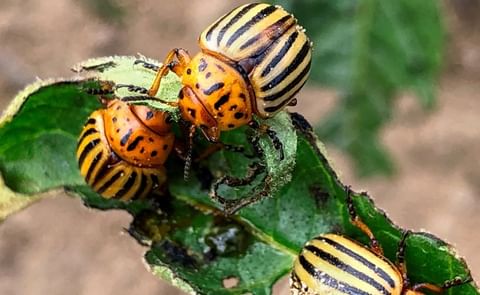
RNA-Based Bioinsecticide ‘Calantha’ Offers Sustainable Solution Against Colorado Potato Beetles
Calantha, a new RNA-based sprayable pesticide, effectively kills Colorado potato beetles while sparing beneficial insects. Most effective on small larvae, it offers a sustainable, targeted solution to combat resistant crop pests.
oktober 28, 2025
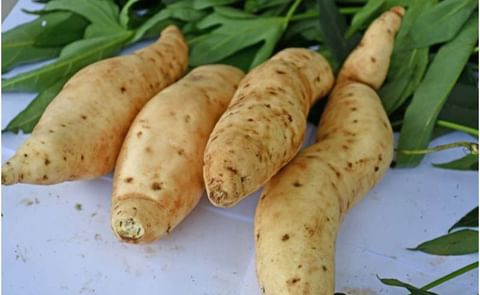
Scientists Decode Sweetpotato Genome, Unlocking Drought Tolerance, Nutrition, and Crop Resilience
Scientists have decoded the sweetpotato’s complex hexaploid genome, revealing its mixed ancestry and resilience traits. This breakthrough offers powerful tools for breeders to boost yield, nutrition, and climate resistance, securing food futures.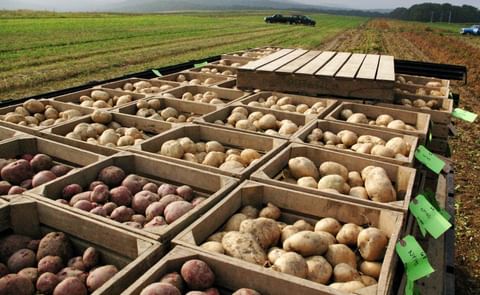
september 28, 2025
Cornell Celebrates 160 Years of Potato Breeding Research Driving Innovation and U.S. Potato Industry Growth
Cornell marks 160 years of potato breeding, creating 50+ varieties—including top U.S. chip potatoes and nematode-resistant strains. Farmer partnerships and USDA support drive innovation, boosting sustainability and the USD 100B U.S. potato industry.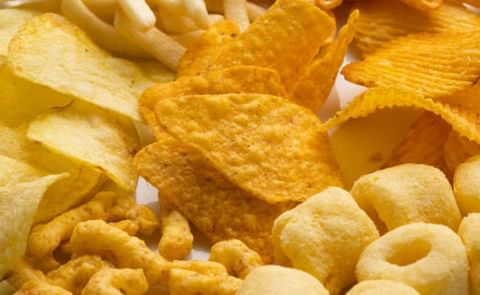
mei 19, 2025
Rising Prices and Shrinking Bags: Can Potato Snack Brands Retain Customer Trust Amid Tariff and Cost Pressures?
Tariff pressures and rising costs are reshaping consumer perceptions in the potato snack market. Brands must monitor sentiment closely, act swiftly on price-to-value concerns, and adapt strategies to protect loyalty in this highly sensitive category.
september 16, 2024
Mahany Farms Researches New Chipping Potato Varieties and Supports New Generations of Farmers
Farm life always agreed with Brian Mahany from his early days working the fields on Sundays with his family. While he may have thought about other career choices in agriculture, he said he always came back to the farm.
juli 06, 2023
PepsiCo collaborates with Stanford Institute for Human-Centered Artificial Intelligence to shape responsible AI standards
PepsiCo, Inc. announced a collaboration with the Stanford Institute for Human-Centered Artificial Intelligence, an organization dedicated to guiding and building the future of artificial intelligence. Sponsored Content
Sponsored Content
Sponsored Content
november 22, 2020
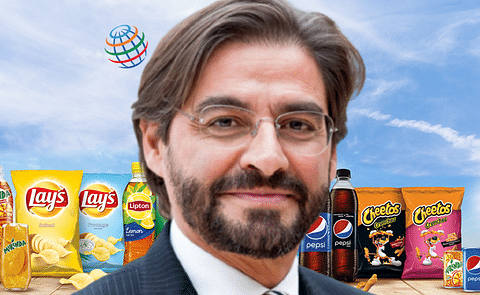
PepsiCo Appoints Chief Medical Officer to protect workers, products from COVID-19
PepsiCo, Inc. recently announced that Pietro Antonio Tataranni, MD has been named the company's global Chief Medical Officer. He will oversee the company's efforts to protect its global workforce, products, and communities in the face of the COVID-19 pandemic.
maart 04, 2019
Pepsico's 'chief innovator' Mehmood Khan retires; More leadership changes
Pepsico announced today a series of senior leadership changes. Furthermore, Rene Lammers is appointed as new Chief Science officer as Dr. Mehmood Khan, Vice Chairman and Chief Scientific Officer, Global Research and Development is retiring.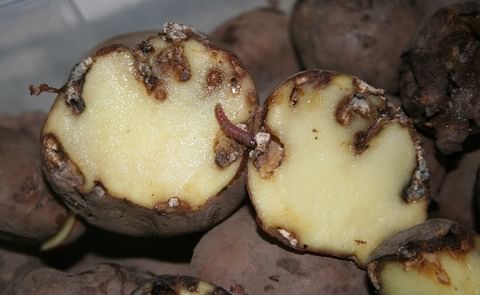
januari 13, 2018
When pests graze certain potatoes, yields double
When some Colombian potato varieties are lightly grazed by a pest, the plants respond by growing larger tubers, at times doubling their yields. Researchers see an opportunity and want to know more...From the archive
september 03, 2017
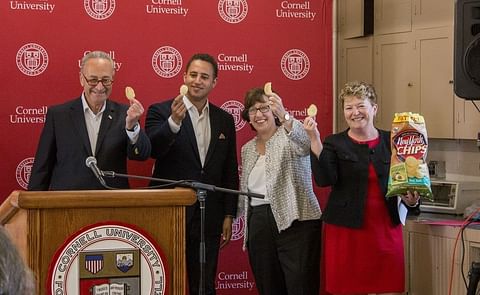
Cornell University to receive 400k for update of nematode research facilities
In a visit to the Nematode Quarantine laboratory at Cornell University last Friday, US Senate Minority Leader Chuck Schumer, announced a commitment of $400,000 from the USDA for the upgrades to the facilities and equipment.From the archive
augustus 25, 2017
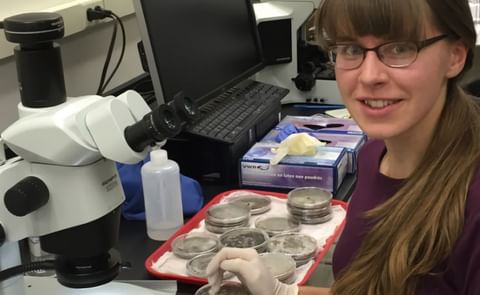
National Potato Council awards scholarship to Adrienne Gorny for nematode research
Adrienne Gorny, a fourth-year doctoral student in Plant Pathology and Plant-Microbe Biology at Cornell University, is the recipient of the 2017-2018 NPC Academic Scholarship.From the archive
november 10, 2016
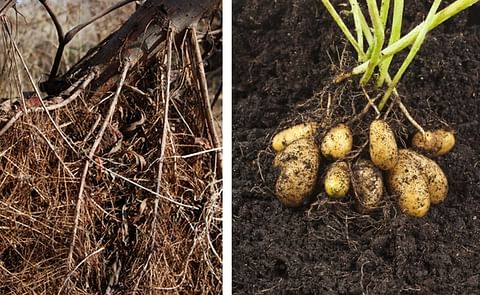
Method developed to predict root mass of willow shrubs may be helpful for potato crop as well
Scientists at Cornell University have developed an electric capacitance measurement that is able to predict the root mass of shrubs and trees. What's more, they hint it may helpful for tubers and root crops as wellFrom the archive

oktober 20, 2016
Cornell University receives state grant to upgrade Golden Nematode Lab
Cornell University receives $1.2 million of new state funding to upgrade the Federal Golden Nematode LabFrom the archive

september 02, 2016
Big Idaho Potato Truck sets sail in New York City Harbor
In New York City, the world’s largest potato on wheels traded its tires for buoys in celebration of the 2016 Idaho® Potato Harvest.From the archive

mei 10, 2015
New York Senator launches push to replace Cornell University's outdated nematode lab
U.S. Senator Charles E. Schumer has urged the U.S. Department of Agriculture (USDA) to prioritize the replacement and modernization of the Federal Nematode Quarantine Facility at Cornell University in the Agricultural Research Service’s (ARS) Capitol Investment Strategy for Fiscal Year 2016.From the archive
september 01, 2014
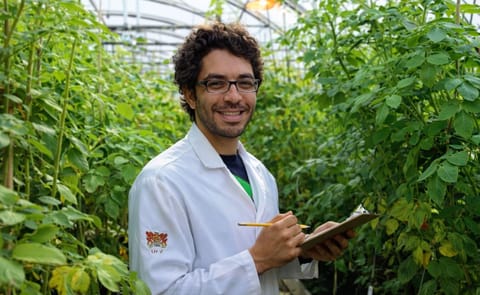
NPC Academic Scholarship awarded to Cornell Grad Luis da Silva
The National Potato Council (NPC) is pleased to award Washington Luis da Silva, a plant pathology Ph.D. student at Cornell University in Ithaca, N.Y., its 2014-15 Academic Scholarship.From the archive
januari 08, 2014
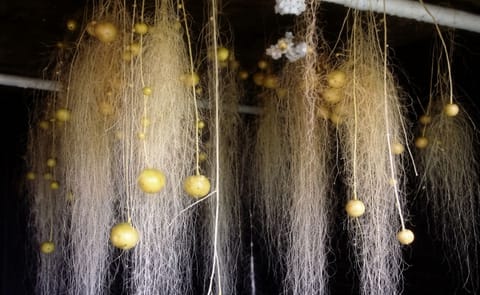
Aeroponics to boost New York State potato production
The mashed potatoes or latkes that enhance your holiday feast have taken a long path from tuber to table – in many cases, several years. A project at Cornell University could trim that time.From the archive

juni 30, 2013
Portion size & size label affect how much we eat
Portions (8, 12 or 16 ounces) are given different labels – small, medium or large – at different restaurants. Research shows consumers use such labels to dictate how much food they think is a “normal” portion, and then adjust their intake accordingly.From the archive