
Specialty Potatoes: A World of Color, Flavor and Nutrition
Specialty potatoes encompass a diverse range of cultivars that stand apart from common commercial staples like russet or white potatoes. This group includes heirloom varieties, fingerlings, colored potatoes (purple, blue, red or yellow-fleshed) and petite or uniquely shaped tubers. While over 5,000 potato varieties exist worldwide, only a small fraction are commonly cultivated, making specialty potatoes highly prized for their vibrant colors, unique textures (from waxy to mealy), distinctive flavors (nutty, buttery, sweet or earthy) and enhanced nutritional benefits.
These potatoes not only elevate the visual appeal of dishes but also offer culinary versatility and added health value, attracting chefs, home cooks, farmers market shoppers and health conscious consumers alike. Although they will not replace high-volume staple potatoes, specialty varieties help diversify markets, create premium products and boost sales in a context where per capita fresh potato consumption has plateaued or declined.
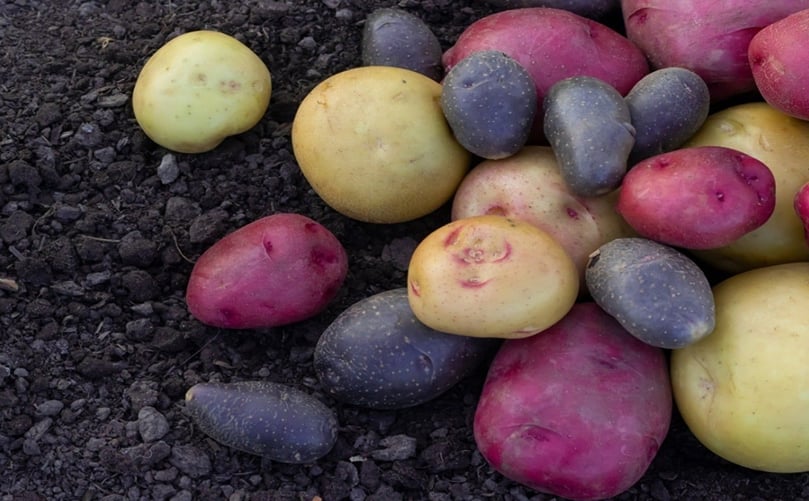
A Rainbow of Flavor: Specialty Potatoes in Every Color
What Makes a Potato “Specialty”?
Specialty potatoes are distinguished by qualities that go beyond basic sustenance, making them highly valued in culinary, nutritional and visual contexts. Their appeal lies in flavor, texture, appearance and health benefits, which together elevate them above standard commercial varieties.
Flavor and Texture: Specialty potatoes are selected for their superior eating qualities, offering a wide range of textures from creamy and buttery to firm and waxy. Their flavors are diverse and nuanced, ranging from nutty, earthy or chestnut-like to subtly sweet. These characteristics make them versatile for a variety of cooking methods from roasting and pan-frying to mashing and baking and allow chefs and home cooks to create dishes with depth and complexity.
Visual Appeal: The vibrant colors and unique shapes of specialty potatoes make them a feast for the eyes as well as the palate. Varieties with purple, blue, red or yellow flesh or long, slender fingerlings, can transform ordinary dishes into visually striking presentations. This aesthetic appeal is particularly valued in gourmet cooking, high end restaurants and food photography, where presentation is as important as taste.
Nutritional Benefits: Many specialty potatoes, especially purple or blue-fleshed varieties are naturally rich in antioxidants like anthocyanins, which have been linked to heart health and anti-inflammatory benefits. In addition, they provide essential nutrients such as vitamin C, potassium and B vitamins, supporting overall health. Compared to standard potatoes, some specialty types offer enhanced functional benefits, making them appealing to health-conscious consumers and those seeking nutrient-dense foods.
Culinary and Lifestyle Relevance: Beyond flavor, appearance and nutrition, specialty potatoes align with modern culinary trends and lifestyles. They cater to food enthusiasts, chefs and health focused consumers who value unique, high quality ingredients that can transform everyday meals into gourmet experiences.
The Extensive History of Potatoes: From Andean Origins to Global Influence
The potato (Solanum tuberosum), a member of the nightshade family, was first domesticated from wild plants in the high Andes, near present-day Peru and Bolivia, over 7,000–8,000 years ago. Archaeological evidence indicates cultivation as early as 5,000–8,000 B.C. Andean farmers, including the Incas, developed thousands of varieties adapted to extreme microclimates, ranging from high altitude plains to diverse soils. They employed selective breeding to enhance resilience against frost, drought and pests and innovated preservation methods such as freeze drying to produce chuno a long-lasting dehydrated potato that sustained communities during harsh conditions and even functioned as a form of currency.
Spanish conquistadors encountered the potato in 1536 and introduced it to Europe around 1570, initially as a botanical curiosity rather than a staple food. Early Europeans were cautious due to its relation to toxic nightshade plants; it was first grown mainly as animal fodder or consumed by the elite. By the 18th century, however, its high yield up to four times that of grain crops per hectare and efficient water use transformed it into a staple across Europe, fueling population growth and urbanization. Over-reliance on a limited number of varieties eventually caused tragedies such as the Irish Potato Famine (1845–1849), when late blight (Phytophthora infestans) destroyed crops, resulting in over a million deaths and mass emigration from Ireland and Europe.
From Europe, potatoes spread globally through trade and colonial expansion. They reached India in the 17th century, becoming essential in dishes like aloo gobi; East Asia, influencing Korean gamja tang and Chinese stir-fries and Africa and the Middle East, contributing to dishes like Kenyan irio and Lebanese batata harra. Introduced to North America via British colonies, potatoes became a key crop in all 50 U.S. states by the 19th century.
Today, potatoes are the world fourth most consumed food crop after rice. wheat and Maize offering more caloric energy per acre than maize, rice or soybeans, while requiring less water than wheat. China, the largest producer since 2015, accounts for approximately 22% of global output and promotes potatoes as a staple for food security. Specialty varieties, particularly yellow fleshed types are gaining popularity worldwide, driven by breeding programs and rising consumer demand for diversity, flavor and visual appeal.
Diverse Specialty Potato Varieties: Characteristics, Culinary Uses and Unique Features
Specialty potatoes are classified by starch content (starchy/mealy for fluffy textures, waxy for firm hold, all-purpose for versatility), color (due to pigments like anthocyanins or carotenoids), shape (round, oblong, fingerling) and heritage (heirloom vs. hybrids). Starchy types break down easily for mashing or baking; waxy hold shape in salads or boiling; all-purpose adapt to multiple methods. Over 200 varieties have been tested in places like Washington State, with many outperforming staples like 'Russet Burbank' in yield. The below expands on key varieties, incorporating textures, flavors and origins.
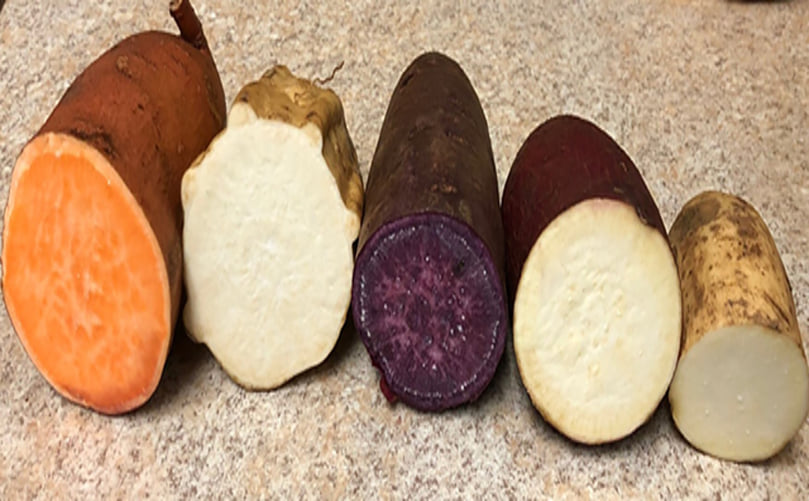
Vibrant Palette of Specialty Potatoes
Purple and Blue Varieties:Purple Majesty is a purple, waxy variety with dark purple skin and flesh, a firm texture, low starch content and a nutty flavor. It is best used for roasting, frying, grilling and salads. This North Dakota hybrid is rich in anthocyanins, providing up to four times the antioxidants of standard potatoes, though it has a relatively short shelf life. All Blue, another purple waxy variety, has bright blue purple skin and flesh with a lighter ring and an oblong shape. This heirloom potato retains its creamy, earthy flavor when sauteed, steamed, mashed or roasted with herbs and is valued for its high anthocyanin content, being over a hundred years old and historically used as a plot marker.
Vitelotte, an ancient Peruvian heirloom, has dark violet skin with speckled purple flesh and a fingerling shape. Its chestnut-like flavor makes it ideal for soups, purees, fries and chips and it maintains its color when cooked. Adirondack Blue, a bright purple waxy potato developed by Cornell University, has firm geode-like flesh and is best for steaming or salads. Its high anthocyanin content contributes to antioxidant potential, though it has a shorter storage life.
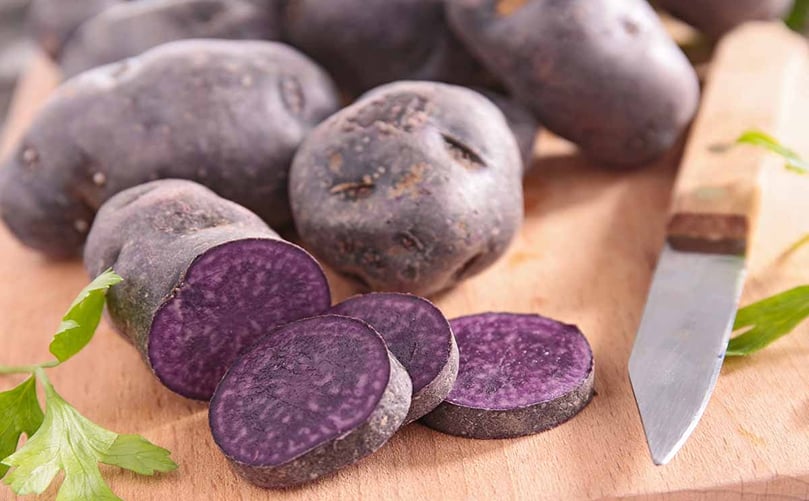
Purple Majesty: The Royal Potato of the Culinary World
Purple All-Purpose and High-Carotenoid Varieties: Peter Wilcox, a purple all-purpose variety, combines purple skin with yellow flesh and is high in carotenoids and vitamin C. It has subtle earthy and hazelnut notes and performs well in roasting, stewing or home fries. Its nutritional profile supports eye health, with significantly more carotenoids than standard yellow potatoes. Purple Viking features purple skin with red stripes and an oblong shape, offering high yield potential and commercial suitability.
Red and Pink Varieties: Red Bliss has deep red skin and creamy white flesh, making it ideal for boiling, salads and soups. It retains shape when cooked and has a slightly sweet taste when roasted. Kerr Pink, a pink all-purpose potato with rosy skin, pink eyes and creamy flesh, has been popular in Ireland since the 1910s and is suitable for boiling, mashing, roasting or making chips. Red Thumb is a small red fingerling with ruby skin, pink-white marbled flesh and a sweet, low-starch profile.
It is excellent for roasting, braising or salads and is sweeter than most fingerling varieties. Desire, a red waxy variety with yellow flesh, is firm and retains its shape when boiled or used in salads. It is a European heirloom known for high A-size yield. Red Gold, with red skin and yellow flesh, has a low solids content and waxy texture, making it suitable for fresh market sales, while Rose Gold has pink skin, yellow flesh and is primarily used for roasting or boiling, appreciated for its heirloom flavor.
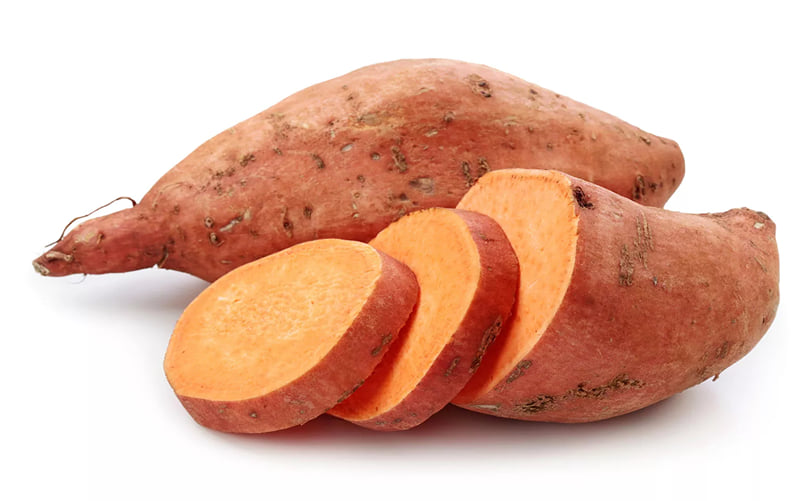
Delicate Pink Potatoes: Colorful and Nutritious
Yellow Varieties: Yukon Gold, the famous yellow all-purpose potato developed in Canada during the 1960s, has golden skin and buttery yellow flesh with a creamy texture. It is highly versatile, suitable for roasting, mashing, frying or boiling, and is notable for its natural buttery flavor and high A-size tubers. Yukon Gem, a yellow waxy potato, has dense flesh with twice the vitamin C of common baking potatoes. It performs well when roasted or prepared as Hasselback and has a nutty flavor and high potassium content. German Butterball has pale yellow skin, golden flesh and a rich buttery taste. It is ideal for steaming, baking, frying or mashing and reaches peak quality in late spring.
Yellow Finn, a yellow starchy variety with deep yellow flesh, flattened shape and deep eyes, is best for baking or frying and is preferred in smaller sizes for its mealy texture. Michigold, another yellow starchy potato, has high solids content and is suitable for baking or french fries, with high A-size tubers that offer chip potential. Donna, a yellow waxy potato with buff skin is commercially productive and good for boiling or salads. Delta Gold, a yellow all-purpose potato is versatile with buff to yellow skin. Saginaw Gold, also yellow and all-purpose is particularly suitable for chips and has potential for colored processed products.
Fingerling Varieties: Iditared, a red/pink waxy variety with yellow flesh, performs well for roasting and boiling and is high yielding. Brigus is a purple waxy potato with yellow flesh, notable for its unique color combination, and is best for salads or steaming. Russian Banana, a yellow waxy fingerling, has khaki skin and crescent shaped yellow flesh with nutty, fluffy notes. It retains shape excellently during boiling, grilling, roasting or steaming with butter and herbs and is a Russian heirloom with tender skin. French Fingerling, a pink waxy fingerling with rose-pink skin and marbled white-pink flesh, has a knobby shape and buttery, sweet, nutty flavor, suitable for boiling, roasting, soups or salads and classic French preparations.
La Ratte, another yellow waxy fingerling, has a bumpy exterior, yellow interior and hazelnut flavor, best used for purees or roasting, though it has short storage life. Papa Cacho is a firm, long finger-like waxy variety that holds shape well in soups or when parboiled and roasted. Banana, a small yellow waxy fingerling, is suitable for roasting or salads and is noted for high yield. Ruby Crescent, a red waxy fingerling, has a crescent shape and is ideal for pan-frying or salads, appreciated for its small premium size.
Heirloom and Early Varieties: Early Rose, a pink all-purpose heirloom, has pinkish-red skin, white flesh and early maturity. It is suitable for baking, boiling or salads and is scab resistant, dating back to the 1850s in the U.S. Irish Cobbler, a white all-purpose heirloom, has shallow eyes and white flesh is early maturing, fluffy and performs well for boiling, frying or baking but is sensitive to alkaline soils. Garnet Chile, a red waxy heirloom, has long, slender reddish skin and white flesh, suitable for salads or roasting. It is heat-tolerant and traces its origin to ancient Andean varieties introduced to the U.S. in the 1870s. New Potatoes refer to any immature potato harvested early, with tender skin, sweet delicate flesh and waxy-like texture, best used immediately for boiling, steaming or roasting.
Comprehensive Cultivation Practices: From Soil Preparation to Harvest and Storage
Specialty potatoes require similar management to standard varieties but with extra care to preserve unique traits such as color, size and flavor.
Soil and Site Requirements: Specialty potatoes thrive in loose, well-drained sandy loams or loamy sands to prevent tuber rot heavy clay soils should be avoided. Soil pH should be slightly acidic, ideally between 5.0 and 5.5, though 4.8–6.5 is acceptable. Annual soil testing is recommended, with amendments such as sulfur to increase acidity or reduce scab incidence in neutral soils. Incorporating organic matter, like compost or well rotted manure, enhances fertility and soil structure. Full sun exposure of 6–8 hours per day is essential. Seed pieces should be spaced 9–12 inches apart in rows 2–3 feet wide; wider spacing may reduce yield but is suitable for small, high value varieties such as 'Yellow Finn'.
Planting and Care Techniques: Use certified disease-free seed potatoes, either whole or cut into 1.5–2.5 oz pieces containing 1–2 eyes, allowed to callus for 1–2 days before planting. Plant when soil temperatures reach 7–21°C, usually post-last frost, at a depth of 3–4 inches (deeper in drier regions). Certified seed ensures minimal disease risk, with inspections for conditions like ring rot. Sources include reputable suppliers such as Ronninger’s Seed Potatoes or the Scatterseed Project.
Hilling is important for tuber development and to prevent greening. When plants reach 6–12 inches, mound 2–3 inches of soil around the stems, repeating every 2–3 weeks as necessary, particularly for high-setting varieties like 'Yukon Gold'.
Consistent moisture is critical: aim for 1–2 inches per week, totaling 18–30 inches during the season, especially during tuber initiation. Shallow roots make potatoes sensitive to drought, so supplemental irrigation can significantly improve yields. Fertilization should start with a balanced N-P-K at planting (e.g., 5-10-10) and include a mid-season potassium side-dress. Avoid excess nitrogen to prevent excessive vegetative growth at the expense of tuber development. Regular cultivation helps control weeds and rotating potatoes every 3 years reduces disease pressure.
Pests, Diseases and Management: Key pests include Colorado potato beetles, which can be managed by hand picking or using row covers. Major diseases include late blight, blackleg, ring rot, various viruses and scab. Effective strategies include planting certified seed, maintaining sanitation, using resistant cultivars (e.g., 'Kennebec' for fingerlings) and ensuring proper fertility and irrigation. Late blight can destroy up to 30% of potato crops in regions with low genetic diversity, highlighting the importance of resistant varieties and crop rotation.
Harvest and Storage: For new potatoes, harvest when vines are still green for immediate consumption. For storage, harvest when foliage yellows and tubers reach the desired size, with skins set to resist bruising. Specialty potato yields typically range from 5–10 lbs per plant, with some varieties surpassing 'Russet Burbank' in productivity. After harvest, cure tubers for 1–2 weeks in a dark, humid environment to toughen skins. Store at 4–10°C with 90% humidity in ventilated, dark conditions to prevent greening. Colored and specialty varieties generally have shorter shelf lives compared to standard types.
For small-scale growers, specialty potatoes are well-suited to diverse marketing channels such as farmers’ markets, farm to table programs and niche culinary markets, offering higher returns for their unique colors, flavors and textures.
Culinary Versatility: Applications and Recipes
Specialty potatoes bring unique textures, flavors and colors to the kitchen, elevating both traditional and modern dishes. Their culinary applications depend on starch content and firmness: waxy potatoes (such as red varieties and fingerlings) hold their shape during boiling, roasting or in salads; starchy types (often yellow-fleshed) produce fluffy mashed potatoes, purees and fries; all-purpose potatoes are versatile, suitable for gratins, baking or multi-method dishes. Many colored varieties retain their vibrant pigments during cooking for example, All Blue stays vividly purple even after boiling, adding visual appeal to dishes.
Roasting: Roasting brings out natural sweetness and enhances texture. Fingerlings like Russian Banana or French Fingerling can be tossed with olive oil, fresh herbs such as rosemary or thyme and garlic. Roast at 200°C for 20–30 minutes until the exterior is crisp and the interior creamy. Red and yellow waxy potatoes also roast well, developing a caramelized flavor without falling apart. For color contrast, combine purple and yellow potatoes in a single tray.
Salads: Waxy varieties excel in salads due to their ability to hold shape. Boiled Red Bliss or Purple Majesty can be dressed with vinaigrette, mustard or herb-based sauces. Fingerlings like French Fingerling or Russian Banana pair beautifully with leafy greens like kale or spinach for winter salads. Adding roasted or blanched potatoes with contrasting colors creates visually striking salads suitable for gourmet presentations.
Mashing and Purees: Starchy varieties such as Yukon Gold produce naturally buttery, creamy mashed potatoes without excess butter or cream. For colorful purees, use Vitelotte or All Blue; these potatoes can be blended into soups or served as side dishes, adding an appealing visual element to the plate. Combining yellow and purple potatoes in mashes can create layered color effects for festive meals.
Soups and Stews: Dense waxy potatoes like Papa Cacho or Peter Wilcox hold their shape in soups, stews and braised dishes. Dice them into chicken, beef or vegetable soups to add texture, flavor and visual contrast. Their firm flesh prevents them from disintegrating during long cooking times, unlike starchy potatoes which can turn mushy.
Frying and Chips: Certain yellow varieties like Saginaw Gold are ideal for fries due to their medium starch content, producing crispy exteriors and fluffy interiors. Purple or blue varieties can be sliced for visually striking chips, either baked or fried, providing a unique presentation for modern cuisine.
Baking: All-purpose and waxy varieties, such as Yukon Gem or Red Bliss, are excellent for baking. Slice Yukon Gem Hasselback-style, brush with butter or olive oil and roast until crisp on the edges while retaining creamy interiors. Colored potatoes add dramatic visual appeal when baked in mixed trays.
Grilling: Specialty potatoes, particularly purple and fingerling types are excellent for grilling. Halved or sliced, they can be tossed with oil and herbs, producing smoky flavors and vibrant color that enhance barbecue spreads or grilled platters.
New and Baby Potatoes: New potatoes, harvested immature with tender skins and delicate flavor are ideal for steaming or boiling. Restaurants often use small, colorful new potatoes for plated sides or gourmet dishes. Combining multiple colors purple, red, yellow and pink in a single dish creates visual drama and an appealing contrast of textures.
Creative Culinary Uses: Specialty potatoes also lend themselves to experimentation in modern cuisine layered gratins with alternating colors, rainbow roasted trays, colorful mashed potato towers and specialty chips for gourmet appetizers. Chefs can pair these visually striking tubers with contrasting sauces, herbs or proteins to maximize both aesthetic and nutritional appeal.
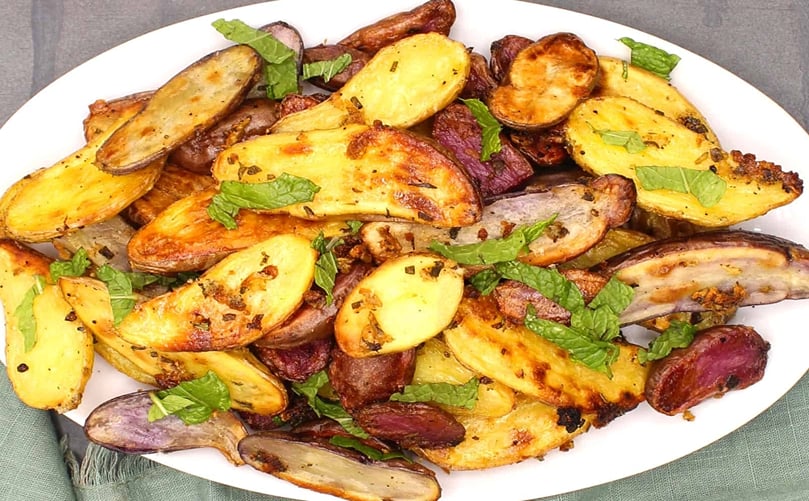
Herb-Roasted Fingerlings: Crispy, Golden and Flavorful
Nutritional Benefits: A Powerhouse of Vitamins, Minerals and Antioxidants
Potatoes are composed of approximately 80% water, with the remaining solids largely determining their texture high solids for mealy varieties and low solids for waxy types. A medium potato (around 150 g) provides roughly 110 calories, 26 g of carbohydrates, 3 g of protein and 3 g of dietary fiber. Potatoes are also rich sources of vitamin C, vitamin B6, potassium (Approximately 620 mg, higher than bananas), magnesium and phosphorus.
Specialty potatoes further enhance these benefits due to unique pigments and compounds:
Colored Potatoes: Purple and blue varieties, such as All Blue or Purple Majesty are rich in anthocyanins, powerful antioxidants that help combat inflammation, support cardiovascular health, reduce cancer risk and stabilize blood sugar. Research indicates these pigments also possess anti-diabetic, antimicrobial and anti-inflammatory properties. Colored potatoes maintain their nutritional properties even when boiled or steamed.
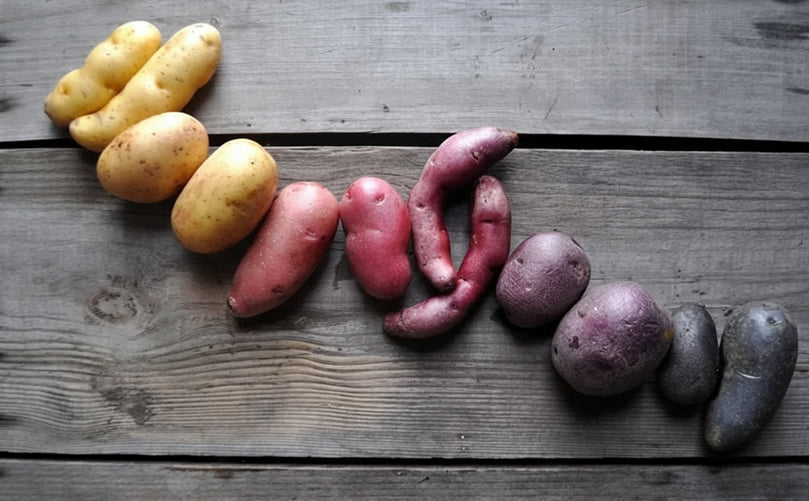
A Rainbow of Fingerlings: Purple, Red and Yellow Varieties
Yellow and Gold Potatoes: Yellow and gold-fleshed varieties contain carotenoids, precursors of vitamin A, which support eye health, immunity and antioxidant defenses. Darker yellow varieties generally have higher carotenoid content. Varieties like Yukon Gem provide twice the vitamin C of standard baking potatoes, along with high potassium levels.
General Health Benefits
Potatoes, particularly when cooled after cooking, develop resistant starch, which lowers the glycemic index and promotes gut health by feeding beneficial microbiota. Polyphenols in potatoes provide cardiovascular support, while their protein content is nearly twice that of wheat per calorie. Cooking methods matter: boiling, steaming or roasting preserve most nutrients, whereas deep frying may introduce acrylamide.
Nutrient Variability and Promotion
Nutrient levels vary depending on variety, maturity and storage conditions. Specialty potatoes offer opportunities for health-conscious marketing, with labeling emphasizing high antioxidants, carotenoids, potassium and resistant starch content. This can enhance consumer awareness and encourage adoption of these nutritious, visually appealing varieties.
Sustainability, Genetic Diversity and Market Considerations
Potatoes are inherently sustainable crops due to their high yields and relatively low water requirements compared with cereals like wheat or maize. However, the clonal nature of tuber propagation limits genetic diversity, making many cultivated varieties vulnerable to pests, diseases such as late blight and climate stresses including rising temperatures and soil salinization currently, about 2,000 hectares of agricultural land are degraded daily due to salinity.
Genetic Diversity and Conservation
Globally, over 5,000 potato varieties exist, yet only a small fraction are commercially cultivated. In the Andes, regions like Cusco preserve approximately 1,300 resilient landraces adapted to extreme microclimates. Conservation efforts are reinforced by global initiatives such as the International Potato Center (CIP) gene bank, which maintains around 4,600 potato accessions and the Svalbard Global Seed Vault, safeguarding potato genetic resources for future breeding.
Modern breeding programs leverage these resources to develop salt- and drought tolerant varieties, such as those from the Salty Potato Farm in the Netherlands, commercially available since 2020 and experimental desert-adapted lines aimed at potential space agriculture. The sequencing of the potato genome in 2022 further accelerates breeding for resilience, yield and nutritional quality.
Market Considerations
Specialty potatoes support stable or growing consumption through fresh markets, restaurants, and niche processing products such as colored fries or chips. Market demand is largely influenced by quality traits—color, size, uniformity, and absence of defects. Effective strategies include:
- Promotions and labeling: Highlighting red, blue, or multicolor packs.
- Small-scale launches: To test market response and avoid overproduction.
- Export potential: Specialty potatoes can reach international markets once local demand is established.
Specialty potatoes also embody cultural heritage and culinary innovation, linking nutrition, aesthetics, and sustainable farming practices. Gardeners, chefs, and consumers are invited to explore their diversity. For sourcing seeds or expert advice, consult agricultural extensions, the Potato Association of America (PAA), or heirloom seed catalogs.