
Potato cultivators in north Dinajpur district are facing a crisis to preserve their crops due to absence of adequate number of cold storages in the district. Having found no space to preserve they are being compelled to sell their crops in the market at lower prices. A section of big merchants are availing this oppotunity. After purchasing the crops from farmers they are allegedly preserving potatoes in some cold storages in Bihar.
It was reported that two cold storages out of total four in the districts remained closed for years. Now only two cold storages one at Srekrishnapur in Islampur and another at Panishal village in Raiganj are functional. Thousands of potato farmers this year failed to preserve their crops in cold storages. So altercations between farmers and cold storage authorities are happening on a regular basis. In order to prevent any untoward incident adequate number of police have been deployed on the premises of the cold storages.
Potato farmers in North Dinajpur face cold storage unit crisis
Like to receive news like this by email? Join and Subscribe!
Get the latest potato industry news straight to your WhatsApp. Join the PotatoPro WhatsApp Community!
相关新闻

八月 07, 2026
粮农组织食品价格指数7月小幅上扬,作物价格走强推升指数
联合国粮农组织食品价格指数*2026年7月平均为131.1点,较6月上涨0.7点(0.6%)。谷物、食糖和植物油价格指数上涨对总体指数的影响部分被肉类与乳制品价格的下跌所抵消。与上年同期相比,本月食品价格指数上涨了1.3点(1.0%),但仍比2022年3月的历史峰值低29.1点(18.2%)。 
八月 07, 2026
粮农组织食品价格指数8月全面上涨,食糖领涨
联合国粮农组织食品价格指数*2026年7月平均为131.1点,较6月上涨0.7点(0.6%)。谷物、食糖和植物油价格指数上涨对总体指数的影响部分被肉类与乳制品价格的下跌所抵消。与上年同期相比,本月食品价格指数上涨了1.3点(1.0%),但仍比2022年3月的历史峰值低29.1点(18.2%)。 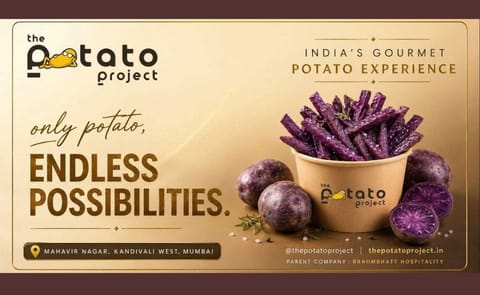
七月 30, 2026
The Potato Project opens first flagship gourmet potato restaurant in Mumbai
The Potato Project will open its first flagship outlet in Mumbai on 31 July, introducing a gourmet potato-focused QSR concept. Built around white potato, purple potato and yam, the brand plans to expand across India and into international markets.