
New Zealand scientists have reported that heavily processed foods with a high glycaemic index (GI) could be addictive in a similar way to drugs.
Simon Thornley, from the Auckland Regional Public Health Service, noted that foods with a high GI caused blood-sugar levels to escalate suddenly, with the resultant sugar rush stimulating the same areas of the brain associated with addiction to drugs such as nicotine. Low-GI foods, on the other hand, provide a more steady release of sugar.
He believes that high sugar and fat products are often consumed because they are addictive. “The key component of those foods which may predict their addictive potential is glycaemic index or how fast you get a sugary hit,” he told ABC radio. “We’ve looked at some of the issues around automaticity or the sort of automatic nature of eating. The food environment seems to determine people’s ability to eat. If sugary foods are around, not surprisingly, they seem to be eaten more frequently.”
Mr Thornley did admit that much more research needed to be completed before a conclusion could be reached, with extensive studies comparing food withdrawal symptoms to nicotine withdrawal symptoms to be carried out.
Could high GI foods be addictive?

Like to receive news like this by email? Join and Subscribe!
Get the latest potato industry news straight to your WhatsApp. Join the PotatoPro WhatsApp Community!
相关新闻
九月 07, 2026
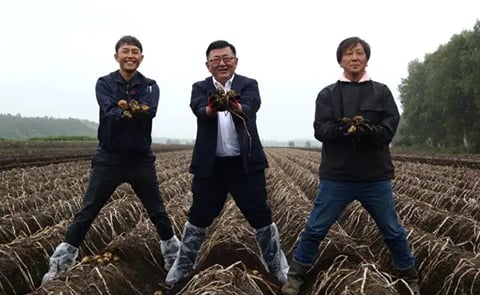
Calbee Potato Harvest Ceremony 2026 Highlights Stronger Hokkaido Potato Quality and Yield
Calbee Potato expects Hokkaido’s 2026 processing potato crop to reach 240,000–250,000 tons, with better quality and yields than 2025. Favorable temperatures and rainfall have boosted growth, although heavy rain remains a major harvest risk now.

九月 07, 2026
Aardappeldemodag 2026 Draws Over 4,500 Visitors as Dutch Potato Sector Faces Year of Extremes
Aardappeldemodag 2026 brought over 4,500 visitors to Westmaas amid a challenging year for the Dutch potato sector. The event focused on market pressures, extreme growing conditions, knowledge sharing, machinery and innovation.

九月 07, 2026
EUROPLANT与Finpom强调芬兰种薯优势,应对欧洲日益加剧的病毒压力
Finpom强调芬兰北部在高等级种薯生产方面的优势,因为气候变化提高了欧洲的病毒风险,同时通过LARISSA、JUVENTA、Filipa、FAVOLA和INA扩展了其EUROPLANT产品组合。