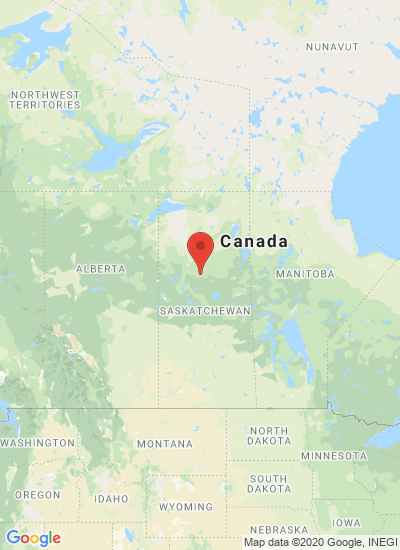

The rising Assiniboine River is expected to take out significant potato acreage around Portage la Prairie, but one industry official said the overall effect on Manitoba's crop would be minimal.
Brian Wilson, a potato specialist with Manitoba Agriculture, Food and Rural Initiatives at Carman, said there would obviously be some producers who would be affected, but said there were no supply concerns at the moment.
"Some acres in Manitoba will be affected, if producers own land in river flats or right along the river, but even if those producers can't plant potatoes, and they still likely will, they could still look to other crops,"Wilson said.
Manitoba grew a total of 71,000 acres of potatoes last year, with an average yield of 31.38 tons per hectare, according to Statistics Canada.
Larry McIntosh, CEO of grower-owned vegetable distributor Peak of the Market in Winnipeg, said from what he had seen, there would be a negligible impact on overall potato production in the province with the flood.
Acreage was expected to be about the same as what was seen last year, he said.
Manitoba's potato crop seen surviving flood

Like to receive news like this by email? Join and Subscribe!
Get the latest potato industry news straight to your WhatsApp. Join the PotatoPro WhatsApp Community!
相关新闻
十月 11, 2026
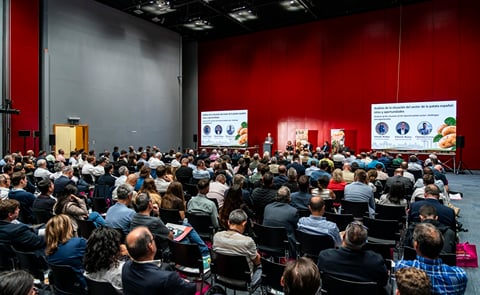
马德里国际马铃薯研讨会聚焦欧洲马铃薯产业的关键挑战与机遇
马德里首届国际马铃薯研讨会汇聚250位专业人士,围绕生产、贸易、植物健康、创新和可持续发展等关键挑战与机遇展开讨论,推动欧洲层面加强合作。
九月 07, 2026
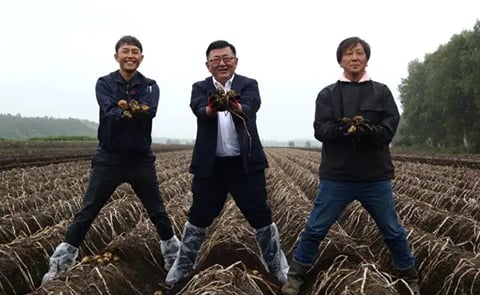
Calbee Potato Harvest Ceremony 2026 Highlights Stronger Hokkaido Potato Quality and Yield
Calbee Potato expects Hokkaido’s 2026 processing potato crop to reach 240,000–250,000 tons, with better quality and yields than 2025. Favorable temperatures and rainfall have boosted growth, although heavy rain remains a major harvest risk now.

九月 07, 2026
Aardappeldemodag 2026 Draws Over 4,500 Visitors as Dutch Potato Sector Faces Year of Extremes
Aardappeldemodag 2026 brought over 4,500 visitors to Westmaas amid a challenging year for the Dutch potato sector. The event focused on market pressures, extreme growing conditions, knowledge sharing, machinery and innovation.