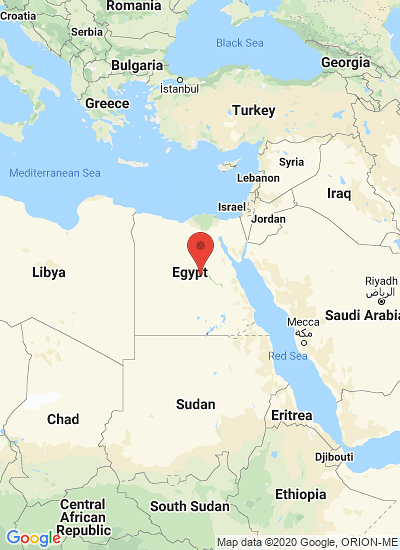

EFC Plants provides G0 mini-tubers, plant health diagnostics and technical support for seed potato multiplication programmes in Egypt and more than 15 international markets, including Uzbekistan and Turkey.
EFC Plants expands integrated seed potato platform with G0 mini-tuber production and molecular diagnostics
As seed potato supply chains face increasing pressure from plant health risks, climate variability and the high cost of imported planting material, access to clean, reliable early-generation seed has become more important than ever. From its base in Egypt, EFC Plants is building an integrated seed potato platform designed to address that need—combining plant tissue culture, G0 mini-tuber production, molecular diagnostics and practical field support.
Integrated early-generation seed production
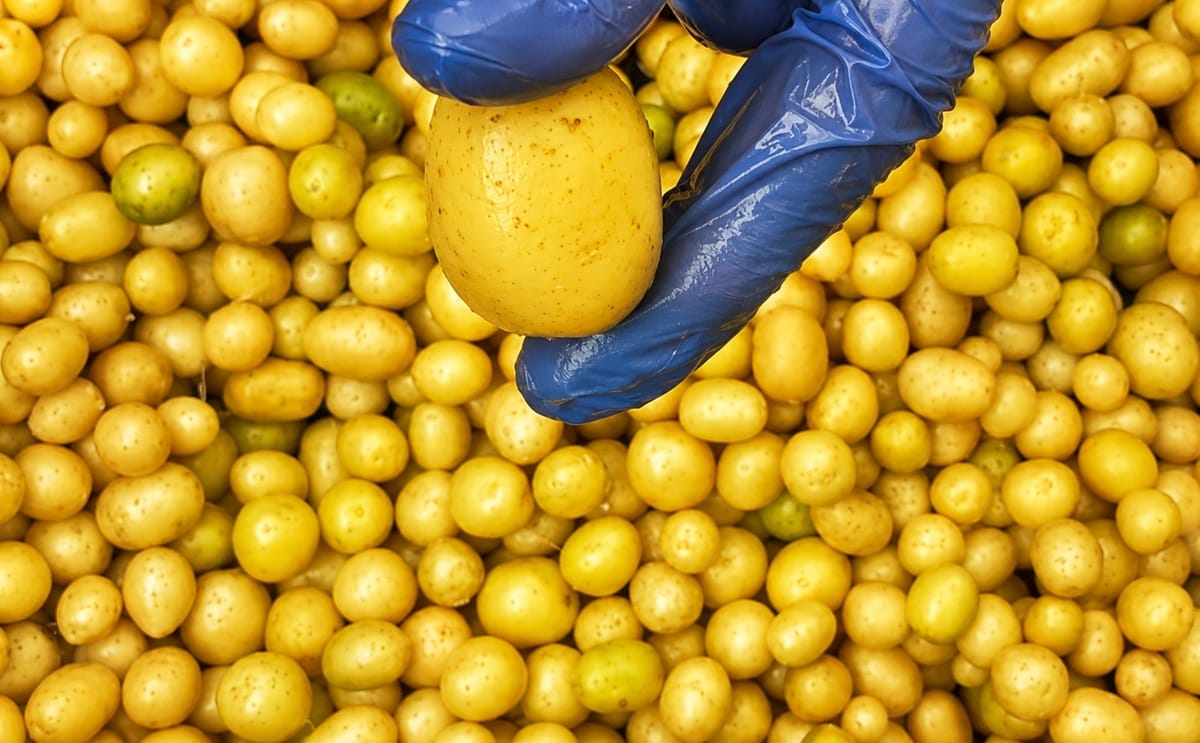
EFC Plants produces potato G0 mini-tubers from carefully maintained in-vitro plant material. These mini-tubers form the starting point for subsequent field generations and enable seed producers to establish multiplication programmes using young, uniform and traceable planting material.
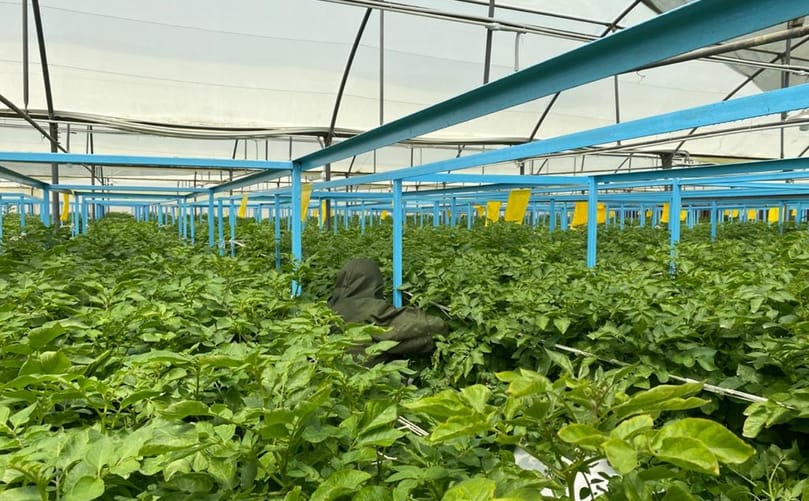
EFC Minituber Production
Rather than operating only as a laboratory supplier, EFC Plants connects tissue culture propagation, acclimatization, mini-tuber production, plant health testing and technical guidance for field multiplication. This integrated model helps reduce the gaps that can occur when laboratory production, diagnostics and field operations are handled separately.
EFC Plants has developed into Egypt’s largest producer of potato mini-tubers. The company is also the Egyptian supplier in PepsiCo’s local seed potato programme, reflecting its ability to work within demanding commercial quality systems.
Aeroponics, peat-based production and molecular diagnostics
EFC Plants uses both aeroponic and peat-based production systems for potato mini-tubers. Each method offers particular advantages, and using both gives the company flexibility when responding to different varieties, production targets and customer requirements.
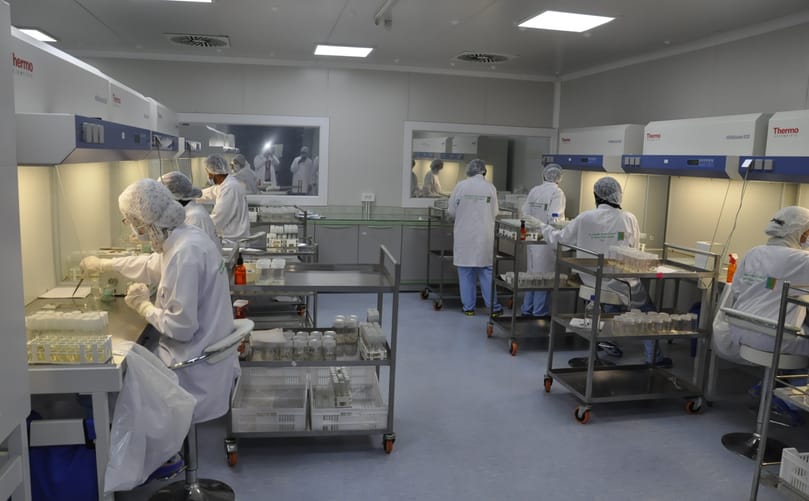
EFC Plant potato multiplication lab
Aeroponic production allows close control of nutrition and the root-zone environment while supporting efficient multiplication and repeated harvesting under protected conditions. Peat-based production provides a robust and adaptable alternative that is well suited to selected varieties and production plans. Together, the two systems allow EFC Plants to balance multiplication efficiency, tuber size profiles and operational resilience.
Plant health management is supported by EFC Plants’ ISO/IEC 17025-accredited plant pathology and molecular diagnostics laboratory. Its RT-PCR testing capabilities include major potato viruses such as PVY, PVX, PLRV and PVS, as well as bacterial pathogens including Pectobacterium and Dickeya species.
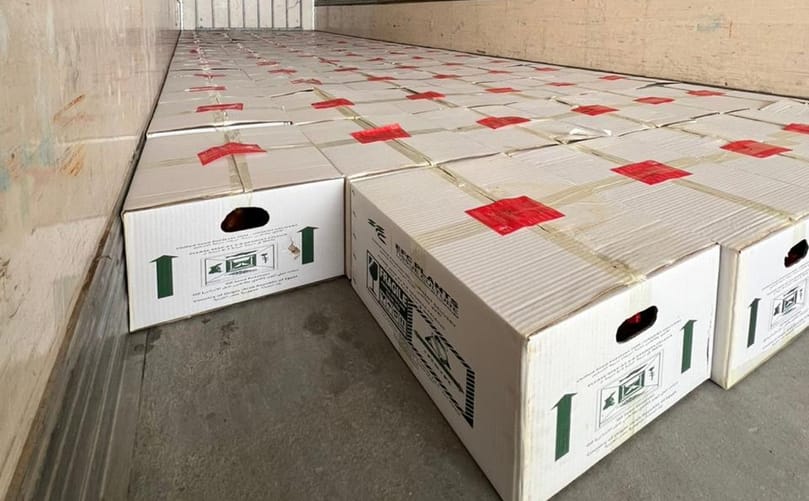
Minituber shipping to Libya
Integrating diagnostics with production supports decisions throughout the process—from in-vitro material and greenhouse production to field samples. This is particularly important in warm-climate and emerging seed-production regions, where disease pressure, insect vectors and differences in field practices can quickly affect seed quality.
International partnerships and local multiplication
Beyond Egypt, EFC Plants has supplied products and technical expertise to more than 15 countries. Its seed potato activities have included commercial supply and local multiplication projects in markets such as Libya, Uzbekistan, Iraq and Turkey.
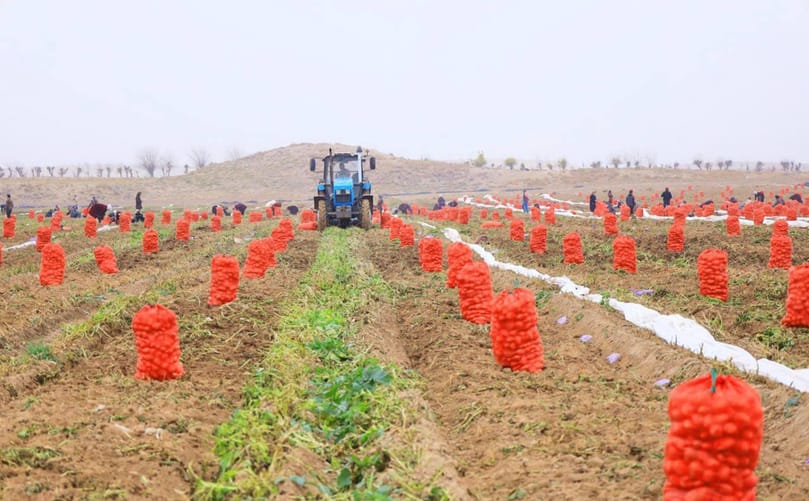
Generation 1 harvest in Uzbekistan
Each programme is adapted to local conditions. Variety, planting date, irrigation, isolation, pest pressure, machinery, storage and the technical capacity of the local team all influence its design. EFC Plants therefore works with partners to evaluate the production chain before multiplication begins.
For customers developing local seed programmes, support can include production planning, site evaluation, planting density, crop monitoring, roguing, harvest management and storage recommendations. The model begins with G0 mini-tubers and can continue through technical supervision of the first and second field generations.
The company is also a founding partner of the Arab Alliance for Seed Production, an initiative created to expand modern seed potato production capacity in Egypt. Through such partnerships, EFC Plants aims to connect scientific capability with the scale required by commercial growers and processors.
Recognition at the Agricultural Research Center Exhibition
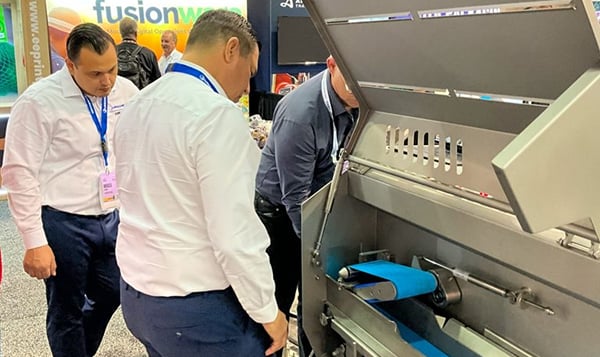
EFC Plants recently concluded a successful participation in the second Agricultural Research Center Exhibition, held from July 20 to 22, 2026, in Giza, Egypt. The company presented its work in plant tissue culture, G0 potato mini-tubers and plant health diagnostics, while welcoming growers, clients, researchers, scientists and other agricultural-sector representatives to its booth.
EFC Plants was honored by the exhibition management in recognition of its participation and contribution to agricultural innovation. During the event, Eng. Mohamed Salem, Chairman of EFC Plants, was also honored by H.E. Alaa Farouk, Egypt’s Minister of Agriculture and Land Reclamation, in recognition of his longstanding efforts to support the development of Egypt’s agricultural sector.
Building reliable regional seed systems
Many countries in the Middle East, Africa and Central Asia remain heavily dependent on imported seed potatoes. Imported seed will continue to play an important role, particularly for access to protected varieties and high-quality starting material. However, well-managed local multiplication can complement imports, shorten supply chains and improve seed availability for local planting windows.
Anas Salem, CEO of EFC Plants:
"Our role does not end when the mini-tubers leave our facility. We want to help our partners establish reliable seed potato programmes - from clean starting material and molecular testing to field multiplication and storage. The real measure of success is consistent performance across generations."
EFC Plants plans to expand its production capabilities, international partnerships and technical services as demand for dependable, locally available seed grows. Its objective is to help build stronger seed potato value chains rooted in science and designed for commercial scale.
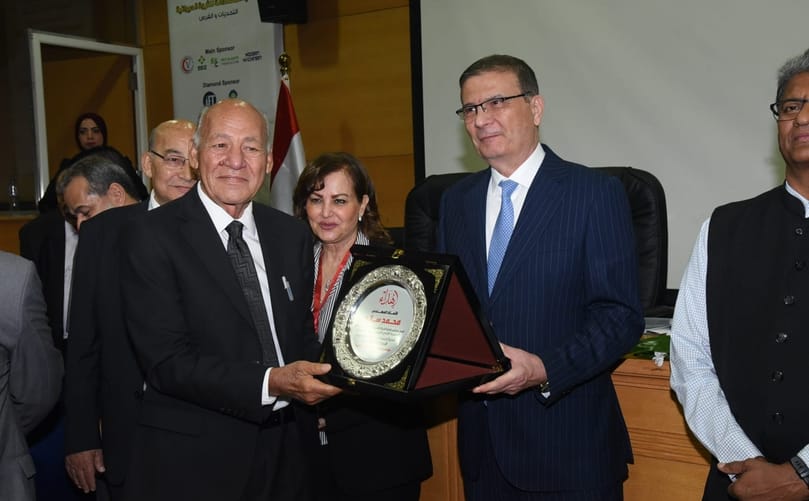
H.E Mr. Alaa Farouk and Eng. Mohamed Salem
Like to receive news like this by email? Join and Subscribe!
Get the latest potato industry news straight to your WhatsApp. Join the PotatoPro WhatsApp Community!
精选企业
相关新闻

九月 07, 2026
Calbee Potato Harvest Ceremony 2026 Highlights Stronger Hokkaido Potato Quality and Yield
Calbee Potato expects Hokkaido’s 2026 processing potato crop to reach 240,000–250,000 tons, with better quality and yields than 2025. Favorable temperatures and rainfall have boosted growth, although heavy rain remains a major harvest risk now.
九月 07, 2026
Aardappeldemodag 2026 Draws Over 4,500 Visitors as Dutch Potato Sector Faces Year of Extremes
Aardappeldemodag 2026 brought over 4,500 visitors to Westmaas amid a challenging year for the Dutch potato sector. The event focused on market pressures, extreme growing conditions, knowledge sharing, machinery and innovation.

九月 07, 2026
EUROPLANT与Finpom强调芬兰种薯优势,应对欧洲日益加剧的病毒压力
Finpom强调芬兰北部在高等级种薯生产方面的优势,因为气候变化提高了欧洲的病毒风险,同时通过LARISSA、JUVENTA、Filipa、FAVOLA和INA扩展了其EUROPLANT产品组合。