Reductions in restaurants’ use of trans fats may have played a role in declining levels of the fats in the blood of white American adults between 2000 and 2009, a Centers for Disease Control study found Wednesday.
The level of trans fats in those who participated in the study fell 58 percent from 2000–2009, a time period in which many restaurant companies reduced their use of oils that contained man-made trans fats.
Unlike other fats, the CDC said trans fats are not essential to human health, and that research indicates that high consumption of trans fats is linked to cardiovascular disease.
“The 58 percent decline shows substantial progress that should help lower the risk of cardiovascular disease in adults,” said Christopher Portier, director of the Atlanta-based CDC?s National Center for Environmental Health.
CDC researchers randomly selected white participants ages 20 or older from the National Health and Nutrition Examination Survey for the years 2000 and 2009. It said the purpose was to examine trans-fatty acid blood levels before and after enactment of U.S. Food &Drug Administration trans fat regulations in 2003.
The regulations, which took effect in 2006, required manufacturers of food and some dietary supplements to list the amount of trans-fatty acids, or TFAs, on the “Nutrition Facts” panel of product labels. Some local and state health departments also took steps to help consumers reduce their daily consumption by requiring restaurants to limit their use of TFAs in food and increase public awareness campaigns about the health risks associated with TFAs.
“Findings from the CDC study demonstrate the effectiveness of these efforts in reducing blood [trans-fatty acids] and highlight that further reductions in the levels of trans fats must remain an important public health goal,” Portier said.
Though not bound by the FDA regulations, some restaurant chains voluntarily eliminated or greatly reduced the use of man-made trans fats before or soon after the requirement became law for manufacturers.
Most national and regional chains have since followed that strategy.
Restaurants' trans fat bans may have positive health effects
Like to receive news like this by email? Join and Subscribe!
Get the latest potato industry news straight to your WhatsApp. Join the PotatoPro WhatsApp Community!
精选企业

相关新闻
十一月 07, 2026
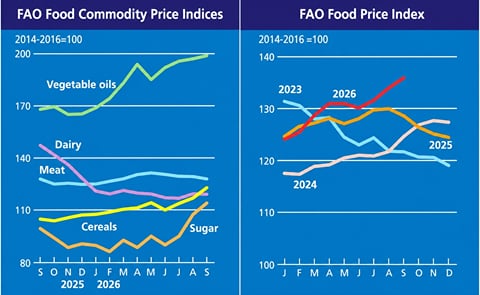
粮农组织食品价格指数10月小幅下探,除食糖和植物油外各类商品价格指数普遍回落
2026年10月,粮农组织食品价格指数为133.9点,环比下跌百分之1.2。谷物、乳制品和肉类价格下降,植物油价格微涨,食糖价格明显上涨。指数同比上涨百分之5.9,但仍较2022年3月峰值低百分之16.4。

八月 05, 2026
Unilever Expects No Major Job Losses in Netherlands After Food Division Sale to McCormick
Unilever expects no major job losses in the Netherlands after selling its food division to McCormick. The new company will retain a strong Dutch presence, including Rotterdam headquarters and Wageningen research center, supporting around 1,000 jobs.

六月 16, 2026
Protein and fiber enrichment create new opportunities in potato-based snacks
Growing demand for healthier snacks is driving interest in protein and fiber enrichment. Emsland Group highlights ingredient and application solutions for potato-based snacks and will present its portfolio at SNACKEX 2026 in Lisbon.