
Introduction
Potatoes (Solanum tuberosum), a cornerstone of global agriculture, sustain over a billion people as the fourth most important food crop after rice, wheat and maize. With over 4,000 cultivated varieties, including 3,000 from the Andes (Peru, Bolivia, Ecuador, Chile, Colombia) and over 180 wild species, potato classification is a multifaceted process critical for farmers, breeders, researchers, processors and consumers. Potato classification can be based on botanical, agronomic, culinary, processing and skin color characteristics, enriched with global insights, historical context, regional preferences and emerging technologies, providing a comprehensive understanding of potato diversity and its global significance.
Botanical Classification
Potatoes belong to the Solanaceae family, alongside tomatoes, eggplants, peppers and nightshades. The cultivated potato, Solanum tuberosum is predominantly tetraploid (four sets of chromosomes) but diploid varieties, particularly Andean and wild species, contribute significant genetic diversity. Traditional ploidy based classification is unreliable due to chromosomal inconsistencies across varieties. Genomic analysis focusing on chromosome base pairs enhances precision in breeding programs. This approach is critical for developing pest and disease resistant varieties, such as those combating late blight (Phytophthora infestans) a devastating disease responsible for the Irish Potato Famine (1845–1852).
Wild potato species, primarily from South America, are often bitter due to glycoalkaloids but are invaluable for their genetic resistance to diseases, drought and extreme temperatures. Genebanks holding over 7,000 accessions facilitate crossbreeding for climate resilient varieties. For instance wild species like Solanum acaule and Solanum bulbocastanum have been used to introduce resistance to late blight and potato viruses. This genetic diversity is vital for global food security, especially in regions facing climate variability.
Agronomic Classification
Potatoes are a vital crop grown worldwide and choosing the right variety is key to successful farming. Agronomic classification helps farmers pick potatoes based on how they grow, fight diseases, produce yields and adapt to different environments. This guide explains these traits in a clear, easy to follow way, perfect for anyone interested in potatoes, from farmers to food enthusiasts.
Growth Habits and Maturity Groups
Potatoes grow in different ways depending on their variety and understanding these habits helps farmers plan when to plant and harvest. Some potatoes are determinate, meaning they grow to a set size, produce tubers all at once and then stop think of them like a one time burst of potatoes. Others are indeterminate, continuing to grow and make tubers as long as the weather allows, which can mean more potatoes but needs more space and care. For example Dark Red Norland is a determinate variety that’s ready quickly, while Russet Burbank, an indeterminate type, grows longer and suits bigger fields.
Potatoes are also grouped by how long they take to be ready for harvest:
Early varieties (70-90 days): Perfect for short growing seasons, like in cooler areas. Red Norland is a great example, ready for summer meals.
Second early varieties (90-110 days): A bit slower but flexible, like Yukon Gold, which works well in many climates.
Maincrop varieties (110+ days): Take longer but often give bigger harvests, like Russet Burbank, ideal for large farms.
These groups help farmers select potato varieties suited to their local climate and soil, ensuring better yields. Potatoes grow in stages such as sprouting, tuber formation and bulking. Understanding these stages helps farmers determine the right time for irrigation or nutrient application to achieve the best results.
Seed Potato Classification Schemes
Good seeds are the starting point for a healthy potato crop. In the UK a system called the Seed Potato Classification Scheme (SPCS) makes sure seeds are high quality and free from diseases. Seeds are sorted into categories like Pre-basic, Basic and Certified, with careful checks to ensure they are safe to plant. Varieties are scored from 1 to 9 for how well they resist pests (like tiny worms called potato cyst nematodes that attack roots) and diseases (like late blight, a harmful fungus) with 9 being the best. New varieties like Nemo, Sherman, Caledonian Jewel and Lady Luce are bred to be tough and produce lots of potatoes, making them popular with farmers.
In Scotland, a similar system tests seeds thoroughly, with only a few reliable varieties like Maris Piper, grown widely. In the United States, seed programs in states like Idaho and Wisconsin certify potatoes as disease free, ensuring varieties like U.S. No. 1 Seed Potatoes (at least 1-1/2 inches wide) are healthy through lab tests, field checks and even growing them in winter to spot problems. These systems give farmers confidence to plant healthy potatoes, no matter where they are.
Disease Resistance
Diseases can ruin potato crops, so picking varieties that fight them off is crucial. Late blight, caused by a fungus called Phytophthora infestans, is the worst, capable of wiping out entire fields if not controlled. Breeders use wild potatoes, like Solanum demissum from South America, to add special genes that make new varieties resistant. For example, Sarpo Mira is super resistant to late blight, making it a top choice for organic farmers who don’t use chemical sprays. Testing systems score varieties for resistance and ensure they meet global quality standards.
Other diseases are also a concern. Potato virus Y (PVY), spread by tiny insects called aphids, weakens plants and cuts down harvests, especially in seed potatoes. Bacterial wilt, caused by Ralstonia solanacearum, is a problem in warm, wet places, rotting tubers. Breeders use modern tools to create varieties that resist these diseases, including PVY, early blight (another fungus) and common scab (which makes tuber skin rough). New varieties are constantly tested to ensure they stay strong against these threats.
Genetic Diversity
Potatoes come in thousands of varieties, from ancient types grown in the Andes to modern ones, creating a huge pool of genetic possibilities. This diversity has stayed strong for over 300 years, thanks to mixing modern potatoes with wild ones. Think of it as a treasure chest of traits that breeders can use to make potatoes that grow well in different places like high mountains, hot tropics or cool plains. For example traditional Andean potatoes bring unique strengths, while Russet varieties are tailored for things like French fries. This diversity protects crops from climate change, poor soils, and new pests, helping farmers get reliable harvests worldwide.
Culinary Classification
Culinary classification is based on starch content, which determines texture and suitability for cooking methods. This system is widely adopted in regions like Europe, North America and Australia, where potatoes are a dietary staple.
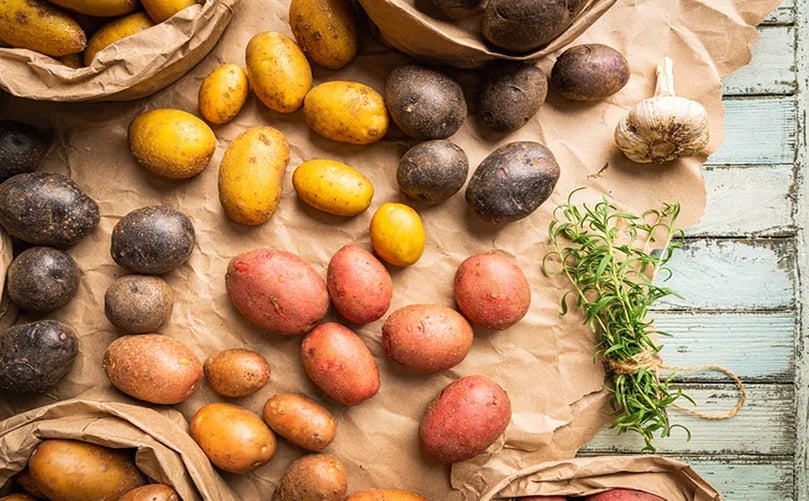
The Difference Between Waxy, Starchy and All Purpose Potatoes, (Source: Getty Image)
High-Starch (Starchy) Potatoes: High starch potatoes with 20-25% starch and 70-80% moisture, have a fluffy, mealy texture due to starch granule swelling during cooking. They are ideal for frying, roasting or mashing. Examples include Russet (US) and Maris Piper (UK), commonly used for French fries and mashed potatoes. Their low moisture content ensures crispiness in fried products a key trait for fast food industries.
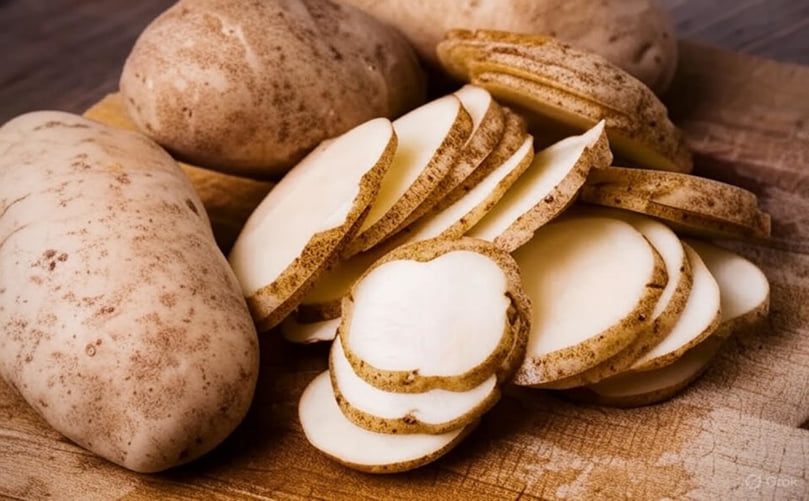
Starchy Potatoes: High Starch, Low Moisture (Source: Getty Image)
Medium-Starch (All-Purpose) Potatoes: With 15-20% starch and 80-85% moisture all purpose potatoes offer a balance of texture and moisture making them versatile for roasting, boiling or baking. Yukon Gold (US) and Desiree (UK) are popular examples, valued for their creamy yet firm consistency. These varieties are favored in home cooking and small scale processing.
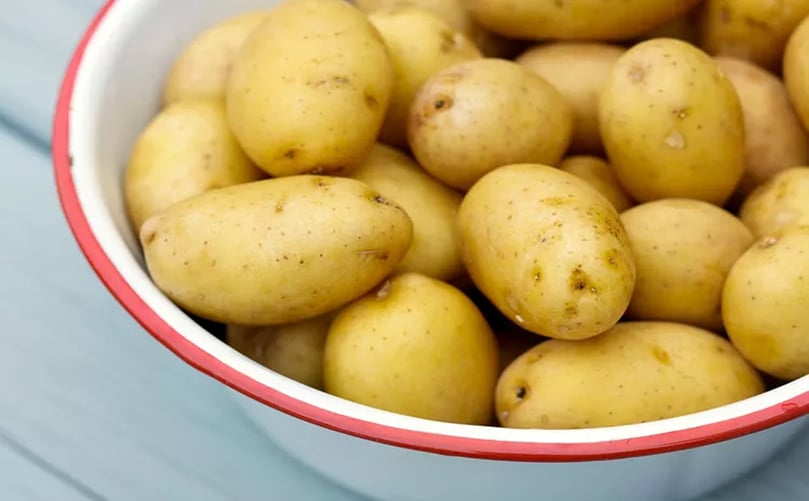
All-purpose potatoes offer the best of both worlds balancing starchiness and waxiness. With moderate starch content, a versatile texture and thin, edible skin, they adapt well to a wide range of cooking methods (Source: Getty Image)
Low-Starch (Waxy) Potatoes: Low-starch potatoes, containing 10-15% starch and 85-90% moisture are firm and retain shape, ideal for salads, boiling, and casseroles. Examples include Charlotte and Wilja (UK) and Red Norland (US), praised for their creamy mouthfeel. Their high moisture content prevents disintegration during boiling, making them a staple in European potato salads.
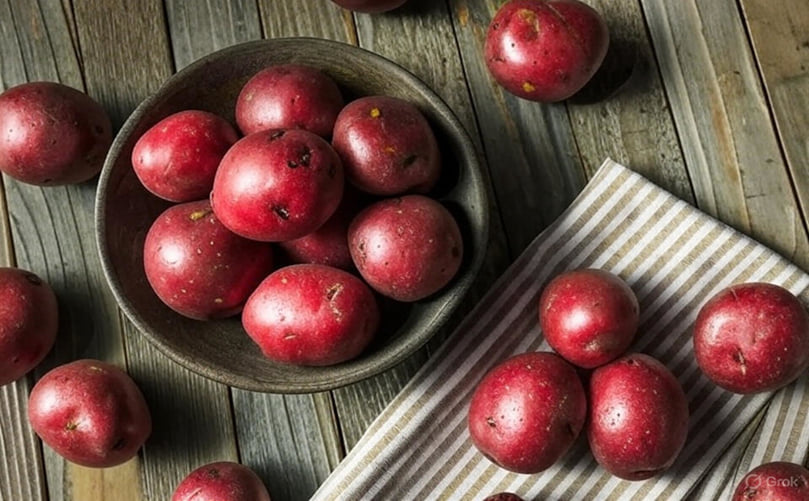
Low-Starch Potatoes: Sweetness and Structure (Source: Getty Image)
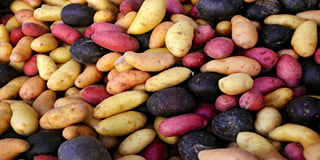
Exotic Varieties: Exotic varieties like Purple Majesty and Red Emmalie with purple or red flesh are rich in anthocyanins, offering antioxidant benefits. These are used in specialty dishes like colorful chips or mashed potatoes, gaining traction in health conscious markets. Their vibrant colors also enhance visual appeal in gourmet cuisine.
Processing Characteristics
Processing classification focuses on traits like sugar content, starch levels and tuber quality, which are critical for industrial applications in the global food sector. These characteristics determine a potato variety’s suitability for specific products like French fries, potato chips, starch or dehydrated goods, impacting efficiency, quality and cost-effectiveness in large scale food processing. The global potato processing industry, valued at billions annually, relies on selecting varieties optimized for texture, flavor and shelf life to meet consumer demands and regulatory standards.
French Fries and Chips: High-starch, low-sugar varieties like Russet Burbank and Ranger Russet are preferred for French fries and potato chips due to their ability to minimize browning via the Maillard reaction, a chemical process between reducing sugars and amino acids during high temperature cooking that affects color and flavor. These varieties typically have a specific gravity of 1.080–1.100, indicating high starch content, which ensures a crispy exterior and fluffy interior in fried products.
Low reducing sugars (glucose and fructose, <0.25%) are essential to reduce acrylamide formation, a potential carcinogen formed during high temperature processing (above 120°C), which is a significant concern for food safety regulators in markets like the EU and North America. For example, Russet Burbank’s consistent starch profile makes it a staple for global fast-food chains like McDonald’s, while Ranger Russet’s uniform tuber size enhances processing efficiency. Advanced breeding programs are also developing varieties with even lower sugar content to meet stricter acrylamide regulations, ensuring safer, high-quality fried products.
Starch Production: High starch varieties like Kufri Jyoti (India) and Innovator (Netherlands) are used for industrial starch extraction, supporting applications in food thickeners, adhesives, paper manufacturing, and biofuels. These varieties are selected for their high amylose content (20–30% of total starch), which provides superior gelling and binding properties compared to amylopectin heavy starches. For instance, Kufri Jyoti, widely grown in India, is prized for its high yield and starch content, making it ideal for producing food grade starches used in sauces, soups and snacks.
Innovator, developed in Europe, is favored for its processing efficiency and resistance to mechanical damage during harvesting, reducing starch loss. The starch industry is expanding in regions like Asia and Europe, driven by demand for sustainable bioplastics and bioethanol, with potato starch offering a renewable alternative to corn-based products.
Dehydrated Products: Varieties like Atlantic and Snowden are ideal for dehydrated products such as potato flakes, granules and instant mashed potatoes due to their consistent texture, low moisture content, and ability to rehydrate uniformly. These characteristics ensure a smooth, lump-free texture in reconstituted products, critical for consumer satisfaction in instant foods. Atlantic, commonly used in the US, is valued for its high dry matter content and resistance to bruising, which preserves quality during processing.
Snowden, another key variety, excels in producing granules for snack food coatings and instant potato mixes, supporting long shelf-life products essential for global supply chains, including humanitarian food aid programs. The dehydration process involves precise control of drying conditions to maintain flavor and nutritional value, with varieties like these optimized to withstand high-temperature drying without degrading.
Processing Challenges: Maintaining low reducing sugars during storage is a significant challenge, as cold storage (typically 4–8°C) can trigger cold-induced sweetening, where starch breaks down into glucose and fructose, leading to undesirable browning during frying. This issue affects product quality and increases acrylamide risks, prompting processors to use controlled atmosphere storage with precise temperature (8–10°C) and humidity controls, often supplemented with ethylene inhibitors to slow sugar accumulation.
Varieties like Innovator are bred with genetic resistance to cold induced sweetening, reducing reliance on chemical treatments. Additionally, mechanical damage during harvest or transport can affect tuber quality, causing internal bruising or blackspot, which impacts processing suitability. Advanced sorting technologies, such as near-infrared spectroscopy are increasingly used to detect internal defects and ensure only high quality tubers enter processing lines. These innovations help maintain consistency in processed products, meeting the demands of global markets while addressing sustainability and food safety concerns.
Skin Color Classification
Skin color is a key market and culinary identifier, influencing consumer preferences and regional culinary traditions across global markets. Beyond aesthetics, skin color often correlates with texture, starch content and suitability for specific cooking or processing methods, driving demand in both fresh and processed potato sectors. Consumer preferences vary by region, with skin color influencing purchasing decisions in retail and culinary applications, from home kitchens to industrial processing.
White/Cream: White or cream-skinned varieties like Yukon Gold and Kennebec are popular in Europe and North America for their smooth, thin skin and neutral, slightly sweet flavor, making them ideal for boiling, mashing and steaming. Yukon Gold, with its medium-starch content (15–20%) and creamy yellow flesh, offers a buttery texture that holds up well in mashed potatoes and casseroles, popular in North American comfort foods.
Kennebec, with slightly higher starch (18–22%) is valued for its versatility in boiling and roasting, as well as its use in processed products like frozen fries due to its uniform shape and low bruising susceptibility. These varieties are widely used in North American and European markets for frozen and pre-cut products, with Kennebec being a staple in the US frozen fry industry due to its consistent frying performance. Their light skin appeals to consumers seeking a clean, polished look in fresh market potatoes.
Red: Red-skinned varieties like Red Norland and Chieftain are favored for salads, boiling, and steaming, particularly in the US and Canada, due to their vibrant, glossy skin and firm, waxy texture (10–15% starch). Red Norland, with its bright red skin and white flesh, retains its shape during boiling, making it a top choice for potato salads and gourmet dishes in North American markets.
Chieftain, slightly creamier, is popular in Canada for its resistance to scab and uniform tuber size, enhancing its appeal for both fresh and processed uses like pre-cooked side dishes. The vivid red skin drives retail demand, as consumers associate it with freshness and visual appeal, particularly in farmers’ markets and organic grocery sectors. In Latin America, red-skinned varieties like Papa Roja are culturally significant, often used in traditional boiled dishes.
Yellow: Yellow-skinned varieties like Charlotte and Nicola, common in Europe, are prized for their waxy texture (10–15% starch) and buttery, nutty flavor, making them ideal for roasting, steaming, and pan-frying. Charlotte, a French variety, is a staple in European cuisines, particularly in dishes like French potato salads and roasted sides, due to its firm flesh and golden skin that enhances plate presentation.
Nicola, popular in Germany and the Netherlands, offers a slightly sweeter flavor and is favored for steaming and baking, maintaining its shape and texture under heat. These varieties are dietary staples in Europe, especially in Mediterranean and Central European cuisines, where their rich flavor complements olive oil-based dishes. Their growing popularity in organic markets reflects consumer demand for flavorful, minimally processed potatoes.
Purple/Blue: Exotic varieties like Purple Peruvian and All Blue, characterized by deep purple or blue skin and flesh, are rich in anthocyanins, antioxidants linked to anti-inflammatory and heart-health benefits. Purple Peruvian, an Andean heirloom, is used in specialty dishes like colorful mashed potatoes or chips, valued for its vibrant hue and nutty flavor.
All Blue, with its striking blue flesh is popular in North American and European health-focused markets for gourmet salads and roasted dishes, where its color adds visual appeal. These varieties, with medium to low starch (12–18%), are gaining traction in premium markets, including organic and farm-to-table restaurants, where their nutritional benefits and aesthetic qualities drive demand. Their cultivation is expanding in regions like the US and Australia, supported by consumer interest in functional foods.
Russet/Brown: Russet-skinned varieties like Russet Burbank, dominant in the US, are ideal for frying and baking due to their thick, rough skin, which minimizes water loss during cooking, and high starch content (20–25%). Russet Burbank, a cornerstone of the US processing sector, is the preferred choice for French fries and baked potatoes in fast-food chains and restaurants due to its fluffy texture and ability to form a crispy exterior when fried.
Its thick skin also protects against mechanical damage during harvest, ensuring quality for large-scale processing. Other russet varieties, like Russet Norkotah, are used for baking due to their uniform shape and size, appealing to both commercial and home cooks. Russets dominate the US processing industry, accounting for over 50% of processed potato products, but are less common in fresh markets where smoother-skinned varieties prevail.
Global Potato Production and Classification Trends
In 2023, global potato production reached 383 million metric tons, with China (93 million tons), India (60 million tons), and Ukraine (21 million tons) leading. Regional classification trends reflect local priorities:
China: High-yield varieties dominate snack production, focusing on low-sugar tubers for chips.
India: Disease-resistant varieties like Kufri Pukhraj and Kufri Chipsona support food security. AI models achieve high accuracy in disease detection.
Europe: Projects standardize organic and low-input varieties, emphasizing sustainability.
South Africa: Advanced irrigation and precision agriculture boost yields, with classification focusing on market-driven traits like skin color and processing quality.
South America: Andean countries prioritize native varieties like Solanum phureja for cultural and nutritional value.
Technological Advances in Classification
Technological advancements are transforming potato classification, particularly for disease detection and quality assessment.
AI and Computer Vision: Models achieve high accuracy in leaf disease detection, identifying symptoms of late blight and PVY, critical for yield stability in developing regions.
Hyperspectral Imaging: This technology assesses tuber quality, detecting defects like greening or bruising, which affect processing suitability.
Genomic Tools: Marker-assisted selection and CRISPR based gene editing accelerate the development of resistant varieties
Did You Know?
Potatoes are grown in over 100 countries, from sea level to altitudes above 4,000 meters in the Andes, showcasing their remarkable adaptability, as noted in CIP 2023 global impact report. This versatility makes them a key crop for food security in diverse climates from tropical India to temperate Europe.
"Potatoes are not just a crop they are a global solution to hunger and climate challenges, with classification systems unlocking their potential for future generations."-Dr. Barbara Wells