
Preserving Quality Beyond Harvest: The Science and Sustainability of Modern Potato Storage Systems
Potato storage systems are essential for maintaining the post-harvest quality, nutritional integrity and market value of one of the world’s most important staple crops potatoes whose global production exceeds 300 million tons annually.
These systems help regulate the tubers’ natural metabolic activities including respiration, transpiration and ethylene production that otherwise lead to heat buildup, CO₂ accumulation, moisture loss and toxin formation if left uncontrolled. By precisely managing temperature, humidity, airflow and gas composition, modern storage systems can extend usability from a few weeks to 8–12 months, depending on variety, initial quality and intended use.
Effective potato storage is crucial for bridging seasonal harvests with year-round supply, reducing post-harvest losses (estimated at 20–40%, FAO), stabilizing market prices and supporting key industries such as snack food processing and certified seed production.
Today’s advanced facilities also emphasize energy efficiency and environmental stewardship, integrating low-energy ventilation systems, smart controls and natural refrigerants to minimize the carbon footprint aligning global potato storage with the goals of sustainable food systems and climate resilience.
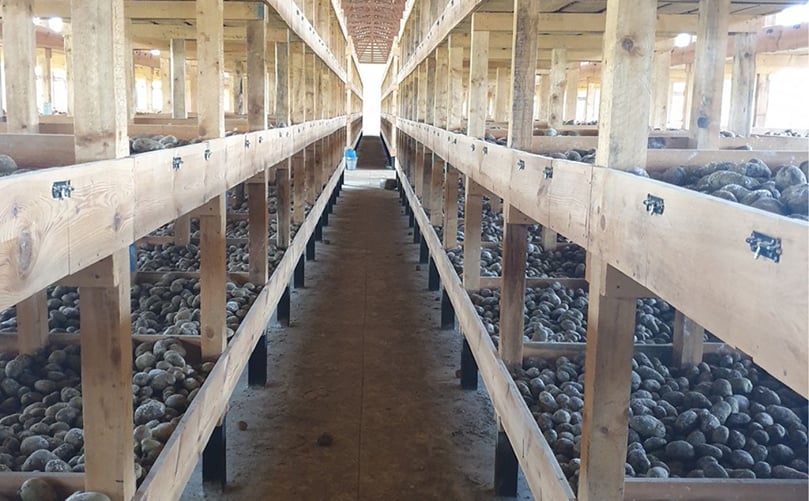
Potato Storage facility
Purpose and Importance of Potato Storage: Safeguarding Quality, Profitability and Food Security
The core objective of potato storage is to slow down the natural processes of senescence, preserving the tuber’s firmness, flavor and nutritional integrity long after harvest. Potatoes continue to respire even after being dug out, consuming starch and releasing heat at around 5–10 mg CO₂ per kilogram per hour at 7°C. Alongside respiration, transpiration leads to steady moisture loss of 0.1–0.3% per week, while unchecked sprouting can reduce marketable yield by 10–20%. Pathogen activity further compromises quality and safety if temperature and humidity are not properly managed.
By maintaining stable sugar–starch ratios and preventing rapid vitamin C degradation which can reach 20–30% under poor conditions well-regulated storage ensures potatoes retain their sensory and nutritional appeal. Harvested within a short 4–6 week window, potatoes must rely on efficient storage systems to bridge seasonal gaps and provide consistent availability year-round, an essential factor for food security in regions where the crop contributes 20–50% of caloric intake.
Economically, sound storage practices enhance profitability by 15–30% through premium pricing for quality tubers and minimize global post-harvest losses estimated at USD 10–20 billion annually. For seed potatoes, controlled environments ensure over 95% viability and maintenance of virus-free stocks compliant with international certification standards such as the EU’s European and Mediterranean Plant Protection Organization. Table varieties retain their natural crispness, while processing grades remain free from cold-induced sweetening, preventing acrylamide formation during frying.
Sustainability benefits are equally significant, with improved systems capable of reducing overall losses by 25–40%, aligning directly with the United Nations’ Sustainable Development Goal 12 on responsible consumption and production. In regions prone to climate instability such as during India’s 2023 surplus crisis, where inadequate facilities caused up to 15% spoilage storage serves as a vital buffer against market and environmental fluctuations.
Recent research further emphasizes the role of the potato’s native microbiome, where beneficial bacteria on the tuber surface help suppress spoilage organisms and enhance resilience, marking an emerging biological approach to improving post-harvest stability.
Types of Potato Storage Systems: From Traditional Clamps to Advanced Controlled Environments
Potato storage systems differ widely depending on climate, production scale and market purpose, ranging from low-cost traditional structures to highly automated controlled facilities. Each system aims to maintain ideal temperature, humidity and ventilation conditions to slow down tuber respiration, reduce losses and preserve quality.
Traditional Clamps or “Pits”: Traditional clamp storage also known as “pies” in Europe remains common among small and medium-scale farmers in temperate regions such as the United Kingdom and Northern Europe. Tubers are arranged in long ridges, covered with straw, soil or tarpaulins, using the earth’s thermal stability to maintain internal temperatures of about 7–10°C.
Such setups can store potatoes for 2–4 months with losses under 10%, provided ventilation and drainage are adequate. Clamps are inexpensive, easy to build, and ideal for short-term storage of table potatoes in mild climates.
Naturally or Mechanically Ventilated Storerooms: Ventilated storerooms are an intermediate solution commonly used by medium-scale growers in regions such as the U.S. Midwest, Canada and Eastern Europe. They rely on forced-air systems through underfloor or side plenum ducts, ensuring up to 90% uniform airflow for efficient curing and drying after harvest. Storage temperatures are maintained between 7–13°C with relative humidity (RH) at 90–95%, enabling safe storage for 5–6 months. Energy requirements are moderate and systems can be adapted with humidifiers or variable-speed fans to improve efficiency and reduce dehydration.
Refrigerated Cold Stores: Refrigerated cold stores are essential for year-round storage and exports, particularly in warmer climates like India, Egypt and Australia. These facilities use ammonia or carbon dioxide (CO₂) refrigeration systems to maintain stable temperatures between 3–10°C, suitable for both table and processing potatoes. Different temperature zones are often established: processing potatoes stored at 7–10°C and seed potatoes at 3–4°C. Proper insulation, temperature control and humidity management can extend storage up to 10–12 months. Installation costs generally range from USD 200–400 per ton of storage capacity, depending on materials and automation level.
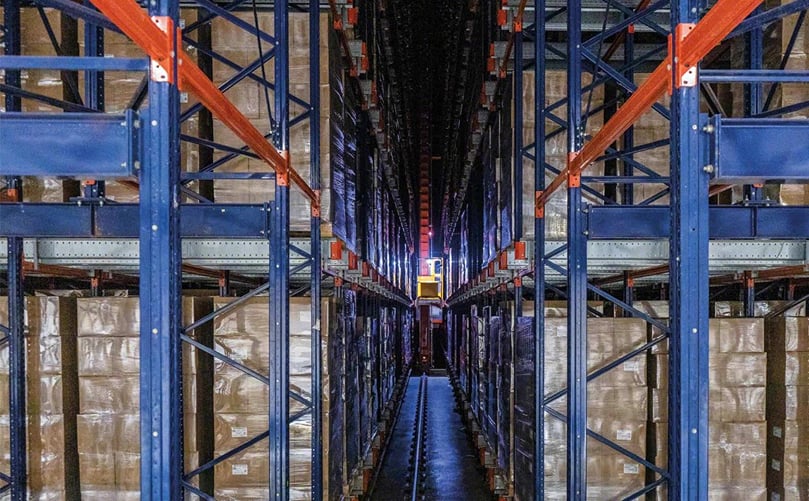
Automated high-density cold storage system.
Controlled Atmosphere (CA) Facilities: Controlled Atmosphere (CA) storage represents the most advanced approach, used extensively in export hubs such as the Netherlands, Germany and France. These airtight facilities regulate the gas composition by reducing oxygen to 2–5% and raising carbon dioxide to 5–10%, which slows respiration and extends dormancy by up to 50% compared to conventional storage. CA systems ensure minimal sprouting, low sugar accumulation (important for frying quality) and consistent tuber firmness. However, such technology requires significant investment typically USD 500–1,000 per ton of capacity and continuous monitoring through gas analyzers and automated controllers.
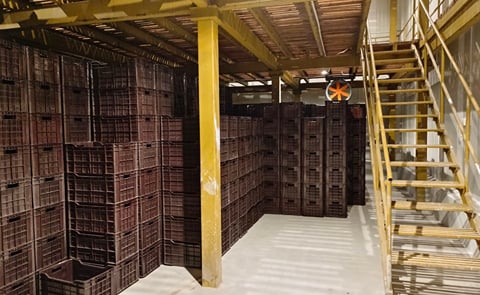
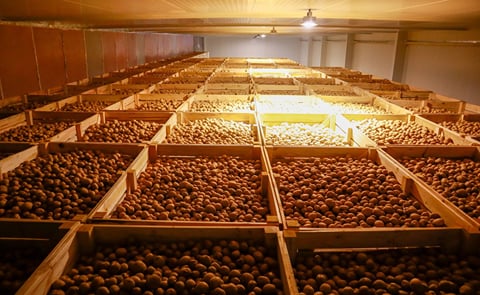
Palletized and Rack Storage Systems: Modern storage houses often use palletized or rack-based systems, where potatoes are stored in ventilated wooden or plastic bins elevated 60–90 cm above the floor. This minimizes compression and bruising (by up to 40%) and simplifies FIFO (First In, First Out) rotation for fresh markets. These systems also integrate automated handling, conveyors and real-time monitoring for precise temperature and humidity tracking ideal for high-value fresh and seed potato segments.
Low-Energy and Climate-Adapted Innovations: In developing regions, low-energy and off-grid storage systems have become vital for smallholder resilience. Examples include solar-powered cold rooms, earth pits with improved insulation, and evaporative cooling chambers. Such systems can reduce storage temperature by 8–10°C below ambient conditions, extending shelf life from a few weeks to several months. These technologies are increasingly promoted in Sub-Saharan Africa and South Asia, helping farmers reduce post-harvest losses without heavy energy costs.
Emerging Hybrid and Modular Systems: Recent innovations combine multiple technologies into hybrid systems for instance, box or pallet storage combined with ethylene or essential oil sprout suppression. Another emerging trend is modular and prefabricated storage units, designed for rapid installation and scalability. Pilot projects in Idaho (2024) showed that modular units can reduce construction costs by around 20% while maintaining the same storage efficiency, making them practical for expanding operations and contract farming setups.
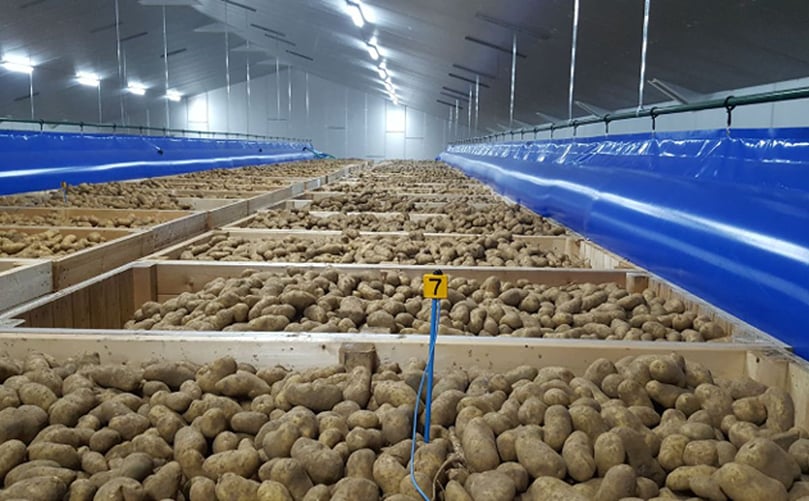
Smart Ventilation and Airflow System in Potato Storage
Pre-Storage Handling: Ensuring Quality from Field to Facility
The transition of potatoes from the field to storage is a critical stage that determines long-term quality and shelf life. Improper handling at this phase can account for 2–5% of total post-harvest losses, making careful management essential.
Optimal Harvesting Stage:Harvesting should ideally occur 2–4 weeks after vine kill, once the skin has toughened and reaches about 90% skin set, ensuring resistance to rubbing and mechanical injury. Fields should be dry (below 20% soil moisture) to minimize adhesion of soil and tuber damage. Modern harvesters equipped with rubber belts and soft conveyors can limit bruising to under 3%, maintaining tuber integrity.
Curing for Wound Healing: Immediately after harvest, potatoes are cured in shaded, well-ventilated sheds at 10–18°C and 95–100% relative humidity for 1–2 weeks. This process promotes suberization the formation of a protective cork layer over minor wounds reducing microbial rots by 50–70% through the activation of peroxidase enzymes. Proper curing is one of the most effective natural defenses against storage decay.
Cleaning and Surface Preparation: Post-curing, tubers are gently cleaned using compressed air or soft brushes, which remove 80–90% of soil without damaging the skin. Water washing is avoided unless necessary and when used, it must include sanitizing agents such as 50 ppm chlorine to prevent cross-contamination. Clean surfaces also improve the efficiency of airflow and cooling during storage.
Grading and Sorting: Grading ensures uniformity and market readiness. Modern facilities employ optical or NIR (Near Infrared) spectroscopy sorters to detect surface damage, greening or disease spots. Defective tubers exceeding 5% surface damage are automatically rejected. AI-assisted grading systems, tested in Peru (2025), achieved 98% accuracy, significantly improving sorting speed and consistency.
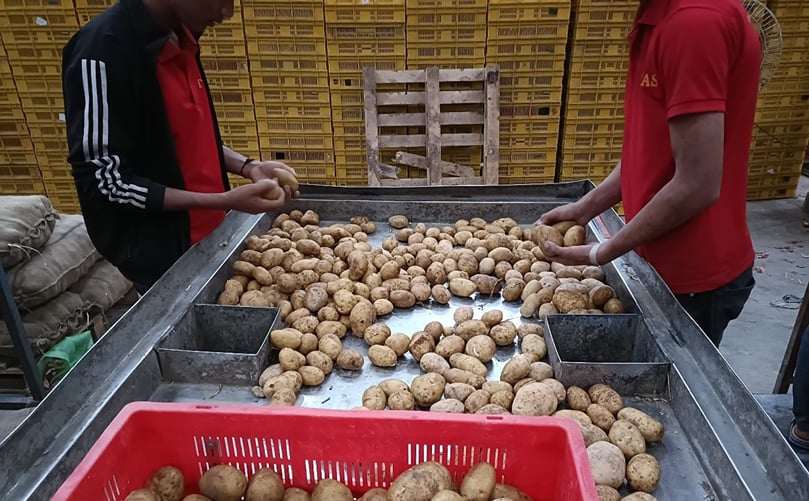
Sorting Of potato for storage
For market segmentation:
- Table potatoes: 50–80 g range
- Processing grades: 80–200 g (with low sugar content)
Some operations also apply phosphite dips to enhance resistance against late blight and soft rot pathogens.
Pre-Cooling and Transport: Pre-cooling tubers to 13°C before storage or during transport (in refrigerated trucks) helps remove up to 30% of field heat load, ensuring uniform temperature entry into the storage chamber. This reduces condensation risk and suppresses microbial activity.
Traceability and Intake Management: At the intake point, each batch is digitally tagged for traceability, enabling quality audits, temperature tracking and inventory rotation (FIFO). Advanced facilities use RFID-based systems for automated monitoring, improving transparency in large-scale supply chains.
Temperature Requirements in Potato Storage
Maintaining precise temperature control is the cornerstone of successful potato storage. Even minor fluctuations of ±1°C can increase respiration rates by 20–50%, accelerating starch depletion, moisture loss and sprouting. Each potato category seed, table or processing demands a distinct temperature regime to preserve its intended quality traits.
Seed Potatoes (3–4°C): Seed potatoes perform best at 3–4°C, a range that effectively extends dormancy for 4–6 months while suppressing viral transmission, particularly Potato Virus Y (PVY). To prevent hollow heart or black spot formation, temperature reduction after curing must be gradual about 0.3–0.5°C per day allowing tubers to acclimate smoothly without stress.
Fresh-Market (Table) Potatoes (4–7°C): Fresh-market or table stock potatoes are stored at 4–7°C, striking a balance between sprout suppression and avoidance of chilling injury. When maintained within this range, internal necrosis remains below 5%, particularly in sensitive cultivars like Russet Burbank. Slight temperature adjustments may be required based on tuber maturity, cultivar and market duration.
Processing Potatoes (7–10°C): Processing-grade potatoes used for chips, crisps and fries require 7–10°C storage to minimize the buildup of reducing sugars (<0.2%), which otherwise cause Maillard browning and excessive oil absorption during frying. Routine weekly sugar profiling helps operators recalibrate conditions to maintain fry color and texture consistency.
Precision Cooling and Zoning: Modern cold stores employ multi-circuit refrigeration and zoning systems, ensuring temperature uniformity within ±0.5°C across piles up to 6 meters (20 feet) deep. The Agriculture and Horticulture Development Board (AHDB) recommends pulse cooling cycles, which alternate cooling periods to save up to 15% energy without compromising stability.
Climate and Regional Adaptations: In tropical and subtropical regions, storage baselines are often raised to 10°C to prevent blackheart, a disorder caused by low oxygen levels in heat-stressed tubers. Integration of real-time thermosensors and automated airflow adjustments ensures uniform temperature distribution, even in high-density storage systems.
Relative Humidity and Condensation Control
Maintaining the right relative humidity (RH) is critical in potato storage, directly influencing shrinkage, disease development and skin integrity. Humidity management must balance moisture retention with the prevention of condensation, which encourages microbial decay.
Optimal Humidity Range: An RH of around 95% is ideal for minimizing water loss while avoiding excessive surface moisture. At this level, shrinkage remains negligible only about 0.15% per month, compared to significant weight losses at 90% RH. However, humidity above 98% promotes condensation, creating a microenvironment favorable to Fusarium dry rot and other pathogens.
During the curing phase, conditions should approach near 100% RH to enhance suberization (wound healing). Once curing is complete, humidity should gradually decline to 90–95% RH for long-term holding. This transition known as psychrometric balancing maintains equilibrium between tuber moisture and surrounding air.
Dew Point and Condensation Prevention: Controlling the dew point is essential to prevent condensation. According to USDA storage specifications, the intake air should be maintained at 2–3°C above the tuber temperature. This ensures that moisture does not condense on cooler tuber surfaces when warm, humid air circulates through the pile.
Continuous dew-point monitoring sensors now feature in most automated storage systems, alerting operators when air temperatures approach saturation thresholds.
Humidity Control Tools and Systems: Modern storage facilities utilize various systems to maintain stable RH:
- Centrifugal atomizers: Efficiently add 3.8–7.6 liters (1–2 gallons) of moisture per ton per hour, helping stabilize RH without creating water films.
- Desiccant wheels: Useful in tropical or monsoon climates, where ambient humidity exceeds 80%, to prevent excessive moisture buildup.
- Vapor-permeable membranes: Integrated into wall panels, these materials allow passive dehumidification while preventing external vapor infiltration—an innovation increasingly adopted in sustainable designs.
Managing Humidity Fluctuations: 2023 studies reveal that RH variations exceeding ±5% can lead to 10% higher storage losses due to alternating drying and rewetting stress on tubers. Such fluctuations also encourage microcracking in periderm tissue, making potatoes more vulnerable to rot and skin blemishes.
Light Management and Greening Prevention
Impact of Light Exposure on Tuber Quality: Light exposure during potato storage is a critical factor influencing both quality and food safety. Even short-term exposure of one to two hours at an intensity of around 100 lux can initiate chlorophyll synthesis and solanine accumulation a natural glycoalkaloid compound that becomes bitter and toxic when concentrations exceed 20 mg per 100 g of tuber. Under prolonged or repeated exposure, solanine can rise to 100 mg per 100 g, making the potatoes unsafe for consumption.
Mechanism of Greening and Its Consequences: When exposed to light, potato tubers activate photosynthetic reactions on their surface, producing chlorophyll that causes visible greening. This is accompanied by the formation of solanine and chaconine, two toxic alkaloids that reduce flavor quality and consumer acceptability. In inadequately designed or managed storage facilities, greening can affect 5–15% of the stock, particularly in areas exposed to direct or diffuse light near doors, vents or transparent sections.
Preventive Design and Infrastructure Measures: Modern storage systems prioritize absolute opacity to eliminate all light penetration. Structural walls and ceilings are lined with reflective or foil-backed insulation materials that seal gaps and block external illumination. Standard LED or fluorescent fixtures are replaced with red or amber low-intensity lights, which do not trigger chlorophyll synthesis. Automated blackout curtains and light-sealed entry points prevent exposure during inspection or loading operations, ensuring that the tubers remain in a completely dark environment throughout the storage period.
Safe Handling and Post-Storage Operations: During handling and grading, tubers remain susceptible to light-induced greening. To mitigate this, UV-filtered conveyor systems and red-light sorting stations are increasingly used, allowing workers to inspect potatoes safely without activating pigment formation. These systems also lower energy use and extend equipment life compared to traditional lighting, offering both economic and sustainability benefits.
Regulations and Emerging Technologies: Globally, food safety standards emphasize the prevention of greening in market potatoes. The U.S. Food and Drug Administration (FDA) stipulates that green pigmentation should not exceed 0.2% of the visible surface area for potatoes intended for sale. Exceeding this limit leads to downgrading or rejection of produce. To support compliance, emerging innovations such as solanine biosensors are being tested in advanced storage facilities in the Netherlands and Canada. These real-time sensors detect glycoalkaloid buildup early, allowing operators to adjust lighting or temperature conditions before damage occurs.
Ventilation and Gas Composition in Potato Storage
Purpose and Role of Ventilation: Ventilation plays a vital role in maintaining the internal environment of potato storage facilities by removing excess heat, carbon dioxide and moisture generated through respiration. Potatoes continuously respire even after harvest, releasing heat up to 26 kcal (≈100 BTU) per ton per day along with CO₂ and water vapor. Without proper air exchange, these by-products can accumulate, raising temperature and humidity levels that accelerate spoilage, sprouting and disease development.
Airflow Rates and System Design: Efficient air circulation is achieved by maintaining a ventilation rate of 15–30 cubic feet per minute (CFM) per ton, equivalent to 0.42–0.85 m³ per minute per ton. Ventilation is typically operated intermittently for 4–8 hours per day, depending on tuber respiration rate, pile depth and outside conditions. Modern facilities use positive-pressure plenums that push conditioned air evenly through the storage bulk, achieving up to 85% airflow uniformity. Older or retrofitted stores often rely on negative-pressure systems, which pull air through ducts or floors to achieve similar distribution, though with slightly lower efficiency.
Temperature and Gas Regulation: Continuous airflow prevents localized temperature build-up and moisture condensation within tuber piles. Excess CO₂ particularly when levels exceed 3,000 parts per million (ppm) can cause physiological stress or “acidosis” in stored tubers, leading to off-odors and internal browning. Controlled ventilation cycles maintain optimal CO₂ concentrations below this threshold. In Controlled Atmosphere (CA) storage, gas composition is precisely adjusted, with oxygen levels maintained between 3–8% and CO₂ levels between 5–15%, depending on variety and storage objective. These modifications slow respiration and enzymatic activity, extending dormancy duration by up to 40% while preserving texture and color. Inline gas analyzers continuously monitor and auto-correct deviations.
Ethylene and Other Volatile Compounds: Ethylene accumulation, even at concentrations above 1 part per million (ppm), can trigger uneven sprouting and senescence. Advanced facilities employ ethylene scrubbers or activated carbon filters to remove trace gases, ensuring uniform dormancy. Some systems integrate potassium permanganate-based oxidizers for added protection against ethylene buildup during long-term storage.
Energy Efficiency and Climate Adaptation: To maintain efficiency, variable-frequency drives (VFDs) regulate fan speeds based on temperature and gas feedback, reducing energy consumption by 20–30% compared to fixed-speed systems. Weather-controlled intake gates prevent the entry of humid or warm air during monsoon or summer conditions, stabilizing internal climate. Combined with automated sensors, these technologies allow precise environmental control, lowering both operational costs and carbon footprint.
Sprout Control & Dormancy Management
Dormancy breaks at 60-120 days, with sprouts claiming 8-20% weight; integrated approaches yield <2% incidence. Pre-harvest maleic hydrazide (MH) at 4-6 L/ha translocates for 3-month suppression; post-harvest, CIPC fogging (36 ppm, EU-restricted) or ethylene (5-10 ppm continuous) blocks auxins.
Alternatives: essential oils (spearmint at 100 µL/L, 70% efficacy), hydrogen peroxide dips, or UV-B irradiation (254 nm, 10 kJ/m²). Low temp synergizes, extending by 60%; scout bi-weekly, clipping >1 cm sprouts.
Store Design & Engineering Robust, Efficient and Resilient Potato Storage
A well-engineered potato store establishes a tightly controlled microclimate that safeguards tuber quality, minimizes post-harvest losses and optimizes operating costs. Effective design harmonizes envelope performance, airflow management, drainage, pest exclusion, safety, automation and lifecycle efficiency ensuring predictable performance across years of operation.
Building Envelope and Insulation: Airtight construction and high-performance insulation form the backbone of efficient potato storage. Insulated sandwich panels using polyurethane (PU) or polyisocyanurate (PIR) cores, with thermal resistance equivalent to R-25 or higher, significantly reduce heat transfer and cooling demand. Continuous vapor barriers, sealed panel joints and thermal breaks prevent condensation and structural moisture intrusion. Together, these measures cut refrigeration energy consumption by up to 40% while maintaining temperature stability and tuber quality.
Airflow Engineering and CFD Optimization: Uniform airflow across stored bulk is essential for consistent temperature and humidity distribution. Computational Fluid Dynamics (CFD) is increasingly employed in design stages to model air velocity, fan placement and duct geometry. CFD ensures that airspeed variance remains below 5% throughout the pile, preventing hotspots and condensation pockets. Modern CFD-guided layouts improve cooling efficiency and reduce spoilage compared to conventional trial-based designs.
Floor Design, Drainage and Condensate Management: Store floors are typically designed with a 1–2% slope toward collection drains and fitted with non-slip grates to enhance air movement and hygiene. Condensate generated from humidification and defrosting can reach 38–76 liters per ton in extreme conditions; hence, well-routed drainage and sealed collection points are essential to avoid water pooling and soft rot. Built-in inspection channels allow easy cleaning and maintenance access for long-term reliability.
Pressure Regimes, Pests and Biosecurity: Maintaining a slight positive internal pressure (around 0.1–0.2 inches water column) prevents dust, pests and contaminants from entering through doors or vents. Coupled with filtered intake air and sealed penetrations, this design principle supports integrated pest management. Clean perimeter zones, rodent-proof construction and scheduled sanitation reinforce biosecurity and reduce chemical dependence.
Modular Construction, Prefabrication and Lifecycle Planning: Prefabricated modular designs enable rapid assembly, consistent quality control and scalability. Such systems typically reduce construction time by 20–50% and material waste by up to 30%. Modular steel frames and insulated panel systems are easily adaptable for seismic reinforcement and regional codes. Using Building Information Modeling (BIM) allows seamless coordination, lifecycle costing and digital asset management for maintenance scheduling and retrofits.
Refrigeration, Zoning and Services Integration: Advanced facilities employ multi-circuit refrigeration for precise zoning allowing tailored temperature and humidity settings for seed, table or processing potatoes. Gradual pull-down cooling avoids shock damage, while integrated humidity control maintains optimal relative humidity. Inline gas analyzers continuously monitor O₂, CO₂ and ethylene levels, supporting controlled-atmosphere storage. Variable-frequency drives on fans and compressors optimize ventilation rates and save 20–30% in energy use.
Fire Safety, Hygiene and Maintenance Access: Non-combustible materials, fire-rated separations and emergency access routes are essential for safety compliance. Sanitation-friendly designs featuring smooth washable surfaces, sloped drains and accessible inspection aisles make cleaning efficient and effective. Fixtures and sensors should be corrosion-resistant and designed for easy removal during washdown cycles.
Instrumentation, Controls and Digital Twin Systems: Temperature and humidity sensors should be distributed throughout the bulk (typically one probe per 50 tons of tubers) and calibrated to ±0.5°C accuracy. Supervisory Control and Data Acquisition (SCADA) or IoT-based systems automate fan, refrigeration and humidifier functions based on live data. Integration of digital twins real-time simulations of store conditions enables predictive maintenance, early detection of rot or hot spots and optimized energy performance.
Environmental Performance and Sustainability: Modern potato stores increasingly prioritize sustainability through eco-efficient materials and low-GWP refrigerants like ammonia, CO₂ or advanced blends. Heat recovery systems from refrigeration condensers can pre-warm intake air, improving energy balance. Solar panels, variable humidification and condensate recycling further reduce resource use. A lifecycle approach that considers total carbon footprint and operational efficiency ensures economic and environmental resilience.
Operational Considerations and Commissioning: Commissioning ensures every system performs as designed. This includes calibration of sensors, leak testing, full-load CFD validation using tracer gases and verifying air uniformity. The operations manual should cover intake protocols, curing cycles, humidity management, pest control and emergency venting. Well-trained store managers and scheduled maintenance programs are vital for reliable long-term performance.
Sensors, Monitoring & Automation Smart Control for Modern Potato Storage
Precision Monitoring through IoT Integration: Modern potato storage systems rely on IoT-enabled sensor arrays to continuously monitor critical environmental parameters such as temperature, relative humidity (RH), CO₂ and ethylene concentration. A typical configuration uses one probe per 50 tons of stored potatoes, strategically placed at different pile depths to capture accurate microclimate data.
Wireless communication technologies like LoRaWAN (Long Range Wide Area Network) enable reliable, low-power data transmission from large facilities to central servers, even in remote agricultural zones. The data is aggregated and visualized through intuitive dashboards, allowing operators to monitor conditions in real time.
Predictive Analytics and Machine Learning: Advances in machine learning (ML) have revolutionized how storage data is used. Predictive models can now identify developing issues such as incipient rot or hot spots up to 7–10 days in advance with reported accuracies around 95%. These systems analyze sensor trends, comparing current patterns to large datasets of historical performance and spoilage indicators, providing actionable early warnings before losses occur.
Automation and Remote Management: Smart storage automation platforms like Cellar Insights and SmartVault AgriCloud integrate IoT data with cloud-based controls, allowing remote adjustments to fans, humidifiers and refrigeration systems from mobile devices or web portals. Automated systems dynamically modulate fan speeds, maintaining air exchange within optimized duty cycles (often 20–25% daily operation) to save energy and reduce manual intervention. Remote control has cut on-site visit requirements by up to 70%, enhancing labor efficiency and operational consistency.
Blockchain and Traceability: To strengthen traceability and transparency, blockchain integration is being piloted in large-scale supply chains. Each batch of potatoes is linked to a digital ledger that records temperature, humidity, and gas data from harvest through storage to distribution. This ensures tamper-proof quality documentation for certification audits, export verification and sustainability compliance.
AI and Anomaly Detection Innovations: Emerging research extends automation beyond temperature and humidity control. AI-driven anomaly detection systems now interpret signals from vibration and acoustic sensors to detect pile settling, airflow obstruction or fan imbalance issues that can lead to uneven ventilation and localized spoilage. These intelligent systems continuously learn from operational feedback, refining alerts and maintenance recommendations in real time.
The Future of Smart Storage: The convergence of IoT, AI and blockchain technologies marks a major shift toward autonomous potato storage ecosystems where energy, airflow and quality preservation are automatically optimized around the clock. Future systems will integrate weather forecasts, energy tariffs and carbon tracking, aligning agricultural storage with global sustainability and precision-farming goals.
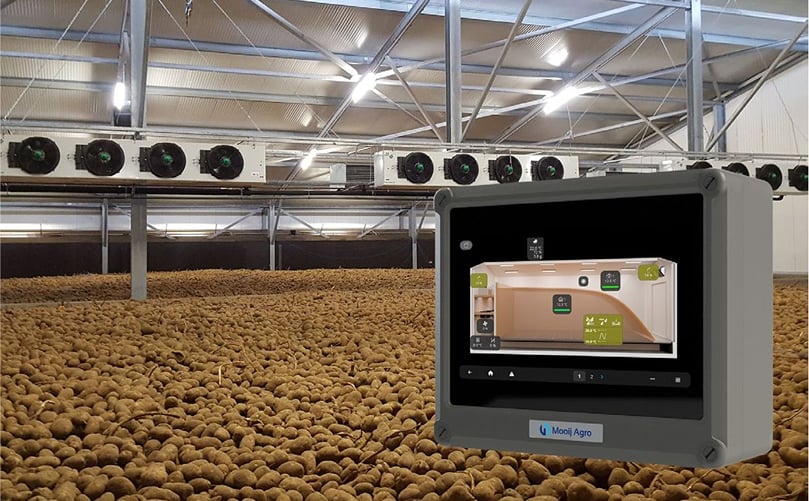
Managing ventilation and climate control to maintain optimal storage conditions for harvested potatoes.
Hygiene, Pest & Disease Control Safeguarding Quality from the Ground Up
Sanitation and Pre-Season Preparation: Effective hygiene practices are the first defense against post-harvest losses in potato storage. Before intake, the entire facility should undergo a deep washdown and sanitation cycle using a 1% peracetic acid solution, which eliminates up to 99% of microbial residues and spores. Standard operating procedures include mandatory boot dips, UV-sterilized tools and clean uniforms for workers to prevent recontamination. Equipment such as graders, bins and conveyors must be thoroughly cleaned and air-dried before re-entry into the store. Proper drainage, airflow and drying are essential to prevent residual moisture buildup, which can quickly turn into a breeding ground for bacteria and fungi.
Integrated Pest Management (IPM): A strong IPM program combines mechanical, biological and cultural approaches to maintain pest migants such as allyl isothiocyanate, derived from mustard oils, provide an eco-friendly way to control wireworms and other soil-borne pests without chemical residues. Continuous inspection, sanitation and recordkeeping ensure long-term control, while vegetation management around the storage perimeter reduces nesting areas and ingress points.
Disease Monitoring and Control: Fungal and bacterial diseases remain the leading causes of tuber deterioration during storage. Silver scurf, caused by Helminthosporium solani, thrives in overly humid environments above 95% relative humidity, while dry rot from Fusarium species becomes active at temperatures above 7°C. Maintaining the correct temperature and humidity balance, along with sufficient airflow, limits disease spread. Segregating up to 10% of suspect or lower-grade lots into isolation areas prevents cross-contamination, while post-harvest curing and periodic inspection of stored lots ensure consistent quality retention.
Microbiome and Early Detection Technologies: Recent advances in biological diagnostics now enable early detection of storage diseases through microbiome assays and molecular tools such as qPCR. These tests analyze the microbial community on tuber surfaces to detect imbalances or pathogenic signatures long before symptoms appear. Integrating these assays with digital monitoring systems allows operators to make data-driven interventions, reducing losses through predictive management rather than reactive treatment. As the technology matures, such tools are expected to become standard components of precision storage management.
Hygiene Integration and Food Safety Compliance: To maintain consistent performance, hygiene and pest-control data should be incorporated into the store’s digital monitoring platform. Automation systems can now record sanitation events, track pest activity and log microbiological test results alongside temperature and humidity data. This integration creates a transparent, audit-ready record that supports certification programs and international export standards, ensuring that every batch of potatoes meets food safety and quality compliance requirements.
Food Safety & Traceability: Ensuring Quality from Field to Fork
Hazard Analysis and Critical Control Points (HACCP) Implementation: A robust HACCP framework forms the cornerstone of modern potato storage and handling operations. Critical control points (CCPs) are strategically identified to prevent contamination and ensure compliance with international food safety standards. Intake sampling remains a key CCP, focusing on microbial contaminants such as Salmonella, which must remain below 1 CFU per gram and on chemical residues like CIPC (chlorpropham), limited to under 0.01 mg/kg following its phase-out in many countries. Rigorous documentation and periodic review of CCPs provide real-time assurance that food safety protocols remain effective under changing storage and handling conditions.
Traceability and Digital Integration: Full traceability systems now connect every stage of the potato supply chain, from seed source and field conditions to storage and retail distribution. Advanced RFID and QR-coded tagging systems allow instant product tracking and verification, ensuring that any safety concerns can trigger a 24-hour recall response. Blockchain technology further strengthens this system by maintaining an immutable, transparent ledger of every transaction and quality check. Pilot projects in Peru demonstrated that blockchain adoption reduced fraud and mislabeling incidents by nearly 30%, highlighting its value for both regulatory compliance and consumer trust.
Rapid Testing and Allergen Management: Emerging analytical tools such as solanine rapid tests are revolutionizing in-store quality monitoring by detecting glycoalkaloid buildup that can indicate light exposure or improper curing. These portable assays deliver on-site results in minutes, helping operators isolate affected batches before shipment. In parallel, allergen cross-contamination protocols are increasingly emphasized, particularly in shared storage or packing facilities. Segregated zones, dedicated equipment and validated cleaning procedures ensure compliance with international allergen labeling laws and protect consumers with sensitivities.
Audits and Global Standards Compliance: Annual audits aligned with the Global Food Safety Initiative (GFSI) ensure that storage operations meet the highest international standards, including BRCGS, GLOBALG.A.P. and ISO 22000 frameworks. These audits evaluate not only product safety but also staff training, equipment sanitation and recordkeeping integrity. Continuous improvement cycles based on audit outcomes reinforce operational excellence and foster a culture of food safety throughout the value chain.
Energy Use & Economics: Optimizing Efficiency and Profitability
Energy Dynamics in Modern Potato Storage: Energy consumption is the single largest operational cost in potato storage, with ventilation and refrigeration systems accounting for nearly 65% of total expenses. Typical consumption ranges between 0.05–0.10 USD per kWh per ton, depending on ambient conditions and facility design. Efficient temperature and humidity management are crucial not only for tuber longevity but also for minimizing energy intensity across the storage cycle. The adoption of variable frequency drives (VFDs) and inverter-based compressors has demonstrated energy savings of 25–40%, primarily through load modulation and improved airflow control. Similarly, heat pump systems capable of heat recovery from exhaust air reduce dependency on external heating sources during curing and cold initiation phases.
Capital Expenditure and Return on Investment: Modern controlled storage units require a capital investment of approximately USD 250–600 per ton capacity for 10,000-ton facilities, including insulation, ventilation, automation and control systems. Despite this high upfront cost, payback is generally achieved within two to four years, driven by reductions in shrinkage and disease-related losses typically 20% less spoilage, translating to savings of around USD 75 per ton of stored produce. Additional economic benefits accrue from extended storage capabilities, where models estimate USD 2 per ton per month in additional revenue through market timing advantages.
Renewable Integration and Sustainability Incentives: Sustainability is rapidly becoming integral to cold storage economics. Solar photovoltaic (PV) systems now offset up to 30% of total energy demand in sun-rich regions, especially when coupled with smart grid controllers and energy storage solutions. Many growers are leveraging public funding initiatives such as the EU Green Deal retrofit grants and USDA REAP programs to reduce capital strain while enhancing environmental compliance. Facilities employing renewable offsets and energy-efficient retrofits report both lower operating costs and reduced carbon footprints, positioning them favorably under emerging carbon credit frameworks.
Economic Outlook and Long-Term Viability: As global energy markets fluctuate, the economics of potato storage are shifting toward automation, predictive maintenance and hybrid renewable systems. The convergence of digital monitoring with efficient thermal engineering promises not only cost reductions but also improved reliability. With energy representing a controllable variable rather than a fixed burden, operators can now balance profitability, resilience and sustainability hallmarks of next-generation post-harvest infrastructure.
Sustainability & Regulatory Issues: Building Climate-Resilient and Compliant Storage Systems
Transition to Low-GWP Refrigeration and Clean Energy: Modern potato storage systems are rapidly evolving under global climate directives that restrict high-GWP refrigerants. The EU F-Gas Regulation (2024) and similar policies worldwide are phasing out hydrofluorocarbons (HFCs), prompting an industry-wide shift toward ammonia and CO₂-based refrigeration systems. These natural refrigerants reduce global warming potential (GWP) by up to 90%, while offering superior thermodynamic efficiency. Alongside refrigerant innovation, facilities are increasingly adopting renewable energy sources such as geothermal cooling, solar photovoltaics and waste-heat recovery, reducing dependency on fossil-powered systems and lowering operational emissions.
Water and Material Circularity: Sustainability efforts extend beyond energy into water reuse and materials recycling. Advanced humidifier systems now integrate condensate water recovery and filtration, saving up to 20% of total water use while maintaining optimal storage humidity. Similarly, manufacturers are transitioning toward recycled EPS and polyurethane insulation panels, reducing embodied carbon and landfill waste. These design adjustments contribute to circular economy targets and are supported by regional green certification frameworks.
Compliance, Auditing and Accountability: Regulatory frameworks increasingly enforce quantifiable performance standards in storage operations. Many countries now require documentation ensuring less than 5% post-harvest losses, verified through independent audits and traceability systems. These measures encourage transparency and continuous improvement in both storage design and management practices. Certification programs aligned with GlobalG.A.P. and ISO 14001 help storage operators demonstrate environmental stewardship and operational compliance.
Emerging Carbon and Biodiversity Accountability: Beyond emissions, sustainability reporting now includes carbon labeling on produce packaging, allowing consumers and buyers to assess the environmental impact of stored crops. Some enterprises are also implementing biodiversity offset programs to balance land-use impacts from construction or expansion of storage facilities. By integrating offset credits, soil health initiatives or pollinator habitats into farm landscapes, potato supply chains are aligning with global sustainability metrics and advancing toward nature-positive production systems.
Loss Types & KPIs to Track: Measurable targets, how to measure them and what they mean
Loss categories and their typical ranges: Post-harvest losses in potato storage are usually driven by four interacting processes: sprouting, shrinkage (moisture loss), rots (microbial decay) and mechanical damage such as pressure bruising. Typical observed ranges across commercial and small-scale stores are roughly sprouting 5–20%, shrinkage 2–6% over six months, rots 1–8% and pressure bruising 3–5%. The combined aim of good storage management is to keep total losses well below 5% for high-value, long-hold operations; for shorter, low-cost systems the acceptable loss target may be higher depending on economics.
Key performance indicators (KPIs) and numeric targets: For operational monitoring, use the following KPIs as auditable, month-by-month targets: sprout incidence <2%, weight loss <3% over the monitored period, rots <0.5% of inventory and energy use <45 kWh per ton of stored potatoes per storage month (or per relevant accounting period). Temperature uniformity is critical: aim for a pile temperature variance of less than 0.6°C (equivalent to <1°F) across probes at different depths and locations. These targets are conservative benchmarks for commercial, long-hold facilities; tailor them to your cultivar, storage duration and market requirements.
Fry colour (processing quality) measurement and interpretation: Fry colour is an important processing quality KPI because elevated reducing sugars or improper storage produce darker fries and off-colours. Processors use two complementary approaches to quantify fry colour: standardized frying followed by visual assessment against an industry fry-colour chart and instrumental colourimetry (for example, Lab* measurements using a Minolta or Hunter colorimeter) on sampled fried slices. Note that fry-colour scales and index numbering vary between regions and processors. Many processors require a light fry colour equivalent to a fry-colour index around 3.0 or lower on commonly used commercial charts; always confirm the numeric direction and threshold with the buyer’s specification. To make the KPI measurable in your system, adopt a single standard method (e.g., “standard fry test A: 3.0 min chart” or L* threshold) and record the method alongside the numeric result so audits are comparable over time.
How to measure and sample for KPIs: Use a statistically robust sampling plan: select randomized subsamples from multiple pile depths and locations (for example, 10–20 sample points per 1,000 tons, increasing density for high-value seed lots). For sprout and rot incidence, inspect and count a fixed number of tubers per sample (e.g., 200 tubers) and report percentage affected. Weight loss is best tracked by representative pallet or bin weighing at intake and monthly intervals or by proxy using humidity/temperature integrated models when weighing is impractical. Energy use is monitored via metered consumption normalized to tonnage and storage time. Temperature probes should be placed to monitor crop temperature (not just air) and logged continuously; calculate variance as the difference between the 95th and 5th percentile probe readings to detect hot spots.
Data management, auditing cadence and corrective triggers: KPIs should be captured to a central dashboard (monthly audits are common) and trended so slow degradations are visible. Set automatic alerts for excursions (for example: sprout >2% in two successive samples, rot >0.5% in any sample, temperature variance >0.6°C, or fry-colour index above buyer threshold). When an alert triggers, initiate corrective actions such as increased ventilation, targeted cooling, isolation of suspect lots or a re-grading and rapid sale pathway. Maintain an audit trail (time-stamped sensor logs and sample reports) to support quality assurance, buyer claims and insurance.
Practical notes to reduce KPI risk: Controlling entry conditions (good curing and gentle harvest), preventing light exposure, ensuring even airflow (CFD-designed ducts, VFD fans), tight humidity control and early detection (IoT sensors + periodic manual sampling) are the most effective levers to keep KPIs within target. For processing potatoes, managing sugar accumulation through slightly warmer storage or CA adjustments and confirming with regular fry-colour tests keeps product value high.
Regional Considerations: Climate-Specific Innovations in Potato Storage
Global Context and Technological Adaptation:Regional variations in potato storage are shaped by climate, cultural practices, infrastructure and production scale, requiring tailored solutions for temperature extremes, humidity, and energy access. Cranfield University study highlighted that optimizing storage design to align with harvest timing across hemispheres significantly reduces losses, while FAO (2025) data show global automation adoption in storage has surged from 5% in 2020 to nearly 20%. Meanwhile, machine learning-based models (Springer, 2025) now predict regional potato shelf life with over 90% accuracy, integrating variables such as local cultivars, soil conditions, and humidity levels.
Europe (Temperate Northwest: UK, Netherlands, Germany, France):Cool, stable climates in northwestern Europe have long favored traditional clamp systems mounded potatoes covered with straw or soil for 3–6 months of holding. However, these have evolved into ventilated bulk stores with underfloor ducts ensuring 80–90% airflow uniformity.
The Netherlands, Europe’s leading potato exporter, uses Controlled Atmosphere (CA) storage systems maintaining approximately 3% O₂, extending dormancy for up to 10 months while cutting energy consumption by 25% through Variable Frequency Drives (VFDs). Germany integrates precision farming data with automated monitoring, achieving <3% storage losses and EPPO-certified virus-free seed lots.
Asia (India, China, Bangladesh):Asia faces unique challenges of heat (25–35°C), high humidity, and monsoonal variation, demanding adaptive storage strategies. In India, traditional kothi structures and 2–3 m straw-lined underground pits remain widespread, sustaining tubers for 2–4 months. Yet, 2025 pilot trials with zeolite-based coolers in Uttar Pradesh achieved temperature drops of 8–10°C, cutting post-harvest losses by 40%.
China, now responsible for nearly 50% of global potato output, has expanded its use of large-scale refrigerated warehouses with machine learning–driven zoning systems, ensuring precise humidity and temperature control. Bangladesh’s smallholders use diffused-light bamboo clamps layered with neem leaves for pest deterrence and airflow balance.
Africa (Sub-Saharan: Ethiopia, Kenya, Nigeria, South Africa):Sub-Saharan Africa’s storage challenges stem from variable climate and limited infrastructure. Traditional systems include basket or sack floor storage (Ethiopia) and ash-lined underground pits (Nigeria), which extend storage by 1–3 months but suffer baseline losses of 30–40%.
Recent progress includes solar-powered evaporative coolers in Kenya’s cooperative networks, achieving 10°C lower storage temperatures and enabling 50°F (≈10°C) holding environments for seed and table stock. South Africa’s commercial sector employs ventilated barns for export-grade seed with integrated pest-proofing.
Americas (North America & Andes: US, Canada, Peru, Bolivia):In North America, regions like Idaho and Washington rely on advanced refrigerated CA facilities (maintaining 3–5% CO₂ at 3–7°C) for year-round supply to processors. Recent modular storage units built in 2025 achieved 20% faster construction and reduced operational energy demand by 18%. Precision harvesting integrated with automated air distribution systems has limited total losses to under 2%.
In contrast, the Andean highlands retain a cultural legacy of chuno a traditional freeze-drying method using natural frost cycles followed by stone-lined pit storage (chullpas). This ancient technique, modernized with plastic liners and moisture barriers, now preserves tubers for 6–12 months, cutting waste by up to 50%.
Future Outlook and Challenges
The future of potato storage is poised for transformation through technological innovation and sustainability imperatives, with global production projected to reach approximately 750 million tons by 2030 a 112% increase from current levels, driven by demand in Asia, Africa, and Latin America. The sector is expected to expand to a USD 145 billion market by 2030 at a 3.9% CAGR, fueled by growth in processing, with the equipment market projected to reach USD 2.79 billion at a 5.5% CAGR. However, climate change and regulatory pressures will intensify challenges, demanding resilient, low-emission systems capable of cutting post-harvest losses below 5% while aligning with global net-zero goals.
Future Outlook: Innovations and Trends Smart Ventilation and Cooling Forced ventilation systems and mechanical cooling will dominate, with AI-optimized ducts achieving approximately 95% airflow uniformity in piles up to 25 feet deep. Phase Change Materials (PCMs) integrated into wall panels tested in Colombia’s 2025 R12 variety trials reduced energy consumption by 28% (to 420 kWh/ton/year), saving about USD 42,000 on 300 tons under ambient temperatures of 25°C. Geothermal and solar-assisted hybrid systems will further reduce reliance on fossil fuels by 40–50% in off-grid regions.
Automation and Digital Twins IoT platforms such as Cellar Insights, backed by a 2025 seed round, will employ machine learning for predictive rot detection (99% accuracy) and blockchain technology for real-time traceability, reducing manual inspections by 80%. The Cranfield University PepsiCo–Solynta collaboration aims to extend storage life by 20–30% through gene-edited hybrids with enhanced dormancy, while BIM integration enables virtual facility simulations for optimized operation and maintenance.
Sustainable Sprout and Disease Management Residue-free alternatives such as 1,4SIGHT (ethylene-based) and UV-C/RNAi treatments will replace traditional chemicals, improving shelf life by approximately 25% while meeting EU 2030 residue restrictions. Microbiome engineering, through the introduction of beneficial bacteria, is projected to suppress Fusarium infections by up to 50%, according to 2025 field trials.
By 2030, an estimated 60% of storage facilities could be fully automated, cutting global storage losses by 15–20% and enabling premium pricing for “zero-waste” certified potatoes.
Key Challenges in Modern Potato Storage
Despite impressive technological progress, the global potato storage sector continues to face mounting challenges driven by climate instability, sustainability demands and economic pressures.
Climate Change Impacts: Rising global temperatures projected to increase by approximately 2–4°C by 2050 are reshaping storage conditions and accelerating post-harvest deterioration. Higher ambient heat intensifies sprouting rates by nearly 30% and fuels the resurgence of diseases such as late blight, particularly in tropical regions where rot risks could rise by 15–20%. Erratic rainfall, floods and prolonged droughts are already pushing post-harvest losses to as high as 40% in vulnerable regions such as India and sub-Saharan Africa. At the same time, declining yields, estimated to drop by about 32% by mid-century, threaten both food security and the viability of global supply chains.
Sustainability and Regulatory Pressures: Stringent environmental regulations, including HFC phase-outs and emerging carbon tax policies are transforming the economics of cold storage. Energy costs are projected to rise by approximately 20–30%, pressuring operators to retrofit existing facilities with eco-friendly refrigerants and more efficient systems costing around USD 200–400 per ton. Compounding the issue, water scarcity challenges humidification systems crucial for maintaining tuber quality. Prolonged storage under warmer conditions, often exceeding 10°C, heightens the spread of sprouting and disease, leading to 10–15% additional losses. Moreover, nutritional degradation especially up to 40% reductions in vitamin C over long storage periods has begun intersecting with food safety and health regulations.
Economic and Logistical Barriers: Financial constraints continue to limit access to modern storage for smallholders and cooperatives. The initial cost of solar-powered or energy-efficient upgrades, estimated at approximately USD 50–100 per ton, remains unaffordable for many growers in developing regions. Remote logistics networks compound the challenge, making it difficult to maintain temperature and humidity control during transport. Globally, inefficiencies across production and distribution contribute to annual losses valued between USD 10 billion and USD 15 billion. Volatile trade dynamics and supply chain disruptions add an additional 5–10% premium to operational expenses, further squeezing profit margins.
Emerging Opportunities: Amid these challenges, strong opportunities are emerging through public–private partnerships and international funding mechanisms. Programs such as the FAO’s 2025 Resilience Fund are already channeling resources toward adaptive infrastructure, disease-resistant varieties and digital management systems. Such efforts could offset roughly 20–30% of climate-driven losses by 2030. Global investments in R&D projected to reach $500 million by 2027 will be crucial to building a sustainable, climate-resilient potato storage ecosystem for the future.