

十月 05, 2015
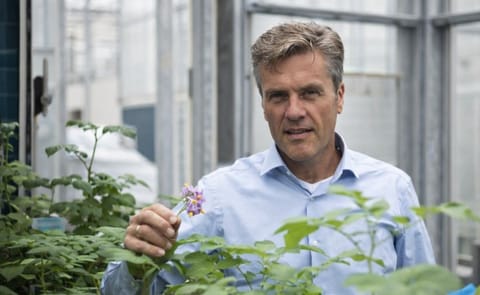
Are hybrid potato seeds the future?
Hybrid potatoes are piquing the interests of people both within and outside the potato sector. A hybrid combines the best of two systems in order to maximize performance. But what does hybridization mean? And will it change the sector for good? HZPC weighs in.From the archive

九月 16, 2015
Leatherhead Food International Limited acquired by Science Group
Leatherhead Food International Limited was acquired by Science Group and will move to a new facility early 2016.From the archive


九月 15, 2015
New French Fry vending machine developed in Wageningen
Dutch start-up Caenator, in collaboration with StartLife and Wageningen University & Research Centre, presented a new fully automatic french fry vending machine.From the archive
九月 10, 2015
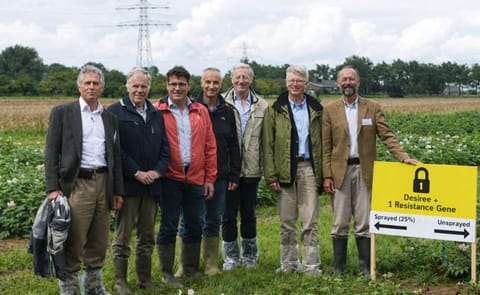
Resistance genes of wild potato relatives offer help in combat against Phytophthora
Research shows that crops with stacks of two or more resistance genes from closely related species, introduced into the crop via for instance genetic engineering, combined with the simultaneous introduction of resistance management, can ensure the long-term resistance of these plants to economically significant and aggressive diseases.From the archive

八月 22, 2015
UK Research project to tackle uneven airflow in potato storages
A new two year research project will harness the latest aeronautic industry technology to develop testing tools that will help crop store owners to optimise the efficiency of their premises.From the archive

八月 20, 2015
International Potato Center (CIP) publishes 2014 annual report
The three cross cutting themes of gender, partnerships, and capacity building are the main focus of the 2014 CIP annual report. Cooperation is the common thread that binds them all.From the archive

Sponsored Content
Sponsored Content
Sponsored Content

八月 20, 2015
Durable resistance to Late Blight requires Gene Stacking
Scientific results of the potato field trials in Flanders and the Netherlands demonstrate that gene stacking is necessary for a strong and lasting resistance to late blight (Phytophthora infestans).From the archive

八月 10, 2015
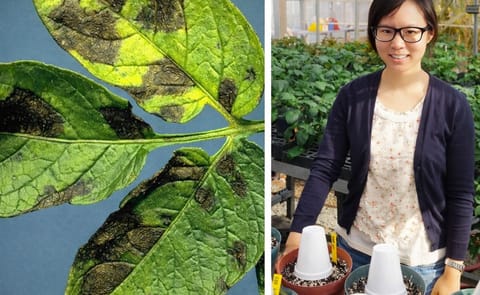
National Potato Council awards 2015/16 academic scholarship
The National Potato Council awards its 2015-16 Academic Scholarship to Shunping Ding, a PhD. student in Plant Pathology at the University of Wisconsin-Madison.From the archive

七月 29, 2015
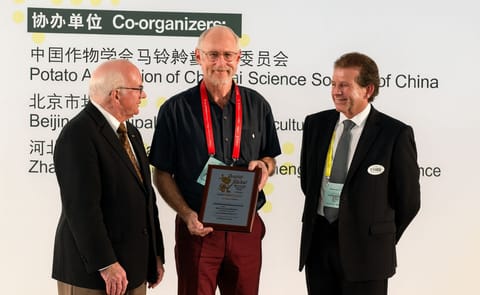
Australian potato industry researcher honoured at World Potato Congress
Australian horticulture researcher and industry stalwart Dr Kevin Clayton-Greene has been honoured with a prestigious Industry Recognition Award at the 9th World Potato Congress in Beijing, China.From the archive

七月 20, 2015
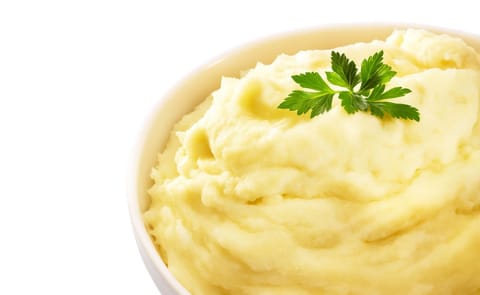
Australian Research: Producing Premium Potato Products from waste potatoes
The South Australian Potato Industry has received funding of $100,000 to enable a project to add value to potatoes which are graded-out due to size or shape and do not meet supermarket specifications.From the archive

七月 19, 2015
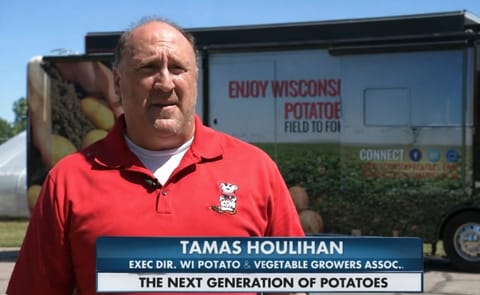
Wisconsin researchers reveal dozen new potato varieties
In an effort to stay a leader in potato production, researchers in Wisconsin are hard at work to develop the best potatoes for your table.From the archive

七月 15, 2015
Diamond Foods opens State-of-the-Art Innovation Center
Strengthening its commitment to product innovation and market leadership, Diamond Foods, Inc. has officially opened the doors to its new 7,000+ square foot innovation center in Salem, Oregon.From the archive
Sponsored Content
六月 10, 2015
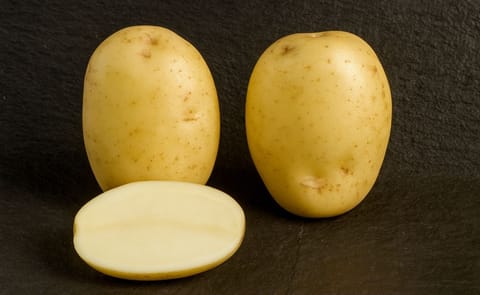
The Quest to Engineer the Perfect Potato
Researchers in the United Kingdom aim for a new commercial potato that resists many of the worst vulnerabilities of potato crops around the world.From the archive
六月 08, 2015
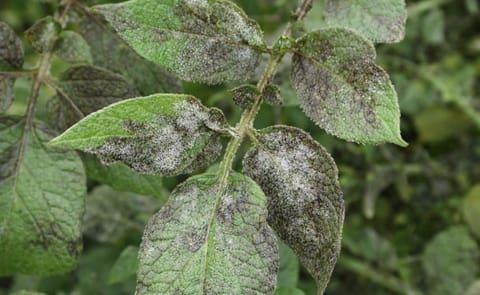
Research: naturally-occurring bacteria may protect potatoes against late blight
A research scientist at Agriculture and Agrifood Canada has discovered that naturally-occurring bacteria in soil may offer protection against late blight (Phytophthora Infestans).From the archive

五月 18, 2015
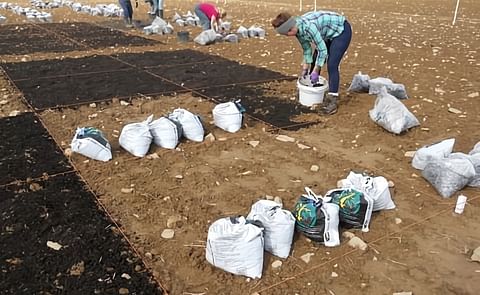
Does Healthier Soil mean increased Potato Productivity? Study started in New Brunswick
Agriculture and Agri-Food Canada (AAFC) has joined forces with McCain Foods Canada and the province’s potato growers in a major project to improve potato yields in New Brunswick by improving soil health.From the archive
五月 11, 2015
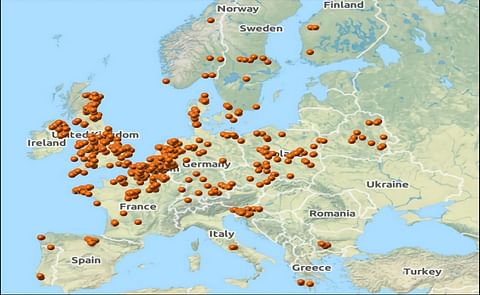
Potato Late blight in Europe in 2014
A team of researchers tracking the 2014 population of the potato late blight pathogen have added to the 2013 data to extend the spatial diversity plots and combine this with novel genetic analysis tools that visualise the distribution and diversity of dominant clones and reveals novel genetically diverse isolates in some regions.From the archive

五月 11, 2015
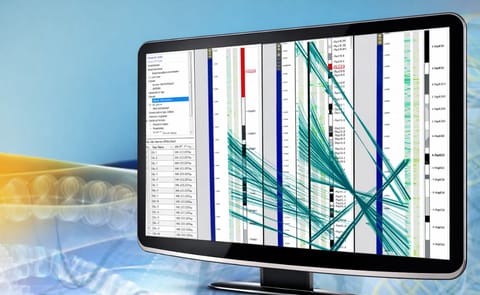
HZPC takes potato genome browsing to the next level
Ceres, Inc. (NASDAQ: CERE), an agricultural biotechnology company, today announced that the company has licensed its Persephone bioinformatics software to global seed potato developer, HZPC Holland BV.From the archive
五月 10, 2015
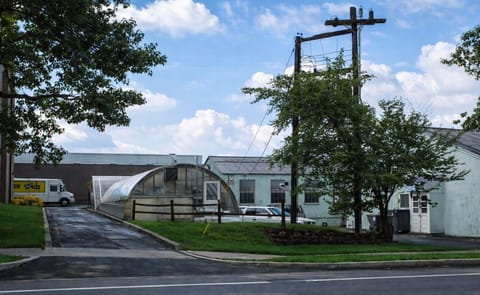
New York Senator launches push to replace Cornell University's outdated nematode lab
U.S. Senator Charles E. Schumer has urged the U.S. Department of Agriculture (USDA) to prioritize the replacement and modernization of the Federal Nematode Quarantine Facility at Cornell University in the Agricultural Research Service’s (ARS) Capitol Investment Strategy for Fiscal Year 2016.From the archive