
Food fibres are considered as beneficial for our immune system. However ‘considered’ is not good enough;the European guard dog EFSA needs sound scientific evidence based on effects on healthy human people before health claims for these compounds are approved.
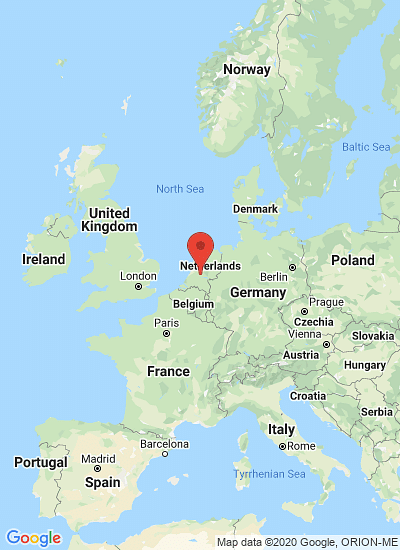
This is why this month the EU FibeBiotics project starts in which, during a period of 4.5 year, a consortium will study the effect of food fibres on the human immune system. The consortium is coordinated by Wageningen UR Food &Biobased Research, The Netherlands, and financially supported by the EU with 6M€. The food industry therefore needs sufficient supporting data before the claim can be substantiated and such health effects can be claimed for their products. A consortium of four universities, five research institutes and eight companies will perform these studies and in the meantime develop methods that accelerate similar research in the future for other immune supporting products.
It is known for long that polysaccharides (long sugar chains that belongs to the class of food fibres) and the immune system are connected. The immune response towards invading pathogens like bacteria, fungi and yeast is often initiated by the recognition of the intruder via the sugar chains that are located on the outside of the pathogen. After this recognition the immune system is activated and attempts to remove the pathogen as fast as possible. Research indicated that some specific polysaccharides, for example those from the cell wall of yeast but which are also present in various plant products, can activate the immune system starting from the intestine, even when no intruders are present. These specific polysaccharides have shown to activate macrophages which can ‘digest’ pathogens and unwanted cells. An activated, warned or primed first layer of defence can help to improve the overall resistance of humans.
Another mechanism of defence is the ‘adaptive’ immune system which is used during vaccination. This system recognizes and remembers specific pathogens and mounts stronger attacks each time the pathogen is encountered. It has been shown that this memory-based defence, in elderly, is only limitedly activated during the regular vaccination, probably because of a senescent immune system. An important part of the EU FibeBiotics concerns intervention research amongst elderly people to study the effect of polysaccharides and polysaccharide-containing products on vaccination efficiency.
Other parts of the EU FibeBiotics project support product development to be sure that the final products still contain the bioactive polysaccharides and that these are not degraded or inactivated because of enzymes or other suppressors in the food matrix. Besides that, it is important to classify the different types of polysaccharides into groups with different levels of activity, as not all will have identical effects on the immune system. Polysaccharides are also known to stimulate the ‘good’ bacteria in the gut and, consequently, have an indirect effect on the immune system and support maintenance of health. Also these effects will be studied in the laboratory and during the large scale human trials.
Researcher Jurriaan Mes from Food &Biobased Research who leads the consortium, expects many new results that unravel the effects of polysaccharides and based on that the development of many standardized methods. In the future these methods can be used to supportother companies that have an interest to study the possible effects of their favourite food compounds towards the gut and immune system.
EU research to prove the benefits of food fibers for immune system

¿Te gustaría recibir noticias como esta por correo electrónico? ¡Únete y suscríbete!
Get the latest potato industry news straight to your WhatsApp. Join the PotatoPro WhatsApp Community!
Empresa Destacada

Noticias relacionadas
Septiembre 28, 2026
México: menor oferta de papa podría impulsar los precios durante el invierno
En México, el cierre de cosechas, los menores rendimientos y la reducción de la superficie sembrada podrían restringir la oferta de papa y generar presión al alza sobre los precios entre diciembre de 2026 y febrero de 2027.

Septiembre 28, 2026
España: la sequía reduce la cosecha de patatas en 2026
La producción española de patata caerá entre un 8% y un 10% en 2026, hasta unos 1,8 millones de toneladas, con descensos de hasta 35% en Andalucía debido principalmente a la sequía y los menores rendimientos.

Septiembre 23, 2026
Chile: buscan mejorar el diagnóstico molecular de la sarna polvorienta y la sarna común en papa
En Chile, el proyecto SCAB-ID 2.0 busca validar un sistema de qPCR multiplex capaz de detectar y diferenciar simultáneamente la sarna polvorienta y la sarna común de la papa, con miras a transferirlo a laboratorios de diagnóstico agrícola.