

In the section, we cover Other Snacks.
Explore Otros Aperitivos Productos
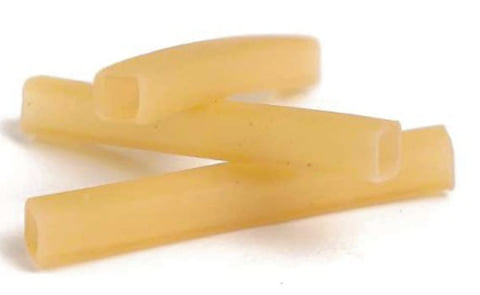
Potato pellets (Squared Tube)
Almounajed food industries offers potato based square tube pellets.

Potato pellets (Square stick)
Almounajed food industries offers potato based square stick pellets.
Browse Companies Offering Otros Aperitivos

Almounajed Food Industries
Almounajed Food Industries se especializa en la producción de chips de pellets. La empresa fue establecida en 2012. Ofrecen snacks de pellets de alta calidad con diferentes bases, formas y tamaños.


Goodrich Cereals
Goodrich Cereals es un fabricante y exportador líder de productos de alta calidad basados en papa, que incluyen copos de papa, copos de papa molidos, granulos de papa, harina de papa y otros productos deshidratados de papa como rodajas, ralladuras, cubos y dados.

Chips de Tortilla 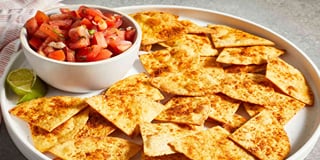
Chips de Tortilla
Snack estilo mexicano (frecuentemente con forma triangular) hecho de masa de maíz.
Obtenga más información sobre Chips de Tortilla
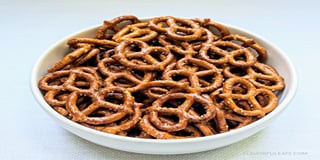
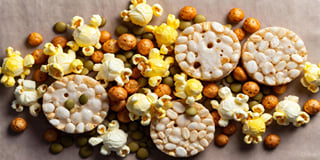
Botanas Extruidas 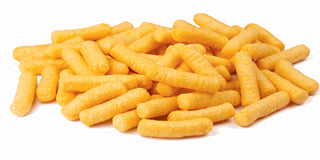
Botanas Extruidas
Botanas extruidas directamente, p. ej. basadas en botanas de maíz o de papa
Obtenga más información sobre Botanas Extruidas
Snacks salados basados en Frijoles, Lentejas, o Guisantes 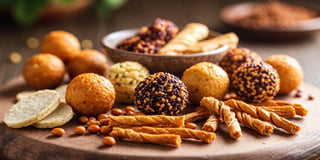
Snacks salados basados en Frijoles, Lentejas, o Guisantes
Como parte de la tendencia para ofrecerle snacks mejores-para-usted - incluyendo la tendencia del enfoque en el contenido de proteínas - diversos fabricantes de snacks salados han incluido snacks salados basados parcialmente o totalmente en frijoles y/o lentajas o guisantes (legumbres).
Obtenga más información sobre Snacks salados basados en Frijoles, Lentejas, o Guisantes
Semillas 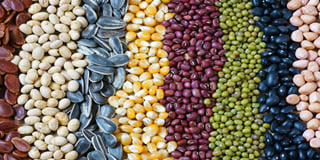
Semillas
Esta sección abarca las Semillas a ser consumidas como snacks (salados). No hay nada aquí sobre la multiplicación de las papas...
Obtenga más información sobre Semillas
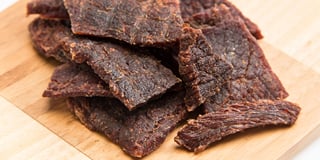
Aperitivos Étnicos Salados 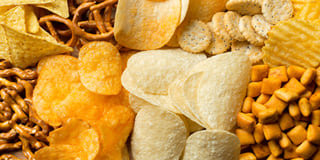
Aperitivos Étnicos Salados
Los aperitivos étnicos salados abarcan los únicos aperitivos salados conocidos localmente con una larga historia. Encontramos muchos de ellos en la India....
Obtenga más información sobre Aperitivos Étnicos Salados

Frequently Asked Questions
Why do “healthy” snacks often fail despite strong nutritional claims?
Many fail because they compromise sensory appeal. Consumers prioritize taste and texture first; health benefits matter only if the snack delivers satisfaction, familiarity and emotional comfort alongside nutrition.
Can functional and medical nutrition snacks bridge the gap between food and healthcare and what are the implications?
Yes, snacks fortified with prebiotics, probiotics or low-GI formulations can support digestive health, immunity and metabolic management. This convergence requires regulatory oversight, scientific validation and targeted education to ensure efficacy and consumer trust.
How are these snacks processed to retain nutrients and taste?
Techniques like freeze-drying, baking, air-puffing and vacuum drying preserve nutrients, flavor and texture, while minimal oil and natural preservatives extend shelf life without compromising health benefits.
Make This Page Even Better!
This content was last updated on Agosto 17, 2026
Have a helpful detail to contribute? Catch something that should be corrected?