

Patrocinador del mes(Learn more)
Noviembre 03, 2025
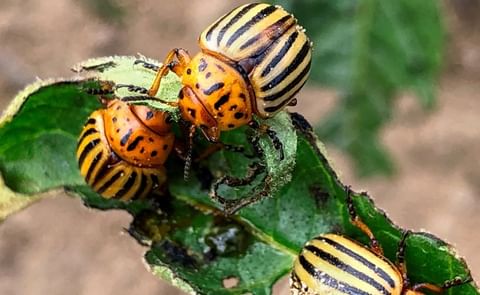
RNA-Based Bioinsecticide ‘Calantha’ Offers Sustainable Solution Against Colorado Potato Beetles
Calantha, a new RNA-based sprayable pesticide, effectively kills Colorado potato beetles while sparing beneficial insects. Most effective on small larvae, it offers a sustainable, targeted solution to combat resistant crop pests.
Septiembre 28, 2025
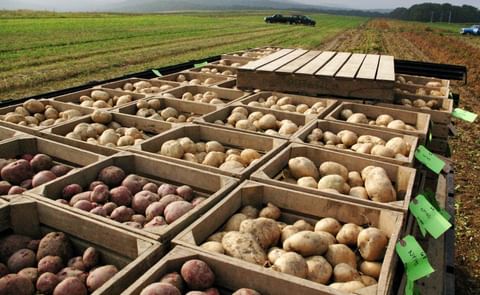
Cornell Celebrates 160 Years of Potato Breeding Research Driving Innovation and U.S. Potato Industry Growth
Cornell marks 160 years of potato breeding, creating 50+ varieties—including top U.S. chip potatoes and nematode-resistant strains. Farmer partnerships and USDA support drive innovation, boosting sustainability and the USD 100B U.S. potato industry.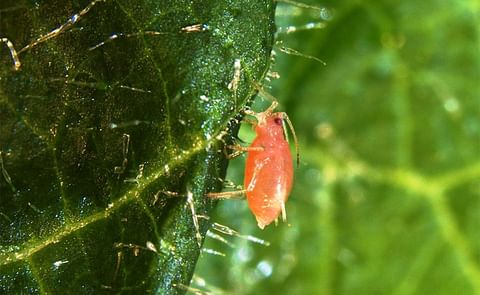
Junio 19, 2019
Científicos descubren interacción clave entre virus de plantas y virus de insectos.
Los áfidos y los virus de plantas que estos transmiten causan daños de miles de millones de dólares a cultivos en todo el mundo cada año.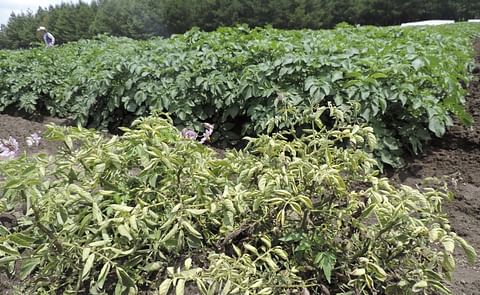
Junio 11, 2019
Cornell University improves global access to potato breeding material
Plant breeders and geneticists of Cornell University have released more than 50 potato varieties since 1908. Now they are expanding their efforts to make more wild potato seeds available to potato breeders around the world.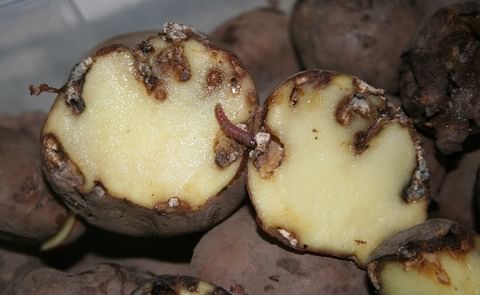
Enero 13, 2018
When pests graze certain potatoes, yields double
When some Colombian potato varieties are lightly grazed by a pest, the plants respond by growing larger tubers, at times doubling their yields. Researchers see an opportunity and want to know more...From the archive

Septiembre 03, 2017
Cornell University to receive 400k for update of nematode research facilities
In a visit to the Nematode Quarantine laboratory at Cornell University last Friday, US Senate Minority Leader Chuck Schumer, announced a commitment of $400,000 from the USDA for the upgrades to the facilities and equipment.From the archive
Contenido Patrocinado
Contenido Patrocinado
Contenido Patrocinado
Agosto 25, 2017
National Potato Council awards scholarship to Adrienne Gorny for nematode research
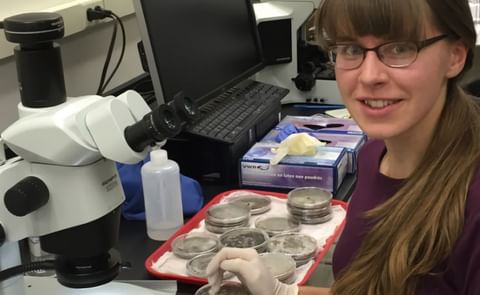
Adrienne Gorny, a fourth-year doctoral student in Plant Pathology and Plant-Microbe Biology at Cornell University, is the recipient of the 2017-2018 NPC Academic Scholarship.From the archive

Octubre 20, 2016
Cornell University receives state grant to upgrade Golden Nematode Lab
Cornell University receives $1.2 million of new state funding to upgrade the Federal Golden Nematode LabFrom the archive

Julio 17, 2016
Dickeya Blackleg: New Potato Disease Causing Major Impact
Dickeya blackleg, often just called Dickeya, is a new disease in the United States. It was severe in 2015 at least partly reflecting hotter weather than previous 2 years when the pathogen likely was present and is developing again in 2016.From the archive
Mayo 05, 2016
Potato plants trigger aboveground defenses in response to tuber attacks
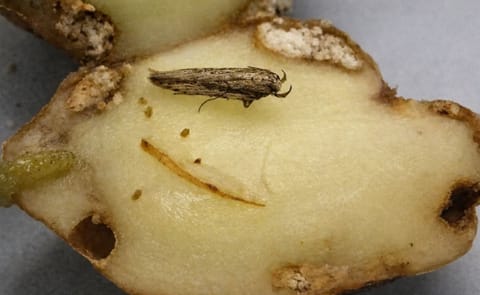
Potato plants boost the chemical defenses in their leaves when Guatemalan tuber moth larvae feed on their tubers, report researchers at the Boyce Thompson Institute (BTI).From the archive

Mayo 10, 2015
New York Senator launches push to replace Cornell University's outdated nematode lab
U.S. Senator Charles E. Schumer has urged the U.S. Department of Agriculture (USDA) to prioritize the replacement and modernization of the Federal Nematode Quarantine Facility at Cornell University in the Agricultural Research Service’s (ARS) Capitol Investment Strategy for Fiscal Year 2016.From the archive
Septiembre 01, 2014
NPC Academic Scholarship awarded to Cornell Grad Luis da Silva
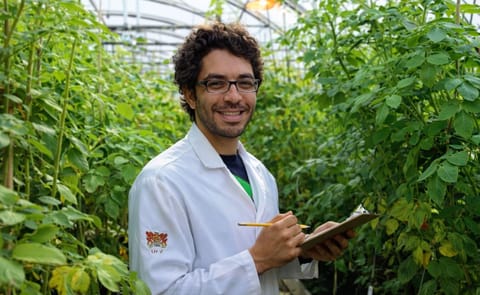
The National Potato Council (NPC) is pleased to award Washington Luis da Silva, a plant pathology Ph.D. student at Cornell University in Ithaca, N.Y., its 2014-15 Academic Scholarship.From the archive
Contenido Patrocinado

Julio 28, 2014
Late blight reappears in Long Island potato, tomato fields
Late blight, a fungal-like pathogen that affects potato and tomato crops, has been confirmed on Long Island for the sixth consecutive year.From the archive
Julio 05, 2012
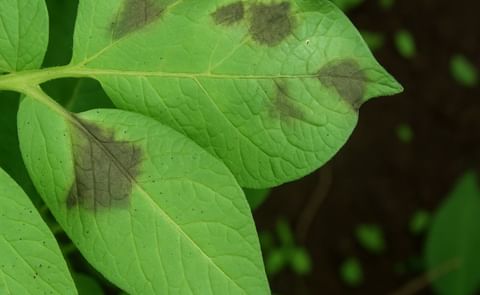
New York State growers warned of late blight
Home gardeners and commercial growers are alerted of the potential introduction of late blight this growing season, as it has been confirmed in Suffolk County.From the archive

Febrero 16, 2012
Nematode restrictions New York State Potato Farms lifted for 300.000 acres.
New York State Agriculture Commissioner Darrel J. Aubertine today announced that the Department, in conjunction with USDA, is removing more than 300,000 acres from regulation for golden nematode.From the archive
Mayo 10, 2011
New Late Blight Tracking System
A new USDA-funded consortium will provide nationwide tracking of late blight infections of potato and tomato. A web site currently under development will allow users to report where late blight has been found, and to sign up for automatic notifications by email or text message when late blight is found nearby.From the archive