


Mayo 10, 2025
Givaudan Launches Myromi™: A Smart Aroma Delivery Device Revolutionising Flavour Co-Creation and Consumer Engagement
Givaudan launches Myromi™, a handheld aroma device for real-time flavour co-creation. Controlled via smartphone, it boosts feedback, speeds development, and enhances collaboration with consumers through an intuitive digital interface.
Mayo 06, 2025
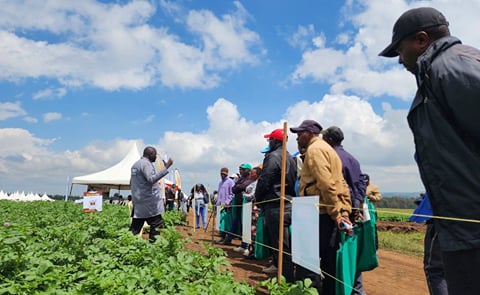
El Congreso Mundial de la Papa 2026 se celebrará finalmente en Kenia.
Kenia será la sede del 13º Congreso Mundial de la Papa en octubre/noviembre de 2026, tras un cambio de sede desde Polonia. Liderado por el NPCK y con el apoyo de socios clave, el evento busca destacar el papel de la papa en la seguridad alimentaria y el crecimiento económico.

Mayo 06, 2025
Mundo: la revolución de la semilla verdadera
El futuro de la innovación en el sector no pasa solamente por el desarrollo de nuevas industrias de procesamiento, sino también por una nueva forma de pensar lo más elemental.

Mayo 05, 2025
Argentina: desarrollo de variedades nacionales
Investigadores y productores mendocinos colaboraron para el desarrollo de dos variedades perfectamente adaptadas paras las condiciones de la provincia.
Abril 30, 2025
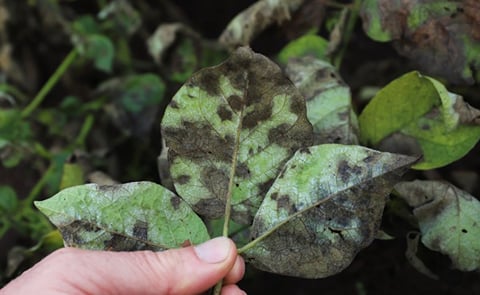
GB Potatoes Secures Three-Year Future for the 'Fight Against Blight' Project with New Funding Commitment
GB Potatoes funds the FAB project for 3 years, boosting UK efforts to monitor and combat potato late blight. Led by James Hutton Institute, FAB provides vital real-time insights on blight strains and resistance, strengthening sector resilience.
Abril 23, 2025
Leaders in the Field: Expert Jury Announced for PotatoEurope 2025 Innovation Award
PotatoEurope 2025, held Sept 3–4 in Lelystad, will feature the Innovation Award recognizing top potato sector innovations. A diverse expert jury will select winners, with strong global interest and the event nearly sold out. Contenido Patrocinado
Contenido Patrocinado
Contenido Patrocinado

Abril 14, 2025
Potato Trials day draws widespread industry interest
The 2025 Hutchinsons Potato Trials Results Day at Worth Farms, Lincolnshire, showcased key field trials and research to help tackle major potato industry challenges, including PCN, herbicide safety, wireworm, catch crops, blight, and Alternaria.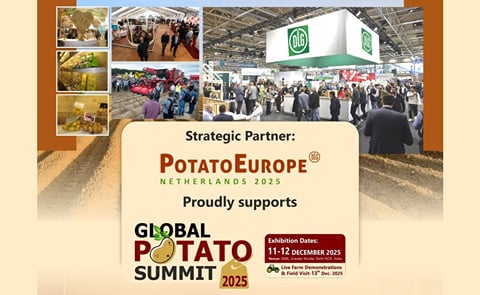
Abril 14, 2025
A Shared Step Forward to Promote Indian - Dutch Potato Value Chain and to Opening New Business Opportunities
Global Potato Summit (GPS) has announced the company Strategic Partnership with PotatoEurope, Netherlands 2025—a step that strengthens the growing synergy between India and the Netherlands in the potato value chain.

Abril 13, 2025
Fera Seeks Partners for Next Phase of Groundbreaking Wireworm Control Research
Fera Science’s Enigma I project is advancing to its second phase, focusing on sustainable wireworm control. Agri-food organizations are invited to join as co-funding partners for tailored research and practical solutions.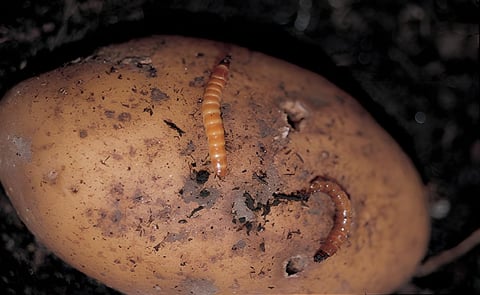
Abril 03, 2025
Innovate UK funds wireworm control project
Emerald Research Ltd (ERL) and a leading potato grower in South West England have won an eighteen-month Innovate UK project to tackle the ever-growing problem of wireworm damage in potatoes.
Marzo 24, 2025
PoLoPo Successfully Scales Functional Protein Production in Potatoes to Outdoor Field Cultivation
PoLoPo, a molecular farming pioneer has announced it has increased its capacity to produce samples for food industry partners with new, larger-scale lab equipment following its first successful outdoor field cultivation of protein-packed potatoes.

Marzo 18, 2025
AAFC research proving diploid breeding is more than just small potatoes
Diploid potatoes are quickly becoming the stud spuds for breeding new commercial potato varieties. Wild diploid potatoes have 2 copies of each chromosome in their DNA, unlike more traditional tetraploid potatoes, like Russet Burbank, which have 4 copies of each chromosome.
Contenido Patrocinado
Marzo 17, 2025
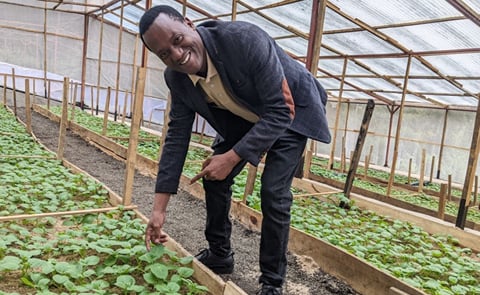
Trials for GMO potato varieties underway in Rwanda
The Rwanda Agriculture and Animal Resource Development Board (RAB) is conducting trials on new potato varieties that require no fungicide spraying

Marzo 15, 2025
Transforming Northern Agriculture: New Technologies, Collaborative Efforts, and Promising Potato Varieties
Agriculture is growing in Canada’s North with new collaborations and technologies. AAFC scientist Dr. Julia Wheeler led research on season extension for potatoes and green beans in northern communities. The study focused on soil health, pest management, and improving food security.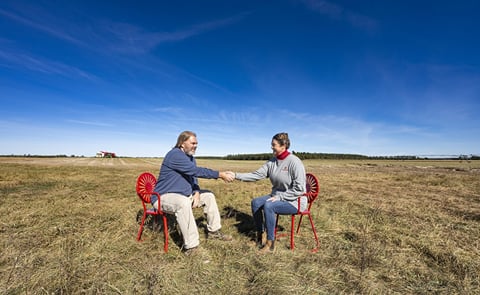
Marzo 09, 2025
UW–Madison researchers and Wisconsin farmers work together to produce healthy potato harvests
Andy Diercks, a fourth-generation potato farmer from the small village of Coloma in central Wisconsin, is blunt about the difficult realities facing family-owned farms today.

Marzo 09, 2025
Seed Potato Production using Apical Rooted Cuttings (ARC) in the Philippines.
Potato farming in the Cordillera Administrative Region (CAR), Philippines, spans 11,000 hectares but struggles with limited high-quality seed potatoes. At the World Potato Congress (WPC) 2024 in Adelaide, Australia, experts highlighted Apical Rooted Cuttings (ARC) as a solution to improve yields.

Febrero 23, 2025
Researchers identify biosynthetic pathway of GlycoAlkaloid formation in potato
Scientists have discovered a way to remove toxic compounds from potatoes, making them safer to eat and easier to store. The breakthrough could cut food waste and enhance crop farming in space and other extreme environments.
Febrero 19, 2025
Scientists chip away at potato storage problems
They’re one of the UK’s most loved staples, providing around half of our carbohydrate intake as a nation and supporting over 20,000 farm, transport and manufacturing jobs.