

Sweet Potatoes Are NOT Potatoes And Here is the Truth Everyone Misses
Sweet potatoes and potatoes are not related in any meaningful botanical sense. Their evolutionary paths split more than 100 million years ago, leaving them connected only at the distant level of the order Solanales far too remote for any genetic, agricultural or nutritional overlap. Sweet potatoes, classified as Ipomoea batatas, belong to the morning glory family (Convolvulaceae) and form storage roots. Potatoes, Solanum tuberosum, belong to the nightshade family (Solanaceae) and develop stem tubers. This fundamental difference in origin and structure alone shows that the two crops evolved independently, adapted to entirely different climates and cannot hybridize.
Understanding this separation also explains their biological differences. Potato foliage contains solanine, a natural toxin, making the leaves unsafe to eat, while sweet potato vines are commonly consumed in many cultures. Their nutritional profiles diverge as well: sweet potatoes accumulate beta carotene, giving them their characteristic orange color and antioxidant strength, while potatoes specialize in potassium, vitamin C and resistant starch. Their agronomy reflects their ancestry sweet potatoes require warm, vine-friendly environments, whereas potatoes thrive in cooler, high altitude regions.
The confusion between the two began in the 16th century, when European explorers used overlapping words like “batata” and “patata” for newly encountered American tubers. This naming error persisted largely in English, even though many other languages kept the distinction clear; Spanish speakers say “camote” for sweet potatoes and “papa” for potatoes, and Indigenous languages such as Quechua and Polynesian traditions use completely separate names as well. Modern DNA studies, including a major 2018 Nature genomic analysis, confirm that the similarity between sweet potatoes and potatoes is purely superficial and has no evolutionary or genetic basis.
Despite their unrelated origins, both crops became global staples because they share one ecological strategy storing starch underground. But this similarity is only functional, not familial. Agricultural institutions like the International Potato Center repeatedly highlight this fact to prevent misunderstandings in breeding programs or crop management. In reality, sweet potatoes and potatoes are botanical strangers that happen to fill similar roles in human diets. Respecting the distinction honors their separate histories, adaptations and nutritional strengths.
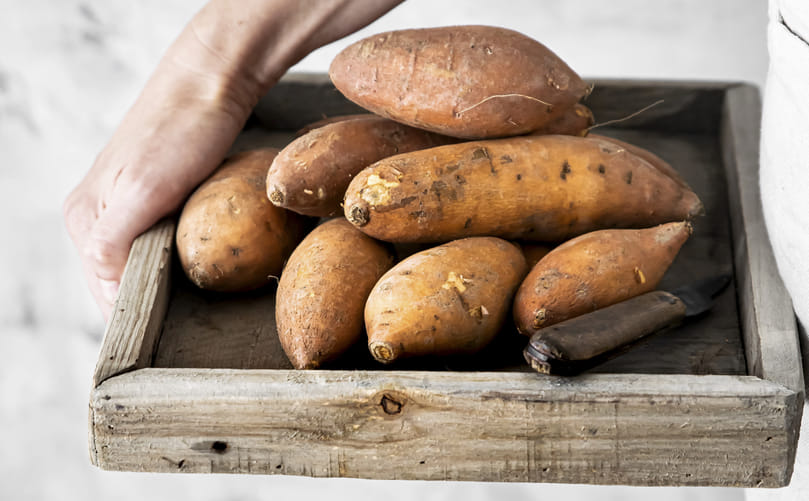
“Sweet Potato (Ipomoea batatas): A Nutrient-Rich Storage Root”
Botanical Classification and Evolutionary Divergence of Sweet Potato and Potato
Sweet potatoes binomial name is Ipomoea batatas (L.) Lam., a dicot placed in the order Solanales, Asterid clade and family Convolvulaceae (the morning glory family, Approximately 60 genera and Approximately 1,650 species). Members of this family are recognized by sympetalous corollas, contorted (twisted) aestivation and the presence of latex-bearing tissues. The genus Ipomoea, with more than 500 species, includes many tropical vines such as bindweed and water spinach. Classified within tribe Ipomoeeae, sweet potato diverged from the lineage leading to potato roughly 100–120 million years ago in the Late Cretaceous, according to APG IV phylogenetic analyses. This deep split explains its characteristic twining stems and its evolution of fleshy storage roots rather than true tubers.
The regular potato, Solanum tuberosum L., is also a dicot within Solanales, but belongs to the Lamiid clade and the family Solanaceae (nightshades, Approximately 90 genera and Approximately 2,700 species). Solanaceae typically exhibit actinomorphic, pentamerous flowers, often an inferior ovary and production of alkaloids. The genus Solanum one of the largest angiosperm genera with over 1,500 species includes tomatoes, eggplants, peppers and numerous wild relatives.
Although both families share certain Solanales traits, such as a bicarpellate gynoecium and unitegmic ovules, their floral biology differs markedly: Convolvulaceae corollas are usually contorted and adapted for generalist bee visitation, while Solanaceae flowers frequently rely on buzz-pollination via poricidal anthers. Their chemistry also diverges Convolvulaceae latex is tropane-free and rich in resins, whereas Solanaceae specialize in steroidal glycoalkaloids like solanine, key to herbivore defense.
Chromosomally, sweet potato is a hexaploid (2n = 90), while potato is typically a tetraploid (2n = 48), creating a major barrier to any hybridization attempts and shaping their breeding complexity. Historically, Linnaeus described both genera in 1753, with Thunberg (1797) further clarifying the circumscription of Ipomoea. Modern DNA barcoding using markers such as matK and rbcL confirms that the two crops share no close relationship beyond being in the same order.
Ecologically, Convolvulaceae species often dominate twining vines in disturbed tropical habitats, whereas Solanaceae occur across diverse temperate and tropical environments and include important model organisms such as tobacco. These ecological and genomic differences influence agricultural use sweet potatoes polyploid genome slows genetic analysis and breeding progress, while potato, with increasingly accessible diploid breeding systems, is more amenable to CRISPR and other precision-editing methods.
From a conservation standpoint, several wild Ipomoea species are designated as vulnerable by the IUCN, while wild Solanum diversity though broader is also threatened as agricultural expansion reduces its native habitats.
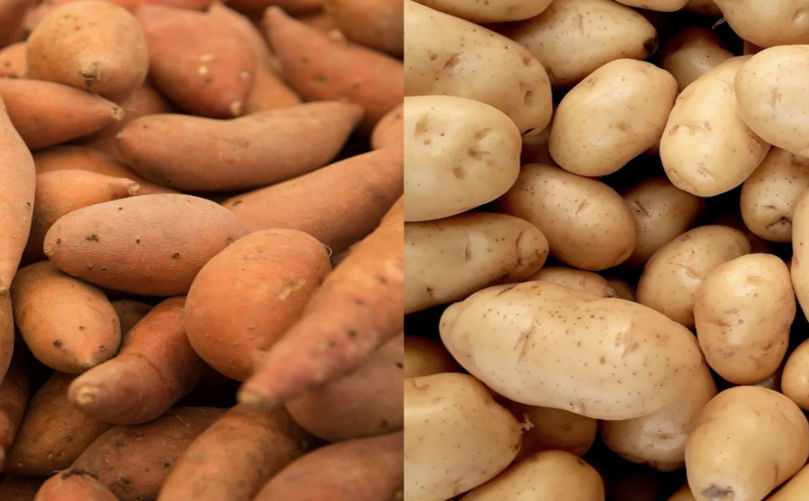
Sweet Potato & Potato Same Look, Different Worlds
Root vs Stem: The True Botanical Difference Between Sweet Potatoes and Potatoes
At its core, the sweet potato storage organ is a true root, an enlarged adventitious storage root arising from the plants basal hypocotyl and fibrous root system. It accumulates carbohydrates within concentric rings of xylem and phloem, similar to a carrot but richer in starch and sugars. A cross-section shows no nodes, no buds and no internodes only smooth, cambium derived tissues because it is a root, not a stem. Thin feeder roots branch off separately for water and nutrient uptake.
The aboveground sweet potato plant is a perennial herbaceous vine that may extend 5–20 m in tropical climates. It twines clockwise and bears alternate, heart-shaped leaves (5–13 cm) and funnel shaped flowers with a pentagonal corolla (lavender-white, Approximately 5 cm). In cultivation, flowering is rare and seed set is limited due to self incompatibility. This creeping, twining habit evolved in Central American forest understories, where horizontal spread and shade tolerance improved survival and light capture.
In contrast, the potato forms a stem tuber, a swollen subterranean stolon (a modified rhizome) that arises from axillary buds on the main stem. Potato tubers display clear nodes (eyes) with tiny scale leaf scars and internodes, along with a central pith and scattered vascular bundles definitive stem features. Each eye can sprout a new shoot, enabling highly efficient clonal propagation.
The potato plant itself is an annual, erect forb reaching 30–100 cm tall, with compound, odd-pinnate leaves (7–11 leaflets) and white to purple, wheel shaped flowers (Approximately 2 cm) that can develop into toxic green berries containing hundreds of seeds. Its architecture is adapted to the open Andean paramos, where stolons extend horizontally underground before thickening into tubers.
Botanically, root tubers like sweet potatoes regenerate poorly from fragments because they require intact vascular continuity, whereas stem tubers like potatoes regenerate vigorously from any piece containing an eye. This distinction affects harvesting: sweet potatoes need careful lifting to avoid breaking fragile storage roots, while potatoes are easily collected using ridging and lifting tools.
Their evolutionary storage strategies differ as well: sweet potatoes accumulate polyfructans and sucrose to withstand drought, whereas potatoes store amylose and amylopectin starches adapted to cold highland nights. The foliage also contrasts sharply sweet potato leaves are edible and protein rich, widely consumed as vegetables or forage, while potato leaves are toxic due to solanine. Microscopically, sweet potato roots develop a suberized cork periderm, whereas potato stem tubers show lenticels for gas exchange.
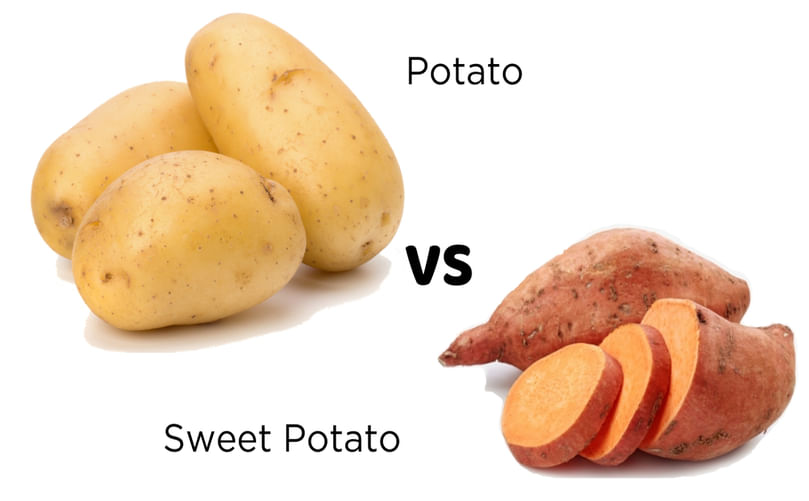
Root vs Tuber: The Real Science Behind Sweet Potatoes and Potatoes
The Domestication and Global Journey of Sweet Potato and Potato
Sweet potatoes (Ipomoea batatas) trace their origins to the diverse neotropical lowlands and highlands of Central and South America. Archaeological evidence indicates domestication occurred around 8,000–10,000 years ago, spanning regions from modern day Mexico’s Yucatan Peninsula to Peru’s coastal valleys. Starch grains recovered from stone tools at the Los Cedros site in Ecuador, dated to 6,500–8,000 BCE, confirm early human selection for larger, sweeter tubers derived from wild Ipomoea trifida, which diverged genetically roughly 800,000 years ago. By 5,000 years ago, domesticated sweet potatoes had spread widely across Mesoamerica, as evidenced by charred remains found in Mayan sites such as Joya de Ceren (El Salvador, Approximately 600 CE), where they were stored in granaries alongside maize.
One of the most intriguing aspects of sweet potato history is their pre-Columbian arrival in Polynesia. Carbon-dated tubers from Mangaia (Cook Islands, Approximately 1000 CE), coupled with genomic analyses showing identical haplotypes to South American wild relatives, indicate intentional transport by seafaring voyagers across approximately 7,000 km of ocean supporting the "tripartite hypothesis" of trans-Pacific introductions from South America, possibly via intermediary Oceanic settlements.
In contrast, potatoes (Solanum tuberosum) were domesticated independently in the Andean highlands near Lake Titicaca (Peru and Bolivia) around 7,000–10,000 years ago. The oldest macro-remains, such as those from Guitarrero Cave (Approximately 10,000 BCE), show selection from bitter wild Solanum brevicaule for non-toxic, higher-yield forms. By the time of the Inca Empire, agronomists had developed over 3,000 landraces, employing techniques like chuno (freeze-dried tubers) for long-term storage in high-altitude environments, as documented in Spanish chronicles including those of Garcilaso de la Vega.
Potatoes remained largely Andean until the Spanish Conquest (1570s), when they were transported to Europe via Lima. They arrived in Spain as “papas” (from Quechua), and the English term “potato” initially referred to sweet potatoes, appearing in Shakespeare’s Henry V (Approximately 1590). By the 1700s, “sweet potato” was adopted to differentiate the tropical tuber from the newly introduced European potato. Polynesian oral histories, such as Hawaiian legends of the god Maui retrieving sweet potatoes from “Avaiki”, align with DNA evidence indicating a South American origin, ruling out Asian wild progenitors.
Today, modern gene banks like the International Potato Center (CIP, Lima) conserve over 4,000 potato accessions and more than 7,000 sweet potato types, preserving the genetic legacy and global diffusion of these crops. Domestication pressures diverged according to environment: sweet potatoes were selected for tropical resilience and starch-rich storage, while potatoes were optimized for frost tolerance and high-altitude cultivation. Both crops shaped ancient civilizations sweet potatoes for the Mayans and potatoes for the Incas and ultimately influenced global agriculture through post-Columbian trade and migration
Genetic and Biochemical Foundations of Sweet Potatoes and Potatoes
Sweet potatoes possess one of the most intricate genomes in modern agriculture. They are an auto-allohexaploid, carrying six sets of 15 chromosomes (2n = 6x = 90) that arose through two ancient whole-genome duplication events followed by hybridization between two ancestral species. This mosaic origin created a genome filled with repetitive sequences, structural duplications and extreme heterozygosity, which is why a high-quality reference sequence only became available between 2017 and 2020. The genetic complexity slows breeding; despite global demand, most improvements still rely on mass selection, clonal selection or mutation breeding rather than efficient controlled crosses.
Color expression in sweet potatoes is a classic example of single gene control acting on polyploid complexity. The IbOr (Orange) gene, when over-expressed, converts ordinary amyloplasts into carotenoid-packed chromoplasts, causing the intense orange flesh of modern OFSP varieties. A dominant allele can shift a traditionally white-fleshed lineage into a beta-carotene rich orange type. Purple-fleshed varieties rely on the IbMYB1-2 transcription factor, which activates the entire anthocyanin biosynthesis pathway within the storage root, producing vivid purple pigments rich in cyanidin and peonidin derivatives.
Potatoes, by contrast, are autotetraploid (4×12 = 48 chromosomes) but function genetically like diploids in breeding programs because of severe inbreeding depression. This forces breeders to maintain potato improvement through highly heterozygous clonal lines rather than true seed, which is why iconic cultivars such as ‘Russet Burbank’ over 150 years old still dominate the industry. One of the major safety achievements in potato breeding has been regulating glycoalkaloid biosynthesis via the GAME gene cluster, reducing total solanine + chaconine levels from 20 mg/100 g in wild relatives to well below 10 mg/100 g in modern table potatoes.
Sweet potatoes contain no glycoalkaloids, but they produce ipomeamarone, a defensive furanoterpenoid synthesized when the root is wounded or infected. Though toxic to livestock in high doses, it is rarely a concern in human diets because it accumulates only under severe stress. Potatoes contain trace amounts of kukoamines, compounds associated with mild blood pressure lowering effects, while sweet potatoes uniquely store sporamin proteins, which make up nearly 80% of the soluble protein in the storage root. These sporamins have antioxidative and trypsin inhibitory properties and are being investigated as potential anticancer peptides in laboratory studies.
Anthocyanin chemistry unites both crops: purple potatoes and purple sweet potatoes share similar pigment profiles dominated by cyanidin and peonidin glycosides, though sweet potatoes typically have higher stability in cooked and processed forms. In metabolism, sweet potatoes tend toward carotenoid accumulation, while potatoes emphasize chlorogenic acid pathways and precursors for resistant starch formation, shaping their nutritional and culinary differences.
Genome editing has begun reshaping both species. Chinese researchers successfully used CRISPR to knock out IbGBSSI, creating waxy sweet potato lines with altered starch profiles. At CIP, gene editing of the potato Sli gene enabled self compatibility, unlocking the era of true potato seed breeding and accelerating progress toward hybrid potato varieties that could transform global seed systems.
Sweet Potato vs Potato: Nutritional Deep Dive (200 g Baked, Skin On)
Calories and Carbohydrates: A 200 g baked serving of orange sweet potato provides roughly 180 kcal, virtually identical to the 186 kcal found in a comparable serving of white potato. The total carbohydrate content is also similar, with sweet potatoes containing about 41 g and potatoes around 43 g. However, sweetness differs significantly: orange sweet potatoes contain approximately 13 g of natural sugars, compared to only 2 g in potatoes, explaining their naturally sweeter flavor.
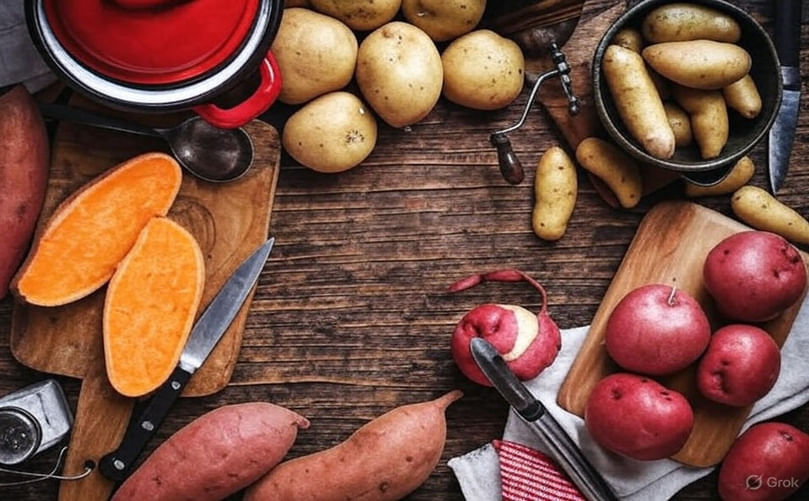
Whether it is potatoes or sweet potatoes, keeping the skin on turns them into powerhouse nutrition boosters.
Fiber and Protein: Sweet potatoes are richer in dietary fiber, providing about 6.6 g per serving versus 4.4 g in potatoes, giving them an advantage for digestive health. Protein content is similar in both, around 4 g per serving, but potato protein has a slightly higher biological value (PDCAAS 0.99 compared to sweet potato’s Approximately 0.85), meaning it offers more usable amino acids per gram.
Vitamin Content: Vitamin A represents the most striking nutritional difference. Orange sweet potatoes are extraordinarily rich in beta-carotene, delivering 2,100–2,800% of the daily value (38,000–55,000 IU), while purple varieties provide 20–100% DV from other carotenoids and white sweet potatoes around 2%. Potatoes, by contrast, contribute almost no vitamin A (0–2% DV). Vitamin C levels are comparable, though potatoes generally provide slightly more (40–50% DV) than baked sweet potatoes (35–45% DV), and their content is more heat-stable during cooking.
Minerals: Potatoes are a powerhouse for potassium, offering approximately 1,900 mg (40% DV) per serving, nearly double that of sweet potatoes at 950 mg (20% DV). In addition, potatoes tend to be higher in iron, magnesium and phosphorus, whereas sweet potatoes are richer in manganese and pantothenic acid.
Resistant Starch and Glycemic Load: Resistant starch, which functions as a prebiotic, is significantly higher in cooked and cooled potatoes, providing 10–15 g per serving compared to 3–6 g in sweet potatoes. Glycemic load varies by type and preparation: baked orange sweet potatoes range from 30–40 (high), baked purple sweet potatoes around 20–25 and cooled boiled white potatoes 15–20 (low–moderate). This makes the choice between the two dependent on both glycemic control goals and preparation method.
Antioxidants and Bioactive Compounds: Purple sweet potatoes are particularly rich in anthocyanins (100–300 mg per serving), levels comparable to blueberries, whereas purple potato varieties contain slightly lower amounts. Orange sweet potatoes provide substantial beta carotene along with phenolic compounds, while white varieties of both tubers contain the lowest levels of antioxidants.
Anti-Nutrients and Safety: Both crops are generally low in anti-nutrients. Sweet potatoes contain moderate levels of oxalates (80–150 mg per serving), whereas modern potato cultivars have glycoalkaloids below 10 mg, making both safe for regular consumption with proper cooking.
Recent Functional Insights: Recent studies (2020–2024) have highlighted health benefits beyond basic nutrition. Purple sweet potato extracts were shown to reduce blood pressure by 8–12 mmHg in hypertensive trials. Similarly, resistant starch from cooled potatoes increased colonic butyrate production by 300%, comparable to inulin supplementation. Biofortified orange sweet potatoes were shown to reduce vitamin A deficiency prevalence by 20–40% in African child cohorts, according to HarvestPlus 2023 data.
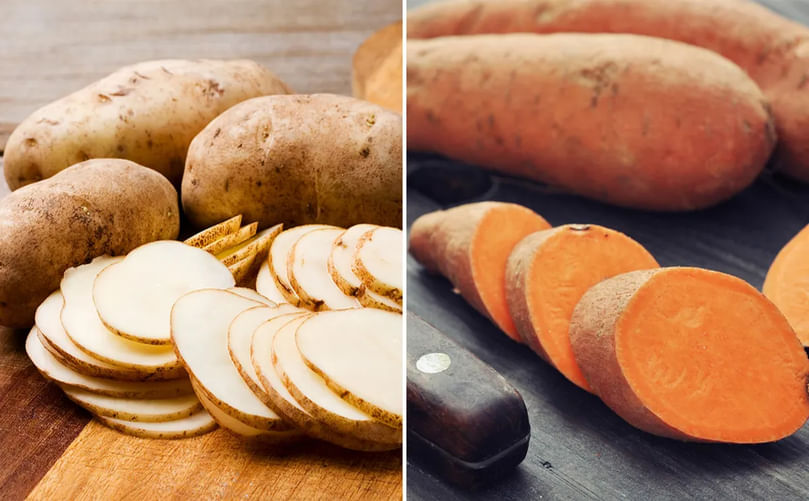
Sweet Potato or Potato? Separating Facts from Fiction
Sweet Potatoes vs White Potatoes: Debunking Myths and Nutritional Realities
Glycemic Index and Resistant Starch: The notion that sweet potatoes are always healthier than white potatoes is misleading context matters. A cooled, boiled white potato can have a glycemic index (GI) as low as 50–60 and 7–12 g resistant starch per serving, outperforming most baked orange sweet potatoes (GI 80–94) for blood sugar control. Resistant starch formation increases dramatically when potatoes are cooled and even reheated, improving gut microbiome diversity more effectively than many prebiotic supplements.
Diabetes Risk and Epidemiology: Harvard 2016–2020 Nurses Health Study cohorts showed that boiled or baked potatoes, when not fried, were associated with lower type-2 diabetes risk, while fries and chips increased risk. This highlights that the tuber itself is not the villain; preparation methods are critical.
Micronutrients and Biofortification: Orange-fleshed sweet potatoes (OFSP), biofortified through programs like HarvestPlus in Mozambique and Uganda, successfully reduced vitamin A deficiency by 15–30% in children. White potatoes, in contrast, provide more potassium per calorie than bananas and significant vitamin B6, supporting neurotransmitter synthesis and cardiovascular health.
Anti-Nutrients and Health Concerns: Claims that nightshades cause inflammation are largely pseudoscientific. Modern potato cultivars contain glycoalkaloids at negligible levels (4–8 mg/100 g) one would need to consume 5–10 kg daily to approach toxicity. Sweet potatoes contain sporamins (storage proteins with trypsin inhibitor activity) and moderate oxalates (50–150 mg/100 g in skin), which may reduce protein digestibility or affect susceptible individuals with kidney stone risk. Neither tuber is inherently “unhealthy” in practical consumption amounts.
Cooking Effects and Food Safety: Fried potatoes can produce acrylamide due to higher asparagine content, though sweet potato fries also form it. Cooking methods, temperature and time matter far more than the tuber itself. Both tubers are naturally gluten-free, and levels of lectins or nightshade alkaloids become negligible after cooking.
Satiety and Weight Management: Potatoes rank highest on the Satiety Index, scoring 323% fuller than white bread, outperforming even beef or fish. They are excellent for weight management, provided they are not overloaded with fats or toppings.
Antioxidants and Anti-Inflammatory Properties: Purple sweet potato varieties are rich in anthocyanins, demonstrating strong anti inflammatory effects in rodent models, though human trials remain limited. Orange sweet potatoes contribute carotenoids, while white potatoes provide minerals and B-vitamins. Both offer unique, complementary nutritional benefits.
Both sweet potatoes and white potatoes are nutritional powerhouses. Demonizing one over the other is diet culture nonsense; the real determinants of health outcomes are variety, preparation method and portion control.
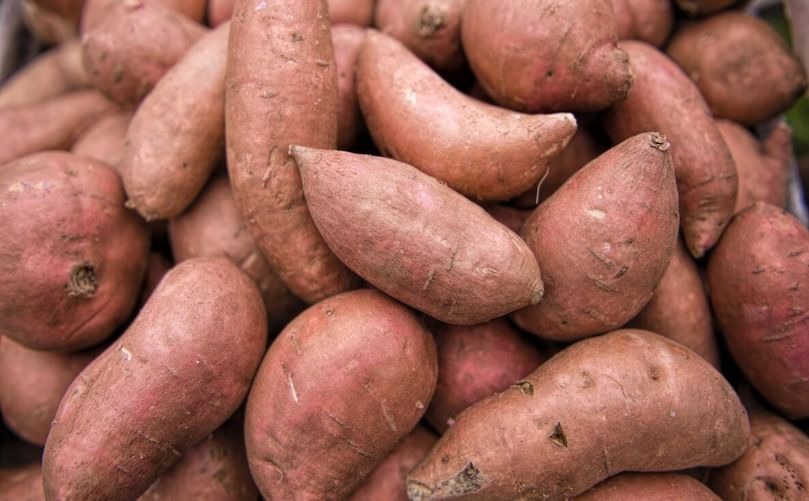
Myth vs Reality: The Ultimate Sweet Potato Nutrition Showdown
Global Sweet Potato and Potato Cultivars: Diversity, Traits and Modern Breeding
Sweet Potato Cultivars: Globally, sweet potato cultivars number over 8,000, broadly classified into three major groups. The moist orange-fleshed types, popular in the U.S., include Beauregard, Jewel, Covington and Evangeline, notable for their high beta-carotene content (15,000–30,000 µg/100 g). These varieties deliver rich sweetness and vibrant orange flesh. Dry white or yellow fleshed types, such as the Japanese satsuma-imo cultivars like Beni Azuma, Hannah and O’Henry, feature a chestnutty flavor, lower sugar content and firmer texture, making them ideal for steaming or roasting. Purple-fleshed varieties, including Stokes Purple, Okinawan/Hawaiian, Korean Jami and Murasaki, contain 50–200 mg/100 g anthocyanins, offer a nuttier taste, and generally have a lower glycemic index.
Recent biofortified orange-fleshed varieties released by the International Potato Center (CIP) in Africa, such as ‘King J’ and ‘NASPOT 13’, yield 30–50 t/ha and provide 300–500% of daily vitamin A requirements in a single serving. Historically, heirloom Caribbean varieties like ‘Porto Rico’ popularized the moist orange fleshed type in the early 1900s.
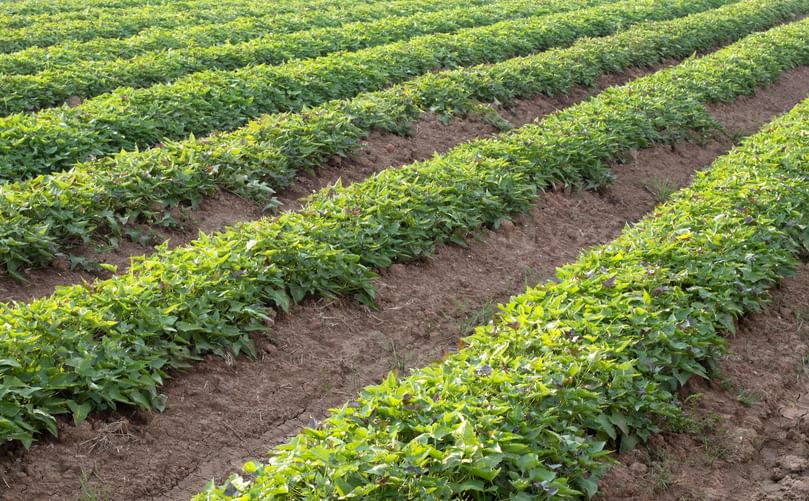
Thriving Sweet Potato Crop in Open Fields
Potato Cultivars: Potato varieties exceed 5,000 globally and are generally grouped by starch content and culinary use. High-starch russets, including Russet Burbank (over a century old, standard for McDonald’s fries), Ranger Russet and Alturas, are ideal for baking and frying. All-purpose yellow-fleshed types, such as Yukon Gold (descended from Inca Gold), have a buttery flavor from natural carotenoids. Waxy red varieties, including Red Norland and Chieftain are preferred for salads. Fingerlings like French Fingerling and AmaRosa offer nutty, colorful tubers, while purple or blue types such as Purple Peruvian and Adirondack Blue are rich in anthocyanins and are increasingly used as natural food colorants.
Specialty cultivars include Andean papa seca varieties for making chuno, the German salad potato Linda (historically banned and later reinstated) and Shepody, commonly grown for chips. Modern potatoes display diverse skin and flesh colors from copper, red, brown or purple skins to white, cream, orange or purple flesh. Texture ranges from floury types like King Edward to firm salad varieties like Charlotte.
Modern Breeding and Agricultural Trends: Modern breeding emphasizes disease resistance, nutritional enhancement, and climate resilience. CIP diploid potato hybrids (2020s) allow propagation from true seeds instead of tubers, reducing virus transmission in developing countries. Colored flesh potatoes red, purple contain 2–4 times higher antioxidants than white varieties, providing health benefits comparable to purple sweet potatoes. Breeding goals also include late-blight resistance (e.g., Sarpo Mira), drought tolerance and lines with lower acrylamide formation during frying.
In the U.S., top varieties for 2024–2025 include Covington (covering approximately 50% of sweet potato acreage) and Russet Norkotah for potatoes, reflecting market preference and agronomic performance.
Sweet Potato vs Potato: Cooking Science, Texture and Culinary Applications
Enzyme Activity and Sweetness: Sweet potatoes contain active beta amylase, which becomes hyperactive at 63–77 °C. During baking or roasting, this enzyme rapidly converts starch into maltose, making sweet potatoes dramatically sweeter over time. This natural enzymatic activity explains why baked orange fleshed varieties often taste like dessert without added sugar. White potatoes, in contrast, lack significant beta amylase activity at typical cooking temperatures, so their flavor remains savory and starchy.
Texture Differences: The contrast in texture between sweet potatoes and potatoes is striking. Moist orange-fleshed sweet potatoes turn creamy and custard like when baked, thanks to high moisture content and starch dextrinization. Dry-fleshed white or Japanese varieties remain fluffy and chestnut-like. Russet potatoes achieve a mealy, fluffy texture due to high starch and low moisture causing cell rupture, whereas waxy red potatoes maintain shape, making them ideal for salads.
Browning and Maillard Reactions: Sweet potatoes brown faster than potatoes because of their higher sugar content, triggering the Maillard reaction at lower oven temperatures. To prevent burning, bakers often lower oven heat or use foil. When frying, sweet potato fries caramelize quickly and can soften if overcooked, while potato fries require blanching and double-frying to achieve crispness.
Boiling, Baking, and Pie Applications: Boiling sweet potatoes leaches sugars, reducing sweetness, whereas potatoes retain more of their flavor. In baking, the natural moisture in sweet potatoes allows for less added liquid in pies, producing creamy textures, while potato pies tend to be starchier and require egg for binding. Gnocchi made from sweet potatoes can become gummy due to lower amylose content, whereas potato gnocchi remains light and pillow like.
Fermentation and Beverages: Sweet potatoes are used in Korean shochu/soju, producing a fruity and aromatic spirit, whereas potatoes yield clean, neutral vodka, exemplified by brands such as Chopin and Boyd & Blair.
Asian and African Cuisine: In Asian cuisine, purple sweet potatoes create striking dishes like ube halaya or Japanese imo mochi, while potatoes are commonly used in takoyaki batter or Korean gamja-jeon pancakes. In Africa, fufu made from sweet potatoes is softer and less firm than traditional preparations using true yams.
Desserts and Savory Dishes: Southern U.S. candied sweet potatoes are intensely sweet and dessert like, whereas Irish dishes like champ or colcannon rely on potato’s neutral flavor as a base for butter and scallions. Both tubers perform well in tempura, though sweet potatoes require a cornstarch dusting to achieve crispiness.
Leaves and Raw Consumption: Sweet potato leaves are edible and widely consumed, such as camote tops in Filipino ginataan, while potato leaves are toxic and should never be eaten.
Culinary Bottom Line: Sweet potatoes and potatoes overlap in approximately 60% of recipes, but each shines in different contexts: sweet potatoes excel in natural dessert applications, while potatoes offer savory versatility and structural reliability in diverse culinary preparations.
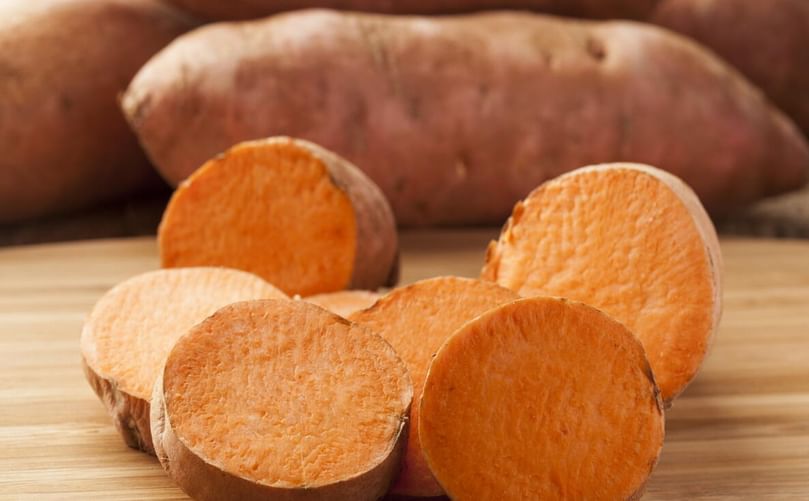
Is the Sweet Potato the Undisputed Champion of Healthy Veggies?
Sweet Potato and Potato Cultivation: Propagation, Agronomy and Global Production
Propagation and Planting: Sweet potatoes are almost exclusively propagated vegetatively through slips. Slips are 25–40 cm vine cuttings taken from mature plants or sprouted tubers, also called “seed roots” or “mother roots.” These are bedded in moist sand or soil to produce 10–30 slips per tuber. Slips are planted on ridges or mounds, spaced 30–40 cm apart within rows 90–120 cm wide to allow optimal root expansion. This clonal propagation preserves exact genetics but can perpetuate viruses across generations, making the use of certified virus-indexed stock, such as that produced in North Carolina State University’s micropropagation labs, crucial for commercial yields. Under ideal conditions, average yields range from 20–40 t/ha, with top farms reaching 60+ t/ha with irrigation.
Potatoes are propagated from certified seed tubers or in breeding programs, from true potato seed. Tubers are cut into 50–70 g pieces containing 2–3 eyes, treated with fungicide, and planted 10–15 cm deep in rows 75–90 cm apart. Repeated hilling is done to prevent greening and encourage stolon tuberization.
Climate and Soil Requirements: Sweet potatoes require long, hot growing seasons of 120–150 frost-free days, with optimal daytime temperatures of 24–35 °C and night temperatures above 15 °C. They thrive in well-drained sandy loams with pH 5.5–6.5, while heavy clay soils cause misshapen roots and waterlogging triggers rot.
Potatoes prefer cooler climates, with optimum growth at 15–20 °C, tolerating light frost. Loamy soils with pH 5.0–6.5 are ideal and the crop requires a shorter season of 90–120 days. Climate change favors sweet potatoes in warming regions, while potatoes experience heat stress above 30 °C, reducing tuber set.
Global Production and Key Varieties: Major sweet potato producers include China (60–70 million tons on Approximately 5 million ha, often intercropped with maize), Nigeria, Tanzania, Uganda (focused on orange-fleshed biofortified varieties) and the U.S., where North Carolina supplies 60% of production, predominantly the Covington variety.
Potatoes are widely grown in China, India, Ukraine, Russia and the U.S., with key U.S. states including Idaho and Washington. Top varieties include Russets for processing and Yukon Gold for table use.
Pest and Disease Management: Sweet potato pests include the sweetpotato weevil (Cylas formicarius), a quarantine pest in many countries, managed through sex pheromones, neem or resistant varieties like ‘Regal.’ Wireworms and nematodes are controlled using crop rotation and trap crops such as marigolds. Diseases like Fusarium wilt, Streptomyces soil rot and viral complexes (SPVD in Africa) can reduce yields by 50–90%, mitigated through resistant clones such as the ‘Naspot’ series from Uganda.
Potato pests include the Colorado potato beetle, managed with Bt sprays, neem or neonicotinoids. Late blight (Phytophthora infestans) remains a significant threat, historically causing the Irish famine, now managed with fungicides like Ridomil or resistant varieties such as ‘Sarpo.’
Fertility, Rotation and Mechanization: Sweet potatoes fix little nitrogen and tolerate low fertility soils, while potatoes are heavy feeders, requiring 150–250 kg/ha NPK. Both crops benefit from 4–6 year rotations to break pest and disease cycles. Mechanization differs: sweet potatoes are harvested by hand or with modified peanut diggers to avoid skin damage, whereas potatoes are harvested with specialized machinery that separates soil and stones.
Sustainable Practices and Climate Adaptation: Sustainable practices, including cover cropping, drip irrigation and biofortified releases, have doubled African sweet potato yields over the past decade. Sweet potatoes’ heat tolerance positions them favorably under climate change, whereas potatoes require adaptation strategies to prevent heat stress and reduced tuber production.
The Hidden Science of Storage: Why Sweet Potatoes and Potatoes Live in Two Completely Different Worlds
Sweet Potato Curing and Storage: Sweet potatoes require a mandatory curing process immediately after harvest, typically 4–14 days at 29–32 °C &with 85–95% relative humidity and good ventilation. Curing serves multiple purposes: it heals skin wounds, thickens the periderm and activates alpha-amylase, which converts starch to sugars, dramatically enhancing sweetness and extending shelf life. Without proper curing, sweet potatoes are highly susceptible to chilling injury below 13 °C, which manifests as hard, discolored cores (“hardcore”) and increased vulnerability to fungal rots such as Rhizopus soft rot (Rhizopus stolonifer) or black rot.
Curing also reduces respiration rate and ethylene production, enabling storage for 12–18 months at 13–16 °C in well-ventilated sheds, as practiced in tropical regions like Africa and Asia. Farmers often use sand beds, pit storage or evaporative coolers, whereas commercial operations rely on forced-air curing rooms. Post-cure, sweet potatoes must never be refrigerated, as chilling causes pithiness, off-flavors, and internal browning due to membrane damage.
High humidity (85–90%) is critical to prevent weight loss and shriveling, while wax coatings or perforated plastic liners can extend market life by 2–4 weeks. Major post-harvest pathogens include Fusarium surface rot, Java black rot (Lasiodiplodia theobromae), and bacterial soft rot (Erwinia spp.), often entering through harvest wounds. Losses can reach 30–50% in humid tropics without proper handling.
Recent innovations include 1-MCP (1-methylcyclopropene) to block ethylene receptors and controlled-atmosphere storage (3–5% O₂, 5–10% CO₂) in U.S. facilities, pushing shelf life beyond 18 months. Sweet potatoes rarely sprout due to weak dormancy, making long-term storage feasible under proper conditions.
Potato Storage: Potatoes require cool, dark and humid conditions, a stark contrast to sweet potatoes. Ideal storage is 4–10 °C, 90–95% humidity, in total darkness, with sprout inhibitors such as CIPC (chlorpropham) or natural alternatives like spearmint oil or low dose ethylene gas. Light exposure triggers chlorophyll synthesis and solanine accumulation, which can rise from 2–10 mg/100 g to over 50 mg/100 g in days, rendering tubers bitter and potentially toxic. Cold storage converts potato starch to sugar, sweetening tubers but darkening fries via the Maillard reaction and increasing acrylamide formation, so processing facilities often maintain 8–12 °C with sprout suppressants. Traditional Andean chuno production naturally freeze-dries potatoes at high altitude, enabling long-term preservation.
Advances and Loss Reduction: Globally, post-harvest losses average 10–20%, reaching 40% in regions with poor infrastructure. Both crops have benefited from high-barrier films, ozone fumigation and biological controls such as Bacillus subtilis coatings, which can reduce fungal spore load by up to 90%.
Sweet potatoes are handled like tropical fruit, requiring warm, humid curing and careful temperature control, whereas potatoes are stored like temperate seeds, in cold, dark, and humidity controlled conditions. Mismanagement can result in significant losses, sometimes up to half the crop.
The Yam Misnomer: Why Most “Yams” Are Really Sweet Potatoes
The confusion between yams and sweet potatoes is one of the most persistent misnomers in American grocery stores. In reality, over 99% of products labeled “yams” in the U.S. are orange fleshed sweet potatoes, a naming convention rooted in early 20th-century marketing, not botany.
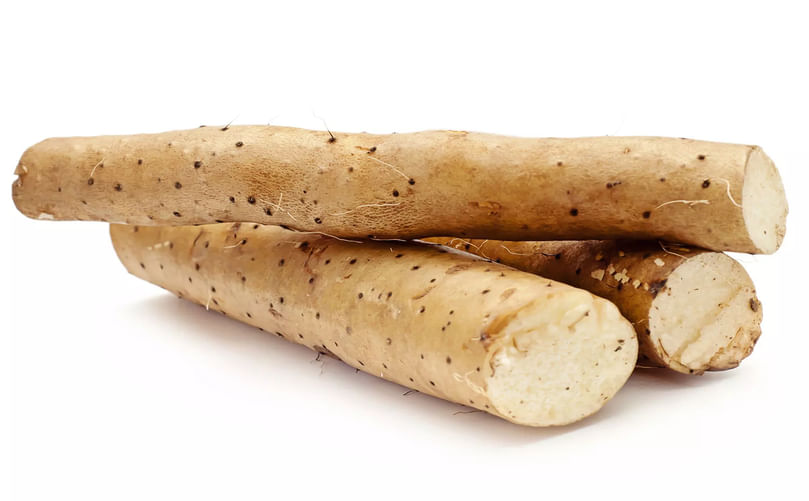
Healthy Yam from the Field
True yams belong tobthe genus Dioscorea in the Dioscoreaceae family, a group of monocot vines native primarily to Africa and Asia. With over 600 species, they produce massive, cylindrical tubers often weighing 50–150 pounds, covered with rough, bark-like skin. By contrast, sweet potatoes (Ipomoea batatas) are dicots from the Convolvulaceae family, featuring smoother reddish-brown skin, tapered, sweet roots rarely exceeding 2–3 pounds.
The mix up began in the 1930s, when the Louisiana Sweet Potato Association, competing with drier white-fleshed northern varieties, coined the term “yam” for their moist, orange cultivars such as ‘Porto Rico’. This marketing strategy evoked the starchy African staple familiar to enslaved West Africans brought to the U.S. South. The USDA formalized this labeling in 1937, allowing the term “yam” as long as “sweet potato” also appeared on the package a loophole that persists today.
Globally, true yams remain staples in West African cuisine (e.g., pounded into fufu in Nigeria) and parts of Asia. They are rarely exported to the U.S. due to their enormous size and short shelf life, appearing instead in ethnic markets labeled as “true yams” or “name.” Economically, the U.S. “yam” labeling boosts sweet potato sales by USD 100–200 million annually, though it frustrates African exporters who argue it diminishes the cultural significance of yams, central to festivals like Ghana’s Homowo harvest celebration.
Botanically, yams propagate via aerial bulbils and contain dioscorine alkaloids, requiring thorough cooking to neutralize bitterness and potential toxicity. Sweet potatoes, by contrast, have low toxin levels and are safe to eat raw or cooked. Visually, yams produce white to purple starchy flesh that stays firm when cooked, whereas sweet potatoes range from creamy to fluffy depending on variety. Even canned “candied yams” in the U.S. are usually sweet potatoes.
Efforts to clarify this confusion include educational campaigns by the National Sweet Potato Collaborators Group, but tradition and labeling inertia remain strong. A simple visual clue: sweet potatoes exude white latex when cut, while true yams do not. In recipes, substituting one for the other alters texture, moisture, and flavor significantly true yams excel in dense stews, whereas sweet potatoes add sweetness and fluffiness.
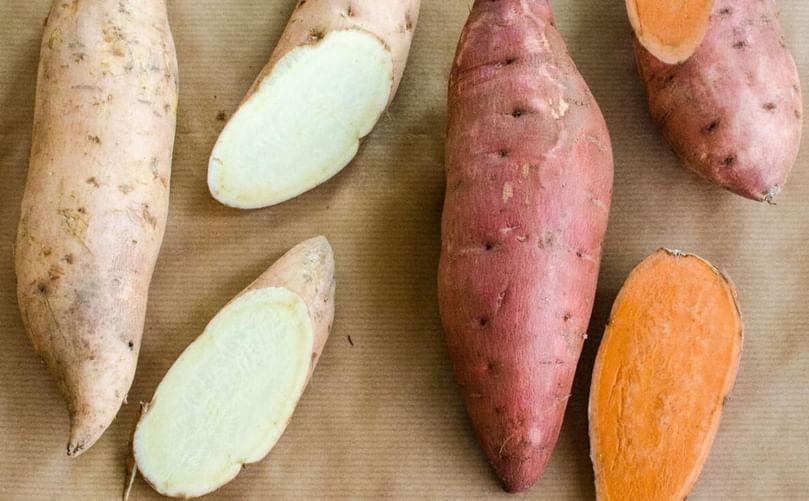
Yam or Sweet Potato? The Visual Comparison You Need
Global Importance and Socioeconomic Impact of Sweet Potatoes and Potatoes
Sweet Potatoes: Lifeline in the Tropics
Sweet potatoes serve as a primary staple for over 100 million people in sub-Saharan Africa and Papua New Guinea, providing up to 50–70% of daily calories in some regions. They are especially valued as a “famine reserve” crop, resilient to droughts, cyclones, and poor soils, making them reliable where cereals often fail. Women frequently manage sweet potato cultivation, controlling household food security and income.
In China, the worlds largest producer (Approximately 90 million tonnes annually, Approximately 60–70% of global supply), sweet potatoes are multipurpose: they feed livestock, supply starch for noodles, fuel bioethanol plants and are sold roasted as street food, supporting entire rural economies. Japan Okinawan purple sweet potato (beni-imo) is celebrated in the blue zone longevity diet, linked to high anthocyanin intake and health benefits.
The biofortification of orange fleshed sweet potatoes (OFSP) in Uganda, Mozambique and other African countries since the early 2000s has expanded cultivation to millions of hectares, dramatically reducing vitamin A deficiency and child blindness in intervention zones, demonstrating their public health impact.
Potatoes: European Staple and Global Crop
Potatoes revolutionized European agriculture: they yielded 3–4× more calories per hectare than wheat, thriving in marginal soils and are credited with supporting population growth during the 18th–19th centuries, indirectly enabling the Industrial Revolution. Ireland’s reliance on the “lumper” variety made the 1845–1852 Great Famine catastrophic, causing over 1 million deaths and mass emigration, but post-famine diversification strengthened potato based diets in countries like the Netherlands, Germany, Belarus and Poland.
Globally, the potato economy is valued at over USD140 billion annually, with major buyers including McDonald’s (3.4 billion pounds annually in the U.S.). In the Andes, Peru and Bolivia maintain over 3,000 native landraces, many with low glycemic indices (GI 40–60), cultivated on terraced fields and incorporated into traditional rituals such as Watia (earth-oven roasting).
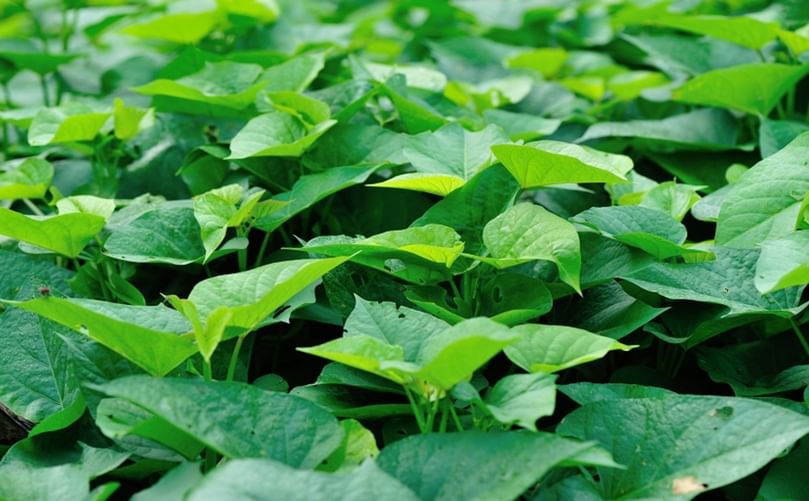
Lush Sweet Potato Field Under Natural Light
Strategic and Climate Significance
During World War II, sweet potatoes were critical in the Pacific theater, providing calories where rice cultivation was impractical. Both crops act as climate-resilient staples: sweet potatoes tolerate heat and poor soils, while potatoes perform well in cool, high-altitude and short-season environments.
Institutions such as the International Potato Center (CIP, Lima) and the Chinese Academy of Agricultural Sciences maintain extensive gene banks to preserve diversity and combat emerging pests and diseases. Recognizing their global importance, the United Nations designated 2028 as the International Year of the Potato, highlighting its role in food security, nutrition and poverty alleviation. Both crops are high-yield, low-input and income-generating, often with women controlling production and sales, making them key poverty alleviation crops worldwide.