Introduction
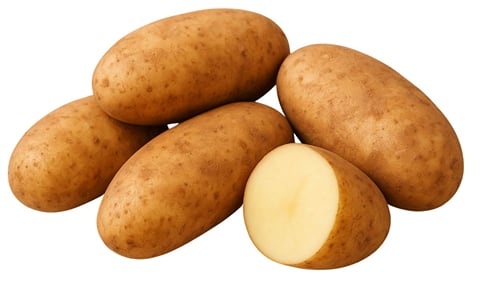
Potato (Solanum tuberosum L.,) is one of the important culinary vegetable belongs to family Solanaceae, which is comprises of about 2000 species. Out of which, only two tuber bearing species viz Solanum tuberosum and Solanum andigenum have been commercially exploited throughout the world. Solanum tuberosum is widely cultivated in large scale. It is a native of Andes mountains of South America (Peru and Chile) from where it spread to all over the world.
Potato plants are herbaceous perennials with leaves that die back after flowering, fruiting and tuberizing. They have flowers that are white, pink, red, blue or purple with yellow stamens. In general, potatoes are classified into a few major groups based on common characteristics such as skin color: russets (rough brown skin), reds, whites, yellows (also known as Yukon), and purple potatoes.
The Potatos Global Legacy as King of Vegetable
The potato, cultivated in over 100 countries with more than 4,000 edible varieties, with a global harvested area of 16.8 million hectares, producing 383 million metric tons and achieving a productivity of approximately 22.8 metric tons per hectare. It is a globally cherished staple and the world’s 3rd most important food crop after rice and wheat. This nutritious and easily digestible food is rich in carbohydrates, vitamins (like C&B6), proteins, minerals and dietary fiber, and contains health-promoting phytochemicals such as carotenoids, flavonoids and caffeic acid. These qualities earn it the title "king of vegetables," making it a vital component of diets worldwide, consumed fresh or processed into various products.
About half of the potatoes grown worldwide are consumed fresh. The rest are processed into various food products and ingredients, used as animal and bird feed, converted into industrial starch or kept as seed potatoes. Processed products include fried, pre-fried and frozen items, baked goods, dehydrated products and other items such as alcohol, organic acids, boiled and peeled potatoes, canned potatoes and mashed potatoes.
With technological advancements, potato processing is expanding rapidly and is increasingly driven by market demand. Globally, potato use is shifting from fresh consumption to processing and value addition. So far, frozen French fries and chips/crisps make up the largest share of the processed potato market. Though potato is a temperate crop, it is well adopted to a wide range of climatic conditions. Most varieties perform well when days are sunny and nights are cool. The temperature around 22–24 °C C is optimal for tuber growth.
With the rising global demand for potatoes and processed potato products, there is an urgent need to ensure a consistent supply of high quality raw material. To meet market expectations for processing quality, such as uniform tuber size, high dry matter content, and minimal defects, it is essential to cultivate pest and disease resistant varieties. Producing healthy, certified planting material not only reduces crop losses but also improves productivity and profitability for farmers. Equally important is maintaining potatoes under good storage conditions to preserve quality, prevent sprouting or decay and ensure year round availability for both fresh consumption and the growing processing sector.
Major Potato Farming Regions
Potatoes are a global crop, cultivated on every continent except Antarctica, with the highest production volumes concentrated in Asia, Europe and the Americas. These regions have developed robust potato industries, supported by favorable climates, advanced agricultural practices and well established supply chains that meet both domestic and international demand. In Asia, countries like China and India lead as the world’s top potato producers, driven by vast arable land, high-yield varieties and increasing demand for processed potato products like fries and chips.
Europe, particularly countries such as Russia, Ukraine and the Netherlands, benefits from a long history of potato cultivation, with a focus on both table potatoes and seed potato production for export. In the Americas, the United States, Canada, and Peru stand out, with the latter being a key player due to its role as the potato’s cradle and its diversity of native varieties.
In recent years, Africa and Latin America have emerged as significant players in global potato production. In Africa, countries like Kenya, Nigeria, and Ethiopia are scaling up cultivation, supported by improved access to irrigation, pest-resistant varieties, and training programs for smallholder farmers. These advancements are boosting yields and enabling local markets to reduce reliance on imports. Similarly, in Latin America, nations like Brazil and Argentina are leveraging technological innovations, such as precision agriculture and better storage facilities, to enhance productivity and minimize post-harvest losses.
Investments in processing infrastructure, like cold storage and food processing plants, are further strengthening these regions’ ability to serve growing domestic and export markets, positioning them as rising contributors to the global potato industry.
Key Global Trends in the Potato Industry
Growth of Processed Potato Products: The processed potato sector is experiencing accelerated global growth, driven by rising demand for convenience food, urbanization and expansion in quick service restaurants. Key sub segment includes frozen products (e.g., French fries, wedges), chips/snack pellets, dehydrated items and ready to cook meal.
Regenerative Agriculture: Regenerative agriculture enhances potato farming by improving soil health through cover cropping and reduced tillage, boosting resilience and crop quality. It optimizes water use, reduces synthetic inputs and promotes biodiversity by supporting natural ecosystems. This approach meets growing consumer demand for sustainable potatoes but faces challenges like high transition costs and the need for farmer training. Adoption in the potato industry is rising to address climate challenges and ensure long-term productivity.
Advancements in Technology: Advancements in technology are significantly enhancing potato production resilience to climate and supply chain challenges worldwide. Precision agriculture tools, such as satellite image, IoT sensors, and AI-driven analytics, enable farmers to monitor soil moisture, optimize irrigation and predict pest outbreaks, improving yields under erratic climate conditions.
Biotechnology advancements, including CRISPR edited potato varieties, offer traits like drought tolerance and disease resistance, crucial for regions facing environmental stress. Blockchain and digital supply chain platforms improve transparency and efficiency, reducing delays and post-harvest losses, which globally affect up to 25% of potato production. These technologies, supported by global research and policy initiatives, empower farmers to adapt to a changing world while ensuring sustainable food security.
Resilience to Climate and Supply Chain Challenges: Potato production faces significant challenges from climate change and supply chain disruptions, requiring resilient strategies to ensure food security. Rising temperatures, erratic rainfall and extreme weather events like droughts and floods reduce yields and affect tuber quality, as potatoes are highly sensitive to environmental stress.
Supply chain issues, such as transportation delays, labor shortages, and rising input costs (e.g., fertilizers and pesticides), further strain production and distribution. Adopting climate-resilient potato varieties, such as those bred for heat and drought tolerance, can mitigate yield losses. Improved storage technologies and localized supply chains reduce post-harvest losses and enhance market access. Precision agriculture and sustainable farming practices also help farmers adapt to changing conditions while minimizing environmental impact.
Innovations and Challenges: The potato industry is embracing new technologies, from smart irrigation systems to advanced processing equipment. However, it also faces ongoing challenges such as climate variability, water management, and the need for sustainable practices. Collaboration across regions and sectors is key to overcoming these hurdles and ensuring the long-term viability of potato production.
Vision for the Potato Markets Future: Future trends in the potato industry through 2030 emphasize automation, with AI-driven analytics and robotics enhancing farming and processing efficiency. Regenerative agriculture will dominate, integrating data-driven practices and drought-resistant varieties to boost sustainability and yields. The processed potato market is projected to reach USD 60 billion by 2031, driven by health-focused, air-fryer-compatible products and clean-label snacks. Climate-resilient supply chains and circular economy models will address volatility, while genomic breeding and non-thermal processing innovate product quality.
Evolving consumer Trends and Global Market Forces in Potato Industry
Consumer preferences in the potato industry are pivoting toward convenience, health and sustainability, with a surge in demand for resealable, microwavable fresh potato packs and air-fryer-compatible frozen products like low-sodium fries, driven by 60% air fryer adoption in North American households. Specialty varieties such as purple and fingerling potatoes are gaining popularity among millennials and Gen Z for their nutritional benefits and culinary versatility, bolstered by clean-label and organic options.
The global potato market is flourishing, projected to grow at a 3.7% CAGR from 2025 to 2029, adding USD 25.7 billion, fueled by processed and frozen segments amid rapid urbanization. However, regional production disparities North America’s 3.4% output decline versus Europe’s 6.9% acreage increase create trade imbalances, with frozen exports rising 1.2% in Q3 2024. Pricing pressures persist due to lower table stock prices and volatile input costs, particularly fertilizers, while climate challenges like reduced yields (410 cwt/acre in the U.S.) strain supply chains.
Innovations in regenerative agriculture and AI-driven processing are countering these hurdles, ensuring resilience as the processed potato market aims for USD 42.56 billion by 2029. Emerging markets in Asia and Africa, alongside Quick Service Restaurant expansion, are amplifying trade, though cold chain limitations pose challenges.
"The potato has done more to shape the modern world than any other crop, feeding nations and fueling empires with its humble tubers." -John Reader