
Introduction
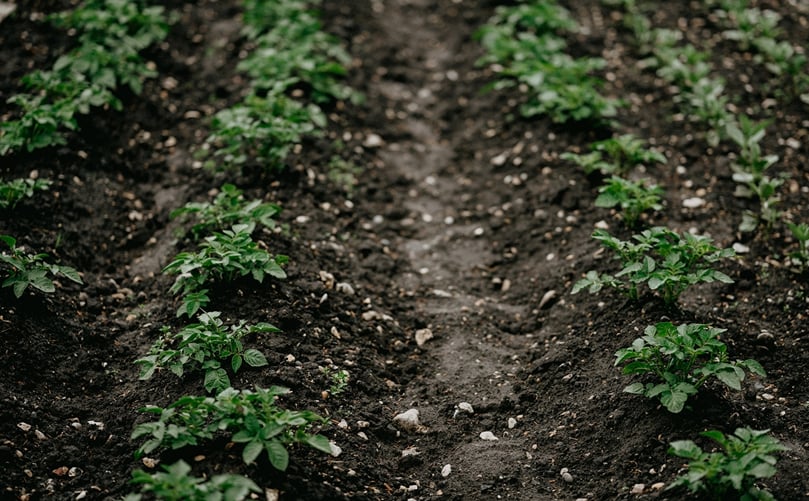
Potato cultivation is a cornerstone of global agriculture, serving as a vital staple food for over a billion people and contributing significantly to food security, nutrition and economic stability. Originating from the Andean region of South America around 8,000 years ago, potatoes (Solanum tuberosum) were domesticated by indigenous peoples and later spread worldwide by European explorers in the 16th century. Today, they rank as the world's fourth-largest food crop after rice, wheat and maize, with global production reaching approximately 368 million metric tons in 2023 across 16.8 million hectares, though this represents a slight decline from 18.1 million hectares in 2022 due to varying regional yields and market dynamics.
The industry currently faces an oversupply crisis, particularly in Europe where the EU-4 countries planted over 608,000 hectares a 7% increase from 2024 leading to price collapses and farmer losses amid a 'Potato Flood' where production outpaces demand. Asia, however, is emerging as a powerhouse in frozen fry production, shifting market balances from traditional leaders like Europe and North America.
Potatoes are nutritionally dense, providing essential vitamins (C, B6), potassium and fiber, while being low in calories and gluten-free, making them crucial for addressing malnutrition in developing regions. Their versatility extends to culinary uses (boiling, frying, baking), industrial applications (starch, alcohol, animal feed) and processed products like chips and fries, with the global potato-processing market valued at USD 40.97 billion in 2023 and projected to reach USD 60.08 billion by 2031.
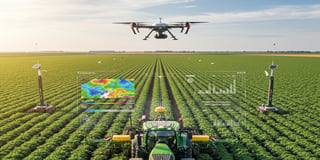
Challenges include climate change impacts such as rising temperatures, erratic precipitation, droughts and unexpected frosts, which can reduce yields by up to 20–30% in vulnerable areas. Soil degradation, pest pressures and water scarcity further exacerbate issues, particularly for smallholder farmers who produce about 80% of potatoes in low-income countries. Innovations are addressing these through precision agriculture, including satellite monitoring for soil health, AI-driven pest detection and drone-based irrigation optimization, potentially boosting yields by 15–25%. Genetic advancements, such as CRISPR-edited varieties for drought and heat tolerance, along with sustainable practices like reduced tillage and biofortification for enhanced nutrition (e.g., higher iron and zinc content) are pivotal.
Global potato summits and research initiatives emphasize these innovations, focusing on sustainability and technology adoption to combat climate challenges and ensure long-term viability. Scaling these globally supports the UN's Sustainable Development Goals, particularly zero hunger and climate action, while minimizing environmental footprints through reduced chemical use and carbon sequestration in potato-based rotations.
Area Under Potato Cultivation
Botanical Description of Potato
The potato (Solanum tuberosum L.) belongs to the family Solanaceae, commonly known as the nightshade family, which also includes tomato (Solanum lycopersicum), pepper (Capsicum spp.) and eggplant (Solanum melongena). It is a herbaceous perennial plant cultivated as an annual in most agricultural systems. The species originated in the Andean regions of South America, where it was domesticated by indigenous peoples approximately 5,000–10,000 years ago.
The potato plant typically attains a height of 0.5–1.0 m, producing erect or semi-erect, branched, and pubescent stems that provide structural support and maximize photosynthetic efficiency. The leaves are compound and pinnately divided, comprising 5–9 ovate to lanceolate leaflets arranged alternately along the rachis, often with smaller intercalary leaflets. Their dark green color and fine pubescence contribute to the plant’s high photosynthetic capacity and adaptability to varied environments.
The root system is fibrous and shallow, generally confined within 30–60 cm of soil depth, with adventitious roots developing from underground stems to enhance water and nutrient uptake in well-drained soils. Flowers occur in terminal or axillary cymes and are star-shaped with five fused petals, varying in color from white to pink, purple or blue. Prominent yellow anthers form a cone around the style, characteristic of the genus Solanum. Although the plant is self-compatible, it is frequently cross-pollinated by insects, particularly bees.
The fruit is a small, green to yellowish berry (1–4 cm in diameter) containing numerous seeds; however, it is toxic due to the presence of solanine and is rarely utilized in cultivated forms, which are primarily propagated vegetatively. The most economically significant organ is the tuber, a swollen underground stem (stolon) that functions as a storage organ for starch, proteins and vitamins. Tubers exhibit diverse shapes (round, oval, oblong), skin colors (white, yellow, red, or purple) and flesh textures (waxy or mealy), with surface “eyes” representing axillary buds used for vegetative propagation.
Cytogenetically, cultivated potatoes are tetraploid (2n = 4x = 48), a condition that enhances their genetic variability and environmental adaptability. Wild relatives, distributed across Central and South America, serve as valuable sources of disease resistance, stress tolerance and quality traits in modern breeding programs.
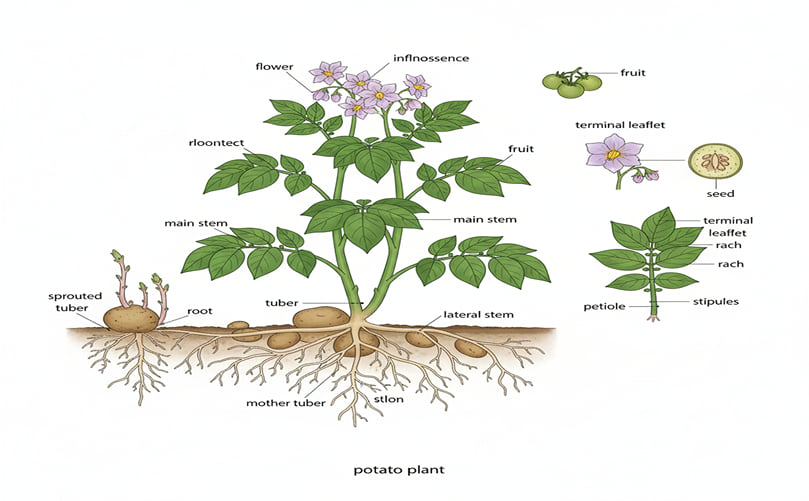
Detailed botanical illustration of Solanum tuberosum showing plant morphology: stems, compound leaves, flowers and underground tubers
Site Selection and Soil Preparation
Selecting the right site for potato cultivation is critical for maximizing yields and minimizing disease risks, with soil type, drainage and topography playing key roles. Potatoes perform best in well-drained, loose-textured soils such as sandy loams, silt loams or light clays, which provide excellent aeration, root penetration and ease of tuber harvesting while reducing the risk of rot from waterlogging. Heavy clay soils can be problematic due to poor drainage and compaction but can be improved by incorporating organic matter to enhance soil structure. Saline or highly alkaline soils (pH >7.5) should be avoided, as they can cause nutrient imbalances such as phosphorus fixation or micronutrient toxicity, leading to yield losses of up to 30%.
The optimal soil pH ranges from 5.0 to 6.5 for early varieties and up to 7.5 for main-season crops, as slightly acidic conditions enhance micronutrient availability (e.g., iron, manganese) and help suppress bacterial diseases such as common scab. Site selection should ensure full sun exposure (6–8 hours daily), gentle slopes for erosion control and adequate wind protection to prevent lodging.
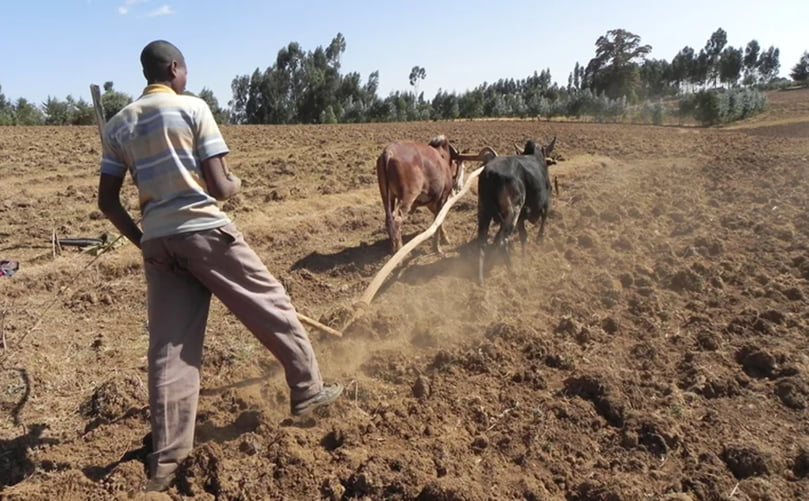
Traditional ox-drawn tillage for soil preparation in potato farming
Crop rotation is essential rotate every 3–4 years with non-solanaceous crops (e.g., cereals, legumes) to disrupt pest and disease cycles and restore soil nutrients. Avoid planting potatoes after tomatoes or peppers to minimize the risk of soil-borne pathogens like Verticillium wilt.
Soil preparation should begin with comprehensive testing for pH, macronutrients (N, P, K), organic matter, and pathogens ideally six months before planting to guide soil amendments. Incorporate 20–40 tons per hectare of well-decomposed manure or compost to raise organic matter to 3–5%, which can improve water retention by 20–30% and stimulate beneficial microbial activity. For compacted soils, deep ripping or subsoiling to 30–45 cm helps alleviate root restrictions, while in poorly drained fields, raised beds or ridges (20–30 cm high) improve aeration and drainage.
Best management practices include visual assessment of soil structure and the integration of green manures such as clover or vetch to naturally enrich soil nitrogen, thereby reducing synthetic fertilizer needs by 15–20%.
Land preparation
Land preparation for potatoes involves creating an optimal seedbed through tillage, incorporation of amendments and improvement of soil structure to support robust root development and high yields. Begin with primary tillage 4–6 weeks before planting, using plows or rototillers to a depth of 20–30 cm (or up to 45 cm in compacted soils) to break hardpans, improve aeration and facilitate deeper root penetration, which can enhance tuber size by 10–15%.
Sustainable approaches such as reduced tillage (e.g., strip or zone tillage) minimize soil disturbance, helping to preserve soil structure and reduce erosion by 40–50% while maintaining organic matter levels. Incorporating cover crops like rye or vetch before tillage helps prevent nutrient leaching and adds organic biomass. In conservation systems, no-till practices combined with mulching can further conserve moisture and suppress weed growth.
In areas with high pest pressure (e.g., those requiring fumigation similar to strawberry systems), till the soil to a depth of 20–30 cm (8–12 inches) while maintaining adequate moisture to ensure effective pathogen control. On sloped fields, contour plowing should be practiced to minimize runoff, and applying 7–10 cm (3–4 inches) of organic mulch after tillage aids in moderating soil temperature and moisture.
Proper timing is essential conduct land preparation in the fall for spring planting to allow soil settling and structural stabilization. Achieve a fine, crumbly tilth through secondary harrowing before planting. Advanced practices, including GPS-guided precision tillage, can optimize depth, minimize compaction, and enhance soil biodiversity and carbon sequestration key elements of regenerative agriculture.
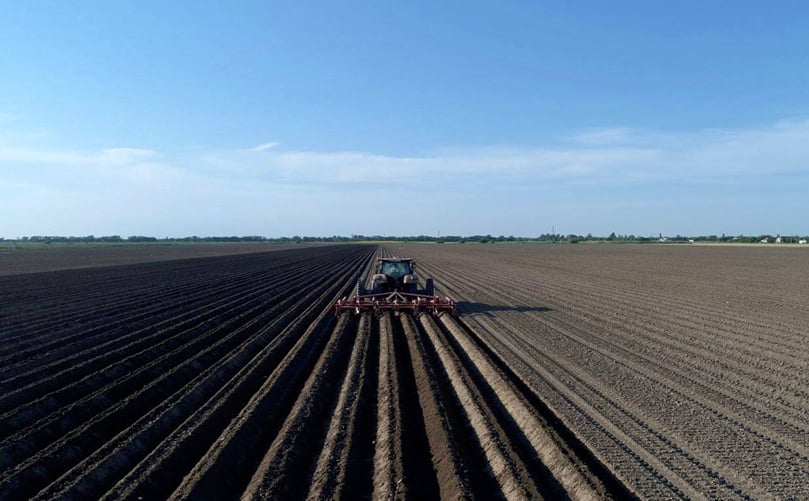
Traditional ox-drawn tillage for soil preparation in potato farming
Climate and Growing Conditions
Potatoes are highly adaptable to diverse climatic conditions but perform best in cool, temperate environments with specific temperature, photoperiod and moisture requirements for optimal tuberization and yield. Ideal air temperatures range from 15–25°C during the day and 10–18°C at night, while soil temperatures of 15–18°C promote tuber initiation. Growth slows below 10°C or above 30°C, as heat stress can inhibit tuber formation by up to 50%.
Although naturally long-day plants, many modern cultivars are day-neutral, capable of tuberizing under 10–18-hour photoperiods. However, extended daylight (>14 hours) can promote excessive foliage growth at the expense of tuber development in certain sensitive varieties.
Altitude also influences potato growth. High-elevation regions up to 4,000 meters in the Andes provide cooler temperatures but may require physiological adaptation to lower oxygen levels. In dry, high-altitude zones (1,500–3,000 m), maintaining soil moisture at 45–55% of field capacity and spacing rows 60–90 cm (2–3 feet) apart helps ensure uniform growth and tuber development.
An annual rainfall or irrigation equivalent of 500–750 mm is optimal, with even distribution throughout the growing period to prevent drought stress during the tuber bulking stage. Climate change introduces new challenges, including elevated night temperatures (>22°C), which reduce yields and increase pest pressures. Adaptive strategies include using heat-tolerant varieties capable of tuberization at 25–30°C and adjusting planting schedules 10–20 days earlier to avoid peak heat periods.
In subtropical regions, winter cropping under shorter days helps mitigate heat stress, while rising atmospheric CO₂ levels may enhance photosynthesis and boost yields by 10–20%. However, frost tolerance in potatoes remains limited plants can only survive brief exposures down to –2°C necessitating protective measures such as mulching or row covers in frost-prone or variable climates.
Seed Rate and Propagation
The seed rate for potatoes typically ranges from 2.5 to 3.5 tons per hectare (25–35 quintals/ha), though this varies based on tuber size, variety, planting density and local growing conditions. Optimal seed piece sizes are 1.5–2.5 ounces (42–70 grams), with the physiological age of the tuber influencing emergence and stem number more than chronological age.
Growers generally aim for a planting density of about four plants per square meter using 60-gram seed tubers, corresponding to approximately 2.5 tons per hectare. Dedicated seed producers may use higher densities depending on varietal vigor and target yield. Seed rates can range from 50,000 tubers per hectare for larger seeds (400 tubers per 50 kg) to 105,000 tubers per hectare for smaller seeds (2,000 tubers per 50 kg), ensuring a final plant population of 50,000–60,000 plants per hectare.
The required seed quantity depends on row spacing (commonly 90 cm or 36 inches) and in-row spacing (15–20 cm or 6–8 inches). The use of certified seed is essential to minimize disease transmission and maintain genetic purity.
For true potato seed (TPS) production, yields can reach around 100 kg per hectare under optimal conditions using diploid hybrid varieties, though conventional vegetative propagation with tubers remains the dominant method. Potatoes are typically propagated vegetatively using whole or cut tubers that contain “eyes” (axillary buds) capable of sprouting after a dormancy period of 8–12 weeks.
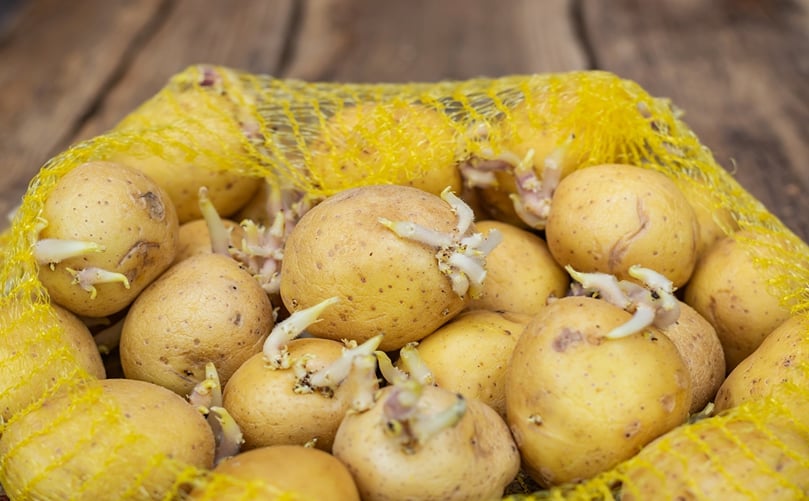
Pre-sprouted potato seed tubers arranged for planting
Pre-sprouting (chitting) in controlled environments at 10–15°C with indirect light for 4–6 weeks promotes uniform emergence, increases stem numbers by 20–30%, and enhances yields by 10–15% through vigorous early growth. Alternative low-cost propagation methods include single-leaf cuttings from tissue-cultured plants or small side shoots rooted in water or soil useful for rapid multiplication in resource-limited areas.
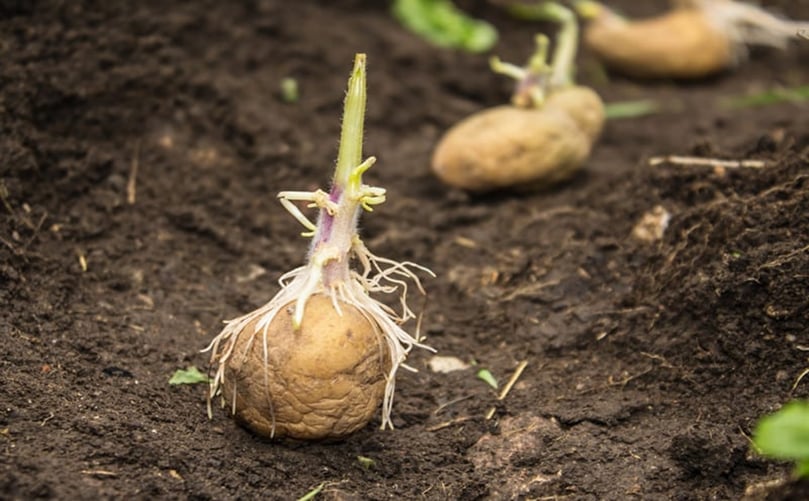
Close-up of a single potato tuber with healthy sprouts emerging
Using certified, virus-free seed tubers is critical to prevent yield losses of up to 50%. The use of mini-tubers produced via aeroponic or hydroponic systems offers a reliable source of high-quality, disease-free planting material for elite seed propagation programs.
Methods of sowing and spacing
Potato sowing methods primarily include the ridge and furrow system and the flat bed method, both chosen based on field topography and moisture conditions. The ridge and furrow system is most common, as it enhances drainage and irrigation efficiency. Ridges are typically 20–30 cm high, with furrows facilitating water flow. Tubers are planted on ridges at approximately 20 cm spacing between plants and 60 cm between rows, though spacing may be adjusted depending on tuber size (closer spacing for smaller tubers). This system can also incorporate mulch or plastic film to aid rainwater harvesting, improving yields in dry regions by optimizing moisture retention and temperature regulation.
In manual planting, fertilizers are placed in furrows before positioning the tubers on ridges. Mechanized planting, using tractor-drawn potato planters or seed drills, provides greater uniformity and efficiency.
In the flat bed method, the field is divided into sections and shallow furrows are made at the recommended spacing before placing the seed tubers and covering them lightly with soil. Earthing up is performed when plants reach 10–12 cm in height to prevent tuber greening and support stem stability.
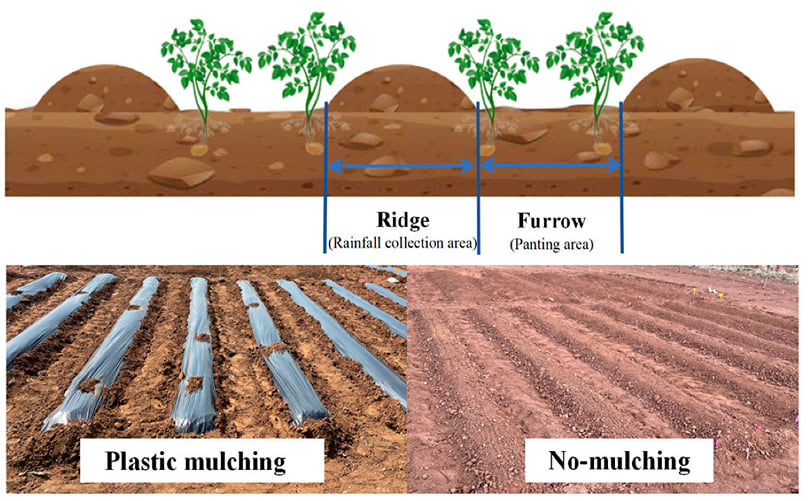
Ridge and furrow planting system with precise spacing for potatoes
Optimal spacing generally ranges from 45–60 cm between rows and 20–25 cm within rows when using 40–50 g seed tubers (40–50 mm diameter), resulting in a final plant population of 40,000–50,000 plants per hectare. Wider rows (up to 75 cm) with 25 cm-high ridges are often recommended under stress-prone conditions to improve aeration and reduce disease incidence.
In surface planting, tubers are placed flat on the soil surface and lightly covered or hilled a method suitable for certain soil types where deep planting is undesirable. When using large seed tubers, cutting them into 30–50 g pieces containing 1–2 viable eyes can increase seed efficiency; however, this practice carries a higher risk of disease transmission (e.g., bacterial ring rot). For seed production, whole-tuber planting is preferred and all cutting tools should be sanitized to prevent infection.
Research indicates that ridge and bed configuration significantly affects crop performance, with site-specific adjustments such as plain, wide beds partially covered on one side recommended for sloped or variable soil conditions to balance aeration, drainage and moisture retention.
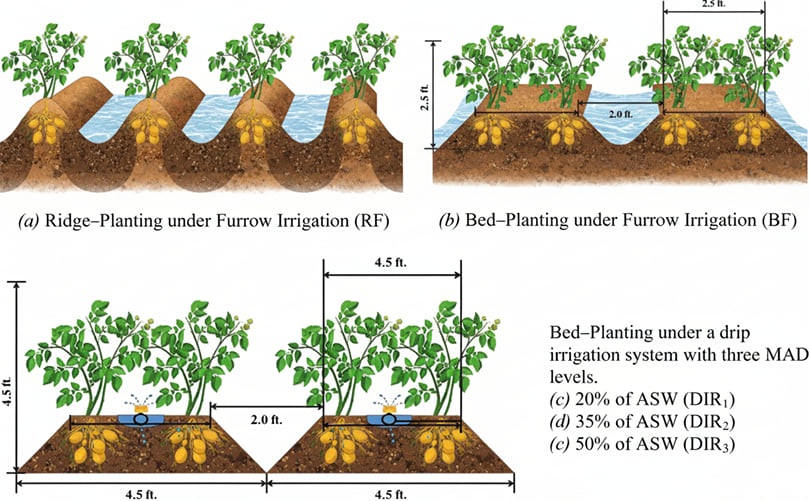
Flat bed layout with furrows and earthing-up in potato cultivation
Dormancy
Potato tubers exhibit natural dormancy after harvest, typically lasting 2–3 months in tetraploid cultivars. The duration is influenced by factors such as genotype, harvest maturity, growth conditions, storage environment (e.g., 4–7°C extends dormancy) and tuber size (shorter in smaller tubers). Mini-tubers generally show longer dormancy, necessitating dormancy-breaking treatments for timely planting.
Common chemical methods include soaking in 1–2% thiourea for 1–1.5 hours or dipping in 5–10 ppm gibberellic acid (GA₃) for 10 seconds. Optimal GA₃ concentrations (50–100 ppm) can enhance sprouting depending on the variety. Gas treatments such as ethylene chlorohydrin : water (4:6) mixtures in airtight chambers at 21–27°C for 5 days or bromoethane exposure effectively reduce dormancy by modifying metabolic activity.
Physical techniques, including cold shock followed by heat exposure or low oxygen/high CO₂ (around 60% CO₂) conditions, can also terminate dormancy quickly. The combination of Rindite and GA₃ has been shown to significantly shorten dormancy across multiple seasons.
Physiologically, dormancy release is regulated by a decline in abscisic acid and an increase in gibberellins. Maintaining relative humidity between 85–90% is optimal during dormancy breaking. For tubers stored under cold conditions, warming at 15°C for 10–14 days promotes uniform sprouting.
Recent research emphasizes eco-friendly alternatives such as LED light exposure and the use of essential oils to modulate dormancy naturally, supporting sustainable storage practices and aiding in early virus detection.
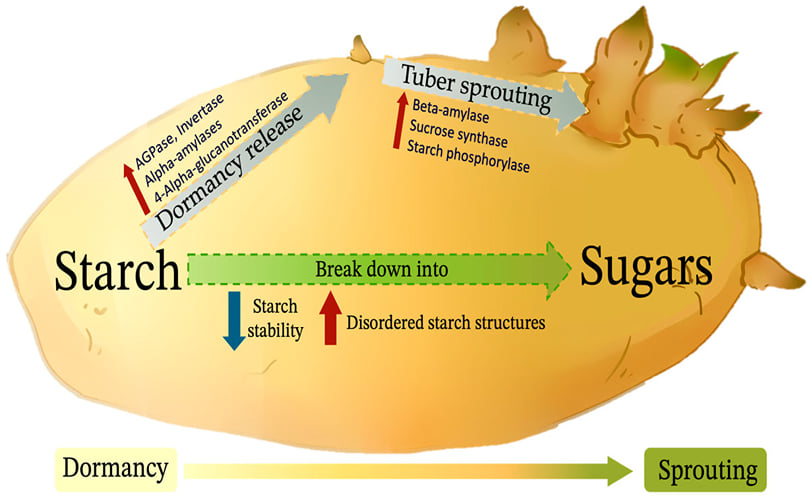
Starch mobilization and sprout initiation during potato dormancy break
Treatment of Cut Seed Tubers
When cutting large potato tubers for planting, ensure that each piece contains 1–2 well-developed eyes and weighs about 30–50 g. Immediately after cutting, treat the seed pieces with a 0.2% mancozeb (Dithane Z-78) solution to prevent fungal infections such as Fusarium dry rot. This practice can improve emergence and yield by approximately 10–15%.
After treatment, allow the cut pieces to undergo suberization (healing) at 18–21°C with 85–90% relative humidity for 2–3 days. This promotes the formation of a protective cork layer, reducing the risk of rotting and pathogen entry. For controlling common scab, tubers can be soaked in a 0.5% agricultural lime solution for 5–10 minutes.
Effective fungicides for seed tuber protection include fludioxonil and mancozeb, particularly when more than 2–10% of the seed lot shows decay symptoms. Sanitize cutting equipment between batches to prevent the spread of bacterial diseases such as ring rot. In organic production, biocontrol products may be used as an alternative.
Best practices include calibrating knives to ensure no more than two cut surfaces per piece, testing small batches before large-scale cutting and avoiding mechanical injury during harvest and handling. In commercial operations, fungicide or bactericide treatments are typically applied immediately after cutting. Although certified disease-free seed tubers reduce the need for such measures, post-cut treatments remain essential for maintaining seed piece health and field performance.
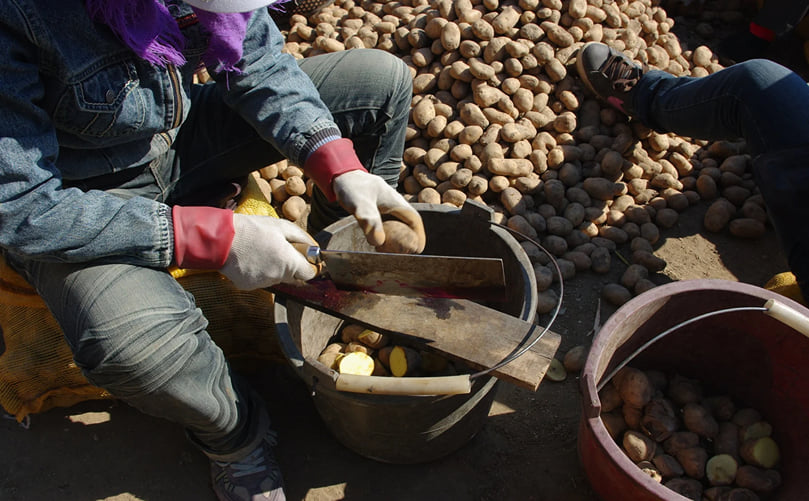
Farmer cutting seed potatoes with sanitized tools for disease prevention
Nutritional Requirements and Their Management
Potatoes are heavy feeders with substantial nutrient demands throughout their growth cycle, especially during the tuber bulking stage. On average, the crop absorbs approximately 4.5 kg N, 0.3 kg P and 6.0 kg K per hectare per day during peak bulking. For high-yielding varieties (around 40 t/ha or 400 cwt/acre), total nutrient requirements vary depending on soil fertility, cultivar efficiency and management practices.
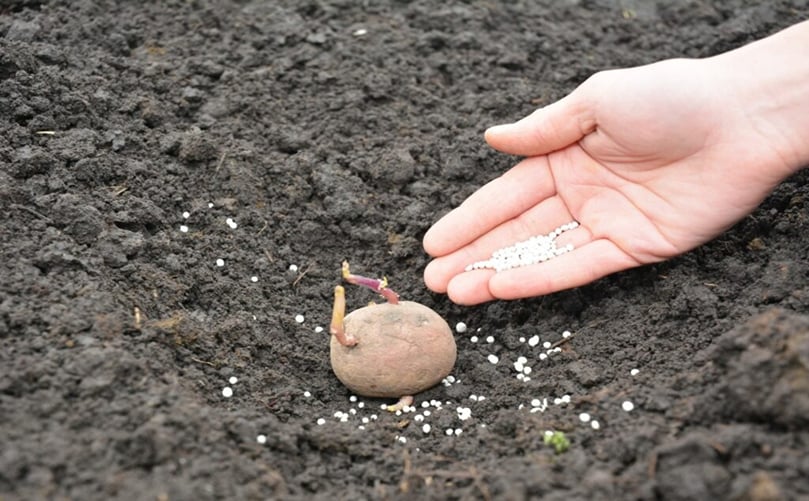
Application of basal fertilizer in potato furrows before planting
Fertilizer Recommendations
Under medium fertility conditions, the general recommendation is 120–150 kg N/ha, 60–90 kg P₂O₅/ha, and 120–150 kg K₂O/ha. Varieties with lower nitrogen use efficiency may require up to 200 kg N/ha, but excessive nitrogen should be avoided beyond the vegetative stage, as it can delay maturity, reduce skin quality and increase susceptibility to diseases such as late blight.
Nutrient Application Strategy
- Apply two-thirds of nitrogen along with the entire phosphorus and potassium doses as a basal application at planting.
- Apply the remaining one-third nitrogen as a top-dressing at 30–35 days after planting or during the early tuber initiation stage to ensure balanced vegetative and reproductive growth.
- In sandy or low-organic matter soils, apply 250–500 q/ha of well-decomposed farmyard manure (FYM) or compost to improve soil structure, microbial activity and micronutrient availability.
- In fertigation systems, apply nutrients in multiple small doses synchronized with crop demand to enhance nutrient use efficiency and reduce leaching losses.
Role of Major Nutrients
- Nitrogen (N): Promotes vigorous vegetative growth and canopy development. Excessive N delays tuber initiation and lowers specific gravity. Split application ensures optimal uptake and minimizes losses.
- Phosphorus (P): Supports root growth and early tuber development. Deficiency leads to reduced stolon elongation and fewer tubers. Band placement below seed pieces increases availability.
- Potassium (K): The most critical nutrient for potato production. It enhances tuber size, starch synthesis, specific gravity and storage quality. Apply higher K doses (up to 180–200 kg K₂O/ha) in sandy soils or high-yield systems. While muriate of potash (KCl) is commonly used, sulphate of potash (K₂SO₄) is preferred for seed and processing potatoes due to its lower chloride content.
- Calcium (Ca): Prevents internal disorders such as hollow heart and improves tuber skin firmness. Apply gypsum or calcium nitrate during earthing up or hilling.
- Magnesium (Mg): Vital for chlorophyll synthesis. Deficiency causes interveinal chlorosis. Apply magnesium sulphate (20–25 kg/ha) as a basal dose or foliar spray.
Micronutrient Management
- Zinc (Zn): Corrects reduced leaf size and curling; apply 0.5% zinc sulphate as a foliar spray.
- Boron (B): Enhances stolon development and tuber uniformity; apply 0.2% borax as a foliar spray.
- Iron (Fe), Manganese (Mn) and Copper (Cu): Support photosynthesis and enzymatic functions; apply chelated forms or foliar feeds based on deficiency symptoms.
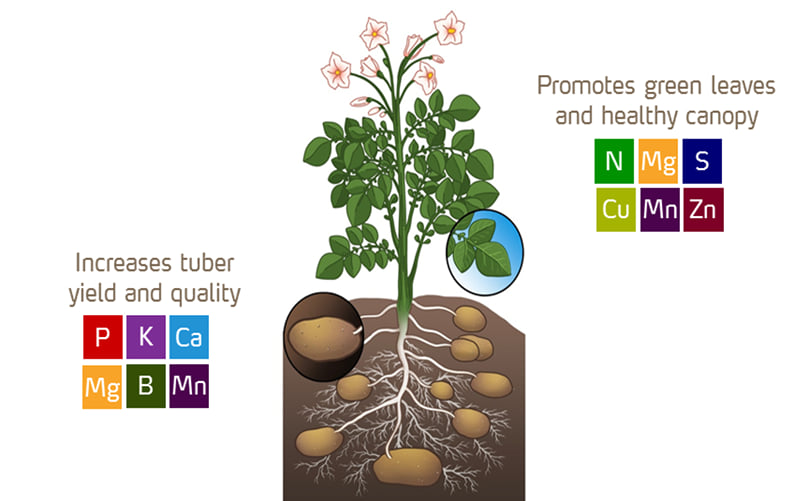
Nutrient deficiency symptoms and their impact on potato tuber quality
Integrated Nutrient Management (INM)
Combining organic sources (FYM, vermicompost or green manures) with inorganic fertilizers ensures sustained productivity and soil health. Incorporating biofertilizers such as Azotobacter or Azospirillum enhances nitrogen fixation and tuber yield, while mycorrhizal inoculants improve phosphorus uptake, especially in low-P soils.
Fertigation and Precision Techniques
Drip fertigation allows precise nutrient delivery in small, frequent doses, improving water and nutrient use efficiency by 25–30%. GPS-based nutrient mapping and leaf tissue analysis enable site-specific fertilizer recommendations, supporting resource-efficient and sustainable potato production.
Key Considerations
- Avoid over-fertilization, which may cause nitrate accumulation in tubers and reduce storability.
- Maintain an N:P:K ratio of approximately 1:0.5:1.2 for table potatoes and 1:0.6:1.5 for processing cultivars.
- Conduct regular soil and tissue testing to guide fertilizer use and prevent nutrient imbalances.
Balanced and timely nutrient management not only enhances tuber yield and quality but also improves disease resistance, storability and environmental sustainability.
Intercultural Operations
Intercultural operations in potato cultivation involve a series of field practices designed to promote healthy plant growth, manage weeds, conserve soil moisture and reduce disease incidence ultimately improving both yield and tuber quality. These practices include weeding, hoeing, earthing up (hilling), mulching, thinning, gap filling, pruning, irrigation and plant protection measures.
Weeding and Hoeing
Potatoes compete poorly with weeds for light, nutrients and moisture, particularly during the early growth stages. Timely weed management is therefore essential. Manual hoeing and weeding should be carried out 25–30 days after planting, ensuring minimal disturbance to the shallow root system. A second weeding may be required depending on weed pressure and soil conditions.
Earthing Up (Hilling)
Earthing up is typically performed 30–45 days after planting, when plants reach a height of 15–20 cm. The practice involves drawing soil around the base of the plants to form a ridge about 10–15 cm high. This operation:
- Prevents tuber greening by shielding them from sunlight (which induces solanine formation).
- Enhances tuber development by promoting stolon formation and expansion.
- Improves plant anchorage and resistance to lodging from wind or irrigation.
- Enhances water infiltration and drainage in ridged fields.
Proper earthing up can increase marketable yield by 15–25% and is often repeated 2–3 times during the growing season, depending on growth rate and soil type.
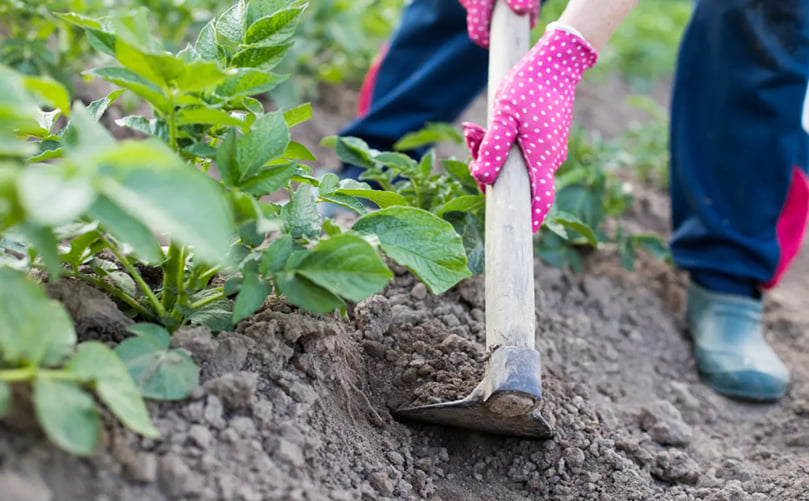
Earthing-up operation to cover potato tubers and prevent greening
Mulching
Mulching plays a vital role in moisture conservation and temperature regulation. Organic mulches such as straw, pine needles, leaf litter or compost and inorganic materials like black polyethylene film, can reduce soil moisture loss by 20–30%, suppress weed growth by blocking sunlight and moderate soil temperature for improved sprout emergence and early plant vigor. Additionally, mulching minimizes soil erosion and prevents crust formation after irrigation or rainfall.
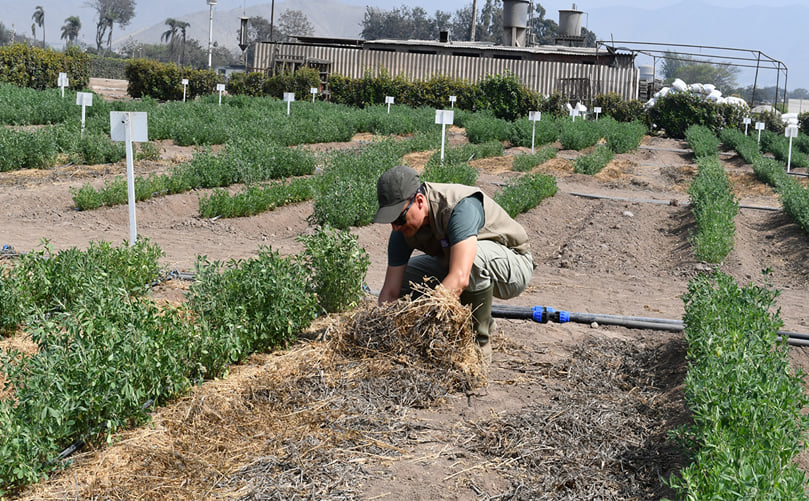
Mulch Application with starw to Enhances Soil Health and Early Growth
Intercropping and Cultural Integration
Potatoes can be successfully intercropped with compatible crops such as sugarcane or maize, where operations complement each other, improving resource-use efficiency and land productivity. Crop rotation with non-solanaceous crops (e.g., legumes or cereals) further helps in pest and disease management, maintaining soil fertility and biodiversity.
Chemical Weed Control
In cases of severe weed infestation, integrated chemical weed management may be adopted. Pre-emergence herbicides such as pendimethalin (1.0–1.5 kg a.i./ha) or metribuzin (0.5–1.0 kg a.i./ha) can be applied within 3 days of planting. Post-emergence herbicides like paraquat may be used cautiously if required. However, reliance on herbicides should be minimized by emphasizing cultural and mechanical practices for sustainable and eco-friendly management.
Sustainable Intercultural Practices
Adopting integrated intercultural management—combining mechanical, cultural, biological and chemical methods ensures long-term soil health and ecological balance. Practices such as crop rotation, organic mulching, minimal tillage and use of bioagents not only improve yield but also support biodiversity and reduce input dependency.
Effective Water Management in Potato Cultivation
Effective water management is crucial for potato production because the crop has a shallow root system—mostly confined within 30–60 cm depth and is highly sensitive to both drought and excessive moisture. Improper irrigation can cause yield losses ranging from 20–40%. Potatoes typically require 350–550 mm of water throughout a 90–120 day growth cycle, with critical stages being:
- Stolon formation (20–30 days after planting)
- Tuber initiation (30–50 days)
- Tuber bulking (50–80 days)
Moisture stress during these stages significantly reduces both tuber number and size. Irrigation practices: Pre-planting irrigation ensures uniform sprouting, followed by light, frequent irrigations (every 5–7 days during early growth) rather than heavy applications, to prevent leaching and soil erosion. As plants mature, water applications of 10–15 mm per event are recommended.
Drip irrigation offers 90–95% water-use efficiency (WUE) by delivering water directly to the root zone through emitters (0.5–1 L/hour), reducing water use by 30–50% compared to furrow irrigation (≈60% efficiency) and minimizing foliar disease incidence. Sprinkler or pivot systems are suitable for large-scale cultivation but may increase evaporation and runoff losses.
Irrigation scheduling should maintain 65–80% of field capacity, monitored using tensiometers or evapotranspiration-based models to optimize timing and volume. In ridge–furrow systems with plastic film mulching, soil moisture retention improves substantially, often enhancing WUE to 5–7 kg/m³.
Irrigation should be stopped 10–14 days before harvest to allow skin hardening and reduce the risk of bruising during handling. Integrating mulching with deficit irrigation (providing 70–80% of full crop water requirement during non-critical stages) promotes sustainable production by conserving water while maintaining tuber yield and quality.
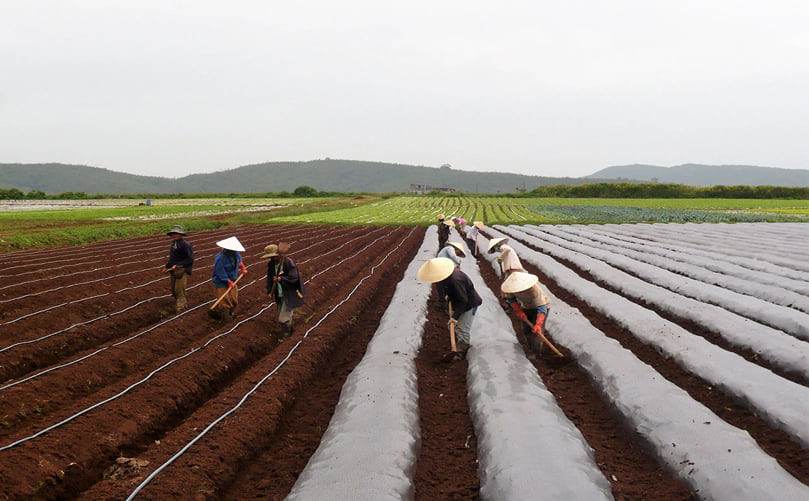
Drip irrigation system installed in a commercial potato field
Potato Varieties
Potato (Solanum tuberosum L.) varieties are classified based on starch content, skin and flesh color, maturity period and intended use. Globally, over 4,000 varieties are cultivated, grouped into seven main types: russet, red, white, yellow, blue/purple, fingerling and petite.
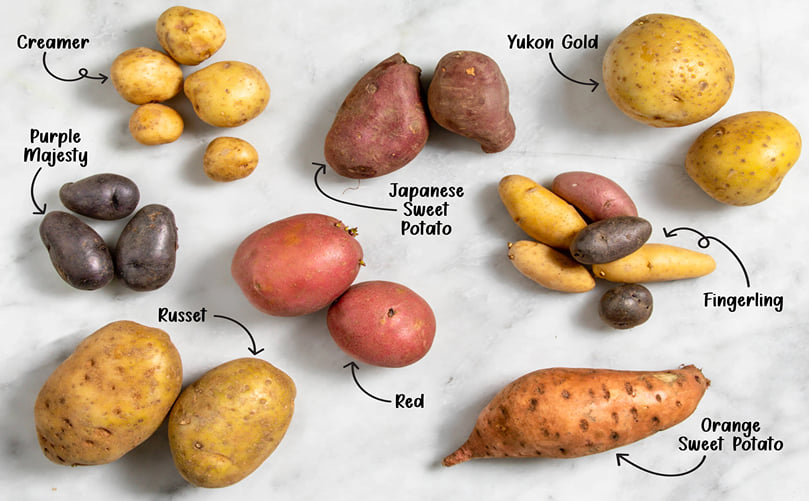
Diversity of potato cultivars displayed with skin and flesh colors
Russets: (e.g., Russet Burbank) possess rough brown skin and high starch content (20–22%), producing a dry, fluffy texture ideal for baking, frying, and mashing. Red potatoes (e.g., Red Pontiac, Chieftain) feature smooth red skin and waxy, low-starch flesh (16–18%) that retains its shape during boiling or in salads, and often show partial disease resistance.
Yellow varieties: (e.g., Yukon Gold) have thin golden skin, medium starch, a naturally buttery flavor, and are suited for roasting or grilling.
White potatoes: (e.g., Kennebec) exhibit smooth, pale skin, medium starch levels, and versatility for boiling, frying, or general culinary use.
Purple/blue potatoes: (e.g., Purple Majesty) are rich in anthocyanins, offering high antioxidant value, nutty flavor, and a striking color that is best preserved by steaming.
Fingerlings: (e.g., Russian Banana) are small, elongated, waxy types valued for their rich flavor and visual appeal, ideal for roasting whole.
Petites: (creamers) are miniature forms (1–2 inches) of standard varieties, notable for quick cooking and suitability in gourmet dishes.
Varietal selection depends on agro-climatic adaptability (e.g., early-maturing Norland for short-season regions), disease resistance (e.g., late blight-resistant Defender) and market preference (processing vs. table consumption). Both hybrid and heirloom lines contribute to diversity, with differences in yield potential (20–40 t/ha), tuber shape (round to oblong) and storage life guiding cultivar choice.
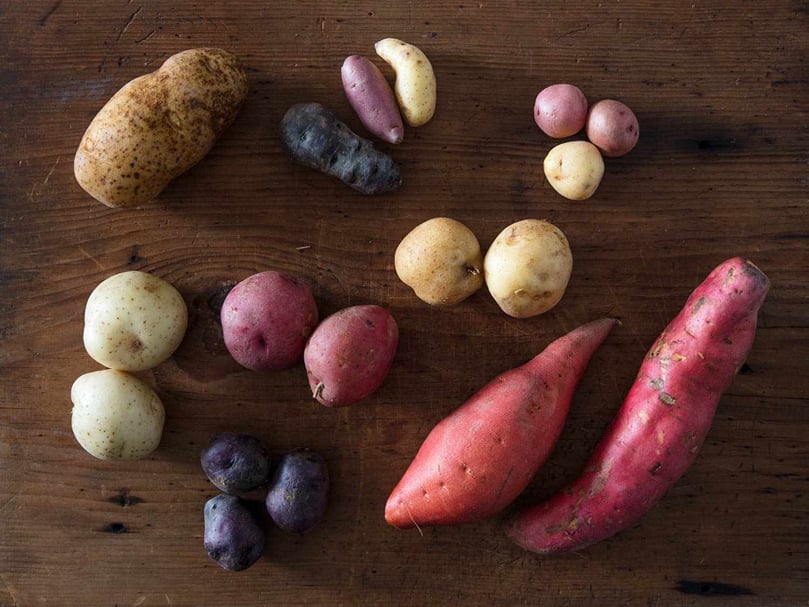
Labeled assortment of processing, table and specialty potato varieties
Pest and Disease Management in Potato Cultivation
Integrated Pest Management (IPM) in potato cultivation combines cultural, biological, mechanical and chemical strategies to control pests and diseases effectively while minimizing environmental impact.
Major insect pests include:
- Colorado potato beetle (Leptinotarsa decemlineata) – Larvae and adults defoliate foliage, reducing photosynthesis. Control through Bacillus thuringiensis formulations, neem-based biopesticides, and handpicking in small plots.
- Aphids (Myzus persicae, Aphis gossypii) – Act as vectors for viral diseases such as Potato Virus Y (PVY) and Leaf Roll Virus. Manage by promoting natural predators like lady beetles and lacewings or applying insecticidal soaps.
- Wireworms (larvae of Agriotes spp.) – Bore into tubers causing feeding tunnels. Control via crop rotation with non-host cereals and maintaining proper soil moisture.
- Potato tuber moth (Phthorimaea operculella) – Larvae tunnel leaves and tubers, particularly in storage. Monitor using pheromone traps and destroy infested residues.
Colorado potato beetle and larval damage on potato foliage
Key diseases affecting potato include:
- Late blight (Phytophthora infestans) – Causes water-soaked leaf lesions and tuber rot. Manage preventively with fungicides such as mancozeb or metalaxyl, combined with resistant varieties and proper spacing for aeration.
- Early blight (Alternaria solani) – Produces characteristic concentric brown rings on leaves and stems. Reduce incidence through crop rotation, balanced fertilization, and timely fungicide application.
- Blackleg and soft rot (Pectobacterium carotovorum subsp. carotovorum) – Lead to stem blackening and tuber decay. Prevent by using certified seed and avoiding over-irrigation.
- Common scab (Streptomyces scabies) – Results in corky lesions on tuber surfaces. Maintain slightly acidic soil (pH 5.0–5.2) and avoid alkaline conditions.
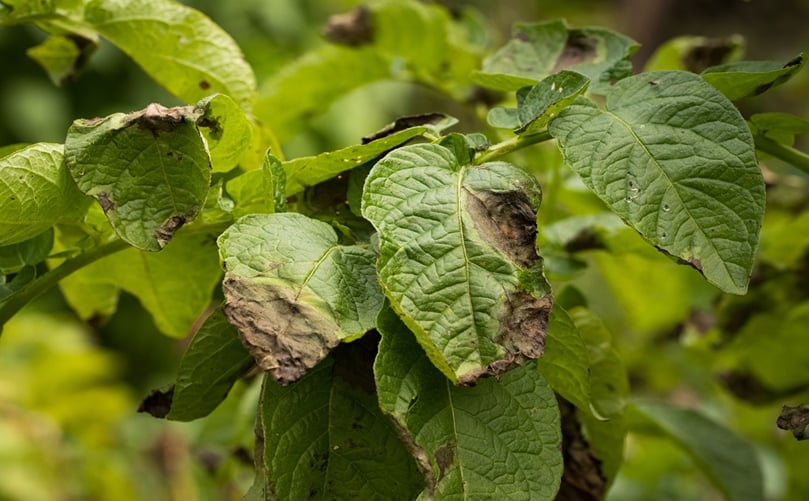
Late blight infection on potato leaves showing characteristic lesions
Integrated management practices include:
Integrated pest and disease management in potatoes involves a combination of preventive and control measures applied in a coordinated manner. Using clean, certified seed helps minimize the introduction of primary inoculum, while crop rotation with non-host crops such as cereals every 3–4 years effectively disrupts pest and pathogen life cycles. Regular field scouting on a weekly basis and adopting economic thresholds, for example, 10% defoliation for beetles, ensure that control measures are applied only when necessary. Encouraging natural enemies, including predatory insects and parasitic wasps, enhances biological control in the ecosystem.
Chemical control should be used judiciously, with insecticides and fungicides alternated among different modes of action to delay the development of resistance. Biological control agents such as Trichoderma spp. and Pseudomonas fluorescens play a vital role in suppressing soilborne pathogens, while cultural practices such as weed removal, crop residue management and proper irrigation scheduling help reduce the spread of diseases and limit pest habitats. In addition, monitoring tools like pheromone traps, yellow sticky cards, and weather-based decision aids provide valuable support for timely interventions, making integrated pest management (IPM) a sustainable and economically viable strategy for potato cultivation.
Harvesting and Storage
Efficient harvesting and storage of potato (Solanum tuberosum L.) are essential to minimize mechanical injury, maintain quality and extend shelf life. Harvesting is ideally conducted once vines naturally yellow and senesce typically 90–120 days after planting under dry weather conditions to reduce soil adhesion and tuber contamination.
For small-scale cultivation, manual harvesting is performed by digging 25–30 cm deep using forks or spades to lift the plants carefully, shaking off excess soil, and hand-collecting tubers. This minimizes bruising and skin cuts. In large-scale operations, mechanical one- or two-row potato harvesters are employed; these machines undercut ridges, lift tubers onto conveyors to separate them from soil and haulm, and transfer them into collection bins. Mechanization improves efficiency and consistency, handling yields of 20–40 t/ha.
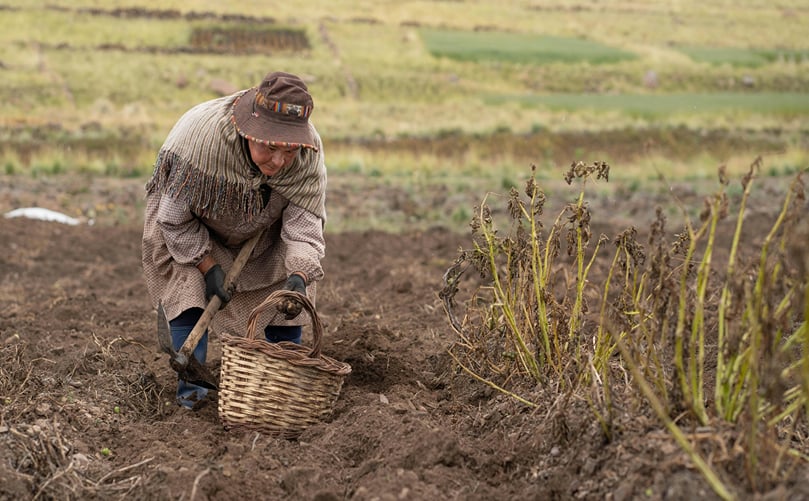
Field to Basket: Women Harvesting Potatoes
After harvest, curing is a crucial step for wound healing and skin set. Tubers should be cured at 15–20°C temperature and 85–95% relative humidity for 10–14 days, allowing suberization of damaged tissues and formation of a protective periderm that minimizes microbial infection and water loss.
Storage management depends on the intended purpose:
Seed potatoes: Store at 4–7°C to suppress sprouting while maintaining viability.
Table potatoes: Maintain at 7–10°C with 90–95% relative humidity in dark, well-ventilated environments to prevent greening and dehydration.
Use sprout inhibitors such as chlorpropham (CIPC) where permitted, but avoid exposure to ethylene-producing fruits like apples, which induce sprouting.
In bulk storage systems, insulated warehouses or barns equipped with forced-air ventilation and duct systems ensure uniform temperature and humidity distribution. For smaller lots, crate or sack storage provides flexibility and ease of handling. Regular monitoring for diseases and periodic inspection of temperature and humidity are vital to prevent rotting or condensation.
Under optimal post-harvest and storage conditions, potatoes can be stored for 6–10 months with less than 10% quantitative and qualitative loss, ensuring a consistent supply for both consumption and seed purposes.
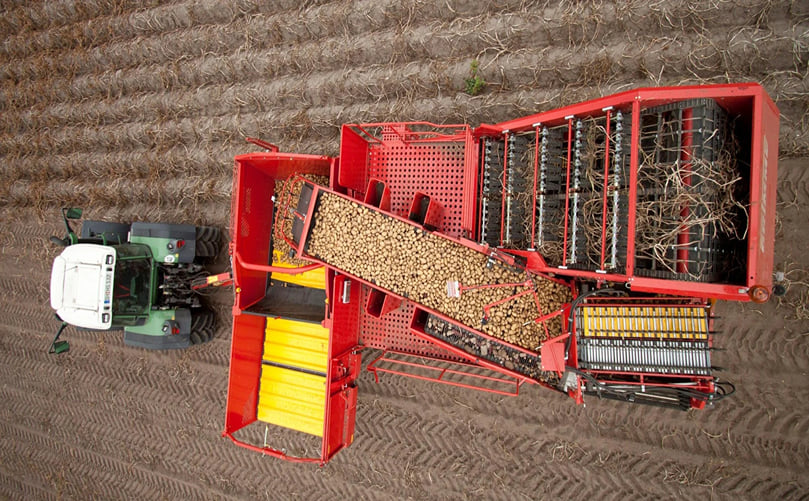
Mechanical potato harvester lifting and separating tubers from soil
Constraints and Future Prospects
Potato cultivation faces a diverse set of constraints that affect productivity, sustainability and profitability for growers worldwide.
Major Constraints
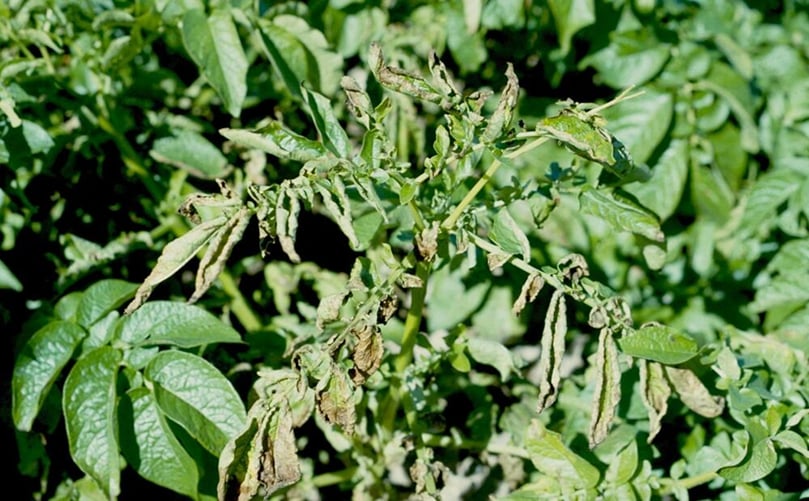
Abiotic stresses: Environmental factors such as drought, flooding, temperature extremes (heat and frost), soil salinity and heavy metal contamination significantly limit productivity. Yield reductions of 20–50% are common under such conditions and these challenges are projected to intensify with ongoing climate variability and irregular rainfall patterns.
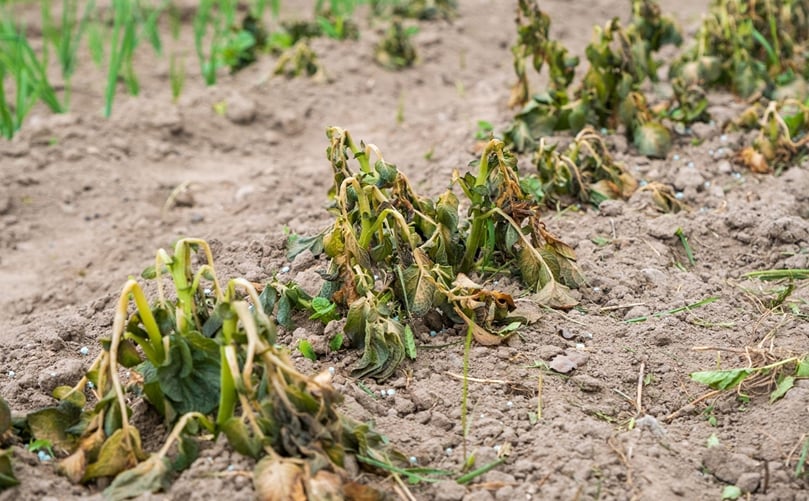
Frost-damaged potato foliage with blackened leaves and stunted tubers, illustrating abiotic environmental challenges
Biotic stresses: Pests like the Colorado potato beetle, aphids and potato tuber moth, along with diseases such as late blight (Phytophthora infestans) and bacterial wilt (Ralstonia solanacearum), continue to cause severe losses. The widespread dependence on chemical control not only increases input costs but also accelerates pesticide resistance and raises environmental concerns.
Economic and infrastructural challenges: Production costs remain high, with seed expenses accounting for up to 40% of total costs. Additional financial burdens stem from fertilizer, pesticide and labor inputs. Smallholders frequently struggle with limited access to credit and formal financing, restricting their ability to adopt advanced technologies or quality inputs. Infrastructure gaps particularly inadequate cold storage, processing units and transport networks contribute to 20–30% post-harvest losses.
Technological and varietal limitations: In many developing regions, especially parts of Africa and South Asia, limited availability of high-yielding and disease-resistant varieties constrains output. For instance, in certain regions of Rwanda, average yields are only 11.6 t/ha compared to a potential of 50.6 t/ha under optimal management. Insufficient technical training and extension services further limit productivity gains.
Socioeconomic barriers: Farmer reluctance toward contract farming due to stringent quality standards, low price transparency, and lack of awareness prevents integration into stable value chains.
"Potato farming is a complex system where soil, water, climate and plant health must be carefully managed. By applying advanced techniques and good agricultural practices, growers can maximize productivity while meeting both nutritional needs and market expectations worldwide.."