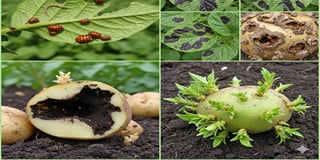

Safeguarding the Potato: Biotechnology and Smart Farming in Action
Crop protection for potatoes combines advanced science with eco-friendly farming methods to keep this important food crop safe from diseases, insects, weeds and other challenges that could threaten the world's food supply. Potatoes are the world's fourth most important food crop, after rice, wheat and maize. They provide nutrition for more than 1.3 billion people and give a lot of calories, vitamins and minerals from each hectare of land.
However, threats like late blight, which is caused by the Phytophthora infestans fungus and the Colorado potato beetle, which is Leptinotarsa decemlineata can destroy entire harvests. If these problems are not treated, fields can lose all their crops in very bad cases. In areas like Sub-Saharan Africa, where potatoes are becoming more important for food security because of changing weather patterns and in North America, where potato farming is mostly done on a large scale, it's important to protect farmers' earnings help local economies and keep food supplies steady.
New developments in biotechnology, like CRISPR edited crops that help plants resist diseases better, AI tools that predict when disease outbreaks might happen and eco-friendly pesticides such as RNA interference sprays are changing the way we approach agriculture. These new methods are designed to use less chemicals helping to cut down pesticide use by as much as half in some tests and they also make crops stronger in different weather conditions from dry soils in Africa to cooler fields in Europe. In the Netherlands, using drones for precise applications has reduced chemical runoff by 30 to 40 percent, which helps support biodiversity and improves soil health. As global potato production nears 400 million tons each year, these changes are very important for meeting increasing needs caused by more people and more cities.
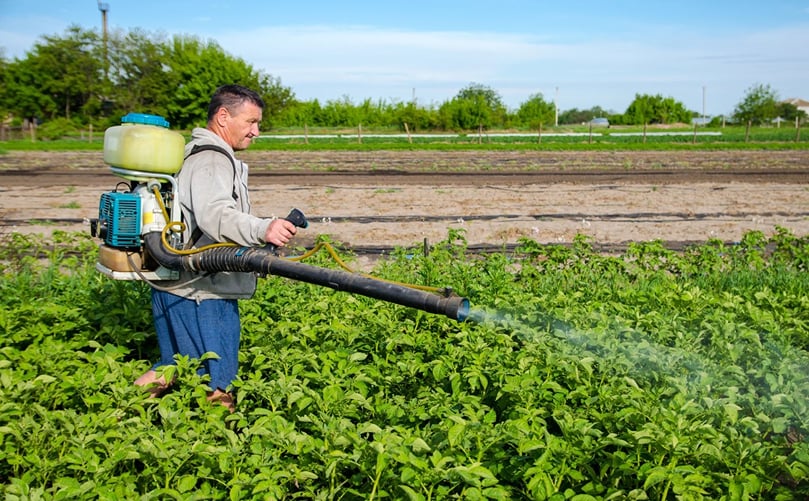
Defending the Potato: AI, Biotechnology and Sustainable Crop Protection
What Is Crop Protection in Potatoes?
Crop protection for potatoes includes a variety of methods aimed at reducing harm from living threats like diseases such as potato dry rot, which is caused by Fusarium and pests like aphids that spread Potato Virus Y. It also covers non-living challenges such as drought and frost, as well as weeds and problems that happen after harvesting. These strategies are used throughout the whole growing process, starting from choosing the right seeds and planting them, through to harvesting and storing the potatoes.
It uses chemical methods like specific fungicides, natural solutions such as good bacteria (like Bacillus thuringiensis which helps control beetle larvae), farming techniques such as rotating crops and choosing strong plant varieties and physical approaches like tilling the soil to break up where pests live. Integrated Pest Management (IPM) systems focus on setting limits for pest levels so that actions are taken only when needed, which helps protect the environment.
Purpose: The main aim is to keep potato crops healthy and their tubers in good condition, preventing worldwide losses that usually range from 20 to 40 percent when no protection is used and also moving towards more sustainable methods. This helps ensure there is enough food by keeping prices low, helps farmers make more money by reducing their costs (like using precise tools that can cut pesticide use by 20%) and encourages farming that is better for the environment by improving soil health and lowering harmful chemicals in water. In areas with high risk, such as India, where aphids can spread viruses, protection methods have helped small farmers keep their production stable.
Did You Know?
A single untreated late blight outbreak can destroy an entire potato field in just weeks, but modern protection methods can save nearly all of it!
History and Origins of Crop Protection in Potatoes
Potato protection originated in the Andes around 8,000–10,000 years ago, where indigenous communities employed sustainable techniques like terracing, diverse varietal planting for natural resistance and companion cropping with lupins to deter pests. These practices minimized soil erosion and pathogen buildup in high-altitude environments. The crop's introduction to Europe in the 16th century brought new challenges, culminating in the 1840s Irish Potato Famine, where late blight wiped out harvests, causing over a million deaths and mass emigration. This catastrophe spurred the first chemical interventions, with Bordeaux mixture (copper sulfate and lime) developed in 1885 as an effective fungicide.
Post-World War II, synthetic pesticides like DDT proliferated, boosting yields but sparking environmental backlash as highlighted in Rachel Carson's 1962 "Silent Spring." This led to the 1970s adoption of IPM, combining scouting, biological controls and minimal chemicals. The 1990s introduced biotechnology with the first genetically modified (GM) potato resistant to Colorado potato beetles released in 1995, incorporating Bt toxin to reduce insecticide applications by 40%.
Did You Know?
The first GM potato, resistant to Colorado potato beetles was introduced in 1995, marking a biotechnology milestone that reduced insecticide use.
Integrated Protection Techniques in Potato Farming: From Field Practices to Smart Solutions
Crop protection utilizes a multifaceted toolkit customized to regional threats. Cultural practices remain foundational: rotating potatoes with non-host crops like cereals every 3–4 years breaks disease cycles, while certified disease-free seeds prevent tuber borne issues like blackleg. In India, early planting avoids aphid peaks, reducing virus transmission by 30%. Chemical controls include fungicides like mancozeb for late blight and neonicotinoids for beetles, applied via GPS guided sprayers or drones for precision, minimizing drift.
Biological approaches harness nature: predatory ladybugs control aphids, while biopesticides like Trichoderma fungi combat soil pathogens, enhancing root health. IPM integrates real-time data from sensors and weather apps to trigger interventions only at economic thresholds as in European systems reducing sprays by 25%. Mechanical methods, such as flame weeding or timely hilling, suppress weeds and expose pests. Emerging 2025 techniques include RNAi sprays like Ledprona for targeted beetle control without broad-spectrum harm.
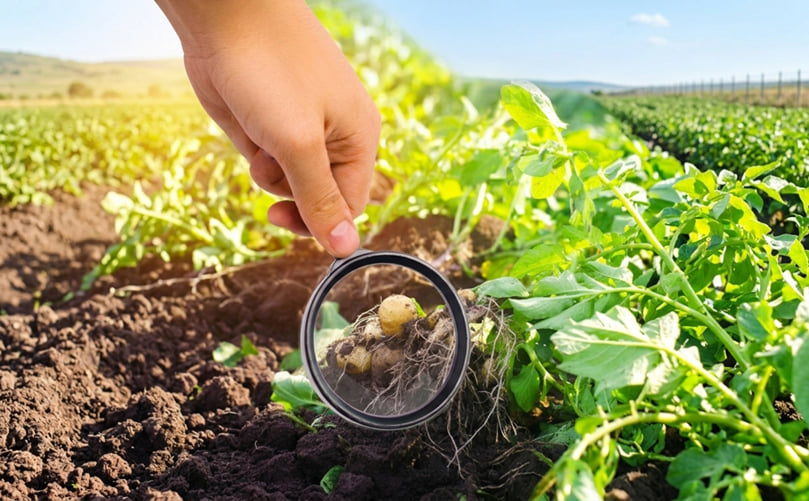
Holistic Potato Crop Protection: Field Practices to Advanced Innovations
Did You Know?
Drones can now map potato fields to detect pest hotspots, cutting pesticide use by up to 30% in tech adopting regions like the Netherlands!
Why Crop Protection Matters in Potatoes: Yield, Profitability and Sustainability
Crop protection is indispensable for maximizing potato production potential, mitigating risks from biotic and abiotic stresses and ensuring long-term agricultural viability. By integrating advanced strategies like IPM and biological inputs, it not only safeguards yields but also aligns with global sustainability goals, reducing environmental footprints while enhancing economic returns for farmers worldwide.
Yield Impact: Effective crop protection averts devastating losses up to 80% from unchecked diseases like late blight while elevating yields by 30–50% through the adoption of resistant varieties, timely interventions and innovative biologicals as demonstrated in field trials across India, Uganda and Rwanda. For instance, biofortified varieties in Rwanda have doubled marketable yields, bolstering local food systems and nutrition.
New resistant hybrids are further amplifying outputs in high-risk zones with biological inputs like Rhizolizer Duo WP increasing yields by 8.4% (3,410.5 lbs/acre) and combined treatments up to 17.7% (6,945.4 lbs/acre) in U.S. trials, addressing challenges such as inconsistent emergence and stress during tuber initiation. Globally, potatoes role in food security is amplified with sustainable protection enabling higher production on less land and water, supporting over 1.3 billion people amid climate pressures.
Disease and Pest Management: Protection strategies effectively manage tuber borne threats such as Potato Virus Y (PVY), blackleg and pests like the Colorado potato beetle, slashing pesticide reliance by up to 50% via IPM frameworks that prioritize monitoring and biological controls. Microbial biopesticides, including Trichoderma-based products, combat soil pathogens while promoting root health and ecosystem balance for pollinators and microbes.
Biological inputs enhance stress tolerance and vigor with products like Bombigro boosting photosynthesis under adverse conditions leading to healthier crops and reduced disease incidence. In regions like the Netherlands, biocontrol methods have proven successful in maintaining crop cycles without heavy chemical use, ensuring safer produce and preserving biodiversity.
Economic and Sustainability Benefits: Farmers realize substantial savings up to 20% on inputs through reduced chemical costs, higher profits from premium quality tubers and compliance with market standards as seen in Peru where Andean traditions merged with IPM lower expenses for smallholders. IPM delivers 35% higher marketable yields and superior net profits compared to conventional practices with environmental gains like minimized pesticide runoff and enhanced soil fertility via regenerative techniques such as cover cropping.
Globally, IPM has generated over USD 12 billion in benefits through yield increases and cost reductions, while sustainable potatoes boast a lower carbon footprint, requiring less land and water than other staples. The potato crop protection market is projected to grow from USD 3.5 billion in 2023 to USD 5.2 billion by 2032, driven by these eco-friendly advancements
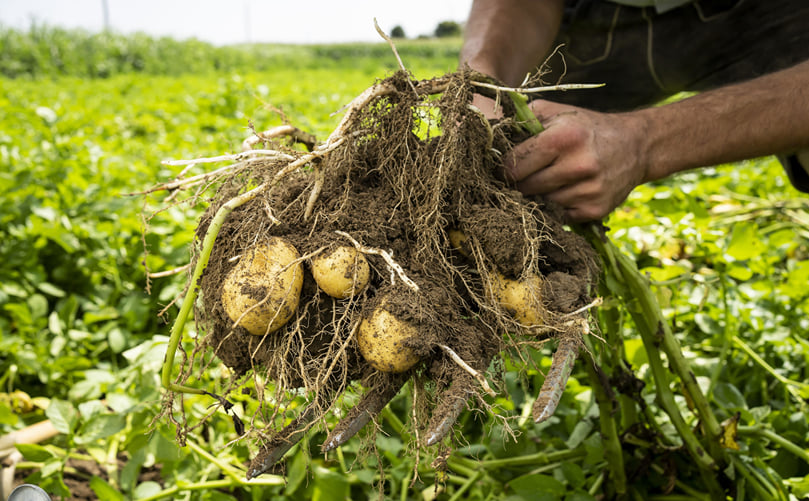
Protecting Potatoes for Profit and Sustainability: From Field to Market
Did You Know?
Sustainable protection practices can cut farming costs by 20% helping smallholders in regions like Kenya thrive economically!
Challenges in Potato Crop Protection: Resistance, Climate Pressure and Regulatory Constraints
Despite advancements, crop protection in potatoes grapples with evolving threats, regulatory hurdles and accessibility issues, exacerbated by climate change and rapid pest adaptation. These challenges demand ongoing innovation and equitable solutions to sustain global production.
Resistance and Efficacy: Pests and pathogens, including fungicide resistant late blight strains and insecticide tolerant Colorado potato beetles, evolve swiftly, necessitating frequent rotations of chemical and biological methods. The Colorado potato beetle has developed resistance to over 52 compounds across all major insecticide classes, including carbamates, organophosphates, pyrethroids and neonicotinoids with resistance ratios up to 2,000-fold in regions like Michigan and Quebec.
Emerging resistant beetle populations in Asia require novel approaches like RNA-based sprays, while mechanisms such as enhanced metabolism and target site mutations complicate management. IPM strategies, including crop rotation and untreated refuges are recommended to delay resistance, though pleiotropic fitness costs in resistant populations offer some natural checks.
Environmental and Regulatory Pressures: Stringent regulations, such as EU bans on certain pesticides, restrict options, while climate change drives pest migrations and intensifies outbreaks through warmer temperatures and erratic weather. Rising temperatures accelerate aphid reproduction, boosting PVY transmission and enable pathogens like bacterial wilt to invade highland areas in East Africa. U.S. growers face weather extremes and disease pressures with late blight expanding into warmer regions and blackleg thriving in wetter conditions.
Storage challenges like increased sprouting from heat stress, further compound issues requiring adaptations like AI monitoring and resilient varieties.
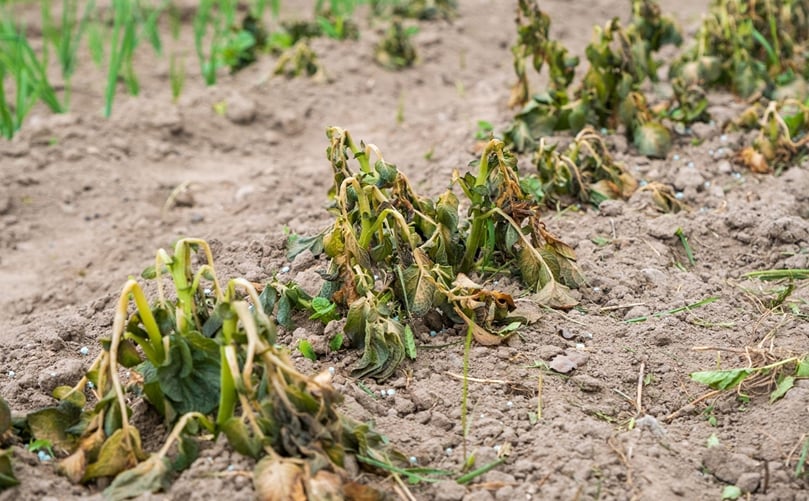
Frost-Stressed Potatoes Under Climate Change (Source: Wiki Faramer)
Access and Adoption: Smallholder farmers in Sub-Saharan Africa encounter high costs and limited access to tools like GM seeds, drones and certified disease-free seeds with only 10-20% affording them, hindering modern strategy adoption. Training programs in Ethiopia promote IPM, but scalability is challenged by infrastructure deficits and financial barriers. Farmers from countries like Kenya and Nigeria call for policies enabling technology neutral access, low interest loans and R&D investments to combat climate impacts and boost resilience, emphasizing that agriculture supports 50% of Africa's population yet faces low productivity.
Initiatives against pests like potato cyst nematodes (PCN) through IITA training aim to empower agencies, but broader collaboration is needed for equitable tech distribution
Innovations and Future Outlook in Potato Crop Protection
Modern ways of protecting potato crops are changing because of new digital, biological, and genetic methods that help the environment and make farming more able to handle climate changes. A type of trap that uses pheromones to attract and kill tuber moths (Phthorimaea operculella) is now being used by farmers. This method has helped reduce the need for insecticides by more than 60%. At the same time, biodegradable biopolymers and nanomaterial coatings are becoming new ways to protect against fungal diseases like Phytophthora infestans, offering safe and controlled defense without leaving behind harmful chemicals. Using drones that are controlled by AI and use multispectral imaging, farmers can reduce the amount of pesticide used and the runoff by up to 40%.This helps protect both crop production and the environment.
Biotechnological breakthroughs are also reshaping potato protection. The International Potato Center along with partners from Kenya and Uganda, has successfully created and introduced genetically modified potatoes that are resistant to late blight. These potatoes help cut down the need for fungicides by up to 90% and increase crop yields by 25 to 45%. At the same time, CRISPR-based gene editing is helping plants resist drought and viral diseases like Potato Virus Y (PVY) and it is speeding up the breeding process by many years.
Artificial intelligence and predictive modeling are changing how we forecast pests and diseases. AI-powered early warning systems in Europe and North America can now predict late blight outbreaks up to several days ahead with accuracy between 80 and 90 percent. This helps farmers plan their prevention efforts better and save millions of dollars that would otherwise be lost. Looking ahead, autonomous robotic harvesters, satellite-linked irrigation systems and climate resilient potato hybrids are expected to increase global potato production to around 750 million tons by 2030.This will be done with 25% less harm to the environment compared to today's methods, thanks to innovations that focus on being more precise and sustainable.
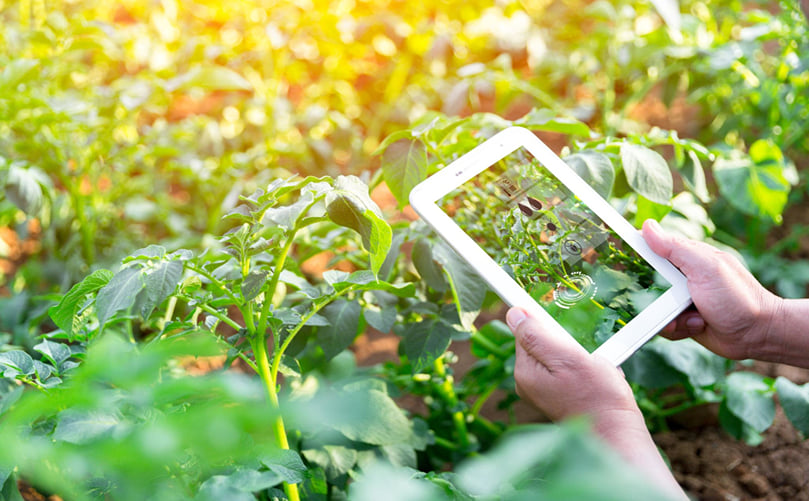
Smart & Sustainable Potato Protection: AI Forecasting
Did You Know?
AI-driven decision support tools can now predict late blight infections 3–5 days before symptoms appear, preventing yield losses and reducing fungicide sprays across Europe and North America!
Potatoes and Global Food Security: Feeding Billions Sustainably
Potatoes (Solanum tuberosum L.) are the fourth most important food crop in human diets after rice, maize and wheat, sustaining over 1.3 billion people worldwide. Global production exceeds 370 million tons annually across more than 150 countries, providing a vital source of carbohydrates, vitamin C, potassium and dietary fiber. In many developing regions, especially in Sub-Saharan Africa and South Asia, potatoes play a growing role in ensuring food and nutritional security due to their high yield per unit area and short growing cycle, which make them ideal for climate smart agriculture systems.
Crop protection technologies ranging from integrated pest management (IPM) to precision agriculture prevent billions of dollars in annual losses from pests and diseases such as Phytophthora infestans, Epitrix flea beetles and bacterial wilts. In Sub-Saharan Africa, adoption of IPM and clean seed systems has boosted smallholder yields by 20–30%, contributing directly to rural income generation and poverty reduction. For example, regional initiatives supported by the International Potato Center (CIP) and national partners have improved seed quality and reduced late blight losses by 25–40%, enabling farmers to harvest marketable yields even under disease pressure.
Nutritional improvements through biofortification and genetic enhancement are further strengthening the potato’s food security role. Iron and zinc-enriched potato lines along with high vitamin C cultivars are being introduced in Africa and Asia to combat micronutrient deficiencies. At the same time, sustainable crop protection reduces greenhouse gas emissions and chemical runoff by promoting biological controls, precision irrigation and reduced pesticide dependency. These innovations enhance soil health and biodiversity while maintaining productivity under changing climate conditions.
By 2030, sustainable intensification of potato systems integrating resistant cultivars, AI-driven pest prediction and eco-friendly management could secure global supplies despite climate volatility and rising demand. Strengthened international collaboration through FAO, CIP and CGIAR initiatives ensures that potatoes remain a cornerstone of global food security, providing nutritious food and economic resilience for farming communities worldwide.
"Crop protection in potatoes weaves science and sustainability, shielding harvests from threats and cultivating a future where every tuber nourishes a hungry world."