

Introduction to Potato Pests, Diseases and Physiological Disorders
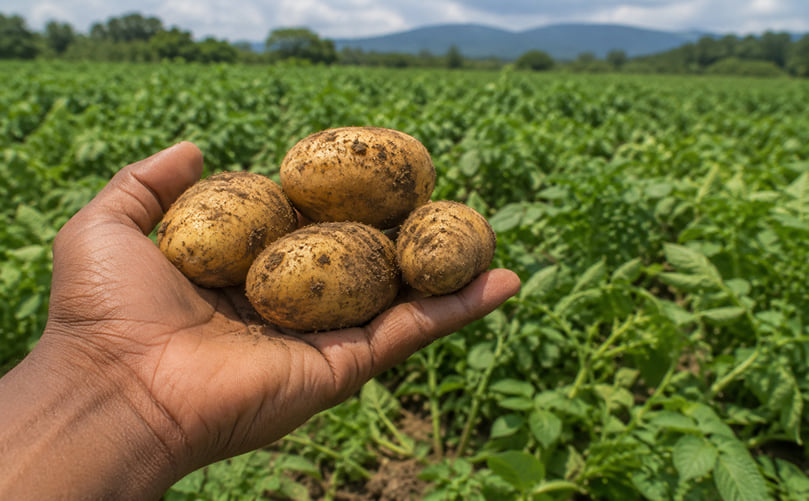
Potato (Solanum tuberosum) is one of the world’s most important food crops, cultivated across temperate, subtropical and tropical regions for fresh consumption, processing, seed production and industrial use. However, potato production is highly vulnerable to a wide range of pests, diseases, and physiological disorders that significantly reduce yield, tuber quality, storage life, processing suitability and market value. These problems collectively represent one of the greatest challenges to sustainable potato cultivation worldwide.
Potato pests include insects, mites and nematodes that damage plants through feeding, tunneling, sap sucking, root injury or transmission of pathogens. Important global pests such as Colorado Potato Beetle, Potato Tuber Moth, aphids, cutworms, whiteflies and potato cyst nematodes can severely reduce crop vigor and tuber quality while also increasing vulnerability to secondary infections.
Potato diseases are caused by infectious pathogens including fungi, oomycetes, bacteria, viruses, viroids and nematodes. These pathogens infect foliage, stems, roots, stolons and tubers, often causing epidemics under favorable environmental conditions. Some of the most economically destructive diseases worldwide include Late Blight, Blackleg, Brown Rot, Common Scab, Potato Virus Y and Zebra Chip. Many potato diseases spread through infected seed tubers, soil, irrigation water, insect vectors, storage facilities and international trade making them major concerns for global agriculture and phytosanitary regulation.
In addition to pests and infectious diseases, potato crops are also affected by physiological disorders, which are non-infectious abnormalities caused by environmental stress, nutritional imbalance, irrigation irregularities, genetic susceptibility or improper storage conditions. Disorders such as Greening, Hollow Heart, black heart, growth cracks, knobbiness, internal heat necrosis and cold sweetening can severely reduce market acceptance and processing quality even in the absence of pathogens or pests.
The economic impact of potato pests, diseases and physiological disorders is enormous. These problems can cause substantial yield reductions, storage losses, processing defects, export restrictions and rejection of seed lots under certification standards. In severe outbreaks, entire fields may become unmarketable, while postharvest losses during long-term storage can significantly affect supply chains and profitability. Processing industries producing chips, fries, starch and dehydrated potato products are especially sensitive to defects that affect fry color, sugar accumulation, texture, dry matter content and acrylamide formation.
The importance of these problems has increased further under modern intensive cultivation systems. Continuous potato monocropping, high fertilizer inputs, large-scale irrigation, global seed movement, extended cold storage and increasing pesticide resistance have created favorable conditions for the emergence and spread of many pathogens and pests. At the same time, climate change is altering the epidemiology and distribution of potato health problems worldwide. Rising temperatures, changing rainfall patterns, increased humidity fluctuations, warmer winters and extreme weather events are expanding pest populations, increasing disease pressure and intensifying stress related physiological disorders in many potato-growing regions.
Effective management of potato pests, diseases and physiological disorders requires an integrated approach combining certified seed systems, resistant cultivars, crop rotation, field sanitation, irrigation management, biological control, responsible pesticide use, precision agriculture, molecular diagnostics and improved storage technologies. Advances in artificial intelligence, remote sensing, genomic breeding, RNA interference (RNAi), CRISPR-based resistance breeding and smart storage systems are increasingly contributing to modern potato health management and sustainable production systems.
Understanding the biology, symptoms, epidemiology, environmental interactions and management strategies associated with potato pests, diseases and physiological disorders is therefore essential for growers, agronomists, researchers, seed producers, storage operators, processors and policymakers involved in the global potato industry.
Protecting Potatoes from Pests, Diseases and Physiological Disorders


