

Zebra Chip Disease in Potatoes: Everything You Need to Know
Zebra Chip (ZC) is one of the most destructive bacterial diseases affecting the potato processing industry. Since its first report in Saltillo, Mexico, in 1994, followed by its spread into the United States in 2000, the disease has become a major phytosanitary and economic concern in potato producing regions of North America, Central America, New Zealand and parts of Europe. Zebra Chip significantly reduces both potato yield and tuber quality, causing substantial financial losses to growers, processors and seed potato producers. Even fields with relatively low disease incidence can experience severe economic losses because infected tubers become unsuitable for processing into potato chips and French fries.
The disease primarily affects potato (Solanum tuberosum L.), but the pathogen can also infect several economically important crops within the Solanaceae family, including tomato (Solanum lycopersicum), pepper (Capsicum spp.), eggplant (Solanum melongena), tomatillo (Physalis philadelphica) and tobacco (Nicotiana tabacum). Other genetic variants (haplotypes) of the same bacterium are associated with diseases in members of the Apiaceae family, such as carrot, celery and parsley, although these are generally transmitted by different psyllid species and are considered separate pathosystems.
The causal agent of Zebra Chip is the phloem limited, unculturable bacterium Candidatus Liberibacter solanacearum (CLso or Lso). In potato, the bacterium is transmitted primarily by the potato psyllid (Bactericera cockerelli), a sap feeding insect that acquires the pathogen while feeding on infected plants and subsequently spreads it to healthy crops. Once inside the plant, CLso colonizes the phloem tissue, disrupting the transport of water, nutrients and photosynthates. This results in reduced plant vigor, leaf chlorosis, upward leaf rolling, aerial tuber formation, vascular discoloration, poor tuber development and ultimately lower marketable yields.
The name "Zebra Chip" originates from the distinctive dark brown to black stripes and blotches that develop inside infected potato tubers after frying. These characteristic zebra-like patterns occur because CLso infection increases the concentration of reducing sugars and phenolic compounds within the tubers. During frying, reducing sugars react with amino acids through the Maillard reaction, while phenolic compounds undergo enzymatic browning, producing dark discoloration that makes potato chips, crisps, French fries and other processed potato products visually unacceptable and commercially unmarketable. Importantly, tubers that appear healthy externally may still develop severe internal defects during processing making Zebra Chip one of the most serious quality disorders in the potato processing sector.
Beyond direct yield losses, Zebra Chip substantially increases production costs because growers often depend on repeated insecticide applications to suppress potato psyllid populations. Intensive vector management has raised concerns about insecticide resistance, environmental impacts, and production costs. In addition, the presence of Candidatus Liberibacter solanacearum has significant phytosanitary implications, influencing seed potato certification programs, domestic movement of planting material and international trade regulations in several countries. Consequently, Zebra Chip is now recognized as one of the most important vector-borne bacterial diseases threatening the sustainability and profitability of the global potato industry.
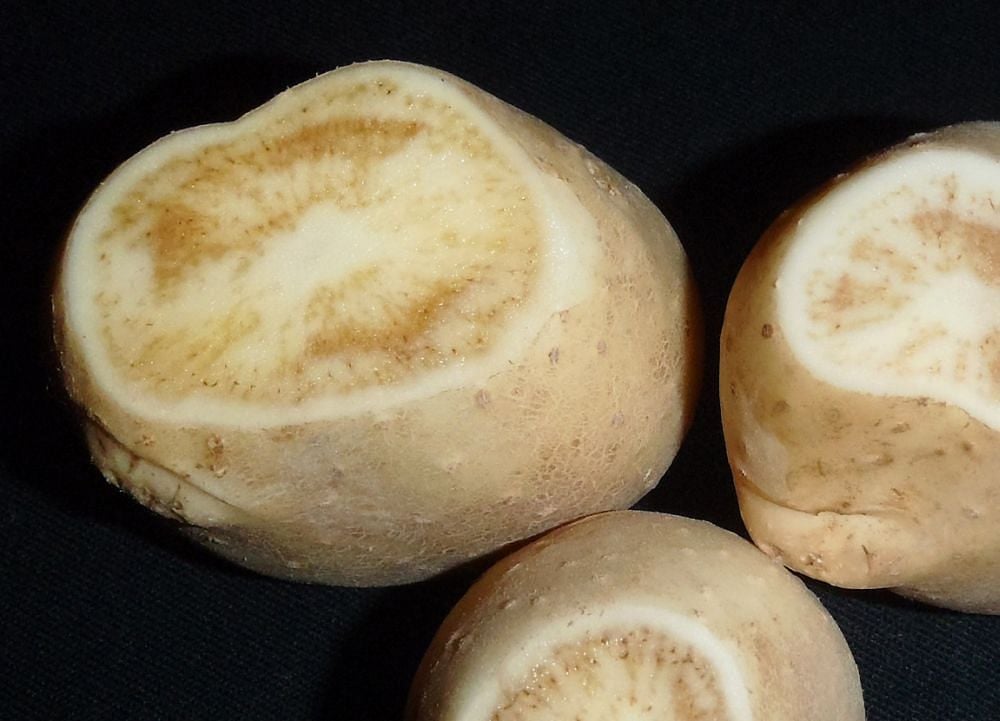
Potato Tubers affected by Zebra chip disease
What is Zebra Chip Disease?
Definition Zebra Chip (ZC) is a serious bacterial disease that affects potato crops and has become one of the biggest challenges for the potato processing industry. The disease is caused by the phloem-limited bacterium Candidatus Liberibacter solanacearum (CLso or Lso), which is primarily spread by the potato psyllid (Bactericera cockerelli). It affects both the growth of the potato plant and the quality of its tubers, leading to significant economic losses for growers and processors.
Infected potato plants often show symptoms such as yellowing (chlorosis), purpling of leaves, upward leaf curling, shortened internodes, stunted growth, swollen nodes and the formation of aerial tubers. Inside the tubers, the disease causes vascular browning, necrosis of the medullary rays and brown flecking. Although many infected potatoes look normal from the outside, they develop distinctive dark brown to black zebra-like stripes and blotches when fried. These defects occur because the infection increases the levels of reducing sugars and phenolic compounds in the tuber. During frying, these compounds react through the Maillard reaction and enzymatic browning, producing the characteristic dark stripes that make potato chips, French fries and other processed potato products unsuitable for sale.
History and First Discovery: Zebra Chip was first reported in 1994 near Saltillo, Coahuila, Mexico, where farmers noticed unusual dark streaks in fried potato slices and referred to the disorder as "papa manchada" (stained potato) or "papa rayada" (striped potato). At the time, the cause of the disease was unknown. Similar symptoms were later observed in southern Texas, USA, around 2000, and the disease gradually spread to several major potato growing regions across North America.
A major breakthrough came when researchers identified the bacterium responsible for the disease. In 2008, Hansen and colleagues detected a previously unknown Liberibacter species in potato psyllids and named it 'Candidatus Liberibacter psyllaurous'. A year later, Liefting and co-workers (2009) identified the same bacterium in infected potato, tomato and capsicum plants in New Zealand and named it 'Candidatus Liberibacter solanacearum'. Later genetic studies confirmed that both names referred to the same organism and 'Candidatus Liberibacter solanacearum' is now the internationally accepted scientific name.
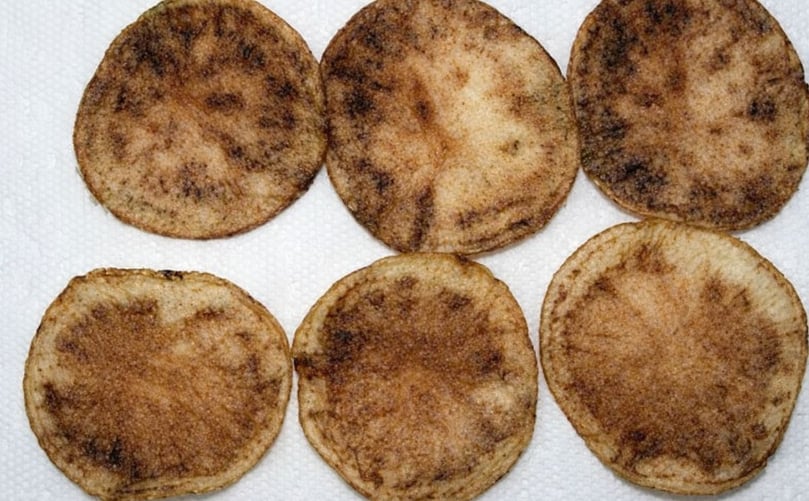
Zebra Chip Disease: From Potato Psyllid Transmission to Characteristic Dark Frying Defects
Causal Organism of Zebra Chip Disease
The organism responsible for Zebra Chip disease is the bacterium 'Candidatus Liberibacter solanacearum' (CLso or Lso). It belongs to the genus Liberibacter, a group of bacteria that live inside the water and nutrient conducting tissues (phloem) of plants. Unlike many other plant pathogenic bacteria, CLso has never been successfully grown on artificial culture media, so it is given the provisional scientific designation "Candidatus." This has made the bacterium difficult to study and means that researchers rely mainly on molecular techniques, such as PCR and genome sequencing, for its detection and characterization.
Taxonomy: The current scientific classification of CLso is:
- Domain: Bacteria
- Phylum: Pseudomonadota (formerly Proteobacteria)
- Class: Alphaproteobacteria
- Order: Hyphomicrobiales (formerly Rhizobiales)
- Family: Liberibacteraceae
- Genus: Liberibacter
- Species: 'Candidatus Liberibacter solanacearum'
Earlier studies placed the bacterium in the families Rhizobiaceae or Phyllobacteriaceae, but advances in bacterial taxonomy based on whole-genome analysis now classify it under Liberibacteraceae.
Biological Characteristics: CLso is a Gram-negative bacterium that survives only inside living plant and insect hosts. Within plants, it is restricted to the phloem sieve elements, where it depends on the host for nutrients because its genome lacks several genes needed for independent survival. This close dependence explains why the bacterium has not been cultured successfully outside its natural hosts.
The CLso genome is relatively small, measuring about 1.3 million base pairs with a GC content of approximately 35%. Despite its compact genome, the bacterium carries genes that enable it to survive in plants and psyllid insects, adapt to different hosts and overcome plant defence mechanisms. Whole genome sequencing has also revealed regions associated with bacteriophages and mobile genetic elements, highlighting the bacterium's ability to evolve over time.
Haplotypes: One of the most interesting features of CLso is its genetic diversity. Instead of existing as a single uniform population, it is divided into several genetically distinct groups known as haplotypes. These haplotypes are identified by small differences in DNA sequences, particularly in the 16S rRNA gene, 16S–23S intergenic spacer region and ribosomal protein genes. To date, researchers have identified more than ten haplotypes, designated from A to U with additional variants continuing to be discovered.
Among them, haplotypes A and B are the most important because they are responsible for the majority of Zebra Chip outbreaks in potato. Both infect solanaceous crops, but several studies have shown that haplotype B often produces higher bacterial populations and more severe disease symptoms than haplotype A.
Haplotype F has also been detected in potato and other solanaceous plants, although it has been reported much less frequently than haplotypes A and B.
In Europe, haplotypes C, D and E are mainly associated with carrot, celery, parsley and other Apiaceae crops. These haplotypes differ from the potato associated lineages and are usually transmitted by different psyllid species. Although haplotype E has occasionally been detected in potato plants, there is currently little evidence that it causes the typical Zebra Chip disease seen with haplotypes A and B.
Several additional haplotypes, including G, H, U and more recently identified variants have been found in wild plants and weeds. Many of these are still being studied and scientists are working to better understand their host range, distribution and potential impact on agriculture.
Genetic Diversity and Importance: The genetic diversity of CLso is one of the reasons the bacterium has adapted to different crops, insect vectors and environments. Individual haplotypes vary in their host preference, geographic distribution and ability to cause disease. Comparative genome studies have also identified differences in prophage regions, membrane proteins and other variable genes, suggesting that the bacterium continues to evolve. Understanding these genetic differences is essential for improving diagnostics, tracking the spread of the pathogen, developing resistant potato varieties and strengthening quarantine and disease management programs.
Insect Vector of Zebra Chip Disease
The primary vector of the potato associated haplotypes of 'Candidatus Liberibacter solanacearum' (CLso) is the potato psyllid, Bactericera cockerelli (Šulc) (Order: Hemiptera; Family: Triozidae; formerly Paratrioza cockerelli).
Biology and life cycle: Adults are small (2–3 mm long), cicada-like insects with transparent wings held roof-like over the body at rest. Eggs are yellow to orange, oval and attached to leaf margins or the underside of young leaves by a short stalk. The insect passes through five nymphal instars before reaching adulthood. Nymphs are flattened, scale-like and produce characteristic white waxy secretions known as "psyllid sugar." Under favourable conditions (24–27°C), the life cycle is completed in approximately 3–5 weeks although development varies with temperature and host plant. Females typically lay 300–1,000 eggs during their lifetime. Multiple overlapping generations occur in warm regions. Adults readily jump and fly and can be dispersed over longer distances by wind.
Distribution: Bactericera cockerelli is native to North and Central America and is established in New Zealand. It is not established in most of Europe, where it is regarded as a high-priority quarantine pest. The psyllid survives on alternative hosts, including bittersweet nightshade (Solanum dulcamara), matrimony vine (Lycium barbarum) and other solanaceous plants or migrates from southern overwintering areas into potato growing regions.
Feeding, acquisition and transmission: Both nymphs and adults feed on phloem sap using piercing sucking mouthparts and can acquire CLso while feeding on infected plants. The bacterium is transmitted in a persistent, circulative and propagative manner, meaning it circulates within and multiplies inside the insect. Adults are generally more efficient vectors than nymphs because of their greater mobility and longer lifespan. Following a latent period, a single infective adult can transmit the bacterium to healthy plants. Transovarial (vertical) transmission from infected females to their offspring has been demonstrated. Transmission efficiency is influenced by the CLso haplotype, bacterial titre, temperature, host plant and feeding period.
Other vectors: Other psyllid species transmit non-potato associated CLso haplotypes. For example, Trioza apicalis transmits CLso in carrot in northern Europe, while Bactericera trigonica is the principal vector in carrot, celery and parsley in the Mediterranean region.
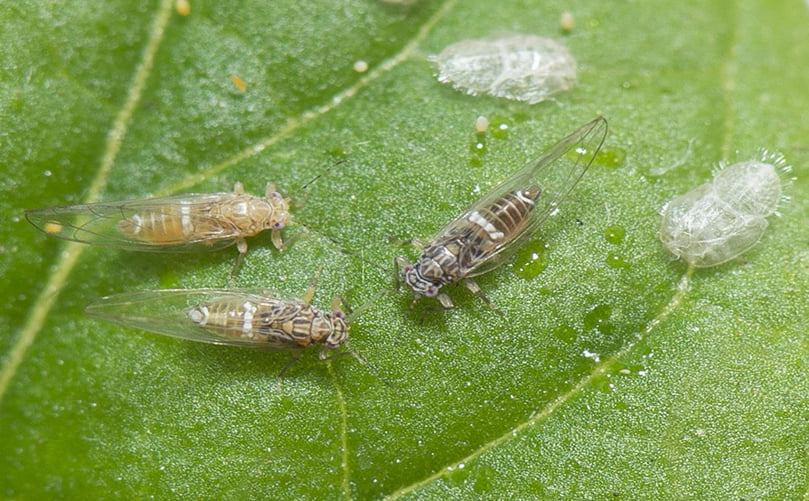
Potato Psyllid (Bactericera cockerelli): The Insect Vector of Zebra Chip Disease
Host Range of Candidatus Liberibacter solanacearum
Primary cultivated hosts (potato associated CLso haplotypes): Potato (Solanum tuberosum), tomato (Solanum lycopersicum), pepper (Capsicum spp.), eggplant (Solanum melongena), tobacco (Nicotiana tabacum), tomatillo (Physalis philadelphica) and tamarillo (Solanum betaceum). Haplotypes A and B are the principal potato associated haplotypes, while haplotype F has also been reported from solanaceous hosts but is less widespread.
Other cultivated hosts: Cape gooseberry (Physalis peruviana), goji berry (Lycium barbarum) and several other cultivated and wild solanaceous plants have been reported as hosts of 'Candidatus Liberibacter solanacearum'.
Weed and reservoir hosts: Black nightshade (Solanum nigrum), silverleaf nightshade (Solanum elaeagnifolium), bittersweet nightshade (Solanum dulcamara), jimsonweed (Datura stramonium), matrimony vine (Lycium barbarum) and other solanaceous weeds serve as important reservoir hosts. These plants can harbour both the bacterium and potato psyllid populations, contributing to disease persistence between cropping seasons.
Apiaceae hosts: CLso haplotypes C, D and E primarily infect carrot (Daucus carota), celery (Apium graveolens), parsley (Petroselinum crispum), parsnip (Pastinaca sativa) and related apiaceous weeds. These haplotypes are generally associated with different psyllid vectors and are not responsible for typical Zebra Chip disease in potato.
Experimental transmission: CLso has been transmitted experimentally through dodder (Cuscuta spp.), providing a useful tool for research. However, dodder is not considered a natural host or an important pathway for disease spread under field conditions.
Geographic Distribution of Zebra Chip Disease
North America: Zebra Chip disease is widespread in Mexico and the United States, particularly in major potato producing states including Texas, California, Washington, Oregon, Idaho, Colorado, Kansas, Nebraska, Arizona and New Mexico. In Canada, the disease has not become established. A single detection of 'Candidatus Liberibacter solanacearum' in a potato tuber was reported in Alberta in 2017, but no established outbreaks have been confirmed.
Central America: Zebra Chip disease has been reported in Guatemala, Honduras, Nicaragua and El Salvador, where both the pathogen and potato psyllid occur. These countries experience regular disease outbreaks in potato growing regions.
South America: Confirmed reports are limited with Ecuador being the principal country where potato associated CLso has been detected. Evidence from other South American countries remains limited and Zebra Chip disease is not considered widely established.
Oceania: Zebra Chip disease has been established in New Zealand since the potato psyllid was first detected in 2006, becoming a major constraint to potato and tomato production. Australia has not reported established potato associated CLso haplotypes or Zebra Chip disease. Although non-potato associated CLso haplotypes have been detected in imported plant material, the potato psyllid remains a high-priority biosecurity concern.
Europe: 'Candidatus Liberibacter solanacearum' is present in several European countries, but it is mainly represented by haplotypes C, D and E, which infect Apiaceae crops such as carrot, celery, parsley and parsnip. The potato psyllid (Bactericera cockerelli) is not established in Europe, making the introduction of potato associated CLso haplotypes together with the vector a significant phytosanitary risk.
Asia and Africa: Reports of CLso are sporadic and largely restricted to detections in Apiaceae crops, imported planting material or research surveys. There is currently no evidence that Zebra Chip disease is widely established in commercial potato production in either continent.
Occurrence of Zebra Chip Disease: Classic Zebra Chip disease develops only where potato associated CLso haplotypes and the potato psyllid (Bactericera cockerelli) occur together. The presence of either the pathogen or the vector alone represents a significant quarantine and biosecurity risk, emphasizing the importance of surveillance and phytosanitary measures
Disease Cycle of Zebra Chip Disease
The disease cycle of zebra chip disease starts when a potato psyllid that is infected with Candidatus Liberibacter solanacearum feeds on the sap of a healthy potato plant. While feeding, which can take between 10 to 60 minutes, the psyllid puts the bacterium into the plant's sieve tubes. Once inside the plant, CLso grows and spreads throughout the system by moving through the phloem along with the nutrients made from sunlight, eventually settling in leaves, stems, stolons, and young tubers. As the bacterium moves through the plant, it interferes with the normal flow of nutrients in the phloem, which causes the distinctive symptoms of zebra chip disease.
As CLso grows in infected plants, healthy potato psyllids get the bacterium while they feed. Both nymphs and adults can get the pathogen, but nymphs usually pick it up more easily.However, adults are better at spreading it because they can move around more and have more bacteria in their bodies. After it is acquired, CLso grows inside the psyllid and spreads in a way that moves through the body. After a period when no symptoms are visible, the insect stays able to spread the disease for its whole life. The bacterium can also be passed from an infected mother to her eggs, which allows the disease to stay in the psyllid population through the next generation.
The disease moves inside and between potato fields mostly because infected adult psyllids travel by flying or being carried by the wind. Infected seed tubers can have the CLso virus, but they don't play a big role in spreading the disease because passing the virus through seed tubers isn't very effective or reliable. The disease keeps spreading wherever there are plants that can get infected, lots of active potato psyllid insects, and good weather conditions, so it's important to check regularly and take action on time to help stop the spread of zebra chip disease.
Symptoms of Zebra Chip Disease
Above ground symptoms of zebra chip disease typically appear 3–4 weeks after infection and include leaf chlorosis, upward curling or cupping of leaflets, purple or pink discoloration of new growth, shortened and swollen internodes that create a zigzag stem appearance, proliferation of axillary buds and the formation of aerial tubers. As the disease progresses, plants become stunted, lose vigor, develop leaf scorching, wilting and may undergo premature senescence or die, particularly when infection occurs early in the growing season.
Below ground symptoms are more distinctive and are responsible for significant economic losses. Infected tubers may be smaller or misshapen, with collapsed stolons, enlarged lenticels and a pinkish or sunken "belly button" at the stolon attachment site. Internal symptoms include browning of the vascular ring, necrotic flecking throughout the tuber flesh and dark streaking of the medullary rays that may extend the full length of the tuber.
The most characteristic symptoms appear during processing. When infected tubers are sliced and fried, dark brown or black stripes, blotches and zebra-like banding become highly visible as accumulated reducing sugars undergo the Maillard reaction. These defects produce a bitter taste and an unacceptable dark color, causing processors to reject affected tubers. Raw tubers may show only mild internal discoloration, but the characteristic striping becomes much more pronounced after frying making fry tests a practical method for confirming zebra chip symptoms.
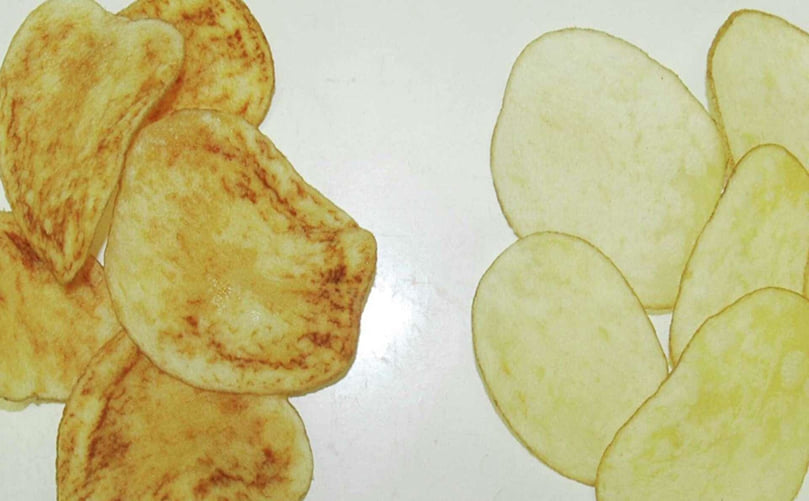
Zebra Chip Disease in Potato Tubers Before and After Frying Comparison
Disease Development and Factors Influencing Severity
Zebra chip disease gets worse and happens more often depending on when the plant gets infected compared to how old the potato plant is. If a plant gets infected with Candidatus Liberibacter solanacearum (CLso) early on, especially before or during the formation of tubers, it usually suffers more significant yield loss, serious stunting of the plant, and more obvious symptoms in the leaves and tubers. This happens because the bacterium has more time to move through the phloem and disrupt the movement of carbohydrates during important stages when the tuber is developing. In contrast, plants that get infected later in the season may not show strong signs above ground, but their tubers can still have higher levels of reducing sugars, which lead to the dark striping that shows up after frying.
Temperature is also a key factor that affects how diseases develop. Potato psyllids are more active, reproduce better, and spread CLso more easily when temperatures are moderate, usually between 20 and 30 degrees Celsius.However, the best conditions can change based on the number of psyllids and other environmental factors. A larger number of infective potato psyllids greatly raises the chance of the disease growing and spreading.
Potato cultivar also influences disease severity. Studies have found that different types of plants can be more or less likely to be affected by a problem. Some plant varieties show milder symptoms or have fewer bacteria, but plants that are very sensitive to the disease develop symptoms quickly, lose more of their harvest, and have worse damaged potatoes. However, no potato type that is grown for sale has been proven to be fully protected from zebra chip disease.
Environmental problems like not enough water, missing nutrients, and harm from other insects or illnesses can make plant symptoms worse by making the plants weaker overall. Variations between different CLso haplotypes can influence how a disease shows up. Research from North America shows that haplotype B tends to be more harmful than haplotype A.It usually leads to symptoms appearing sooner, higher levels of bacteria, and more crop loss under the same conditions. Knowing how these factors work together helps farmers spot times when problems are more likely to happen.This lets them check things regularly and take steps to control harmful insects, which helps them save money.
Pathogen Biology of Candidatus Liberibacter solanacearum
Candidatus Liberibacter solanacearum (CLso) is a Gram-negative, phloem limited alpha proteobacterium that cannot be cultured on artificial media. It survives and multiplies exclusively within the sieve elements of the host plant's phloem. After transmission by the potato psyllid, the bacterium colonizes the vascular system and spreads throughout the plant via the phloem, moving both upward and downward with the transport of photo assimilates until it reaches developing tubers.
Once established, CLso populations increase to different levels depending on the potato genotype, environmental conditions and bacterial haplotype. Infection causes major physiological and metabolic changes, including reduced photosynthetic efficiency, abnormal starch accumulation in stems and petioles, which may lead to aerial tuber formation and severe disruption of carbohydrate transport to developing tubers. Transcriptomic studies have shown that infection suppresses the expression of several starch biosynthesis genes while increasing the expression of the vacuolar invertase gene, resulting in reduced starch accumulation and increased sugar metabolism in infected tubers.
These molecular changes increase the concentrations of reducing sugars (glucose and fructose), free amino acids, phenolic compounds and defense related proteins in tuber tissue. The accumulation of reducing sugars is responsible for the characteristic dark stripes that develop when infected potatoes are fried. CLso does not produce toxins in the classical sense. Instead, zebra chip symptoms result primarily from the plant's defense response and the disruption of normal phloem transport and carbohydrate distribution caused by bacterial colonization of the phloem.
How Zebra Striping Develops in Potato Tubers
The distinctive zebra-like striping in infected potato tubers develops because Candidatus Liberibacter solanacearum (CLso) disrupts the normal transport of carbohydrates through the phloem. As the bacterium colonizes the phloem, the movement of sucrose from leaves to developing tubers becomes restricted. This interferes with normal starch formation, causing sucrose to be broken down by increased vacuolar invertase activity into the reducing sugars glucose and fructose. At the same time, the expression of starch biosynthesis genes declines, resulting in lower starch accumulation and higher concentrations of reducing sugars within infected tubers. These changes are most pronounced in the vascular tissues and medullary rays, where the bacterium is concentrated.
In addition to altered sugar metabolism, infection triggers a range of physiological and biochemical responses in the tuber. Concentrations of free amino acids, phenolic compounds and defense related proteins increase as the plant responds to bacterial infection. Cell wall integrity and normal phloem function are also affected, further disrupting nutrient transport and contributing to uneven distribution of sugars within the tuber. Together, these changes create localized areas that are highly susceptible to browning during processing.
When infected tubers are fried, the accumulated reducing sugars react with free amino acids through the Maillard reaction, producing dark brown melanoidins and other pigmented compounds. This non-enzymatic reaction is the primary cause of the characteristic dark stripes associated with zebra chip disease. Increased phenolic compounds and polyphenol oxidase activity may contribute to tissue browning, but their role is considered secondary to the Maillard reaction. The severity of striping generally increases with higher concentrations of reducing sugars making processing quality directly dependent on the extent of metabolic disruption caused by CLso.
Because these biochemical changes are concentrated along the vascular tissues and medullary rays, the discoloration follows their natural pattern, appearing as regular or irregular dark stripes instead of uniform browning. In many cases, infected tubers show few or no obvious external symptoms, and the internal discoloration may be difficult to detect when raw. However, frying greatly intensifies the contrast, revealing the characteristic zebra-like pattern that makes the tubers unsuitable for producing potato chips, French fries and other processed potato products.
This frying induced discoloration is the defining feature of zebra chip disease and the main reason it causes substantial economic losses for the potato processing industry, where even a small number of affected tubers can reduce the quality and marketability of an entire production batch.
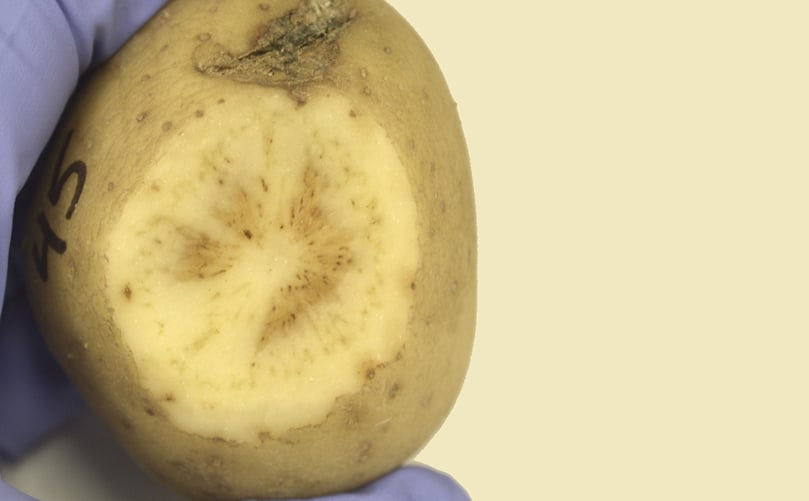
Zebra Chip Disease: Development of Dark Stripes in Potato Tubers
How to Diagnose and Detect Zebra Chip Disease in Potato
Accurate diagnosis of zebra chip disease requires a combination of field observations and laboratory confirmation. In the field, plants are examined for characteristic symptoms such as leaf chlorosis, upward curling, purpling of young foliage, shortened internodes, aerial tuber formation, swollen nodes and plant stunting. Infected tubers may show vascular browning and discoloration of the medullary rays although internal symptoms are often absent or difficult to detect in the early stages of infection. The characteristic dark zebra-like stripes usually become clearly visible only after potato slices are fried making the frying test a useful indicator of processing quality rather than a definitive diagnostic method.
Laboratory confirmation relies primarily on molecular diagnostic techniques because Candidatus Liberibacter solanacearum (CLso) cannot be cultured on artificial media. Conventional polymerase chain reaction (PCR) can detect the pathogen, while real time quantitative PCR (qPCR) is considered the most sensitive and widely used method for routine diagnosis. Most assays target the bacterial 16S rRNA gene although other conserved genomic regions are also used to improve detection accuracy and support haplotype identification. DNA sequencing is performed when confirmation or characterization of CLso haplotypes is required.
Loop mediated isothermal amplification (LAMP) has emerged as a rapid and reliable alternative for field diagnostics and regional laboratories. Unlike PCR, LAMP amplifies DNA at a constant temperature and does not require a thermal cycler, allowing faster detection with minimal laboratory equipment while maintaining high sensitivity and specificity.
Successful diagnosis also depends on collecting appropriate plant material. Petioles, leaf midribs, stem tissues and the stem end portion of infected tubers are preferred because they generally contain higher bacterial populations than leaf blades. Potato psyllids can also be tested after preservation in ethanol to monitor pathogen prevalence in vector populations and support disease surveillance programs.
Serological methods such as enzyme linked immunosorbent assay (ELISA) are not routinely recommended for CLso detection because the bacterium occurs at low concentrations within the phloem, cannot be cultured to produce sufficient antigen and reliable commercial antibodies are not widely available. Consequently, the most accurate diagnosis is achieved by combining symptom assessment, frying tests for tuber quality evaluation and molecular detection methods, particularly qPCR for confirmation of the pathogen.
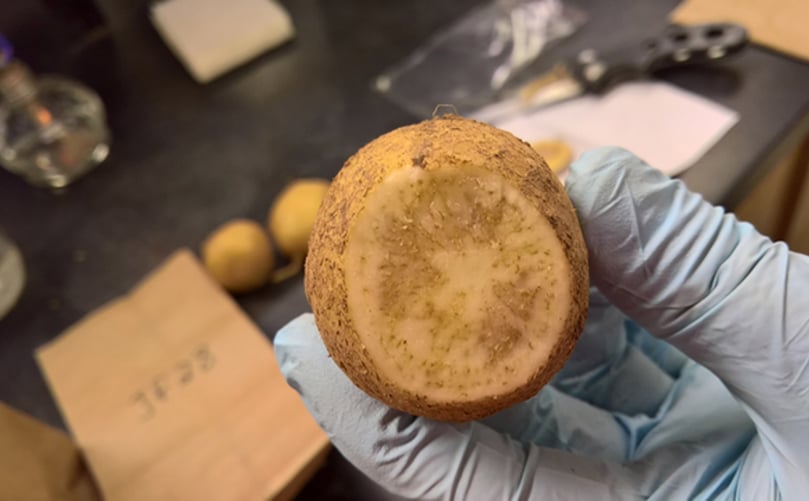
Zebra Chip Disease Detection Methods in Potato Crops
Zebra Chip Disease Symptoms vs Similar Potato Diseases: A Differential Diagnosis Guide
Several potato diseases and physiological disorders can produce symptoms similar to zebra chip disease, so accurate diagnosis is important. One of the closest look-alike diseases is potato purple top, which is caused by phytoplasmas. Both diseases can cause leaf purpling, upward leaf curling, shortened internodes, aerial tubers and plant stunting. Because these symptoms are so similar, they cannot be distinguished by visual inspection alone. Laboratory testing using PCR or qPCR is needed to determine whether the plant is infected with phytoplasmas or Candidatus Liberibacter solanacearum (CLso). In addition, tubers affected by potato purple top usually do not develop the characteristic medullary ray discoloration and dark zebra-like stripes that become clearly visible after frying.
Psyllid yellows is another condition that is often confused with zebra chip disease. It develops after feeding by potato psyllids that are not carrying CLso and causes leaf yellowing, chlorosis, curling and reduced plant growth. Unlike zebra chip disease, psyllid yellows are not caused by bacterial infection and affected tubers do not develop the distinctive zebra-like striping after frying. Symptoms also stop developing once psyllid feeding is effectively controlled.
Other conditions that may resemble zebra chip disease include Verticillium wilt (early dying complex), brown rot caused by Ralstonia solanacearum, blackleg, nutrient deficiencies (especially phosphorus and magnesium) and several potato viral diseases. These problems may cause chlorosis, wilting, vascular discoloration or poor plant growth, but each has its own characteristic symptoms. Brown rot is mainly associated with bacterial wilt and brown vascular tissue, while blackleg causes blackened stem bases and soft rot of seed tubers. Nutrient deficiencies and viral diseases can reduce plant vigor and discolor leaves, but they do not produce the distinctive zebra-like stripes that appear after frying infected tubers.
The most reliable diagnosis is achieved by combining field observations with laboratory testing. Frying tuber slices is useful for identifying the characteristic processing defect of zebra chip disease, but it cannot confirm CLso infection. Confirmation requires molecular tests such as PCR, real-time quantitative PCR (qPCR) or LAMP. Detecting Candidatus Liberibacter solanacearum provides definitive confirmation of zebra chip disease and helps distinguish it from other potato diseases and physiological disorders, allowing appropriate management and regulatory decisions.
Economic Impact of Zebra Chip Disease on Potato Production
Zebra chip disease causes significant direct and indirect economic losses across the global potato industry by reducing yields, lowering tuber quality and increasing production costs. Field studies and industry reports have documented yield losses ranging from 40% to more than 90% in heavily affected fields. In severe outbreaks, growers may abandon entire fields when infection levels make harvesting uneconomical. In Texas alone, early estimates placed annual losses at USD 25–33 million, while the wider regional impact reached hundreds of millions of dollars due to reduced business activity and job losses across potato processing, transportation and agricultural supply sectors.
Quality losses often have an even greater economic impact than reduced yields. Potato processors frequently reject loads containing zebra chip symptoms with rejection occurring when infection levels reach as little as 10–20%. Infected tubers placed in storage may continue to deteriorate or fail to meet contract requirements for fry color, sugar content and specific gravity. As a result, they are often downgraded for lower value uses such as starch production or animal feed. Seed potato certification programs also face economic losses when infected seed lots are rejected, reducing the availability of certified planting material and increasing seed costs.
Disease management adds another major financial burden. Growers must invest in intensive insecticide programs to control the potato psyllid, the insect vector responsible for spreading Candidatus Liberibacter solanacearum. Annual control costs in major potato-producing regions often reach several hundred US dollars per hectare with total seasonal expenditures across the Pacific Northwest and other affected areas estimated in the tens of millions of dollars. In addition, export restrictions and phytosanitary regulations can further increase economic losses by limiting market access for fresh and seed potatoes from regions where Candidatus Liberibacter solanacearum or its vector is present.
Impact of Zebra Chip Disease on the Potato Processing Industry
The potato processing industry particularly manufacturers of potato chips (crisps) and French fries experiences some of the greatest economic losses from zebra chip disease. Infected tubers accumulate high levels of reducing sugars, mainly glucose and fructose, along with free amino acids. During high temperature frying, these compounds undergo the Maillard reaction, producing the characteristic dark brown or black stripes, blotches and banding that make the finished products visually unacceptable and often bitter in taste. As a result, processors routinely reject entire truckloads when the proportion of infected tubers exceeds low contractual thresholds.
Zebra chip disease also reduces several quality traits that are essential for potato processing. Dry matter content decreases, specific gravity declines and oil absorption during frying increases, while fry color no longer meets industry standards. Dehydrated potato products, frozen French fries and potato starch are also affected because changes in carbohydrate composition reduce processing efficiency, product recovery and final product quality. Even tubers that appear healthy externally may develop zebra chip symptoms after frying, requiring processors to invest in more intensive inspection and sorting procedures.
Poor product quality also affects consumer confidence. Dark striped potato chips and French fries are more likely to be rejected by consumers, which can damage brand reputation and lead processors to adopt stricter quality standards for incoming potatoes. The overall result is higher raw material costs, greater processing waste and increased pressure on growers to supply potatoes with little to no zebra chip infection. These combined challenges reduce profitability across the entire potato processing supply chain in regions affected by zebra chip disease.
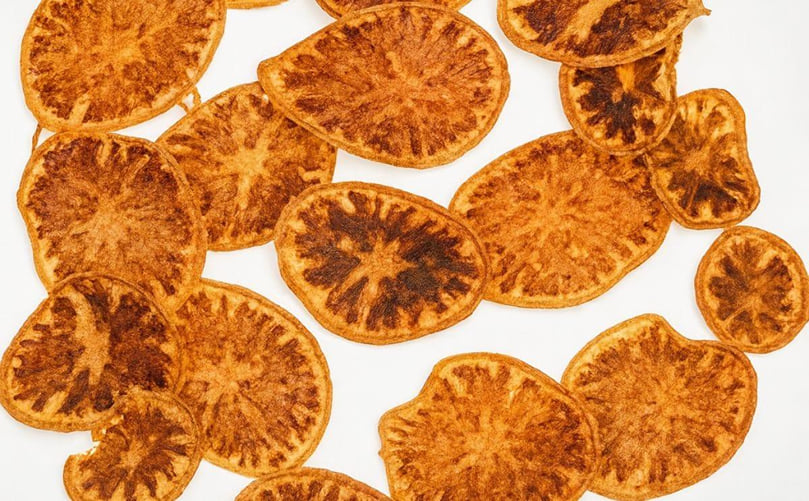
Impact of Zebra Chip Disease on Potato Processing Quality and Industry Losses
Integrated Management of Zebra Chip Disease
Effective management of zebra chip disease requires an integrated approach because no single method can prevent infection by Candidatus Liberibacter solanacearum or completely eliminate its insect vector, the potato psyllid (Bactericera cockerelli). Since there is no curative treatment once a plant becomes infected, management focuses on preventing pathogen introduction, reducing psyllid populations and limiting disease spread through a combination of cultural, chemical, biological and host resistance strategies.
Disease Monitoring and Surveillance: Early detection is the foundation of successful zebra chip management. Potato psyllid populations are routinely monitored using yellow sticky traps, sweep net sampling and regular field scouting to detect adult insects, eggs and nymphs before economic damage occurs. Degree day models, historical flight records and regional forecasting systems further improve the timing of management decisions by identifying periods of increased psyllid activity. Continuous monitoring allows growers to implement timely control measures before infective psyllids establish in potato fields.
Cultural Management: Reducing pathogen and vector sources is an essential component of disease management. Planting certified seed free of Candidatus Liberibacter solanacearum, eliminating volunteer potatoes and solanaceous weeds and practicing crop rotation help reduce pathogen reservoirs and overwintering habitats for potato psyllids. Maintaining good field hygiene through the sanitation of machinery, storage facilities and handling equipment also limits the movement of contaminated plant material between production areas.
Crop management practices can further reduce disease pressure. Adjusting planting dates to avoid peak psyllid migration, maintaining balanced crop nutrition, providing adequate irrigation and minimizing plant stress improve crop health and may reduce disease severity. Where practical, removing symptomatic plants and scheduling harvest based on field monitoring can also reduce the number of infected tubers entering storage.
Chemical Control of Potato Psyllid: Chemical control remains the primary short-term method for suppressing potato psyllid populations and reducing transmission of Candidatus Liberibacter solanacearum. Insecticides from several chemical groups, including neonicotinoids, pyrethroids, spinosyns and newer selective insecticides, are applied according to local registration guidelines. Applications are generally most effective when directed against the first immigrating adult psyllids because pathogen transmission can occur soon after feeding begins.
Successful chemical control depends on proper application timing and thorough spray coverage, particularly on the undersides of leaves where psyllid eggs and nymphs are concentrated. Because resistance to several insecticide groups has been reported in some potato psyllid populations, rotating insecticides with different modes of action and following resistance management guidelines are essential for maintaining long-term effectiveness.
Biological Control: Biological control provides an environmentally sustainable complement to chemical management by suppressing potato psyllid populations through natural enemies. Generalist predators such as lady beetles (Coccinellidae), green lacewings (Chrysopidae) and predatory bugs including Orius spp. and Geocoris spp. feed on psyllid eggs and nymphs. In some production regions, parasitoids also contribute to psyllid suppression although their overall impact remains limited.
Entomopathogenic fungi, particularly species of Beauveria and Isaria, have demonstrated pathogenicity against potato psyllids under laboratory and greenhouse conditions and continue to be evaluated for field use. Conservation biological control, achieved through selective insecticide use and practices that preserve beneficial organisms, enhances the effectiveness of these natural enemies. However, biological control generally acts more slowly than insecticides and is strongly influenced by environmental conditions making it most effective when integrated with other management strategies.
Long-Term Integrated Management: Sustainable management of zebra chip disease depends on combining preventive measures with effective vector control. Area wide coordination among neighboring growers helps reduce the movement of infective psyllids between fields, improving regional disease management. Continued development and adoption of potato cultivars with improved tolerance or resistance also offer promising long-term solutions.
An integrated program that combines disease monitoring, certified seed, cultural practices, sanitation, responsible insecticide use, biological control and resistant cultivars provides the most effective and sustainable strategy for reducing zebra chip incidence, delaying insecticide resistance and minimizing economic losses in potato production.
Breeding Potato Varieties for Resistance to Zebra Chip Disease
Developing potato cultivars with resistance or tolerance to zebra chip disease and its vector, the potato psyllid (Bactericera cockerelli), is considered one of the most sustainable long-term strategies for disease management. Although most commercial potato cultivars remain susceptible, several wild Solanum species, particularly Solanum microdontum, along with a limited number of cultivated genotypes, have shown reduced symptom severity, lower Candidatus Liberibacter solanacearum titers, or resistance to potato psyllid feeding through antixenosis and antibiosis mechanisms. These valuable genetic resources are being incorporated into potato breeding programs using conventional breeding and marker-assisted selection.
Recent advances in molecular breeding have accelerated the search for zebra chip resistance. Genomic selection and quantitative trait locus (QTL) mapping are helping identify genomic regions associated with reduced bacterial colonization, improved tolerance and lower tuber discoloration. Gene editing technologies have also demonstrated promising results under experimental conditions. For example, CRISPR/Cas9-mediated disruption of the potato NPR3 gene enhanced salicylic acid mediated defense responses leading to reduced bacterial titers, milder foliar symptoms and less severe zebra chip symptoms in edited potato lines.
Although fully resistant commercial cultivars are not yet available, partially tolerant varieties can reduce yield and quality losses when combined with effective potato psyllid management. Continued investment in germplasm evaluation, molecular breeding, genomic tools and gene editing technologies is expected to accelerate the development of improved potato cultivars and strengthen the long-term management of zebra chip disease.
Recent Research Advances in Zebra Chip Disease
Recent advances in genomics have significantly improved our understanding of Candidatus Liberibacter solanacearum and its interactions with potato plants and the potato psyllid (Bactericera cockerelli). Complete and draft genome sequences of multiple bacterial haplotypes, including A and B, have revealed extensive genome plasticity characterized by chromosomal rearrangements, prophage regions and variation in virulence-associated genes. Comparative genomic analyses have also provided insights into the greater virulence of haplotype B, supporting the development of improved diagnostic tools and targeted disease management strategies. In parallel, studies of the potato psyllid microbiome have identified microbial communities that influence bacterial acquisition, multiplication and transmission, creating opportunities to develop microbiome-based approaches for reducing disease spread.
Molecular research is expanding new possibilities for zebra chip management. RNA interference (RNAi), which targets essential genes in either the potato psyllid or the pathogen has demonstrated promising results under laboratory conditions by reducing vector survival and bacterial titers. Research on transgenic potatoes expressing spinach derived antimicrobial peptides (defensins) has also shown reduced bacterial colonization and milder zebra chip symptoms, highlighting the potential of novel antimicrobial proteins as future disease management tools.
Advances in early disease detection and precision agriculture are further strengthening zebra chip surveillance. Improved loop mediated isothermal amplification (LAMP) and quantitative PCR (qPCR) assays provide faster, more sensitive and more reliable detection of Candidatus Liberibacter solanacearum in both potato plants and psyllids. Emerging technologies such as hyperspectral imaging, remote sensing and artificial intelligence (AI)-based image analysis are being developed to detect infected plants and identify high risk field areas before visible symptoms appear. At the same time, next generation disease forecasting models that integrate weather conditions, potato psyllid flight activity and historical disease records are improving outbreak prediction and supporting more timely management decisions.
Collectively, these advances in genomics, molecular biology, biotechnology, diagnostics and precision agriculture are transforming zebra chip research. By improving pathogen detection, expanding knowledge of pathogen biology, disrupting pathogen transmission and enabling data driven decision making, these innovations are laying the foundation for more precise, sustainable and resilient approaches to managing zebra chip disease.
Quarantine and Phytosanitary Measures for Zebra Chip Disease
Quarantine and phytosanitary measures are among the most effective strategies for preventing the spread of zebra chip disease to new potato-growing regions. Because Candidatus Liberibacter solanacearum can be carried in infected planting material and the potato psyllid (Bactericera cockerelli) can be transported on host plants, many countries have strict regulations governing the movement of seed potatoes, tomato and pepper transplants and other solanaceous planting materials. Imported consignments are typically required to be accompanied by official phytosanitary certificates and tested using molecular techniques such as polymerase chain reaction (PCR) or loop mediated isothermal amplification (LAMP) to confirm the absence of the pathogen. In areas where zebra chip disease is established, additional import restrictions or temporary trade measures may also be introduced to reduce the risk of introducing the disease into unaffected regions.
Continuous surveillance is another key component of phytosanitary protection. Many countries routinely monitor potato fields and other host crops using sticky traps, field inspections and molecular diagnostic tests to detect both the potato psyllid and Candidatus Liberibacter solanacearum at an early stage. Within the European Union, Bactericera cockerelli is classified as both a Union quarantine pest and a priority pest, while specific haplotypes of Candidatus Liberibacter solanacearum associated with seed potatoes are regulated under separate phytosanitary legislation. Similar quarantine measures are implemented in several potato producing countries, including Australia, New Zealand and China, following international standards established by the International Plant Protection Convention (IPPC).
Seed potato certification programs also play an important role in reducing disease spread. Certified seed production involves regular field inspections, laboratory testing and strict compliance with national phytosanitary standards to ensure healthy planting material. If the pathogen or its insect vector is detected, regulatory authorities may implement post-entry quarantine, destroy infected or intercepted plant material, trace the source of the outbreak and restrict the movement of potentially contaminated consignments to prevent further spread.
Together, quarantine regulations, continuous surveillance, seed certification and rapid response measures provide a strong defense against the introduction and spread of zebra chip disease. These coordinated efforts are essential for protecting potato production, supporting safe international trade and reducing the risk of future outbreaks.