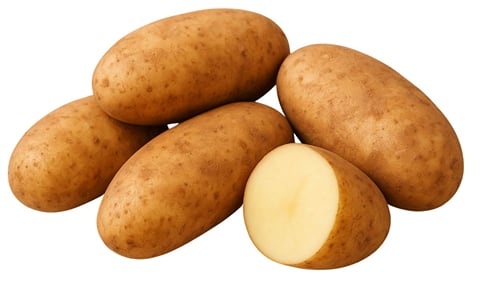
Potato: The Crop That Transformed Global Food Systems
Potatoes are a cornerstone of global agriculture and nutrition, serving as one of the world’s most important food crops and playing a pivotal role in ensuring food security for billions of people. As a staple food, they rank fourth in global production after rice, wheat and maize, providing essential calories and nutrients to diverse populations across continents. Their significance lies in their high yield potential potatoes produce more food energy per hectare than cereals such as maize, rice or wheat and in their ability to thrive across a wide range of climatic conditions from temperate to subtropical regions. This adaptability enables cultivation on both smallholder farms in developing countries and large-scale operations in industrialized nations.
Potato (Solanum tuberosum L.) is one of the most important culinary vegetables and belongs to the family Solanaceae, which comprises nearly 2,700 species. Among the genus Solanum, two cultivated tuber bearing groups have been widely utilized: Solanum tuberosum and the Andean types formerly classified as Solanum andigenum. Of these, Solanum tuberosum is the dominant species cultivated worldwide due to its broad adaptability, higher productivity and suitability for diverse agroecological conditions.
The potato originated in the Andes Mountains of South America, particularly in regions corresponding to present day Peru and Bolivia. It was domesticated approximately 7,000–10,000 years ago by Indigenous communities, who developed diverse landraces adapted to varying altitudes and climates. During the Columbian Exchange, Spanish explorers introduced potatoes to Europe in the late 16th century from where the crop gradually spread across continents and became integrated into global agricultural systems.
Because of these characteristics, potatoes have become a key crop in combating hunger, particularly in regions vulnerable to food shortages, where they contribute significantly to dietary energy and micronutrient intake. Globally, potato production supports the livelihoods of millions of farmers and workers throughout the supply chain. Their versatility extends beyond fresh consumption to processed products such as chips and fries, fueling a multi-billion dollar global industry. In developing economies, potatoes help strengthen rural incomes and serve as a buffer against cereal crop failures.
The importance of potatoes in global food security is recognized by organizations such as the Food and Agriculture Organization (FAO), which highlights the crop’s efficient resource use including relatively lower water requirements compared with many staple crops, as well as its potential for high productivity under sustainable farming practices.
By the 19th century, potatoes had become a fundamental component of European diets and contributed significantly to population growth. However, historical events such as the Irish Potato Famine exposed the crop’s vulnerability to diseases, particularly late blight. Today, potatoes are cultivated across more than 18 million hectares worldwide, underscoring their enduring importance in an evolving global food system.
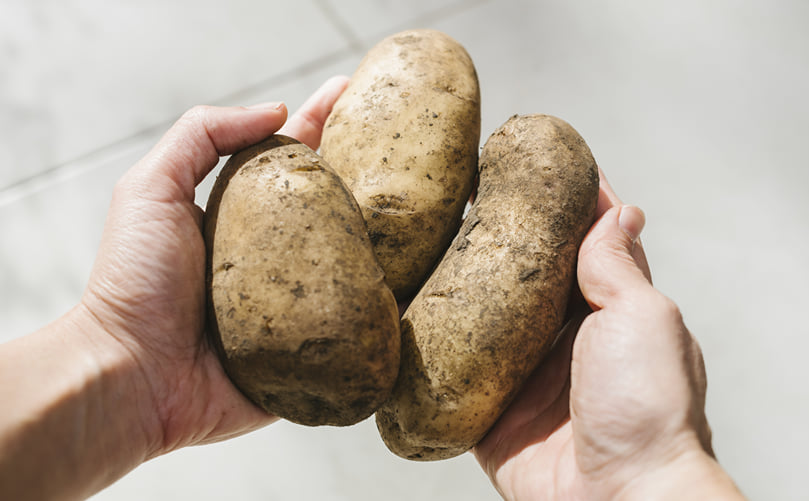
Growing the Next Generation of Potatoes
The Potatos Global Legacy as King of Vegetable
The potato, cultivated in over 100 countries with more than 4,000 edible varieties, with a global harvested area of 16.8 million hectares, producing 383 million metric tons and achieving a productivity of approximately 22.8 metric tons per hectare. It is a globally cherished staple and the world’s 3rd most important food crop after rice and wheat. This nutritious and easily digestible food is rich in carbohydrates, vitamins (like C&B6), proteins, minerals and dietary fiber and contains health promoting phytochemicals such as carotenoids, flavonoids and caffeic acid. These qualities earn it the title "king of vegetables," making it a vital component of diets worldwide, consumed fresh or processed into various products.
About half of the potatoes grown worldwide are consumed fresh. The rest are processed into various food products and ingredients, used as animal and bird feed, converted into industrial starch or kept as seed potatoes. Processed products include fried, pre-fried and frozen items, baked goods, dehydrated products and other items such as alcohol, organic acids, boiled and peeled potatoes, canned potatoes and mashed potatoes.
With technological advancements, potato processing is expanding rapidly and is increasingly driven by market demand. Globally, potato use is shifting from fresh consumption to processing and value addition. So far, frozen French fries and chips/crisps make up the largest share of the processed potato market. Though potato is a temperate crop, it is well adopted to a wide range of climatic conditions. Most varieties perform well when days are sunny and nights are cool. The temperature around 22–24 °C is optimal for tuber growth.
With the rising global demand for potatoes and processed potato products, there is an urgent need to ensure a consistent supply of high-quality raw material. To meet market expectations for processing quality, such as uniform tuber size, high dry matter content and minimal defects, it is essential to cultivate pest and disease resistant varieties. Producing healthy, certified planting material not only reduces crop losses but also improves productivity and profitability for farmers. Equally important is maintaining potatoes under good storage conditions to preserve quality, prevent sprouting or decay and ensure year-round availability for both fresh consumption and the growing processing sector.
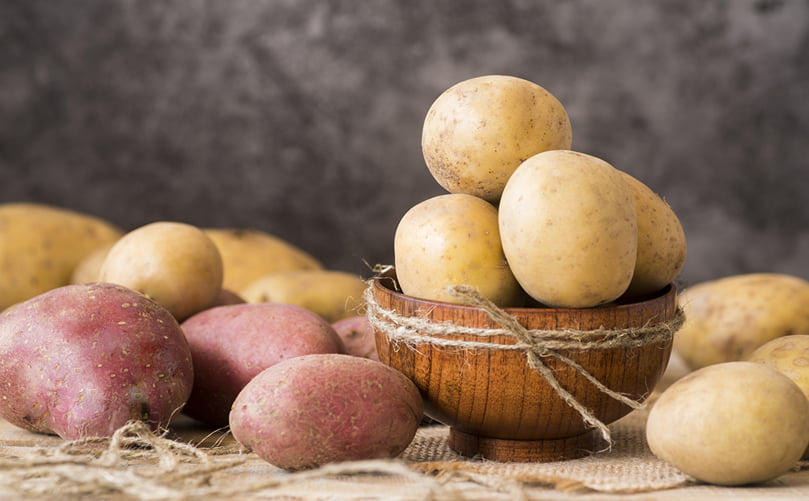
From Field to Food: The Journey of the World’s King of Vegetables
Botanical Description and Growth Characteristics of Potato (Solanum tuberosum)
The potato, scientifically classified as Solanum tuberosum, is a member of the Solanaceae family, commonly known as the nightshade family, which includes economically important crops such as tomato, pepper, eggplant and tobacco. This herbaceous perennial plant is typically cultivated as an annual crop under agricultural conditions. Plants generally reach heights of 0.4–1.4 m, exhibiting growth habits that range from erect to semi-erect, decumbent or fully prostrate.
The stems are angular or cylindrical, measuring approximately 5–19 mm in diameter at the base. They may be nearly glabrous or densely pubescent and display coloration ranging from green to purple or mottled forms. Leaves are compound and pinnate, consisting of a terminal leaflet and three to four pairs of large ovoid lateral leaflets interspersed with smaller intercalary leaflets. Leaf blades typically measure 8–22 cm in length and 5–13 cm in width with petioles 2–6 cm long. Foliage color varies from medium to dark green and may exhibit differing degrees of pubescence.
Flowers develop in terminal inflorescences (cymes) measuring 5–11 cm in length, usually located in the distal portion of the plant canopy. Flower colors range from white and pink to purple or blue, each with a characteristic yellow center. Individual flowers are borne on pedicels approximately 3 cm long and measure about 2.5 cm in diameter. The fruits are succulent but inedible berries, spherical to ovoid in shape, yellow green in color and up to 4 cm in diameter.
The defining feature of the potato plant is the formation of underground tubers, which originate from swollen stolons (modified underground stems rather than roots). Tubers vary from spherical to ovoid in shape with flesh colors ranging from white and yellow to blue or purple, while skin color may be white, yellow, tan, red or blue. Tuber surfaces can be smooth, netted or russeted. The “eyes” represent lateral buds arranged spirally along the tuber surface, enabling vegetative propagation.
Potato growth progresses through five distinct developmental stages. The first stage involves sprout development from seed tubers. This is followed by vegetative growth characterized by rapid leaf and stem expansion. The third stage is tuber initiation, typically induced by shorter photoperiods and cooler temperatures. The fourth stage, tuber bulking, involves rapid enlargement and accumulation of carbohydrates. Finally, maturation occurs with vine senescence and periderm (skin) thickening, preparing tubers for harvest and storage.
Most cultivated potato varieties are tetraploid, possessing 48 chromosomes (2n = 4x = 48), although diploid forms are present among wild relatives and breeding materials. Potatoes are commonly classified according to their end use. Table potatoes are intended for fresh consumption including russet types suitable for baking and waxy types preferred for boiling. Processing varieties contain higher starch content and are used for chips and fries, while seed potatoes are produced under strict phytosanitary conditions for planting purposes.
Globally, more than 5,000 potato varieties exist, differing in texture, color, maturity and adaptation. Texture ranges from floury to waxy depending on starch composition, while pigmentation is influenced by compounds such as anthocyanins and carotenoids. Early maturing cultivars produce “new potatoes,” whereas late varieties emphasize storage and yield potential. Traditional Andean landraces exhibit exceptional genetic diversity, while modern cultivars have been selectively bred for higher yield, uniformity and resistance to pests and diseases.
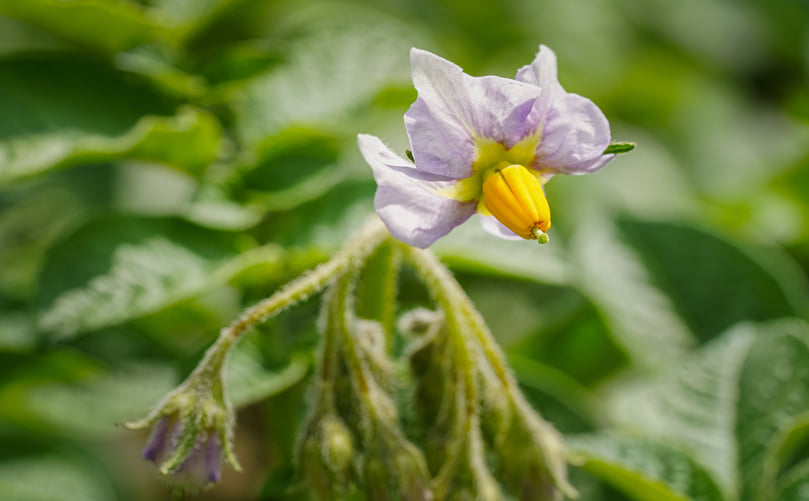
From Flower to Tuber: The Reproductive Stage of the Potato Plant
Unearthing Global Potato Powerhouses: Where the Worlds Spud Empire Thrives
Potatoes remain a cornerstone of global agriculture, cultivated on every continent except Antarctica. In 2023, world potato production reached approximately 383 million metric tons, up from 376 million the previous year, driven by yield improvements in developing regions despite challenges like fluctuating weather and market volatility. This expansion is fueled by favorable climates, high yield hybrid varieties, advanced irrigation and resilient supply chains that support both fresh consumption and booming processed products like french fries, chips and dehydrated goods.
The global potato processing market, valued at USD 41 billion in 2023, underscores the crop's economic importance. Asia, Europe and the Americas continue to dominate, accounting for over 85% of output, but emerging markets in Africa and Latin America are rapidly closing the gap through investments in sustainable farming and export infrastructure.
Asia: The Production Powerhouse
Asia leads global potato production, contributing nearly 60% of the world's total. China tops the list as the largest producer worldwide with 93.5 million tonnes, followed closely by India at 60.1 million tonnes based on recent data. Chinas vast arable lands in provinces like Inner Mongolia and Gansu, combined with mechanized farming and government subsidies, enable yields exceeding 25 tonnes per hectare.
India, focusing on Uttar Pradesh and West Bengal, benefits from monsoon dependent cultivation and rising demand for processed snacks, with production showing steady growth. Other key players include Bangladesh (10.1 million tonnes) and Pakistan (7.9 million tonnes), where smallholder farmers are adopting climate resilient varieties to combat erratic weather. Asia's growth is further propelled by Chinas role as a major frozen fry exporter, capturing markets in Southeast Asia.
Europe: Tradition Meets Innovation
Europes potato heritage spans centuries, with production emphasizing quality seed potatoes, fresh table varieties and industrial processing. Ukraine ranks third globally with 21.4 million tonnes, while Russia follows at 19.3 million tonnes, leveraging fertile black soils in the north and east for yields around 20-25 tonnes per hectare. The Netherlands, though smaller at 6.9 million tonnes, excels in seed potato exports, supplying 70% of Europes certified seeds via its Delta regions advanced greenhouses and disease-free protocols.
Western Europe shines with Germany (10.7 million tonnes, seventh globally) and France (8.1 million tonnes, eighth globally), where precision agriculture and EU funded R&D reduce water use by 30%. Recent record acreage in parts of Europe has occasionally led to oversupply, prompting diversification into organic and specialty varieties.
The Americas: Diversity and Scale
The Americas blend high volume commercial farming with the crop ancient roots. The United States holds fifth place worldwide with 17.8 million tonnes, and Canada contributes 6.2 million tonnes, centered in Idaho, Washington and Prince Edward Island, where irrigated fields yield 40-50 tonnes per hectare among the world's highest.
In South America, Peru (6.0 million tonnes) stands as the potatoes birthplace, boasting over 3,000 native varieties in the Andean highlands, supporting biodiversity conservation and niche exports like purple potatoes. Brazil (3.9 million tonnes) and Argentina (2.2 million tonnes) are expanding via precision tech, cutting post-harvest losses by 25% with solar powered cold storage.
Africa: Emerging Frontier with Rapid Gains
Africas potato sector is surging with production up 15% since 2020, due to irrigation projects, pest resistant seeds and farmer cooperatives. Egypt leads the continent and ranks globally at 6.2 million tonnes, primarily in the Nile Delta, exporting to the Middle East. Algeria (4.3 million tonnes) and South Africa (2.5 million tonnes) follow, focusing on table potatoes for urban demand. In East Africa, Kenya (1.7 million tonnes) and Ethiopia (1.3 million tonnes) are scaling via highland farming and training programs that boost smallholder yields by 40%. Nigeria, though lower at around 800,000 tonnes, is investing in processing to curb import dependency, projected to double output in the coming years. Challenges like late blight persist, but bio-pesticides are gaining traction.
Latin America: Tech Driven Expansion
Beyond Peru, Latin Americas output is growing at 5-7% annually, with yields nearing 20 tonnes per hectare region wide. Colombia (2.5 million tonnes) and Bolivia (1.2 million tonnes) leverage Andean microclimates for diverse varieties, while Mexico (1.9 million tonnes) integrates potatoes into corn rotations for sustainable farming. Brazil and Argentina are pioneers in cold chain logistics, reducing waste to under 10% and enabling exports to Asia. The region positions itself as a reliable supplier of fresh and processed potatoes amid global market dynamics.
Investments in climate smart agriculture, such as drip irrigation and AI-driven pest monitoring are mitigating risks from droughts and diseases across all regions. Recent global oversupply scenarios highlight the need for balanced demand growth through exports and value-added products. These dynamics position potatoes as a resilient staple, feeding billions while adapting to a changing world.
Spudding Up the Future: Game Changing Trends Reshaping the Global Potato Revolution
Growth of Processed Potato Products: The processed potato sector is experiencing accelerated global growth, driven by rising demand for convenience food, urbanization and expansion in quick service restaurants. Key sub segment includes frozen products (e.g., French fries, wedges), chips/snack pellets, dehydrated items and ready to cook meal.
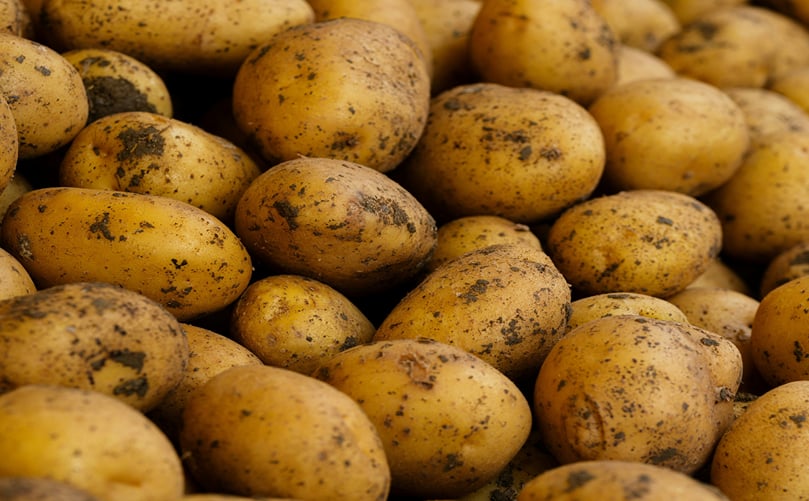
Where Technology Meets the Humble Spud
Regenerative Agriculture: Regenerative agriculture enhances potato farming by improving soil health through cover cropping and reduced tillage, boosting resilience and crop quality. It optimizes water use, reduces synthetic inputs and promotes biodiversity by supporting natural ecosystems. This approach meets growing consumer demand for sustainable potatoes but faces challenges like high transition costs and the need for farmer training. Adoption in the potato industry is rising to address climate challenges and ensure long term productivity.
Advancements in Technology: Advancements in technology are significantly enhancing potato production resilience to climate and supply chain challenges worldwide. Precision agriculture tools, such as satellite image, IoT sensors and AI-driven analytics, enable farmers to monitor soil moisture, optimize irrigation and predict pest outbreaks, improving yields under erratic climate conditions.
Biotechnology advancements, including CRISPR edited potato varieties, offer traits like drought tolerance and disease resistance, crucial for regions facing environmental stress. Blockchain and digital supply chain platforms improve transparency and efficiency, reducing delays and post-harvest losses, which globally affect up to 25% of potato production. These technologies, supported by global research and policy initiatives, empower farmers to adapt to a changing world while ensuring sustainable food security.
Resilience to Climate and Supply Chain Challenges: Potato production faces significant challenges from climate change and supply chain disruptions, requiring resilient strategies to ensure food security. Rising temperatures, erratic rainfall and extreme weather events like droughts and floods reduce yields and affect tuber quality, as potatoes are highly sensitive to environmental stress.
Supply chain issues, such as transportation delays, labor shortages and rising input costs (e.g., fertilizers and pesticides), further strain production and distribution. Adopting climate resilient potato varieties, such as those bred for heat and drought tolerance can mitigate yield losses. Improved storage technologies and localized supply chains reduce post-harvest losses and enhance market access. Precision agriculture and sustainable farming practices also help farmers adapt to changing conditions while minimizing environmental impact.
Innovations and Challenges: The potato industry is embracing new technologies from smart irrigation systems to advanced processing equipment. However, it also faces ongoing challenges such as climate variability, water management and the need for sustainable practices. Collaboration across regions and sectors is key to overcoming these hurdles and ensuring the long term viability of potato production.
Vision for the Potato Markets Future: Future trends in the potato industry through 2030 emphasize automation with AI driven analytics and robotics enhancing farming and processing efficiency. Regenerative agriculture will dominate, integrating data driven practices and drought resistant varieties to boost sustainability and yields. The processed potato market is projected to reach USD 60 billion by 2031, driven by health-focused, air fryer compatible products and clean label snacks. Climate resilient supply chains and circular economy models will address volatility, while genomic breeding and non-thermal processing innovate product quality.
From Soil to Snack: Navigating the Spud Revolution Evolving Consumer Cravings and Market Momentum in the Global Potato Landscape
The potato industry is undergoing a flavorful transformation, where ancient tubers meet modern appetites and tech savvy supply chains. Global production hovers around 390 million metric tons amid recent oversupply waves triggered by bumper harvests in Europe and Asia, slashing prices by up to 20% in key markets while reshaping trade flows. Yet, beneath the volatility lies robust growth: the overall potato market, valued at USD 119.85 billion in recent years, is on track to expand steadily, propelled by a 3.7% CAGR through 2029 that could add another USD 25.7 billion. This surge is turbocharged by processed and frozen segments, urbanization and a pivot toward health-conscious, eco-friendly eats. But challenges like climate whims, input cost spikes and cold chain bottlenecks in emerging hubs test the sector resilience. Here is a deeper dive into the trends steering this starchy powerhouse.
Consumer Cravings: Convenience, Clean Eats and Crispy Innovation
Gone are the days of bland boiled spuds today's shoppers demand potatoes that fit seamless into fast paced, wellness focused lives. Convenience reigns supreme, with a 15% uptick in sales of resealable, microwavable fresh packs and ready to heat options, catering to urban millennials juggling work from home dinners and gym sessions. The air fryer revolution amplifies this: over 60% of North American households now own one, driving a 25% boom in air fryer compatible frozen products like low sodium wedges and herb infused fries that promise guilt free crunch without the oil splatter. Globally, air fryer ownership is projected to influence 50% of appliance sales, with multi-mode models leading as consumers seek one pot wonders for everything from sweet potato tots to gourmet gnocchi. Health and sustainability are the new side dishes.
Gen Z and millennials, who make up 40% of potato buyers are snapping up specialty varieties think vibrant purple potatoes packed with antioxidants or nutty fingerlings for Instagram worthy salads with organic and clean label options growing 12% year-over-year. Demand for low carb, gluten free and nutrient dense formats is surging in Asia Pacific, where plant-based diets fuel a 18% rise in dehydrated and baked products. Meanwhile, sustainability seals the deal: 70% of consumers now prefer brands touting regenerative sourcing, pushing giants like McCain to commit to 100% regenerative potato farming by 2030. This shift isn't just trendy it is reshaping retail shelves with quick service restaurants (QSRs) like McDonald testing air fryer fries in 20% more outlets worldwide.
Market Momentum: Growth Amid Regional Ripples and Trade Turbulence
The global potato arena is a tale of two speeds: explosive expansion in processed goods versus patchy fresh production. The processed potato market, a USD 37.85 billion behemoth in recent estimates is barreling toward USD 42.56 billion by 2029 at a 5.5% CAGR, adding nearly USD 48.7 billion through enhanced production lines and e-commerce penetration. Frozen potatoes alone, valued at USD 67.27 billion in recent data are set to crisp up to USD 89.51 billion by 2029, thanks to QSR booms in emerging economies and a 10% upswing in home delivery. Urbanization in Asia and Africa, where city dwellers now comprise 55% of the population is the secret sauce, spiking demand for shelf stable snacks and boosting exports by 8% in recent quarters.
Yet, regional fault lines loom large. North America's output dipped 3.4% in recent seasons to 547.21 million cwt, hammered by droughts yielding just 410 cwt/acre in the U.S., while Europes acreage swelled 6.9% to 608,000 hectares, flooding markets and igniting oversupply scenarios. This glut has frozen exports up a modest 1.2% in recent quarters but triggered price plunges table stock down 15% in the EU exacerbating trade imbalances as surplus potatoes pivot to animal feed or exports to deficit hit Africa. Fertilizer costs, volatile at USD 400-500/ton amid supply snarls, compound the pain, squeezing margins for smallholders in India and Nigeria.
Hurdles on the Horizon: Climate, Costs and Cold Chain Conundrums
Mother Natures mood swings are the industrys arch nemesis: erratic rains and heatwaves shaved 5-10% off yields in vulnerable spots like Perus Andes and Kenyas highlands, underscoring potatoes finicky frost and flood aversion. Supply chain snarls from port delays to labor crunches amplify post-harvest losses, hitting 20-30% in developing regions where cold storage lags. In Africa, the cold chain market is exploding to USD 14.85 billion by 2029, but power outages and infrastructure gaps hobble 40% of perishable trade, forcing reliance on costly imports despite local booms in Ethiopia and Egypt. Asia fares better with Chinas state backed logistics, yet tariff tussles and oversupply from new exporters like Vietnam are stirring competitive currents.
Innovation Ignition: Tech and Green Practices Fueling the Fightback
Regenerative agriculture is no longer niche with adoption leaping 25% via cover crops, no-till methods and biodiversity boosts that hike soil carbon by 15% and water retention by 20%. Projects like the UK FIRST Potato initiative deploy IoT sensors and satellite smarts for plot level advisories, slashing input needs by 30% while prepping for climate curveballs. AI-driven processing from predictive analytics for fry uniformity to blockchain-tracked provenance is curbing waste and greenwashing with McCain New Zealand pilots extending rotations to nine years for healthier yields.
In emerging markets, solar powered cold chains and aeroponic seed tech are bridging gaps, enabling Kenyas smallholders to export premium ware to the Middle East. QSR giants are all-in with Subways plant-based potato wraps and KFC localized fries spurring 12% trade growth in Asia.
As the potato playbook evolves, it is clear: blend bold flavors with bold fixes. By 2030, expect a USD 60+ billion processed powerhouse, where sustainable spuds not only feed the world but heal the earth one crispy bite at a time.
Innovations Driving the Future of Potato Research and Breeding
Recent advancements in potato research have significantly transformed breeding and cultivation systems, with a strong focus on sustainability, efficiency and climate resilience. Modern innovations aim to overcome limitations associated with conventional tetraploid breeding while improving productivity and adaptability under changing environmental conditions.
Hybrid potato breeding represents one of the most important breakthroughs in recent decades. Pioneered by companies such as Solynta, this approach utilizes true potato seed (TPS) rather than traditional seed tubers. TPS enables faster variety development and facilitates the incorporation of desirable traits such as disease resistance and climate adaptability.
True seeds are lightweight, disease free and highly scalable, substantially reducing transportation costs and minimizing the spread of seed borne pathogens. Following nearly two decades of research and development, hybrid breeding platforms are moving toward large scale commercialization for global markets with potential yield improvements estimated at 20–30%. Diploid breeding systems further enhance efficiency by incorporating self-compatibility genes such as Sli, simplifying inheritance patterns compared with complex tetraploid genetics and accelerating the development of stable inbred lines.
Genome editing technologies have also expanded opportunities for precise trait improvement. Tools including CRISPR/Cas9, TALENs and zinc-finger nucleases (ZFNs) allow targeted genetic modifications without the introduction of foreign DNA, enabling regulatory flexibility in certain regions compared with conventional genetically modified organisms. Applications include enhanced resistance to late blight through wild gene stacking, reduced acrylamide formation during processing, improved nutritional composition through increased antioxidant content and resistance to cold-induced sweetening, which improves storage and processing quality.
Commercial biotechnology innovations are exemplified by the Innate® potato developed by J.R. Simplot Company. These potatoes incorporate multiple beneficial trait including reduced bruising, lower acrylamide potential and improved tolerance to late blight. Successive generations of Innate varieties continue to expand trait stacking and commercial adoption.
Speed breeding techniques further accelerate genetic progress by shortening generation cycles through controlled environment cultivation, allowing multiple breeding generations within a single year. At the same time, genomics assisted selection leverages fully sequenced potato genomes to enable marker assisted breeding, improving selection accuracy and reducing breeding timelines.
Precision agriculture technologies are increasingly integrated into potato production systems. Artificial intelligence, drone-based monitoring, IoT sensors and big data analytics support optimized input management and real time decision making. Variable rate fertilization systems can reduce input waste by approximately 15–20%, while predictive analytics improve forecasting of yield performance and pest or disease outbreaks.
Public sector investment continues to support innovation in potato improvement. For example, funding initiatives from the United States Department of Agriculture support regional breeding programs aimed at developing superior varieties adapted to diverse production environments across major potato growing regions.
Biotechnological research is also exploring biofortification strategies, including vitamin enhanced tubers, as well as circular bioeconomy applications such as converting processing waste into biofuel or other value-added products. Collectively, these innovations contribute to global food security goals with projections suggesting yield increases of up to 20% through AI driven management and post-harvest loss reductions approaching 30% through resilient cultivars and improved production systems. As a result, potato farming is evolving into a highly technology driven and forward-looking agricultural sector.
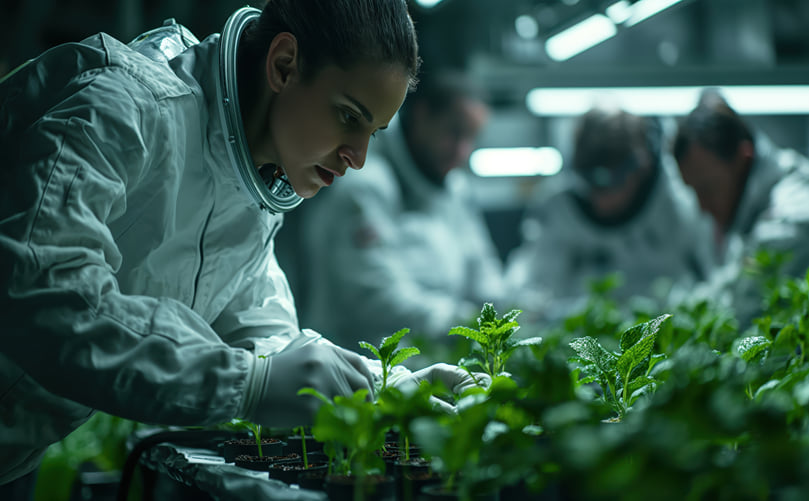
Modern Technologies Driving the Future of Potato Improvement
Key Challenges Shaping the Future of the Global Potato Sector
The global potato sector faces a complex set of challenges driven by environmental, economic and technological pressures. These challenges are increasingly intensified by climate variability, evolving pest dynamics and structural changes within global agricultural markets.
Climate change represents one of the most significant threats to potato production worldwide. Increasingly erratic weather patterns including droughts, floods, heatwaves and unseasonal rainfall are disrupting production stability. Temperatures above 30 °C significantly inhibit tuber initiation and development leading to reduced yields and compromised tuber quality, including smaller tuber size and physiological disorders. Projections suggest potential yield reductions of approximately 18–32% by the mid 21st century if adaptive measures are not widely implemented. Extreme weather variability has also contributed to market instability; for example, favorable growing conditions in parts of Europe resulted in oversupply situations that triggered severe price declines due to excess free buy volumes entering the market.
Soil degradation caused by intensive cultivation practices presents another major concern. Continuous cropping, heavy machinery uses and insufficient organic matter inputs contribute to nutrient depletion, soil compaction and declining soil health. Globally, an estimated 20–30% of agricultural land is affected by varying degrees of degradation, reducing long term productivity and sustainability in potato-based systems.
Pests and diseases continue to evolve rapidly, challenging existing management strategies. Late blight remains the most destructive disease, while pests such as the Colorado potato beetle and plant parasitic nematodes increasingly develop resistance to chemical controls. Storage diseases, including dry rot and pink rot, persist despite improved integrated pest management (IPM) practices. Post-harvest losses remain substantial reaching 20–30% in some developing regions primarily due to inadequate storage infrastructure and physiological issues such as cold induced sweetening.
Rising production costs further strain growers. Increasing expenses related to labor, fertilizers, energy and mechanization have intensified under global inflationary pressures. Seed quality also remains a critical constraint, as disease transmission through vegetative propagation systems can reduce crop performance and limit yield potential.
Market volatility adds another layer of uncertainty. Price fluctuations are influenced by oversupply, shifting trade policies and international competition among major producing countries such as China and India. Regional surpluses can rapidly depress prices, while climate induced shortages may cause temporary spikes, creating unstable income conditions for producers. Trade tensions and tariff adjustments have also contributed to uncertainty within international potato markets.
Additional pressures include labor shortages, tightening pesticide regulations in several regions and increasing water scarcity. Potato cultivation typically requires between 1,000 and 2,000 liters of water per kilogram of production making efficient irrigation management increasingly critical in water limited environments. In some major producing regions including parts of the United States, production trends have shown stagnation or decline, raising concerns about long-term competitiveness.
Collectively, these challenges highlight the urgent need for adaptive production strategies, resilient cultivars, improved resource management and strengthened supply chains to ensure the long-term sustainability and stability of the global potato sector.
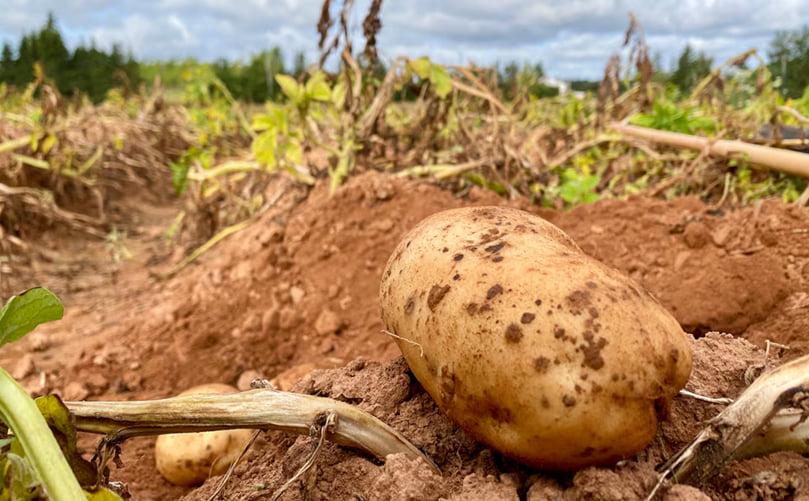
Major Risks Facing Potato Production Worldwide
Future Prospects of the Global Potato Sector
The future of the global potato sector appears promising, driven by rising food demand, technological innovation and expanding processing industries. Global market value is projected to grow from approximately USD 124.46 billion in 2026 to USD 149.38 billion by 2031, representing a compound annual growth rate (CAGR) of about 3.72%. This growth is supported by population expansion, rapid urbanization, changing dietary patterns and increasing consumption of processed potato products.
Processing is expected to remain the primary driver of sectoral expansion. Demand for potato-based products such as snacks, frozen fries and value-added bio-products continues to increase worldwide. The global potato processing market is projected to reach approximately $66.75 billion by 2033, growing at a CAGR of around 5.5%. Asia is anticipated to lead this expansion, supported by investments in new processing facilities and the rapid growth of quick service restaurant (QSR) chains, which are accelerating demand for standardized processing varieties.
Urban food systems are also expected to reshape potato production. The adoption of vertical farming and controlled environment agriculture will enable year-round cultivation with improved resource efficiency. Integration of precision technologies, including automated climate control and data driven crop management may increase productivity by 20–30% compared with conventional systems while reducing land and water use.
Sustainability will remain central to future development strategies. Regenerative agricultural practices, water efficient cultivars and improved soil management are expected to mitigate climate related risks. Adaptive production strategies could potentially increase global yields by approximately 17% under climate resilient systems. Emerging breeding technologies including hybrid true potato seed (TPS) systems and genome edited varieties developed through tools such as CRISPR are likely to enhance resilience against pests, diseases and environmental stresses, potentially reducing production losses by up to 30%. Climate change may also shift production zones, enabling expansion into cooler regions becoming suitable for cultivation.
Circular economy approaches are gaining importance within the potato value chain. Innovations such as converting processing waste into biofuels, biodegradable materials and other value-added products align with sustainability goals and evolving consumer preferences for clean label and environmentally responsible foods. These trends are expected to strengthen premium and specialty market segments.
Potatoes are increasingly positioned as a cornerstone of sustainable food systems due to their high nutritional value, resource use efficiency and adaptability across diverse agroecological conditions. Artificial intelligence driven decision support tools and digital agriculture platforms are projected to deliver efficiency gains of up to 20% through optimized input management and predictive analytics.
Although production forecasts indicate stagnation or decline in some established regions including parts of the United States, emerging growth hotspots in Asia and Africa suggest a geographic shift in global potato production and consumption. Overall, continued innovation, sustainability integration and market diversification are expected to shape a resilient and forward-looking future for the global potato sector.