
Potatoes: From Ancient Andean Roots to a Global Processing Powerhouse
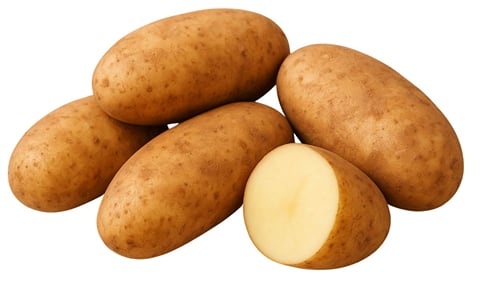
Potatoes (Solanum tuberosum), first domesticated over 8,000 years ago in the Andean highlands, have transformed from a regional staple into one of the worlds most influential processing crops. Today, they stand at the crossroads of tradition, technology and global demand.
By 2023, global potato production reached an impressive 383 million tons, with China contributing nearly 95 million tons and India around 54 million tons. Remarkably, more than half of this total harvest is now dedicated to processing, fueling the creation of an extensive range of value-added products from fries and flakes to starches, dehydrated ingredients and specialty industrial derivatives.
This expanded and meticulously researched guide delves deeper into advanced processing technologies, diverse product categories, key quality indicators, next-generation machinery, economic and employment impacts, and emerging future trends such as AI-based grading, precision peeling and energy-efficient drying systems. Drawing from global datasets and industry insights, it highlights how potatoes continue to shape food security, economic resilience and innovation across the world.
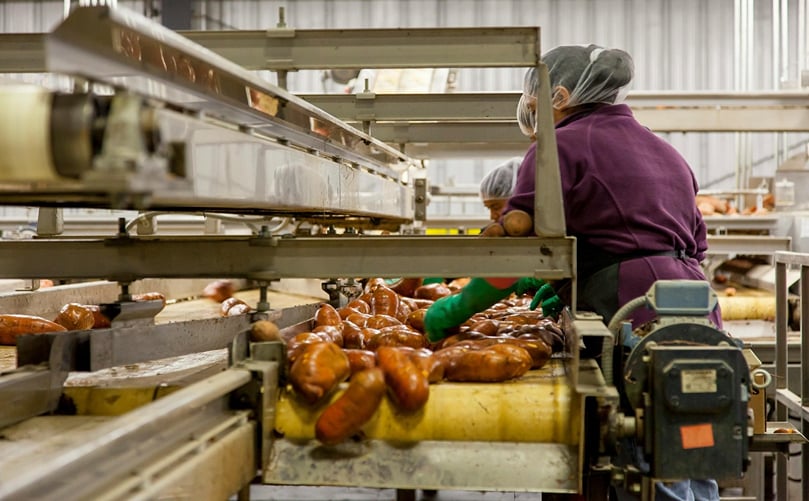
Inside a Modern Potato Processing Line: Precision in Every Step
Advanced Potato Processing Techniques: Precision, Efficiency and Innovation
Washing and Peeling: The processing journey begins with thorough washing, where high-pressure water jets and rotary drum washers remove soil and debris without damaging the tubers. Peeling follows using steam, abrasive surfaces or controlled lye treatments. Steam peeling, operating between 150–180°C for under a minute, achieves nearly complete peel removal with very low flesh loss, making it the preferred industrial method. Abrasive peeling remains common in smaller facilities because it preserves much of the edible portion, while modern lye-peeling systems now integrate alkali recovery to reduce environmental impact. This stage ensures that only clean, defect-free potatoes enter the next steps, directly influencing product color and safety.
Cutting and Shaping: Once peeled, potatoes pass through precision cutting systems that use hydraulic water jets or laser-aligned blades to create uniform strips, slices or specialty shapes. These systems ensure consistent thickness typically 7–10 mm for fries and 1–2 mm for chips allowing even cooking and minimizing breakage. Optical graders operating in real time analyze each tuber and automatically adjust blade spacing based on size and shape. This advanced integration reduces waste, lowers starch loss and improves overall yield, which is essential for high-volume processors.
Blanching and Drying: The next stage involves blanching, carried out at 70–85°C for several minutes to remove reducing sugars and deactivate browning enzymes. This step plays a crucial role in preserving color, texture and flavor while preventing undesirable darkening during frying. After blanching, the product undergoes moisture reduction through technologies such as fluidized bed dryers or microwave-assisted systems. These advanced dryers decrease moisture to around 6–8% while retaining a high proportion of vitamins and antioxidants. By shortening drying time and improving uniformity, they enhance energy efficiency and nutrient preservation.
Cooking and Frying: Frying is where the characteristic aroma, crispiness and golden color develop. Conventional fryers operate between 160 and 190°C, while frozen fry lines typically use par-frying at lower temperatures to form a light crust that protects texture during freezing. Vacuum frying, a rising innovation, uses lower temperatures of 120–130°C under reduced pressure, helping produce healthier products with markedly lower oil content and reduced acrylamide. Modern continuous fryers also include integrated oil-refresh systems that slow degradation and improve product consistency.
Freezing and Dehydration: To extend shelf life and enable international distribution, potatoes are either rapidly frozen or dehydrated. Freezing using blast or cryogenic technologies locks in shape, color and nutrients while maintaining quality for more than a year. Rapid freezing at temperatures below –35°C minimizes ice-crystal formation, preventing texture damage. Dehydration methods such as drum drying and spray drying reduce weight dramatically and produce flakes, granules and powders used in snacks, bakery formulations and ready to cook foods. Energy-efficient dryers and improved heat-transfer designs have lowered operating costs and increased global adoption of these technologies.
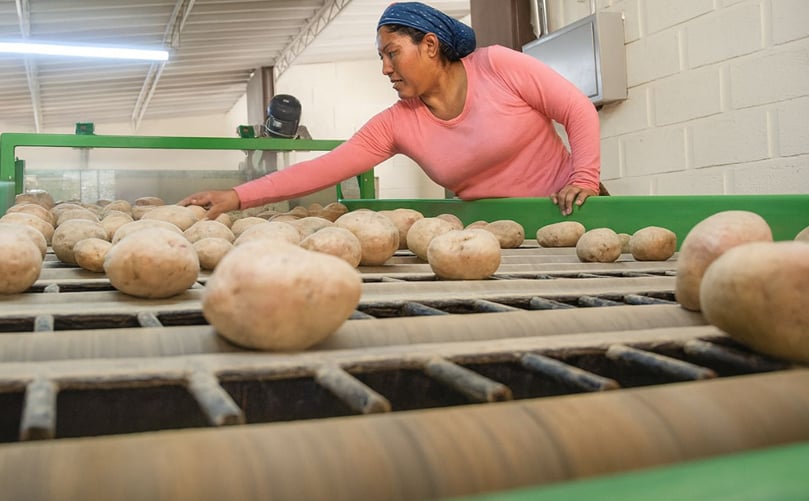
Quality Control at the Processing Line
These methods are integrated into automated, continuous lines with real time quality controls, reflecting a 10% efficiency gain in major processing plants since 2020.
Spectrum of Processed Potato Products: Global Diversity and Market Evolution
The modern potato processing industry has expanded far beyond traditional fried or dried products, evolving into a sophisticated sector that caters to fast-food chains, retail markets, industrial applications and sustainability-focused innovations. Each product category is shaped by consumer demand, technological capability and regional production strengths, illustrating how potatoes have become one of the worlds most versatile agricultural commodities.
Frozen Potato Products: Frozen potatoes dominate global processed output, representing more than two-thirds of total production. This category includes French fries, tater tots, hash browns, wedges and specialty forms such as waffle or crinkle cuts. Global consumption surpassed 7.2 million tons in 2023, driven heavily by the fast-food industry. The United States alone consumed about 2.6 million tons, largely influenced by high-volume buyers like McDonald's, Burger King, KFC and Wendy’s. Rapid freezing technologies help maintain texture and flavor, enabling these products to travel worldwide while retaining quality.
Potato Chips and Crisps: Chips and crisps hold a significant portion of the market and remain one of the oldest and most profitable potato-based snacks. Representing slightly over one-quarter of total processed potato products, they form a core part of the global snack industry valued at USD 42 billion in 2023. Available in an array of flavors from classic salted to bold variations like chili lime, barbecue, cheese and sour cream the category continues to evolve with new textures such as kettle-cooked or baked chips. Despite innovation, plain salted chips still dominate U.S. preferences, capturing more than half of all household purchases according to a 2024 Nielsen survey.
Dehydrated Potato Products: Dehydrated products such as flakes, granules, flour and powdered formulations make up a smaller but strategically important segment of the processing industry. Contributing around 5–6% of output, these lightweight and shelf-stable products are widely used in instant mashed potatoes, soups, extruded snacks, bakery mixes and ready to cook formulations. Europe particularly the Netherlands and North America are leading producers. Their ease of transport and long shelf life also make them essential in humanitarian relief programs, where more than 500,000 tons are distributed annually due to their compactness and nutritive value.
Starch and Industrial Derivatives: Potato starch, extracted through controlled wet-milling, feeds a substantial industrial ecosystem. Valued at USD 5.8 billion in 2023, it is a key ingredient in pharmaceuticals (tablet binders), textiles (yarn sizing), adhesives, biodegradable films and the paper industry (coating and strengthening). Additionally, potato processing waste especially peelings and rejected tubers serves as a valuable biofuel source. On average, 44,000 tons of waste material can produce 4–5 million liters of ethanol. In 2024, a European Union pilot biorefinery reported generating 6.2 million liters of ethanol from potato by-products, reinforcing the crops potential in circular economy models.
Specialty and Emerging Potato-Based Products: Innovative applications continue to push the boundaries of potato use. High end potato vodka, au gratin mixes, protein-enriched potato snacks and gluten-free baked goods are gaining traction in global markets. One of the most promising developments lies in potato-derived bioplastics, which are being tested in Germany for packaging applications. Early trials show an 18% reduction in plastic waste through partial substitution with potato-based polymers and commercial-scale adoption is expected as early as 2027. These developments reflect shifting consumer priorities toward environmentally responsible products.
Overall Significance: The breadth of products from frozen convenience foods to industrial starches and biodegradable materials demonstrates the potatoes transition from a basic staple to a highly engineered commodity with diverse global applications. This expanding portfolio aligns strongly with contemporary demands for convenience, sustainability, economic efficiency and innovation, reinforcing the potatoes position as one of the most valuable crops in the modern agri-food system.
Critical Quality Determinants in Potato Processing
Dry Matter and Starch, The Foundation of Processing Performance: The quality of processed potato products relies heavily on the tuber dry matter and starch content two traits shaped by both genetics and cultivation conditions. Varieties with 20–25% dry matter, such as Russet Burbank, Innovator and Shepody, yield crisp fries and chips with the desired texture and minimal oil uptake. A higher specific gravity (typically 1.080–1.100) indicates denser tubers with lower internal water, allowing processors to reduce oil absorption by nearly 10%, lower frying energy and improve product consistency. For industrial starch extraction, tubers containing more than 15% starch offer optimal recovery rates, contributing to the efficiency of food, textile and paper applications.
Sugar and Phenolic Management for Color and Flavor Control: Controlling reducing sugars primarily glucose and fructose is essential for achieving uniform golden color during frying. Levels must remain below 150 mg per 100 g to prevent excessive Maillard browning and the formation of undesirable dark spots. Elevated reducing sugars are strongly influenced by cold-induced sweetening, a post-harvest issue affecting nearly 30% of stored potatoes globally. Ideal storage temperatures between 7–10°C, combined with 90–95% relative humidity, help stabilize sugar metabolism and minimize sprouting. Phenolic compounds, though naturally occurring, must be maintained at low levels to prevent bitterness and discoloration, especially in high-temperature processes like frying and dehydrating.
Texture, Size Uniformity and Processing Efficiency: Tuber physical characteristics play a major role in defining processing outcomes. Medium-to-large potatoes (50–100 mm diameter) with even shape and internal consistency are preferred for achieving stable slice thickness and fry length. High-starch varieties like Maris Piper produce fluffy, mealy textures ideal for mashing and frying, while lower-starch cultivars such as Charlotte retain firmness, making them better suited for salads and boiling. Advanced optical and mechanical sorting systems now achieve up to 98% uniformity, ensuring predictable cooking behavior and reducing defects on high-speed production lines.
Post-Harvest Physiology, Maintaining Integrity and Nutritional Value: Post-harvest handling significantly influences both quality and nutritional retention. Minimizing the time between harvest and processing is crucial; processing within 24–48 hours helps preserve up to 90% of vitamin C, prevent textural degradation and maintain natural color. Before storage, potatoes undergo curing at 10–15°C for 10–14 days, a process that strengthens skins, heals minor bruises and reduces moisture loss. Gentle handling such as padded conveyor belts and reduced drop heights can cut mechanical bruising losses by 5–7%, leading to higher usable yield and better product appearance.
Quality Assurance and Global Standards: Ensuring consistency across batches requires rigorous quality control systems aligned with global safety frameworks. Compliance with ISO 22000 food safety standards, along with sensory evaluations, chemical profiling, fry color tests and continuous monitoring of sugar and moisture levels, ensures that final products meet both regulatory and market expectations. These protocols safeguard product safety, extend shelf life, and elevate consumer trust.
Technological Innovations Driving Modern Potato Processing
AI-Driven Automation and Robotics: Modern potato processing plants increasingly rely on advanced automation systems powered by artificial intelligence. Hyperspectral imaging examines each potato for internal defects, sugar levels, bruising and irregular shapes in real time. These systems optimize sizing, sorting, and frying temperatures within the 160–190°C range, achieving nearly 99% accuracy while reducing labor requirements by up to 30%. High-capacity plants equipped with robotic arms can now process over 1,000 tons of raw potatoes per day, increasing throughput and consistency.
Pulsed Electric Field (PEF) and Ultrasound Innovations: Emerging technologies such as Pulsed Electric Field (PEF) treatment are revolutionizing quality control and efficiency. PEF weakens cell membranes, enabling smoother cutting, improved drying performance, and a 20–30% reduction in oil uptake in French fries. Ultrasound technology further enhances extraction efficiency, increasing starch yield by approximately 15% while helping retain heat-sensitive antioxidants like anthocyanins. These innovations are supported by modern food science research demonstrating improved product quality and nutritional retention.
Sustainable and Energy-Efficient Processing Technologies: Sustainability has become a core focus of modern processing. Superheated steam drying and vacuum frying significantly reduce energy consumption often by 15–20% while keeping acrylamide levels below 500 µg/kg, meeting European safety standards. In India, solar-assisted drying units tested in 2024 demonstrated 12% lower operational costs, making them promising options for small and rural enterprises aiming to reduce energy dependence.
Cold Chain and Cryogenic Freezing Advancements: The frozen potato trade has been strengthened by improvements in cold-chain logistics and freezing technology. Cryogenic freezing at –35°C using nitrogen ensures rapid freezing with minimal cell damage, preserving texture and quality throughout storage and transport. Countries that adopted advanced cryogenic systems have achieved more than 40% growth in frozen potato exports since 2015. IoT-enabled cold-storage sensors ensure 98% temperature consistency, reducing spoilage and maintaining product integrity over long-distance shipments.
Innovation-Driven Market Growth: These technological advancements underpin rapid global market expansion. Potato crisp consumption is rising at nearly 9.5% per year, driven by product diversification and improved processing efficiency. The frozen potato segment is also expanding at about 5.2% annually, benefiting from better preservation technologies, growing fast-food demand and improved supply-chain reliability. Together, these innovations illustrate a sector evolving toward higher productivity, enhanced sustainability and stronger global competitiveness.
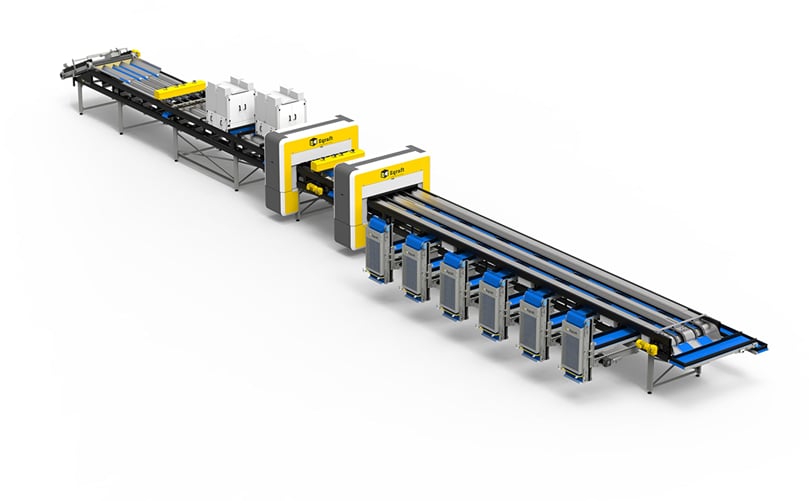
AI-Powered Sorting: Precision Quality Control for Every Potato
Economic Impact and Global Reach of the Potato Processing Industry
The potato processing sector plays a pivotal role in linking primary agriculture with high-value industrial output, generating strong economic returns across continents. Globally, the processed potato industry is estimated to contribute USD 65–70 billion annually, driven by growing demand for ready to eat and convenience foods. In the United States alone, the industry accounts for USD 4.2–4.5 billion in annual value, supported by approximately 900,000 acres dedicated to processing varieties and dominated by major players such as McCain Foods, Lamb Weston, J.R. Simplot, and Kraft Heinz.
The international trade landscape further underscores its importance. Canada New Brunswick province remains one of the world's most significant exporters of frozen French fries, shipping approximately 1.3 million tons per year, primarily to the United States, Latin America and Asia. In contrast, Europe the largest global hub for processed potato exports saw trade fluctuations between 2005 and 2013, including a notable 28% decline, attributed to stricter environmental and agricultural regulations, energy prices and shifting consumer trends. Despite this dip, Europe still maintains dominance, led by the Netherlands, Belgium, France and Germany.
Beyond monetary value, the processing industry generates substantial employment. Globally, it supports more than 550,000 direct and indirect jobs, spanning farming, logistics, cold-chain systems, processing plants, distribution networks, packaging and retail. Companies like McCain and Lamb Weston collectively invest over USD 200 million annually in research and development, focusing on innovations such as precision cutting, enzyme-based sugar reduction, low-acrylamide formulations and energy-efficient frying technologies. Modern water-jet cutting systems have reduced processing waste to around 4%, increasing yield and factory profitability. Potato processing also contributes significantly to food security and supply chain stability.
China, which produced nearly 100 million tons in 2017, has shifted a substantial share toward processed products to reduce post-harvest losses and stabilize prices. In Eastern Europe and Russia, where up to 50% of potato production has historically gone to animal feed or starch industries, processing helps manage surplus and maintain market equilibrium. In 2023, international frozen fry exports acted as a buffer against regional supply shocks caused by droughts and rising input costs, supporting price stability in global markets.
Historically, the rise of potato processing accelerated during World War II, when dehydration technologies became essential for military rations. The same principles now support modern humanitarian programs, emergency feeding systems, and global trade. Today, the industryes expansion reflects ongoing adaptation to urban lifestyles, rapid-service food sectors, climate-resilient agriculture and circular-economy manufacturing.
Challenges and Future Horizons in Potato Processing
Rising Operational Costs and Energy Demand: The potato processing industry faces significant cost pressures, with frying alone accounting for nearly 60% of total processing energy consumption. As electricity and fuel prices rise globally, processors especially small and mid-scale units struggle to maintain margins. Energy-intensive operations such as blanching, drying and freezing further increase production costs, prompting companies to explore alternative heating systems, heat recovery units and more efficient oil management technologies.
Acrylamide Regulations and Consumer Safety Concerns: Global regulatory bodies continue tightening limits on acrylamide, a heat-generated compound linked to health concerns. Meeting thresholds especially the European Union’s strict benchmarks requires constant monitoring of sugar levels, frying temperatures and processing formulations. Additionally, consumers increasingly scrutinize additives, preservatives and artificial flavor enhancers, pushing companies toward cleaner labels, enzyme-based sugar reduction and minimally processed formulations.
Sustainability Pressure and the Demand for Organic Processing: As global consumers shift toward healthier and eco-friendly options, processors must adapt to organic-certified lines, reduced chemical inputs and traceable supply systems. Organic potato processing demands high-quality raw material streams, strict segregation at plants and residue-free storage challenges that require more advanced procurement systems and farm-level integration.
Climate Change and Raw Material Volatility: Climate variability is reshaping potato supply chains worldwide. Drought, heat stress and irregular rainfall patterns are affecting tuber size, dry matter content and sugar accumulation key parameters for fries, chips and flakes. Developing climate-resilient processing varieties with stable dry matter, low reducing sugars and strong disease tolerance is becoming an urgent priority for breeders and processors alike.
Technological Horizons: Future processing plants will rely heavily on full-line automation robotic sorting, AI-based fryer control systems and predictive maintenance platforms to reduce labor dependency and operational variability. Such systems are expected to cut overall processing costs by nearly 15% by 2030, while improving consistency and reducing downtime.
Circular Economy Innovations and Bioplastics: Sustainability driven solutions are opening new commercial pathways. Potato peel waste and starch residues are increasingly being converted into biogas, ethanol and bioplastics, which can reduce packaging-related waste by up to 20%. Large-scale adoption of potato-based biodegradable packaging is projected to accelerate by 2027–2030, as global plastic regulations tighten.
Resilient Supply Chains Through Digital Intelligence: AI-driven forecasting tools, blockchain traceability and IoT-enabled storage systems are strengthening resilience across supply networks. By predicting crop shortfalls, optimizing storage humidity and automating logistics, digital tools allow processors to manage climate risks, reduce food losses and maintain stable supply to global buyers.
Did You Know?
Potato processing waste in Europe yielded 6.2 million liters of biofuel in a 2024 Dutch pilot, as per Renewable Energy Journal report, showcasing circular economy potential.