
Sponsor of the month(Learn more)
oktober 28, 2025
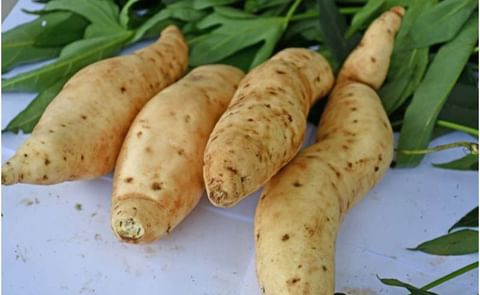
Scientists Decode Sweetpotato Genome, Unlocking Drought Tolerance, Nutrition, and Crop Resilience
Scientists have decoded the sweetpotato’s complex hexaploid genome, revealing its mixed ancestry and resilience traits. This breakthrough offers powerful tools for breeders to boost yield, nutrition, and climate resistance, securing food futures.
november 26, 2023
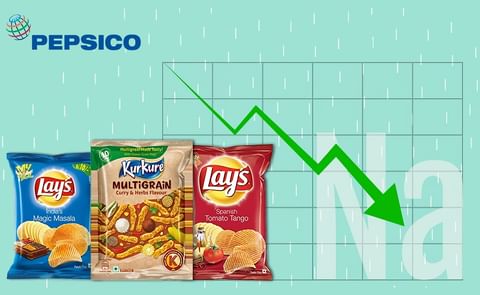
PepsiCo sets goals to further reduce sodium and deliver more diverse ingredients in convenient foods portfolio
PepsiCo, Inc. unveiled new nutrition goals under its strategic transformation, PepsiCo Positive (pep+). The objectives focus on reducing sodium and enhancing nutritional value in consumer-preferred foods.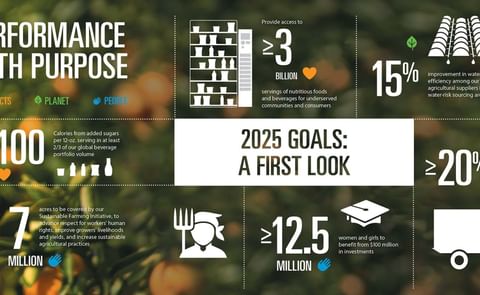
oktober 18, 2016
PepsiCo Launches 2025 Sustainability Agenda
PepsiCo, Inc. has announced an ambitious global sustainability agenda designed to foster continued business growth in a way that responds to changing consumer and societal needs.From the archive
september 06, 2014
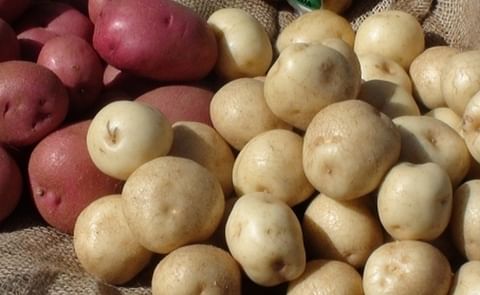
Eating Potassium-rich Foods Cuts Stroke, Death Risk among Older Women
Postmenopausal women who eat foods higher in potassium [such as potatoes; PotatoPro] are less likely to have strokes or to die from any cause than women who eat fewer potassium-rich foods, according to data from the Women's Health Initiative (WHI).From the archive

juli 03, 2014
Saratoga Chip replaces regular salt by Mountain Pure Himalayan pink salt
Saratoga Chip switches to Mountain Pure Himalayan pink salt, a mineral and energy-rich iron alternative to traditional salt for all six Saratoga Chip flavorsFrom the archive
juni 30, 2013
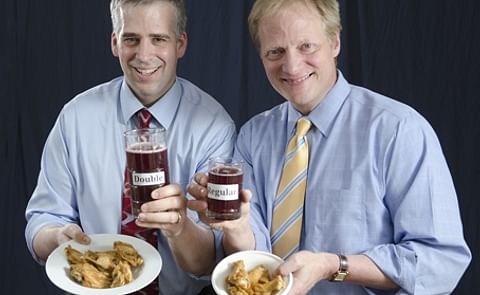
Portion size & size label affect how much we eat
Portions (8, 12 or 16 ounces) are given different labels – small, medium or large – at different restaurants. Research shows consumers use such labels to dictate how much food they think is a “normal” portion, and then adjust their intake accordingly.From the archive
Sponsored Content
Sponsored Content
Sponsored Content