
A simple barrier technology has tested effective to prevent the spread and infestation of Andean potato weevils, while also protecting the biodiversity of insects, including natural enemies of pests.
An ordinary sheet of plastic is proving to be a simple and effective alternative to expensive, harmful insecticides for controlling major potato pest.
Researchers at the International Potato Center (CIP) working in the high Andes have discovered this simple technology, which not only helps farmers but also protects biodiversity and the environment.
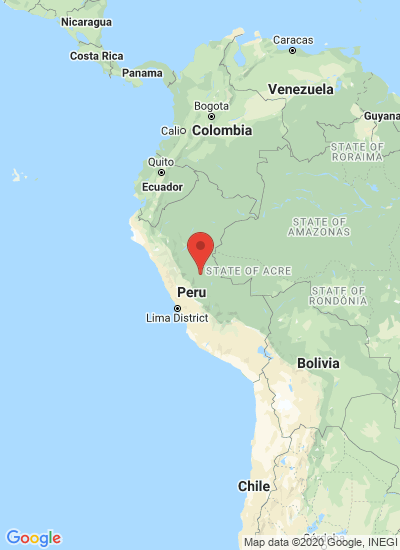
Andean potato weevils (Premnotrypes suturicallus) pose a major problem for farmers at altitudes of between 2,800 and 4,200 meters where potato is an important staple and cash crop. The weevils, which are very common at these altitudes crawl into potato fields at the beginning of the season and breed, and when the larvae hatch move into the soil, feeding underground on tubers.
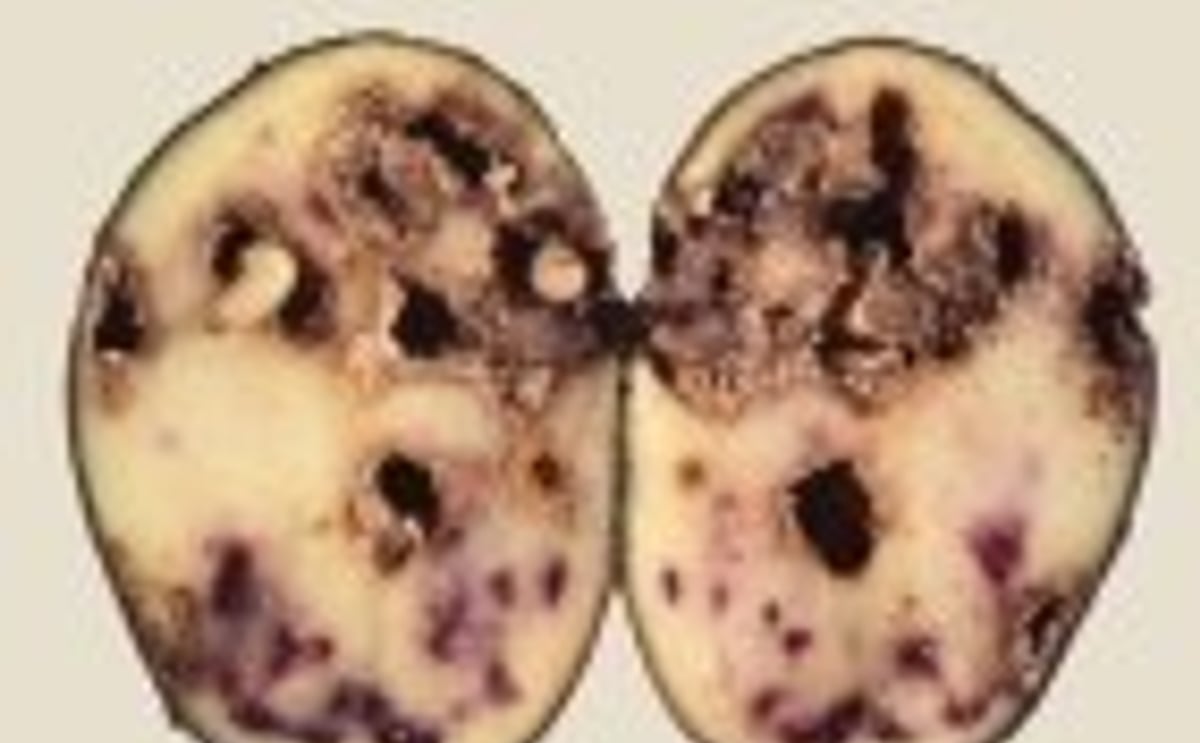
To date no crop resistance to the weevil has been detected. Farmers attempt to control weevils by using 2-4 applications of insecticides, which are expensive, highly toxic, and often ineffective because the dosages are wrong. Despite pesticide usage, between 15 to 40 percent of tubers still get infested. When no control measures are taken, the weevil can destroy more than half of the crop. But the Andean potato weevil has an Achilles heel: it is flightless.
“Erecting a simple plastic barrier just 30-50 centimeters high and 10 centimeters into the ground is very effective in stopping weevil migration to potato fields and consequently tuber damage,” explained CIP entomologist Jürgen Kroschel. “What’s more, it’s an idea that has been tested collaboratively with local farmers to assess its impact, ease of use and acceptability.”
Under CIP’s integrated pest management program, more than 60 individual field experiments were carried out over four years with farmers in the high Andean villages of Ñuñunhuayo and Aymara. The experiments set out to determine the efficiency of plastic barriers, farmer receptivity and the potential economic benefits to farmers.
The results are very positive. Barriers were found to reduce Andean potato weevil damage by up to 70% more than insecticide applications. They were tested against other Andean weevil species in locations throughout Peru, Bolivia, and Ecuador and, in all cases, were found to be equally effective as insecticides. Comparing increased yields and higher prices for undamaged tubers to costs, the plastic barriers proved to be an excellent investment. Average net benefits for farmers were US$147 per hectare in one of the test villages and $807 per hectare in the other. Local opinion on this alternative technology was very positive. More than 90 percent of the farmers participating in the project considered the barriers a very useful and easy-to-install tool, and they were interested in promoting them with their peers.
Farmers are now being encouraged to experiment with the barriers, expanding their use in communal rotation systems. The technology is being taken up by national agricultural institutes in Peru to further promote its use in smallholder agriculture. Farmers are not the only ones to benefit, as there are important environmental and biodiversity dividends.
“The plastic barriers reduce the weevil population enormously,” said Kroschel. “So if an entire farming community applies this method for several seasons, we can effectively minimize the weevil population and ultimately could get to a point where farmers can produce potatoes without needing any special weevil control.”
Also important is the technology’s potential impact on insect biodiversity. The application of broad-spectrum insecticides affects not only weevils but also their natural enemies, upsetting species’ natural balance and diversity. Prolonged insecticide use in the Andes has degraded populations of parasitoid and predator insect species, such as ladybirds and hoverflies, which help control other potato pest populations such as potato tuber moth and aphids.
“We study how we can influence agricultural systems by bringing in more biodiversity to augment natural enemies and get a more stabilized agroecosystem,” explained Kroschel. “The plastic barrier is a simple but effective tool that we can use toward that goal.”
Simple plastic barriers combat major potato pest
Like to receive news like this by email? Join and Subscribe!
Get the latest potato industry news straight to your WhatsApp. Join the PotatoPro WhatsApp Community!
精选企业

相关新闻
十月 11, 2026
马德里国际马铃薯研讨会聚焦欧洲马铃薯产业的关键挑战与机遇
马德里首届国际马铃薯研讨会汇聚250位专业人士,围绕生产、贸易、植物健康、创新和可持续发展等关键挑战与机遇展开讨论,推动欧洲层面加强合作。

九月 07, 2026
Calbee Potato Harvest Ceremony 2026 Highlights Stronger Hokkaido Potato Quality and Yield
Calbee Potato expects Hokkaido’s 2026 processing potato crop to reach 240,000–250,000 tons, with better quality and yields than 2025. Favorable temperatures and rainfall have boosted growth, although heavy rain remains a major harvest risk now.

九月 07, 2026
Aardappeldemodag 2026 Draws Over 4,500 Visitors as Dutch Potato Sector Faces Year of Extremes
Aardappeldemodag 2026 brought over 4,500 visitors to Westmaas amid a challenging year for the Dutch potato sector. The event focused on market pressures, extreme growing conditions, knowledge sharing, machinery and innovation.