A simple barrier technology has tested effective to prevent the spread and infestation of Andean potato weevils, while also protecting the biodiversity of insects, including natural enemies of pests.
An ordinary sheet of plastic is proving to be a simple and effective alternative to expensive, harmful insecticides for controlling major potato pest.
Researchers at the International Potato Center (CIP) working in the high Andes have discovered this simple technology, which not only helps farmers but also protects biodiversity and the environment.
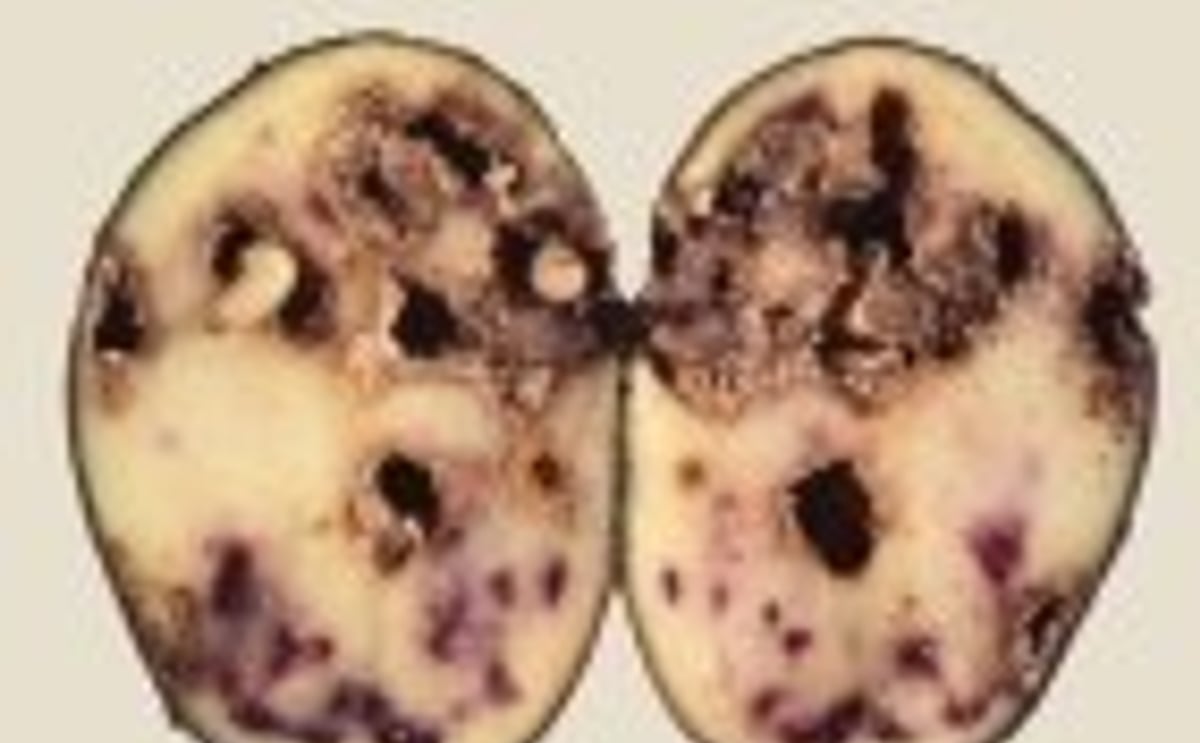
Andean potato weevils (Premnotrypes suturicallus) pose a major problem for farmers at altitudes of between 2,800 and 4,200 meters where potato is an important staple and cash crop. The weevils, which are very common at these altitudes crawl into potato fields at the beginning of the season and breed, and when the larvae hatch move into the soil, feeding underground on tubers.
To date no crop resistance to the weevil has been detected. Farmers attempt to control weevils by using 2-4 applications of insecticides, which are expensive, highly toxic, and often ineffective because the dosages are wrong. Despite pesticide usage, between 15 to 40 percent of tubers still get infested. When no control measures are taken, the weevil can destroy more than half of the crop. But the Andean potato weevil has an Achilles heel: it is flightless.
“Erecting a simple plastic barrier just 30-50 centimeters high and 10 centimeters into the ground is very effective in stopping weevil migration to potato fields and consequently tuber damage,” explained CIP entomologist Jürgen Kroschel. “What’s more, it’s an idea that has been tested collaboratively with local farmers to assess its impact, ease of use and acceptability.”
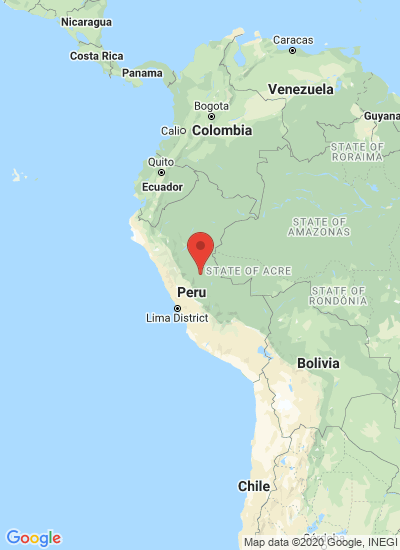
Under CIP’s integrated pest management program, more than 60 individual field experiments were carried out over four years with farmers in the high Andean villages of Ñuñunhuayo and Aymara. The experiments set out to determine the efficiency of plastic barriers, farmer receptivity and the potential economic benefits to farmers.
The results are very positive. Barriers were found to reduce Andean potato weevil damage by up to 70% more than insecticide applications. They were tested against other Andean weevil species in locations throughout Peru, Bolivia, and Ecuador and, in all cases, were found to be equally effective as insecticides. Comparing increased yields and higher prices for undamaged tubers to costs, the plastic barriers proved to be an excellent investment. Average net benefits for farmers were US$147 per hectare in one of the test villages and $807 per hectare in the other. Local opinion on this alternative technology was very positive. More than 90 percent of the farmers participating in the project considered the barriers a very useful and easy-to-install tool, and they were interested in promoting them with their peers.
Farmers are now being encouraged to experiment with the barriers, expanding their use in communal rotation systems. The technology is being taken up by national agricultural institutes in Peru to further promote its use in smallholder agriculture. Farmers are not the only ones to benefit, as there are important environmental and biodiversity dividends.
“The plastic barriers reduce the weevil population enormously,” said Kroschel. “So if an entire farming community applies this method for several seasons, we can effectively minimize the weevil population and ultimately could get to a point where farmers can produce potatoes without needing any special weevil control.”
Also important is the technology’s potential impact on insect biodiversity. The application of broad-spectrum insecticides affects not only weevils but also their natural enemies, upsetting species’ natural balance and diversity. Prolonged insecticide use in the Andes has degraded populations of parasitoid and predator insect species, such as ladybirds and hoverflies, which help control other potato pest populations such as potato tuber moth and aphids.
“We study how we can influence agricultural systems by bringing in more biodiversity to augment natural enemies and get a more stabilized agroecosystem,” explained Kroschel. “The plastic barrier is a simple but effective tool that we can use toward that goal.”
Simple plastic barriers combat major potato pest
Like to receive news like this by email? Join and Subscribe!
Get the latest potato industry news straight to your WhatsApp. Join the PotatoPro WhatsApp Community!
Highlighted Company

Related News

October 08, 2026
ICAR-CPRI Potato Varieties Cover Nearly 75% of India’s Potato Area
ICAR-CPRI's Kufri Jyoti, Kufri Bahar, Kufri Pukhraj and Kufri Chipsona-1 together cover nearly 75% of India's potato cultivation area. The varieties have boosted productivity, farmer incomes and the potato processing sector.

October 06, 2026
Dutch Potato Organisation Celebrated Potato Tuesday at Utrecht Central Station on October 6
The Dutch Potato Organisation celebrated Potato Tuesday on October 6 at Utrecht Central Station during the Week of Our Food. Visitors can enjoy free recipe booklets and discover the people behind the Dutch potato industry.

October 05, 2026
Punjab Agricultural University Introduces Four Potato Varieties for Higher Yield and Disease Resistance
PAU Ludhiana has released four potato varieties—PP-101, PP-102, PP-103 and PP-104. Yields range from 142–184 quintals/acre, with PP-103 offering early harvest and PP-104 moderate late-blight resistance. Seed is now available.