

四月 22, 2017
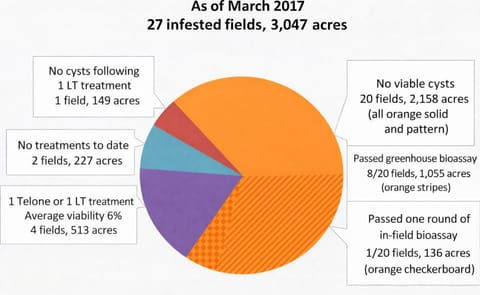
Efforts to eradicate damaging nematodes in 27 infected Idaho potato fields progressing well
Progress is being made eradicating the microscopic potato cyst nematodes that have been threatening Idaho’s $900 million potato industry the last decade, according to the latest update by USDA-APHIS.From the archive

四月 17, 2017
US Potato Growers offer Trump suggestions to improve NAFTA
The National Potato Council (NPC) has sent a letter to President Trump with suggestions how the NAFTA agreement can be improved to benefit the potato trade.From the archive
四月 11, 2017
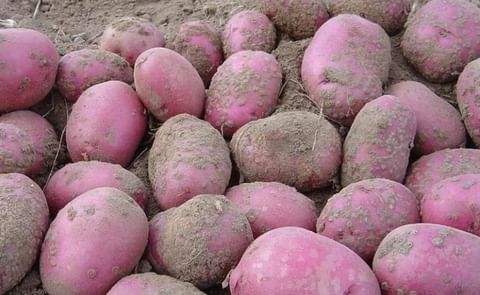
New Webcast helps Potato Growers avoid devastating Powdery Scab Outbreaks
Powdery scab is a potato disease that is difficult to manage and under certain environmental conditions powdery scab can be potentially devastating to susceptible potato varieties.From the archive
四月 02, 2017
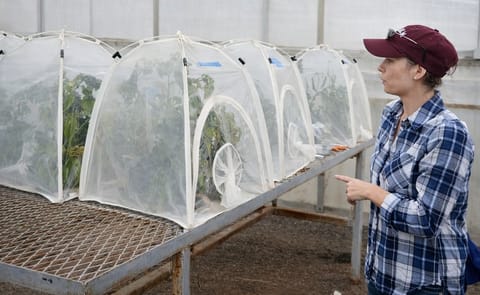
Neonicotinoid insecticides losing efficiency in potato psyllid control
The potato industry may be losing a mainstay in the battle against psyllids, according to a recent Texas A&M AgriLife Research study.From the archive
三月 20, 2017
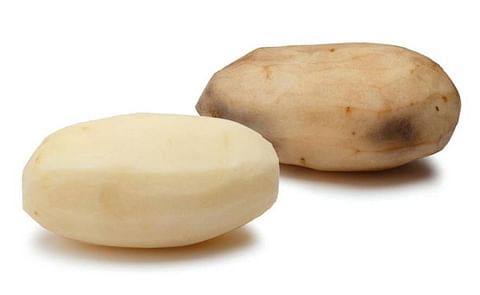
US government approved 3 more Simplot GMO potato types for cultivation and sale
The US federal government has given the final OK to three more types of potatoes genetically engineered by Boise’s J.R. Simplot Co. to resist Phytophthora - the pathogen that caused the Irish potato famine.From the archive

二月 07, 2017
Potato growers in Maine apply soil fumigation in a trial of McCain Foods
French Fry manufacturer McCain Foods has started trials examining soil fumigation with several of its potato growers in Maine (United States) and New Brunswick (Canada).From the archive
Sponsored Content
Sponsored Content
Sponsored Content

一月 04, 2017
Study Provides Evidence on Movement of Potato Famine Pathogen
North Carolina State University research delves into the movement and evolution of the pathogen that caused the Irish potato famine in the 1840's - Phytophthora infestans -, which set down roots in the United States before attacking EuropeFrom the archive

十二月 06, 2016
Potato White Mold: how it spreads and how it can be managed
The Plant Management Network (PMN) has released a new presentation entitled 'Epidemiology and Management of Potato White Mold' to help growers, consultants and extension agents understand how white mold persists and spreadsFrom the archive

十月 26, 2016
USDA clears Calyxt potato modified to withstand bruising
A new potato variety that’s genetically modified to withstand bruising has been cleared for commercialization without undergoing USDA’s deregulatory process for biotech crops.From the archive

十月 20, 2016
Cornell University receives state grant to upgrade Golden Nematode Lab
Cornell University receives $1.2 million of new state funding to upgrade the Federal Golden Nematode LabFrom the archive
八月 17, 2016
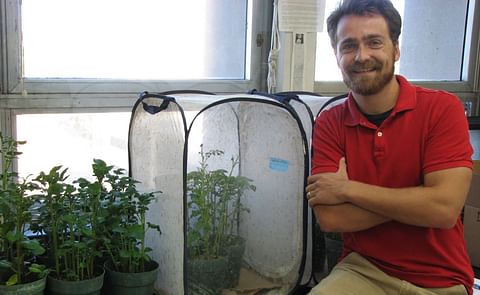
National Potato Council Awards Academic Scholarship for Potato Research to Justin Clements
Justin Clements, a fifth year doctoral student in the Molecular and Environmental Toxicology Center working in the Department of Entomology at the University of Wisconsin-Madison, is the recipient of the 2016-2017 NPC Academic Scholarship.From the archive
八月 11, 2016
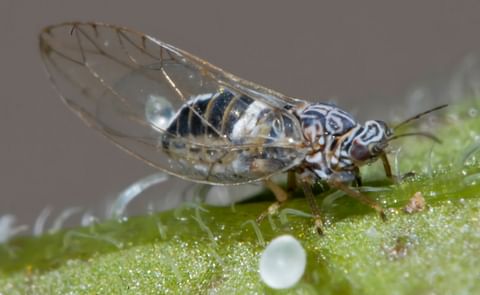
Potato Psyllid Alert for North Dakota
Potato psyllids have been reported in specific fields in western and central North Dakota. At this point populations are not widespread.From the archive
Sponsored Content
八月 01, 2016
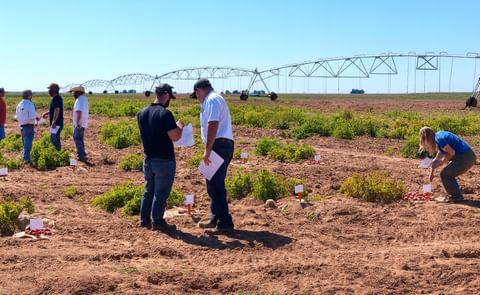
Harvest, psyllids & new varieties the hot topics at Texas potato field day
Participants at the 25th annual Texas Potato Breeding and Variety Development Program field day learned that the harvest is underway, that psyllids are threatening unharvested fields and that new varieties are showing lots of promise.From the archive

七月 27, 2016
Weather Continues to Devastate Potato Crops in Northeast North Dakota
The heart of "Potato Country" in northeast North Dakota was devastated by baseball size hail that lasted up to 35 minutes last Tuesday night.From the archive

七月 17, 2016
Dickeya Blackleg: New Potato Disease Causing Major Impact
Dickeya blackleg, often just called Dickeya, is a new disease in the United States. It was severe in 2015 at least partly reflecting hotter weather than previous 2 years when the pathogen likely was present and is developing again in 2016.From the archive

七月 13, 2016
New Potato Virus Y strains very difficult to detect with the naked eye
Several newly evolved strains of the disease known as potato virus Y, or PVY, can render potatoes unmarketable and reduce crop yield. What’s worse is the new viruses are particularly difficult to detect with the naked eye.From the archive
七月 02, 2016
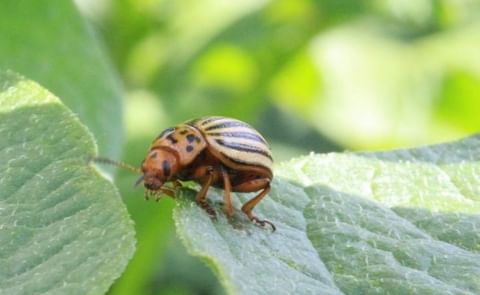
Colorado Potato Beetles are munching on in the Red River Valley
According to the University of Minnesota Extension 'Spudbug' Newsletter, it is shaping up to be a Colorado Potato Beetle (CPB) year in the Red River Valley.From the archive
六月 29, 2016
Searching for genes to make potatoes resistant to nematodes
Potato breeders at Oregon State University are working to identify the gene that makes certain potatoes resistant to nematodes, which could then be used to create new varieties.From the archive