

British Columbia
British Columbia has a diverse potato industry supported by several distinct growing regions, including the Lower Mainland, Fraser Valley, Okanagan Valley, Kootenay region, Vancouver Island and parts of the province's interior. Potatoes are grown for fresh consumption as well as certified seed production, with the province producing 85,185 tonnes from 2,388 hectares in 2024. Production represented about 1.5% of Canada's total potato output that year.
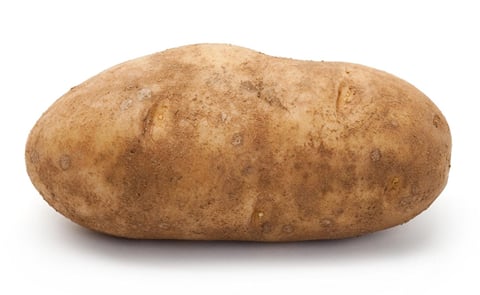
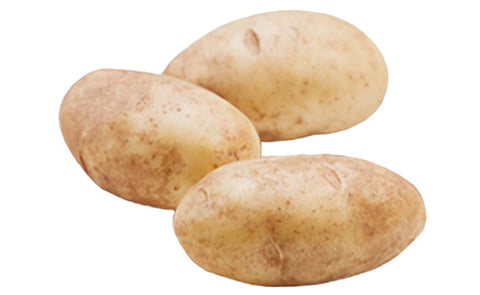
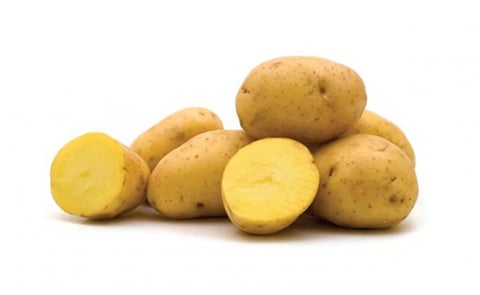
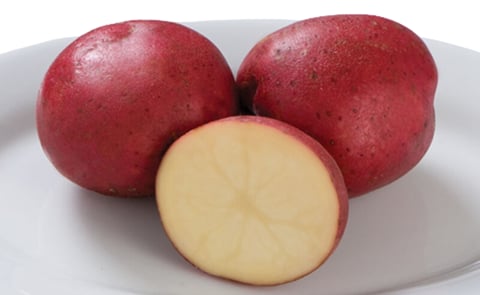
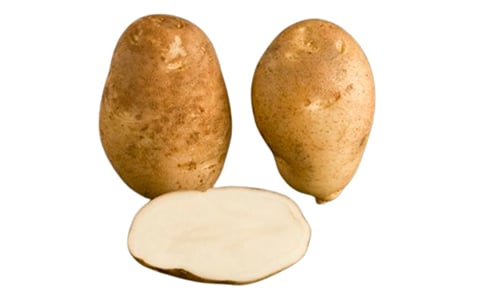
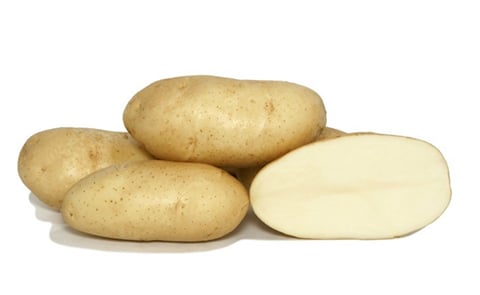
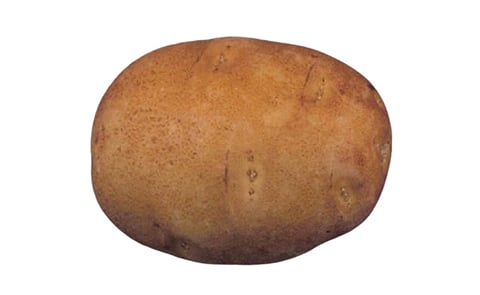
The province's varied climate and growing environments allow growers to produce a broad range of potato types. British Columbia's production includes white, red, yellow-fleshed, russet, fingerling and early potatoes such as Warba. The provincial production guide lists varieties including Russet Norkotah, Norgold Russet, Ranger Russet, Russet Burbank, Yukon Gold, Norland, Red Pontiac, Shepody, Atlantic and Snowden, with different varieties suited to fresh, baking, boiling, French fry and other markets.
Seed potato production is an important, specialized component of the British Columbia industry. The province operates a regulated certification system because virus and other disease problems can affect potato production, and growers can use high generation certified seed to maintain crop health. Certified seed potatoes are produced in areas including the Lower Mainland, Okanagan Valley, Kootenay region and Vancouver Island. In 2024, British Columbia had 144 hectares of registered seed potato varieties accepted for certification, while the province's commercial potato sector also supplied fresh potatoes to local markets.
Potato cultivation in what is now British Columbia dates back to the early 19th century. Historical research records Daniel Williams Harmon planting potatoes, barley, turnips and other crops at Stuart Lake in 1811, apparently establishing the first documented agricultural garden on the mainland of present-day British Columbia. Potatoes were subsequently grown at fur-trade establishments, including Fort Langley, where agricultural production supplied food for Hudson's Bay Company operations and vessels.
Potato growing later developed into a commercial agricultural activity in several parts of the province. Pemberton provides one notable example: local Lil'Wat families were growing potatoes before the gold rush, while commercial seed production expanded during the 1930s. British Columbia subsequently developed a regulated seed potato sector and a broad fresh market industry covering mainland and island production areas. The provincial government reported about 1,100 acres of certified seed potatoes and more than 20 varieties in 2013, illustrating the established importance of specialized seed production in the province.



Make This Page Even Better!
This content was last updated on September 16, 2026
Have a helpful detail to contribute? Catch something that should be corrected?