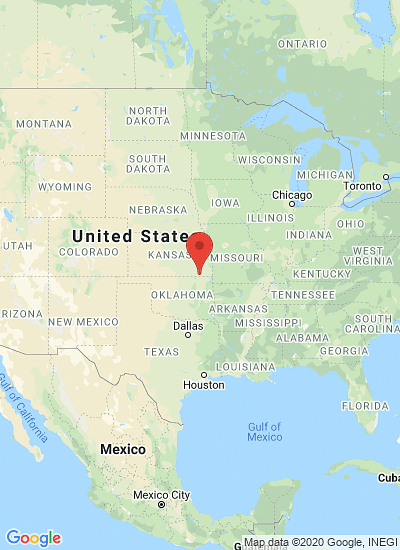

Florida potato growers didn’t escape damage from the surprise December freezes.
The freezes did set some growers of the nation’s first new potatoes back a little, but shippers say damage wasn’t as bad as last year’s freezes.Though damage wasn’t insignificant to individual growers, the freezing temperatures caused less than 15% in yield reduction and delayed production by a couple of weeks, said Ken Wiles, general manager of Mack Farms Inc.
That’s compared to last season when the January and February freezes knocked out close to a third of the state’s new potato production.
Mack Farms began running light volumes in early February and planned bigger volumes to start in early March.
“The younger crops look really nice,” Wiles said in late February. “It looks strong and healthy. We should have a typical year. Once we get started in good volume, there will be good quality and ample upplies. There won’t be any shortage.”
Florida: No potato shortage this season despite some frost damage in December
¿Te gustaría recibir noticias como esta por correo electrónico? ¡Únete y suscríbete!
Get the latest potato industry news straight to your WhatsApp. Join the PotatoPro WhatsApp Community!
Noticias relacionadas
Septiembre 28, 2026
México: menor oferta de papa podría impulsar los precios durante el invierno
En México, el cierre de cosechas, los menores rendimientos y la reducción de la superficie sembrada podrían restringir la oferta de papa y generar presión al alza sobre los precios entre diciembre de 2026 y febrero de 2027.

Septiembre 28, 2026
España: la sequía reduce la cosecha de patatas en 2026
La producción española de patata caerá entre un 8% y un 10% en 2026, hasta unos 1,8 millones de toneladas, con descensos de hasta 35% en Andalucía debido principalmente a la sequía y los menores rendimientos.

Septiembre 23, 2026
Chile: buscan mejorar el diagnóstico molecular de la sarna polvorienta y la sarna común en papa
En Chile, el proyecto SCAB-ID 2.0 busca validar un sistema de qPCR multiplex capaz de detectar y diferenciar simultáneamente la sarna polvorienta y la sarna común de la papa, con miras a transferirlo a laboratorios de diagnóstico agrícola.