

Introduction
Frozen French fries are a cornerstone of the frozen food aisle, offering unmatched convenience, versatility and appeal to diverse consumers, from busy families to health conscious individuals and those craving restaurant-quality meals at home. Retailers who master merchandising strategies such as diverse product assortments, optimized shelving, clear signage and targeted promotions can significantly boost category sales and enhance overall store performance.
This guide explores the retail market for frozen French fries, covering consumer preferences, packaging formats and major brands worldwide, while providing actionable insights for optimization. The global frozen potatoes market, with fries commanding over 60% of the segment is valued at USD 66.32 billion and projected to grow at a 5.3% compound annual growth rate (CAGR).
Drawing from fresh potato merchandising best practices, strategies like expanded variety, eye-catching displays and health focused labeling can drive 5-7% sales uplifts, positioning frozen French fries as a high-margin, high-traffic category.
Market Evolution and Trends
Frozen French fries have evolved from a post-World War II convenience product into a premium staple, driven by rapid-freezing technology that preserves texture and flavor, alongside the rise of home cooking appliances like air fryers. After the pantry stocking surges of 2020, sustained growth reflects normalized consumer behaviors, with shoppers prioritizing affordable, quick and versatile meal solutions amid economic pressures.
U.S. retail potato sales, including frozen products, rose 2.3% in volume, remaining 13% above pre-pandemic levels, with fries leading at 4.9% volume growth. Globally the frozen fries market, valued at approximately USD 24.32 billion is expected to grow at a 5.26% CAGR to USD 31.43 billion by 2030, propelled by urbanization, rising disposable incomes and the expansion of quick service restaurants (QSRs) and e-commerce platforms like Uber Eats. Retailers are categorized based on their ability to leverage these trends:
Top Performers: Chains like Walmart, Kroger and Tesco sustain 3-5% volume growth by offering premium SKUs (e.g., organic, flavored, air fryer-optimized fries), using digital promotions via apps and maintaining higher everyday prices through strategic discounting. They leverage analytics to optimize inventory and reduce shrink.
Middle Performers: These retailers maintain steady frozen aisle traffic but see 1-2% volume gains due to limited innovation, often relying on private-label bulk packs that miss younger demographics seeking variety or health-focused options.
Bottom Performers: Experiencing <2% growth or declines, these retailers struggle with disorganized displays, limited diversity and high shrink rates (15-20%) in poorly managed freezers, missing trends like air fryer-compatible products.
Exploring the Retail Market for Frozen French Fries
The frozen French fries retail market is vibrant and competitive, valued at over USD 24 billion and growing at a 5-6% CAGR, driven by urbanization, rising incomes, and Western fast-food culture via QSRs and delivery platforms. North America holds a 43.37% market share, fueled by high per capita consumption (about 30 pounds annually per American) and partnerships with chains like Five Guys and Chick-fil-A.
Europe, led by export hubs in the Netherlands and Belgium, exports over 2 million tons annually, while Asia-Pacific markets like China and India grow rapidly, with India’s market expanding at 8% due to urban youth adopting Western diets. Convenience drives demand, with 82% of urban U.S. households buying frozen potato products monthly and air fryer compatibility boosts consumption by 25-30%.
Consumer Preferences
Consumer preferences for frozen French fries are shaped by health, flavor, convenience and sustainability, reflecting broader food industry trends that influence purchasing decisions across demographics. These preferences drive product innovation and retail strategies, ensuring fries remain a versatile and appealing category:
Health and Wellnes: Approximately 70-75% of consumers prioritize healthier options like reduced fat, low-sodium or sweet potato fries, with organic and plant-based lines growing 10% annually. This surge is driven by increasing health consciousness, particularly among those using GLP-1 medications for weight management as well as families concerned about obesity and heart health risks. Baked or low oil fries, offering up to 30% less fat than traditional fried options are popular among parents seeking nutritious family meals, with brands like Alexia and McCain seeing 12% sales growth in this segment.
Veggie-infused fries, such as zucchini, cauliflower or beet blends, cater to dietary restrictions like gluten free or vegan diets, growing 12% in North America and Europe. Certifications like USDA Organic or Non-GMO Project Verified enhance trust, boosting purchase intent by 15% in premium retail channels like Whole Foods and Sprouts. Retailers highlighting these attributes on shelf tags or digital signage see 10% higher sales, particularly for sweet potato fries, which appeal to health-focused millennials due to their lower glycemic index and nutrient density.
Flavor Innovation: Spicy and global flavor profiles, such as garlic-herb, truffle-parmesan, peri-peri, masala or gochujang seasoned fries, attract 60% of millennials and Gen Z, who view fries as standalone meals or snacks, with 84% of shoppers using them this way. Ethnic-inspired options, like kimchi fries in South Korea, masala fries in India or poutine-inspired fries in Canada are gaining traction in diverse markets, with flavored fries growing 8% annually in Asia-Pacific.
These bold flavors appeal to adventurous eaters, particularly urban shoppers and are often paired with premium dips like sriracha mayo or truffle aioli, driving 10% higher basket sizes when cross-merchandised. Retailers featuring these in high-visibility displays, such as door merchandisers or end-caps, report 15% higher trial rates, especially among Gen Z, who value unique culinary experiences. Limited-time offerings, like seasonal flavors (e.g., pumpkin spice fries in fall), further boost engagement by 12%, creating a sense of urgency for flavor-seeking consumers.
Convenience: Air fryer-ready fries, designed for preparation in under 15 minutes, have driven a 31% consumption increase, particularly among urban dual-income households and singles who prioritize speed and ease. Small packs (0.5-2 lbs), comprising 40-45% of sales, align with this trend, catering to quick meals or snacking occasions. These packs, often resealable or microwavable are popular in urban retail settings, where 65% of shoppers cite convenience as a top purchase driver.
The rise in air fryer ownership (over 60% of North American households) has spurred demand for fries optimized for crispiness in these appliances, with brands like McCain and Lamb Weston offering specific air fryer instructions on packaging, boosting sales by 20% in convenience-focused markets. Retailers placing these packs in high-traffic door merchandisers near checkouts see 18% higher impulse buys, particularly for single serve formats that cater to on-the-go lifestyles.
Sustainability: Approximately 25-30% of shoppers, particularly eco-conscious millennials and Gen Z, prioritize non-GMO, locally sourced or sustainably packaged products. Recyclable or biodegradable packaging, adopted by 75% of producers, resonates strongly, with certifications like Fair Trade or USDA Organic increasing purchase intent by 15%. Retailers highlighting these attributes on shelf tags, such as “100% Recyclable” or “Compostable Packaging,” see 10% higher sales in urban and premium stores, where sustainability is a key decision factor.
Brands like McCain and Aviko have introduced compostable packaging for select lines, reducing environmental impact and appealing to 30% of shoppers who value eco-friendly options, particularly in Europe and North America. Digital campaigns promoting sustainability, such as QR codes linking to environmental impact reports, drive 12% higher engagement, especially among younger demographics who prioritize transparency.
Snacking and Versatility: Snacking drives 20% of frozen French fry purchases, with consumers using fries as bases for loaded dishes like Canadian poutine, nacho-style fries with cheese and toppings or street-food inspired bowls with global flavors like chili-lime or teriyaki. This trend is particularly strong among younger demographics, with 70% of Gen Z and millennials consuming fries as snacks rather than meal sides.
Gluten-free and allergen-friendly options, such as sweet potato or veggie-infused fries are growing 10% in North America and Europe, catering to shoppers with dietary restrictions like celiac disease or nut allergies. Retailers promoting these versatile uses through in store recipe cards, digital screens or QR codes linking to loaded fry recipes see 15% higher engagement, particularly in urban markets where snacking is a growing behavior. Cross-merchandising with complementary items like dips or frozen proteins boosts basket sizes by 12%, especially during high-traffic periods like game days or holidays.
Packaging Formats
Packaging innovations are pivotal in balancing sustainability, functionality and consumer convenience, aligning with retail efficiency and environmental priorities while catering to diverse shopping habits. These formats address the need for quick preparation, extended shelf life and eco-friendly solutions, driving both sales and customer satisfaction
Small Packs (0.5-2 lbs): Comprising 40-45% of sales, these packs are designed for urban singles, young professionals and small households, driving 25% growth due to their alignment with snacking and quick-prep trends. Resealable bags ensure freshness and minimize waste, while microwavable pouches or portion-controlled trays cater to air fryer users, who represent over 60% of North American households. These packs are ideal for on the go consumers, offering convenience for quick meals or snacks, with bold packaging (e.g., vibrant colors or health claims like “Low Fat”) boosting impulse buys by 15%. Retailers stocking these in high-visibility door merchandisers see 20% higher trial rates, particularly in urban stores where smaller households dominate.
Medium Packs (2-5 lbs): Holding a 35% market share, these family-sized resealable bags strike a balance between value and freshness, making them a staple for suburban households engaged in weekly meal planning. These packs cater to families of 3-5 members who prioritize cost-effectiveness without sacrificing quality, often used for dinners or gatherings. Their resealable design reduces spoilage, appealing to 30% of shoppers who value practicality, and they are frequently cross-merchandised with condiments or proteins, increasing basket sizes by 10-15%. Medium packs are versatile, fitting both air fryer and oven preparation, and their prominence in upright freezers ensures easy access for repeat purchases.
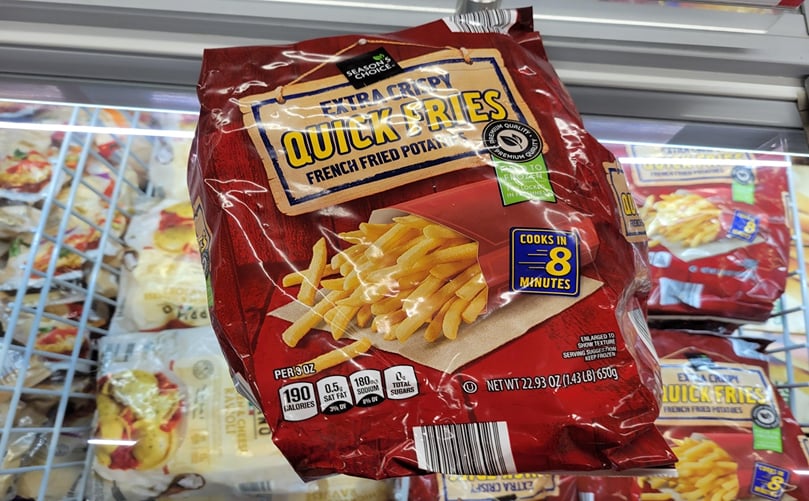
Frozen Fries Display in Retail Store
Large/Bulk Packs (5+ lbs): Experiencing a 2-3% decline in share, these vacuum-sealed packs target value seekers, rural markets and large families hosting events like barbecues or holiday gatherings. Popular in club stores like Costco, they face 10-15% shrink risks in retail due to thawing cycles, which can lead to frost buildup and reduced appeal. Retailers are advised to limit these to 20% of freezer space to minimize waste, focusing on vacuum-sealed formats to extend shelf life. Despite their decline, they remain relevant for budget conscious shoppers with brands like McCain and Simplot offering competitive pricing to maintain loyalty in this segment.
Innovative Formats: Nitrogen-flushed packaging extends shelf life to over 8 months by preventing oxidation, ensuring crisp texture and flavor retention which is critical for premium and specialty fries (e.g., truffle or sweet potato). Compostable boxes and biodegradable films, adopted by 75% of producers, align with the preferences of 25-30% of eco-conscious shoppers, particularly millennials and Gen Z, who prioritize sustainability. Microwavable trays are gaining traction in premium segments, especially in urban markets, offering quick prep for high end fries like Alexia’s truffle-parmesan.
Smart packaging features, such as QR codes linking to air fryer recipes, nutritional guides, or sustainability certifications, boost consumer engagement by 15-20%, with brands like Lamb Weston integrating these to enhance brand loyalty. Additionally, portion controlled trays designed for air fryers reduce food waste and cater to health conscious consumers tracking portion sizes, driving 10% growth in premium retail channels.
These packaging innovations reduce energy consumption in freezing processes by 10-15% as nitrogen-flushing and biodegradable materials require less cooling to maintain quality. Retailers can further capitalize on these trends by highlighting eco-friendly attributes on packaging (e.g., “100% Recyclable” or “Compostable”) to attract environmentally aware shoppers who account for 25-30% of the market. Digital integration, such as QR codes linking to recipe videos or health information, not only enhances engagement but also drives repeat purchases by 15%, particularly for specialty fries in smaller packs.
Major Brands Worldwide
The frozen French fries market is highly competitive, led by global processors who supply both retail and foodservice sectors, driving innovation to maintain market share and meet evolving consumer demands. These brands leverage advanced production capabilities, strategic partnerships and targeted product lines to cater to diverse markets
McCain Foods Ltd. (Canada): Holding a commanding 35% global market share, McCain is the industry leader, offering a wide range of air fryer-ready, organic and plant-based fries across over 160 countries. Its partnerships with major QSRs like Burger King, Wendy’s and KFC ensure consistent quality and brand recognition, while its retail lines, such as McCain Craft Beer Battered Fries, Organic Sweet Potato Fries and Spicy Peri-Peri Fries, appeal to premium and health conscious consumers. McCain’s focus on sustainability, including 100% recyclable packaging for select lines and a commitment to reducing carbon emissions by 20% by 2030, aligns with the preferences of 25-30% of eco-conscious shoppers, boosting brand loyalty by 10%. The company’s investment in digital engagement, such as QR codes linking to air fryer recipes or nutritional guides, drives 15% higher consumer interaction in retail settings, particularly in urban markets where convenience is key.
Lamb Weston Holdings Inc. (USA): A dominant player in North America and Europe, Lamb Weston invests heavily in production capacity, exemplified by its USD 415 million Idaho facility upgrade in 2024, which increased output by 20% to meet growing demand for both retail and QSR markets. Its portfolio includes health focused options like Stealth Fries (low-sodium, baked) and Sweet Potato Crinkle Fries, which have seen 8% growth in retail sales, appealing to families and wellness driven shoppers. Lamb Weston’s focus on air fryer compatible products and sustainable packaging, including biodegradable films for select lines, resonates with 30% of shoppers prioritizing eco-friendly options, particularly in urban markets like California and the UK. Its strong presence in QSR supply chains, including In and Out Burger and Five Guys, enhances its retail credibility, driving 10% higher brand recognition in North America.
J.R. Simplot Company (USA): Known for its consistent quality, Simplot supplies major QSRs like McDonald’s, providing iconic straight cut fries that dominate the category with a 50-60% share of retail sales. Simplot has expanded into specialty lines, such as Seasoned Curly Fries and Sweet Potato Wedges, targeting younger consumers seeking bold flavors and snackable options. Its focus on cost effective large packs appeals to value seekers, particularly in rural markets and club stores like Sam’s Club, though it faces challenges in premium segments where innovation drives growth. Simplot’s investment in efficient freezing technology ensures shelf life stability, reducing retail shrink by 5-7% and maintaining competitiveness in budget conscious segments.
Aviko B.V. (Netherlands, Royal Cosun): A European powerhouse, Aviko excels in specialty cuts like waffle, curly and crinkle fries, exporting to over 110 countries and leveraging Europe’s 30% market share. Its Super Crunch line, optimized for air fryers, has seen 10% growth in retail sales, particularly in the UK, Germany and Scandinavia, where consumers prioritize texture and convenience. Aviko’s focus on locally sourced potatoes and sustainable packaging, including compostable boxes for its Premium Fries range, appeals to eco-conscious European shoppers, driving 12% higher sales in premium retail channels like Tesco and Carrefour. Its emphasis on ethnic flavors, such as Paprika-Spiced Fries, caters to diverse European markets, boosting trial by 15%.
Agrarfrost Holding GmbH & Co. KG (Germany): Specializing in organic and low-fat fries, Agrarfrost caters to health conscious European consumers, particularly in Germany, Austria and Scandinavia, where organic products hold a 15% market share. Its Bio-Pommes and Low-Fat Crinkle Fries, made with non-GMO potatoes, align with the preferences of 25% of shoppers seeking certifications, boosting purchase intent by 10%. Agrarfrost’s focus on smaller, premium packs (1-2 lbs) for urban markets has driven 8% growth, though its limited global reach restricts its competitive edge compared to giants like McCain or Lamb Weston. Its commitment to sustainable sourcing, including partnerships with local farmers, enhances brand trust in eco-conscious regions.
Other Players: Farm Frites (Netherlands) and Cavendish Farms (Canada) drive innovation with flavored and health-focused fries, such as Farm Frites’ Oven Baked Sweet Potato Fries and Cavendish’s Spicy Harissa Fries, appealing to younger demographics. Ore-Ida (Kraft Heinz, USA) and Alexia Foods (USA) lead in premium retail with truffle-parmesan and rosemary-seasoned fries, growing 7% in upscale markets like Whole Foods. Emerging Chinese exporters like Yantai Aurora cater to Asia’s growing demand, particularly in China and India, with budget-friendly and ethnic-flavored lines like Chili-Garlic Fries, which have seen 10% growth in e-commerce platforms like Tmall.
Private-label brands, such as Walmart’s Great Value and Tesco Finest, hold 20% of U.S. retail sales but lag in premium segments due to limited innovation, focusing primarily on cost-driven straight cut fries. Strategic partnerships, such as McCain’s collaboration with Strong Roots for plant based fries and ethnic flavors like gochujang or peri-peri, balance regular cuts (60% of sales) with specialties, driving 7% growth in diverse markets.
Frozen French Fries Type Categories
A diverse assortment of frozen French fries drives 5-8% sales increases by encouraging trial and repeat purchases, catering to varied consumer preferences and aligning with retail trends. These categories reflect cut styles, ingredients and emerging consumer demands, ensuring broad appeal across demographics
Traditional Mainstays: Straight cut and shoestring fries form the backbone of the category, holding a 50-60% market share with 3-4% volume growth. Priced affordably at USD 1.99-USD 2.50 per pound, these fries appeal to families, value shoppers and those recreating QSR-style meals at home, such as McDonald’s inspired burgers and fries. Their versatility makes them ideal for pairing with classic condiments like ketchup, mayonnaise or ranch, driving consistent demand in suburban and rural markets. Brands like J.R. Simplot, Ore-Ida and Walmart’s Great Value dominate this segment, with straight-cut fries accounting for 70% of large-pack sales in club stores like Costco and Sam’s Club. Retailers stocking these in upright freezers at eye level see 12% higher repeat purchases, as their familiarity ensures steady sales across all retail formats.
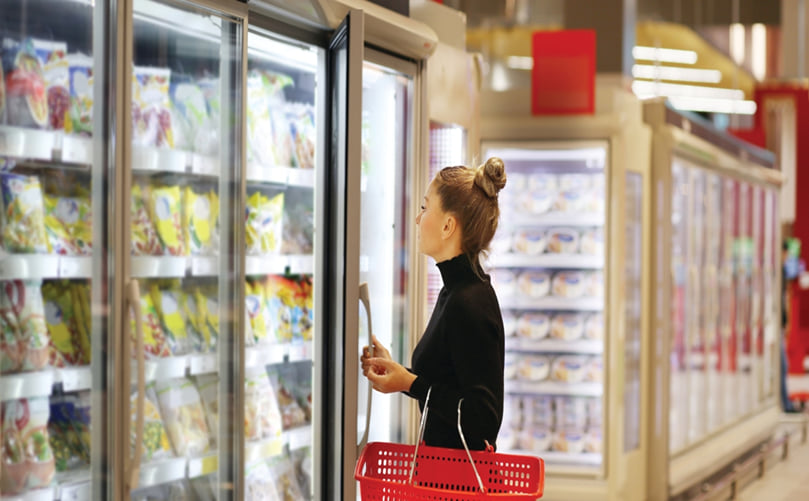
Customer Selecting Frozen Fries in Supermarket Freezer
Key Options: Crinkle-cut and wedge fries, with a 20-25% share, achieve 4% volume growth due to their versatility in pairing with burgers, salads or premium dips like ranch, garlic aioli or cheese sauce. Crinkle cut fries, with their nostalgic diner style appeal, attract 40% of families seeking comforting, familiar options, while wedges, with their thicker cut and lower oil absorption, appeal to health conscious shoppers seeking a heartier texture. Their textured surfaces enhance sauce retention, making them popular for casual dining occasions, such as barbecues or game day gatherings, with 15% higher sales during peak seasons like summer or the Super Bowl. Retailers featuring these in chest freezers with clear dividers and bold signage see 10% higher repeat purchases, particularly in suburban markets where families prioritize value and variety.
Growth Drivers: Waffle, curly and sweet potato fries, holding 15-20% share, deliver a 6-7% CAGR, fueled by health-focused reformulations (e.g., low-oil, baked options) and air fryer compatibility. Sweet potato fries, with their lower glycemic index, high fiber and natural sweetness are a standout, growing 8% annually among health conscious millennials and families. These fries are often marketed with health claims like “Rich in Vitamin A” or “Gluten-Free,” driving 12% higher sales in premium retailers like Whole Foods and Sprouts. Waffle and curly fries, with their playful, snackable textures, appeal to younger shoppers, particularly Gen Z, who use them for social media-worthy loaded dishes like nacho fries or poutine, boosting trial by 15% in air fryer-ready packs. Retailers highlighting these in door merchandisers with “Air Fryer Ready” signage see 18% higher impulse buys, especially in urban stores.
Next-Gen Fries: Spiral, purple potato and seasoned fries (e.g., truffle-parmesan, garlic-herb, peri-peri, masala or gochujang), with less than 10% share are growing rapidly at 8-10% due to their appeal to urban shoppers seeking organic, non-GMO and global flavor profiles. Purple potato fries, rich in antioxidants and visually striking, attract health-focused consumers, particularly in premium markets, where they command a 20% price premium over traditional fries. Seasoned varieties, like Aviko’s Paprika-Spiced Fries or Alexia’s Truffle Fries, cater to adventurous eaters, with 20% of shoppers in upscale markets prioritizing premium dining experiences.
These fries are often packaged in smaller, sustainable packs (1-2 lbs), driving 10% growth in urban retail channels like Whole Foods or Tesco Finest. Retailers showcasing these in end-cap displays with bold flavor signage, such as “Try Our New Masala Fries!” or “Spicy Peri-Peri Crunch” see 15% higher trial rates, particularly among Gen Z and millennials seeking Instagram-worthy food moments.
Emerging sub-trends include plant-based coatings for vegan diets and low-sodium options, growing 10% due to dietary restrictions and health concerns. These options, such as gluten-free or allergen-friendly fries made with alternative starches like cassava or rice flour, are particularly popular in North America and Europe, where 15% of shoppers seek products free from common allergens like wheat or soy, driving 12% sales growth in specialty retail. Retailers promoting these through digital campaigns or in-store recipe demos, such as “Vegan Poutine in 15 Minutes,” see 15% higher engagement, particularly in health-conscious urban markets.
Frozen French Fry Retail Insights and Growth Strategies
Package Size
Consumer preferences are shifting toward smaller packs, which now account for 40–45% of sales. Small packs (0.5–2 lbs), often resealable or microwavable are driving 25% growth among urban singles and generate 7% incremental snacking volume. Medium packs (2–5 lbs) hold a 35% share, supporting family meal planning, while large packs (5+ lbs) are declining 2–3% due to 10–15% shrink. Family and club packs (10+ lbs) remain popular in bulk-buying channels.
Recommendations: Retailers should allocate 35–40% of freezer space to small and medium packs, which drive 60% of impulse buys and limit large packs to 20% to reduce shrink. Adding resealable bags helps reduce waste, while QR codes for recipes can increase engagement by 15–20%. Highlighting recyclable packaging appeals to 25–30% of eco-conscious shoppers.
Incrementality
New incremental SKUs can add 10–15% to sales. Examples include crinkle-cut fries in 1.5-lb air fryer packs, which deliver a 20–25% trial boost waffle fries in 2-lb garlic-herb variants; sweet potato fries in 1-lb low-oil packs, which are growing 8%, curly fries in 24-oz low-sodium options medley veggie blends in 1.5-lb sustainable packs and purple potato spirals in 1-lb global-flavor packs. Collectively, these products contribute 6–8% growth, particularly in urban stores.
Diversity Drives Sales
Offering a variety of fry types, such as waffle or purple fries, alongside traditional options lifts sales by 5–8%, while over-reliance on 5-lb straight cuts can cause 2–3% declines. Introducing 2–3 new SKUs each quarter increases basket penetration by 7%, with organic and ethnic options seeing 10% growth. Notably, small, air fryer–ready packs generate 7–10% growth, while large packs slow momentum by 3–5%.
Spacing
Top retailers dedicate 22–25 linear feet to frozen potatoes and achieve 4–6% sales lifts. Those with 24 feet and thematic zones, such as “Health Fries” perform best, while mid-level retailers with 18 feet lack depth and underperform. Retailers limited to 14 feet face 15–20% cart abandonment. Expanding freezer space by 5 feet yields 5–7% sales growth and boosts dwell time by 20%. Strategic spacing significantly improves engagement and basket size.
Shelving Strategies
A mix of shelving formats reduces cart abandonment by 20%. Upright freezers enable quick, eye level browsing, with straight-cut fries placed at mid-level for 50–60% of sales and specialty items like waffles and sweet potatoes positioned higher or lower to attract adventurous shoppers. Air fryer packs should be highlighted, as they appeal to over 60% of households. LED lighting increases sales by 30%, while front-facing products prevent 15–20% abandonment. Restocking twice daily avoids 10–12% sales losses.
Chest freezers are best for bulk packs and value seekers. Stacking 5+ lb packs, organizing with bins and placing them in high-traffic zones secures 20% of sales. Seasonal rotations boost volume by 15%, while partitions prevent 10–15% losses. Maintaining -17.8°C. preserves product appeal, avoiding a 5–8% decline.
Door merchandisers Door merchandisers create high-visibility impulse zones, with 1–2 lb specialty packs contributing 15% of sales and health or air fryer options driving 8–10% growth. Placement near checkouts further lifts performance. Weekly product rotations prevent 10–12% losses, while bold packaging, promotional tags and anti-fog glass increase conversion by up to 20%.
End-cap displays act as promotional focal points, boosting impulse and trial. Game-day bundles drive 20–25% sales lifts, sweet potato fries achieve 8–10% trial and new SKUs capture 25% of flavor seekers. Seasonal themes lift traffic by 15–20%, bold signage increases conversion by 12–15% and combo offers grow basket size by 20%. Regular refreshes and digital coupons add 15–20% loyalty.
Signage
Balanced signage drives stronger results, with a 50/50 mix of price and marketing messages generating 4–5% growth. Clear labeling (e.g., “Fry Favorites”) aids navigation, while limiting price signs to discounts avoids 20% shopper confusion. Highlighting health claims creates a 10% uplift and digital screens foster 25% interaction. Balanced signage, especially with air fryer tips, drives 4–6% higher sales.
Promoting Frozen French Fries
With 70–75% of purchases made at full price, promotions should focus on visibility. Highlighting staple products in peak seasons boosts sales by 10–15%, while trial discounts for specialties in the off-season sustain demand. Bundling fries with sauces delivers 20% basket growth and targeted timing (summer basics, fall specialties) improves effectiveness. App-based coupons strengthen retention by 15%. Top retailers using these strategies achieve 5–7% higher pricing power while continuing to grow volume. Notably, signage highlighting air fryer compatibility increases trial by 25–30%.
“Frozen French fries transform the frozen aisle into a hub of convenience, flavor and innovation, sizzling with potential for retailers who embrace variety and smart merchandising.”


