

Patrocinador del mes(Learn more)
Septiembre 18, 2017
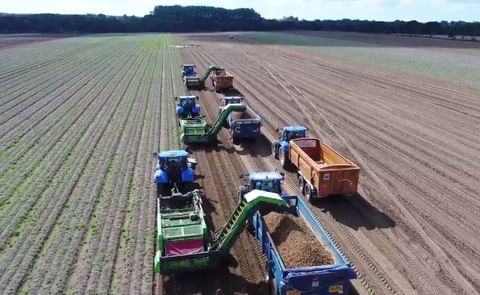
Potato Production North-western Europe up 13.5 percent compared to last year
For the current European potato harvest, the North-western-European Potato Growers (NEPG) estimate the total potato production at 27.9 million tons for the five NEPG countries (Belgium, Germany, France, The Netherlands and Great Britain). This is up 13.5 percent compared to last season.From the archive

Septiembre 17, 2017
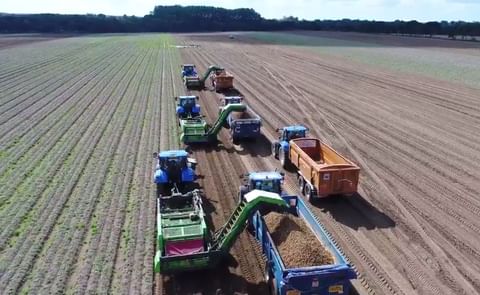
Aardappelproduktie Noord-west Europa 13.5 procent hoger dan vorig jaar
Op basis van proefrooiingen en praktijkresultaten verwacht de NEPG een totale oogst van 27,9 miljoen ton aan consumptieaardappelen in Noord-west Europa. Dat is 13,5% hoger dan vorig jaar.From the archive

Septiembre 13, 2017
And here it is! The Dewulf Torro offset harvester with bunker at Potato Europe
Dewulf now unveils Torro, its long-awaited trailed 2-row sieving potato harvester with haulm conveyor, flat hedgehog units and bunker.From the archive

Septiembre 08, 2017
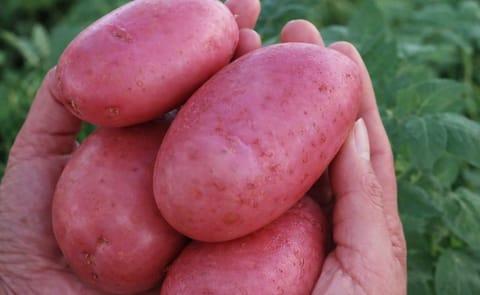
Chile: Cuarentena por nematodo dorado de la papa podría durar 15 años
Autoridades del sector agrícola, en conjunto con investigadores y productores, se mantienen en alerta por la presencia de esta plaga que afecta a los cultivos de papa en la zona sur del país. Ya son 25 los predios que se mantienen en cuarentena.From the archive

Septiembre 08, 2017
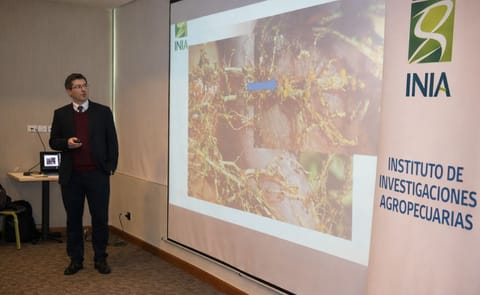
Chile: Lanzan tecnología para prevenir el nematodo dorado de la papa
INIA Remehue y Corfo presentaron una plataforma digital que asesora a los productores sobre cómo controlar el ingreso de la plaga a la zona.From the archive

Septiembre 05, 2017
Only a matter of time before the potato psyllid arrives in Eastern Australia, says researcher
Raylea Rowbottom, a researcher of the Tasmanian Institute of Agriculture says it's inevitable that the potato psyllid, a destructive insect that has threatened tomato and potato crops in Western Australia will make it to the east coast.From the archive

Contenido Patrocinado
Contenido Patrocinado
Contenido Patrocinado
Septiembre 03, 2017
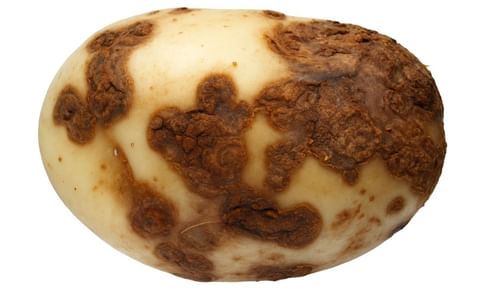
Increasing reports of widespread scab as United Kingdom potato harvest progresses
As the potato harvest in the United Kingdom progresses, there are increasing reports of widespread scab.From the archive


Septiembre 03, 2017
Cornell University to receive 400k for update of nematode research facilities
In a visit to the Nematode Quarantine laboratory at Cornell University last Friday, US Senate Minority Leader Chuck Schumer, announced a commitment of $400,000 from the USDA for the upgrades to the facilities and equipment.From the archive


Agosto 30, 2017
International Potato Center sees opportunities in Eastern Rwanda for clean potato seed production
Experts in potato breeding and research have identified Eastern Province of Rwanda as a potential alternative for clean potato seed production.From the archive


Agosto 29, 2017
Fredericton Potato Research Lab invites the public
More than 300 people stopped by Fredericton Research and Development Centre's open houseFrom the archive


Agosto 27, 2017
Idaho Potato Growers report lower yield in early Norkotah Harvest
Idaho Potato industry officials report yields are down significantly as Western Idaho growers have started with their early harvest of Russet Norkotahs for the fresh market.From the archive
Agosto 25, 2017
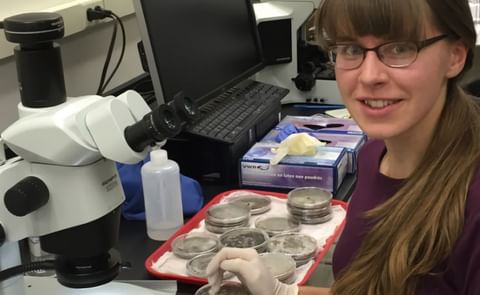
National Potato Council awards scholarship to Adrienne Gorny for nematode research
Adrienne Gorny, a fourth-year doctoral student in Plant Pathology and Plant-Microbe Biology at Cornell University, is the recipient of the 2017-2018 NPC Academic Scholarship.From the archive
Contenido Patrocinado
Agosto 24, 2017
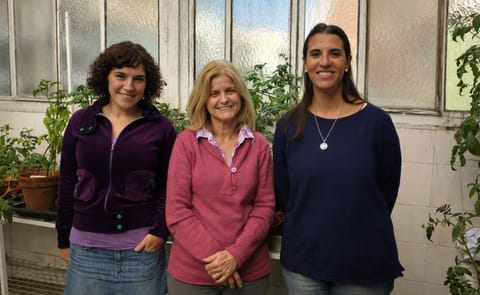
Argentina: Investigadores identifican mecanismo de defensa del cultivo de papa
El hallazgo permitiría el desarrollo de plantas resistentes al tizón tardío, una de las enfermedades más destructivas del cultivo de la papa.From the archive

Agosto 24, 2017
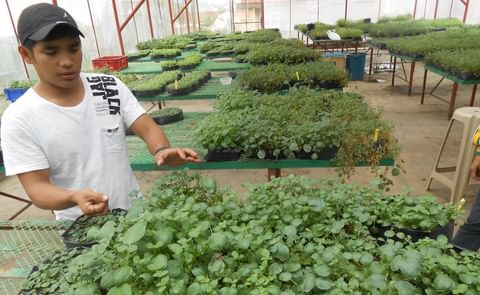
New potato varieties available for farmers in Cordillera, Phillipines
Two leading research institutions have partnered to help increase potato production in the Philippines, in order to meet the increasing demand for the cropFrom the archive

Agosto 23, 2017
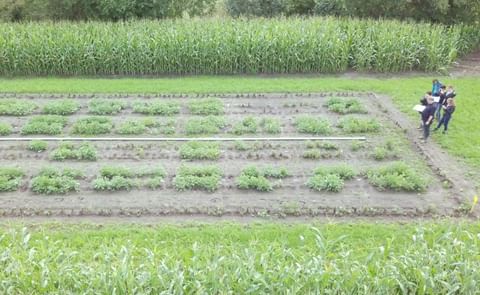
Solynta's revolutionary hybrid breeding technology protects potato from late blight by multi-resistance
The breeders of Solynta have succeeded in making potato plants insusceptible to the dreaded potato disease Phytophthora infestans, using their revolutionary hybrid breeding technique.From the archive
Agosto 22, 2017
Solynta develops a blight resistant potato variety (non-GMO)
The Dutch company Solynta has developed a potato variety that is resistant to late blight (Phytophthora Infestans). As a result, it could greatly reduce the use of pesticides in agriculture.From the archive
Agosto 12, 2017
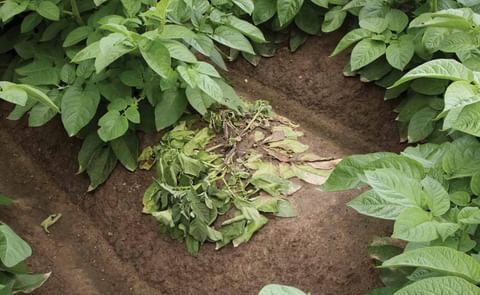
Scottish Potato Industry unites to fund major Blackleg Research project
In Scotland, a group of major potato businesses and public sector organisations have sponsored a £242,000 (USD 313,000) research project aimed at reducing the impact of potato disease blackleg on the Scottish seed potato industry.From the archive
Agosto 08, 2017
National Potato Council says the Mexican court ruling banning potato import 'Ignores Science'
The National Potato Council, representing the United States Potato Industry responds to the Mexican Court decision to block the import of US potatoes: 'Mexican Court Ruling Ignores Science'From the archive