How Potato Flakes are made!
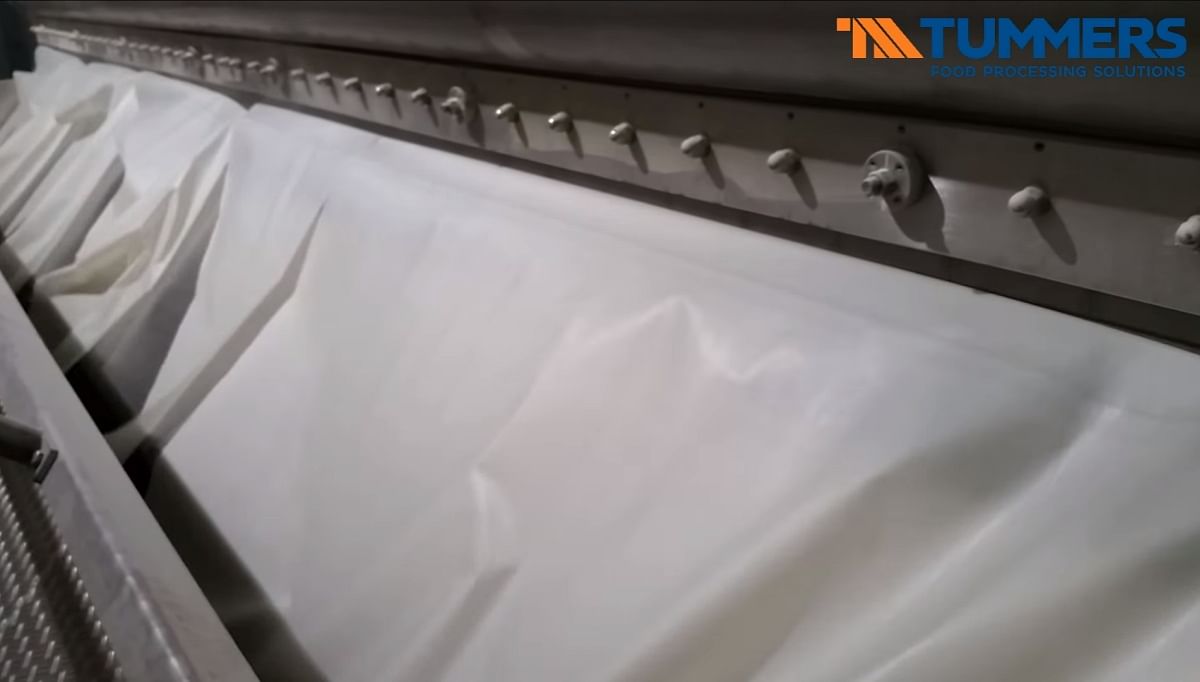
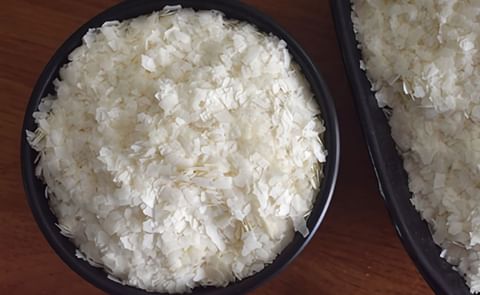
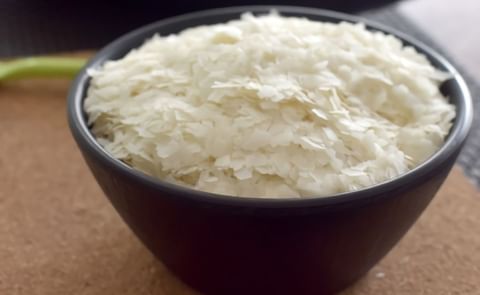
This video by Tummers Food Processing Solutions illustrates how dehydrated potato flakes are made. A 2000 kg/h flake line built by Tummers and installed in China is used to explain the various processing steps. (no sound)
Klik hier om uit te vouwen en meer te weten te komen!
This video by Tummers Food Processing Solutions illustrates how dehydrated potato flakes are made. A 2000 kg/h flake line built by Tummers and installed in China is used to explain the various processing steps. (no sound)


Dehydration is unlikely to fully replace fresh potatoes because consumer preference for fresh produce and culinary diversity remains strong. However, dehydrated products will increasingly complement fresh supply chains by stabilizing surplus production, reducing seasonal volatility and supporting food processing industries where consistency and storage stability are critical.
Dehydration reduces food waste, transportation weight and refrigeration needs, which lowers emissions across supply chains. Yet drying processes consume significant thermal energy. The sustainability balance depends on energy sources; facilities using renewable energy or heat recovery systems achieve substantially lower environmental footprints compared to conventional systems.
Processing efficiency is strongly linked to biological traits such as dry matter content and reducing sugar levels. Engineering solutions alone cannot fully compensate for unsuitable raw materials. Selecting optimal cultivars ensures predictable texture, color stability and yield, making raw material genetics as important as processing technology.
Freeze drying offers superior quality retention but remains costly due to high energy use and equipment investment. Unless technological breakthroughs significantly reduce costs, freeze drying will remain limited to premium or specialized applications rather than bulk industrial production.
Climate variability affects tuber quality, sugar accumulation, and yield consistency, directly impacting dehydration suitability. As climate stress increases, dehydration may become more important as a risk-management strategy, allowing processors to preserve surplus harvests during favorable seasons and buffer supply disruptions.
Not fundamentally. Most carbohydrates, fiber, minerals and many B vitamins remain well preserved. Losses mainly occur in heat-sensitive nutrients such as vitamin C. When rehydrated, nutritional profiles are comparable to fresh potatoes, making dehydration more of a preservation transformation than nutritional degradation.
Food manufacturers require standardized ingredients with predictable functionality. Dehydrated potatoes provide consistent starch behavior, water absorption and texture performance, enabling large-scale automation that fresh potatoes cannot reliably support due to natural variability.
Yes, particularly in regions lacking cold storage infrastructure. By converting perishable crops into shelf-stable ingredients, dehydration reduces post-harvest losses, enables long-distance distribution and supports emergency food systems and humanitarian aid programs.
Integration of smart drying systems using AI-based moisture monitoring, energy optimization, and precision airflow control could significantly reduce energy consumption while improving product quality consistency, representing the next major advancement in industrial dehydration.
Consumer acceptance increasingly depends on transparency and clean-label positioning. As awareness grows that dehydration is a physical preservation method rather than heavy processing, dehydrated potatoes may shift from being viewed as “processed foods” to sustainable, functional ingredients.