
What Are Potato Granules?
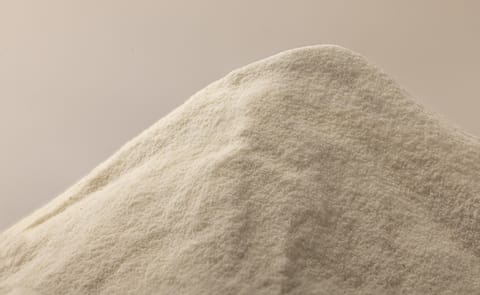
Potato granules are a dehydrated potato product consisting primarily of whole potato cells or small aggregates of cells. They differ from potato flakes (which are drum-dried) and starch (which isolates a single component) by preserving the potato's cellular structure through an air-drying process. This results in a granular, flour-like product with unique functional properties.
Production Process
- Cleaning and Peeling: Raw potatoes are first thoroughly cleaned to remove dirt, stones, and other debris. They are then peeled, often using steam or mechanical peelers, to ensure a clean raw material for processing.
- Slicing: The peeled potatoes are sliced or cut into uniform pieces, typically about 20 mm thick. This ensures even cooking and processing in subsequent steps.
- Precooking (Blanching): The potato slices are precooked in hot water or steam at around 70°C for about 20 minutes. This step helps inactivate enzymes, remove excess starch, and prepare the potatoes for further cooking.
- Cooling: After precooking, the potatoes are cooled down, often to a core temperature of about 25°C. This prevents overcooking and prepares the potatoes for the next cooking stage.
- Cooking and Mashing: The cooled potato slices are then fully cooked, usually by steaming for around 30 minutes. The cooked potatoes are mashed while still hot (not less than about 160°F/71°C) to form a smooth mash.
- Freezing and Thawing (Optional, for Improved Texture): Some processes include freezing and thawing the potato mash. This step toughens the potato cells, making them more resilient to mechanical forces during drying and granulation, which helps maintain product quality.
- Pre-drying: The mashed potatoes are pre-dried to reduce moisture content to about 25–42%. This is often done using air lift dryers or conditioning belts, which gently remove moisture while preserving cell structure.
- Granulation: The partially dried mash is then granulated, breaking it down into small, granular particles while maintaining the integrity of the potato cells.
- Final Drying: The granules undergo a final drying stage, typically using hot air or cyclone dryers, to bring the moisture content down to about 7–10%. This ensures shelf stability and prevents spoilage. Screening and Sizing: The dried granules are screened to remove any oversized particles or peel remnants. Coarser granules may be recycled back into the process, while the finished product is sorted by size.
- Packaging: The final potato granules are stored in silos and then packaged into bags or containers for distribution and sale. Proper packaging ensures product stability and ease of use in industrial or food service applications.
Key Characteristics
- Physical Properties: High absorbency, low viscosity, and minimal gelling capacity.
- Particle Size: ≥85% passes through a 60-mesh screen, with <1% discard.
- Reconstitution: Mixes at 1:4 ratio (granules:water) to yield mashed potatoes resembling fresh-cooked texture and flavor.
- Shelf Life: 12 months under cool, dry conditions (<30°C, <65% humidity).
Industrial Advantages
- Gentle Drying: Air-drying preserves cell structure better than drum-drying (used for flakes).
- Resource Efficiency: Utilizes potato byproducts (e.g., slivers from fry lines), reducing waste.
- High Yield: Minimal product loss during processing due to cell-toughening steps.
Applications
- Food Service: Base for mashed potatoes, soups, and sauces.
- Processed Foods: Binder in snacks, extruded products, and ready-to-eat meals.
- Global Cuisine: Used in croquettes, potato bread, and ethnic dishes requiring potato texture.
Differences Between Potato Granules and Potato Flakes
While both are dehydrated mashed potato products, they differ in structure, function, and usage:
- Texture: Flakes are thin and soft; granules are dense and grainy
- Hydration: Flakes hydrate more quickly; granules absorb more water gradually
- Functionality: Granules provide better control in batters and doughs; flakes are better for instant mashed preparations.
- Usage: Granules excel in food formulations requiring high water binding and minimal lumping.
Trends and Innovations
Several trends are shaping the use and development of potato granules in the global industry:
- Clean-label granules with no additives or preservatives are in demand for natural food formulations.
- Organic-certified variants are growing in popularity in premium markets.
- Customized granule sizes and hydration profiles are being developed to meet specific industry needs.
- Sustainable processing practices are gaining traction, including energy-efficient drying and by product utilization.
- Blended granule systems combining spices, starches, or plant proteins are being created for convenience and value-added products.
"Potato granules offer a unique combination of preserved cellular structure, efficient reconstitution, and versatile applications. Their production—emphasizing freezing, precise drying, and gentle granulation—ensures high-quality output with minimal waste. As a differentiated ingredient in the dehydrated potato market, granules support both traditional and innovative food products while aligning with sustainability goals through by-product utilization.."