Potato Granules: From Fresh Potatoes to Functional Dehydrated Ingredients
Potato granules are a dehydrated potato product composed primarily of intact whole potato cells or small aggregates of cells. They are produced from fresh potatoes through a process involving cooking, mashing and gentle air-drying (often using fluidized bed drying) to create a free flowing, granular, flour-like product. When rehydrated with hot water typically at a ratio of 1-part granules to 4 parts water they quickly form mashed potatoes with a light, mealy and fluffy texture that closely resembles freshly cooked potatoes.
Unlike potato flakes, which are produced by drum drying cooked potato mash into thin sheets and then milling them, potato granules are manufactured through a gentler air-drying process. Drum drying causes significant rupture of potato cells leading to higher levels of free starch, faster hydration and greater viscosity. This can sometimes result in lump formation or a stickier texture during preparation. In contrast, the gentler drying process used for potato granules preserves the structural integrity of potato cells. As a result, granules contain lower levels of free soluble starch, exhibit relatively low viscosity have reduced gelling capacity and absorb water more gradually. This controlled hydration minimizes cohesion and lump formation while maintaining high absorbency.
In appearance, potato granules resemble granular flour; however, their behavior in food formulations differs significantly. Because the cellular structure is largely preserved, they provide better functional control in applications such as batters, doughs and extruded foods. At the same time, they remain highly forgiving during rehydration consistently producing smooth mashed potatoes without excessive stickiness.
Potato granules are precooked and dehydrated in particulate form which makes them extremely versatile in both household and industrial food preparation. Their importance in modern food processing is driven by several advantages including rapid preparation without peeling or cooking, extended shelf life (typically around 12 months when stored under appropriate conditions) and consistent quality throughout the year regardless of seasonal variations in fresh potato supply. In addition, dehydration significantly reduces transportation and storage costs as granules represent approximately 70–80% less weight and volume compared to fresh potatoes.
Because of these functional and economic advantages, potato granules are widely used across the food industry. They are common in foodservice sectors such as hospitals, schools and institutional kitchens, where speed, consistency and efficiency are critical. In large scale food manufacturing, they also support clean label formulations and provide reliable texture, flavor and performance across a wide range of processed foods.
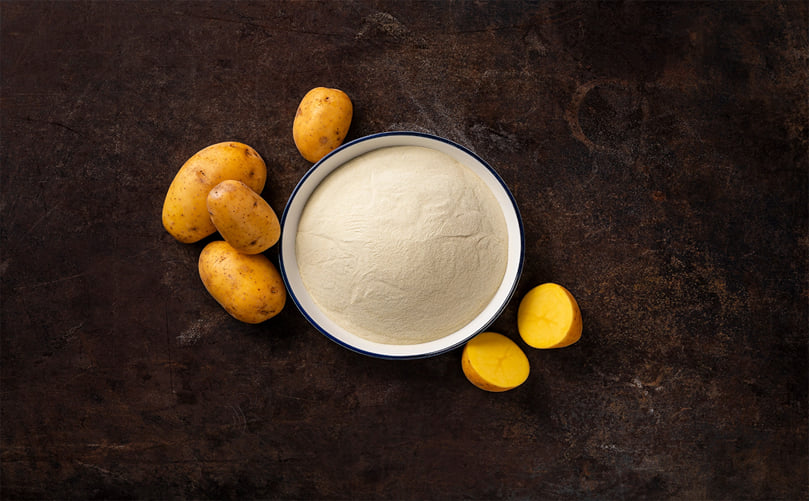
Potato Granules: From Harvest to Ready-to-Use Functional Ingredient (Source: Aviko)
Evolution of Dehydrated Potato Products: From Ancient Preservation to Modern Processing
The dehydration of potatoes has deep historical roots that trace back to the Inca civilization in the Andes Mountains, approximately 8,000–5,000 B.C. Indigenous communities developed an early preservation technique known as chuño, a naturally freeze-dried potato produced through repeated cycles of nighttime freezing and daytime thawing at high altitudes. During this process, potatoes were trampled or pressed by foot to expel moisture and then dried in the sun. This method allowed communities to store potatoes for extended periods and transport them over long distances, making chuño an essential staple in Andean food systems. Potatoes themselves originated in South America and were later introduced to Europe by Spanish explorers in the late 16th century, where they gradually became a major global food crop.
Modern industrial potato dehydration began to emerge in the early twentieth century as food preservation technologies advanced. A significant milestone occurred in 1905, when Ernest W. Cooke filed a U.S. patent (granted in 1912) describing a method of shredding, partially cooking and drying potatoes so that they could later be reconstituted without excessive starchiness or loss of palatability. Commercial production of dehydrated potato products expanded in the United States during the 1920s, particularly in Idaho, a region that later became a major center for potato processing. In 1926, the Rogers Brothers Seed Company began producing potato flour, followed by the introduction of diced dehydrated potatoes in 1940.
Large scale industrial processing accelerated during World War II, when the need for shelf stable foods increased significantly. In 1942, J. R. Simplot successfully adapted existing onion drying technology for potato dehydration, enabling mass production of dried potato products to support military food supplies. This marked a major turning point in the commercialization of dehydrated potatoes.
Potato granules were introduced commercially in 1952, when the R. T. French Company began producing them in Shelley, Idaho, primarily for instant mashed potato products. Their production relied on an innovative “add-back” or agglomeration process combined with air or fluidized-bed drying, which gently separated and preserved intact potato cells. This method differed significantly from the drum drying process later used for potato flakes, where cooked mash is dried into thin sheets before being milled, resulting in greater cell rupture and higher free starch content.
Shortly afterward, potato flakes were commercialized as another major dehydrated potato product. Research conducted by the United States Department of Agriculture (USDA) in 1953 contributed to the development of flake technology leading to the establishment of the world’s first dedicated potato flake plant in Grand Forks, North Dakota, in 1958.
Advances in dehydration technology including improved pre-treatment processes such as blanching controlled mashing, optional freeze thaw treatments to strengthen potato cells and precise moisture removal techniques transformed potatoes from a highly perishable crop into stable, shelf-stable ingredients. These technologies played an important role in supplying military rations, particularly during the Korean War era and later supported the growth of institutional foodservice, convenience foods and large-scale food manufacturing.
As a result, dehydrated potato products significantly reduced post-harvest losses, which in fresh potatoes can range from 20–40%, while enabling year-round availability of potato ingredients. Over time, this technological evolution helped shift the global potato industry from a predominantly fresh market supply toward diversified, high value processing sectors including snacks, soups, bakery products, instant foods and ready-to-eat meals.
Comprehensive Nutritional Profile of Potato Granules
Potato granules are highly concentrated in macronutrients due to dehydration, typically reducing moisture to 6–9.5%. This process preserves the core nutritional profile of fresh potatoes on a dry-matter basis while providing energy dense, shelf-stable nutrition. According to USDA Food Data Central for “Potatoes, mashed, dehydrated, granules without milk, dry form,” the approximate composition per 100 g of dry granules is:
Potato granules provide 372 kcal of energy per 100 g of dry product with 85.5 g of carbohydrates (predominantly starch), 7 g of dietary fiber, 3.5 g of sugars, 8.4 g of protein which is complete with all essential amino acids and a high biological value of approximately 90 and only 0.5 g of total fat with negligible saturated fat.
Key micronutrients include potassium (705 mg per 100 g in standard USDA data; industry analyses often report 1,000–1,500 mg/100 g depending on variety and processing), iron (≈1.1 mg), calcium (40 mg), magnesium, phosphorus and B vitamins, particularly vitamin B6. Trace amounts of vitamin C remain, although heat sensitive nutrients like vitamin C can be reduced by 20–50% during blanching, cooking and drying. Most minerals and fiber are fully preserved or concentrated 4–5 times compared with raw potatoes, which provide approximately 77 kcal, 17 g carbohydrates and 421 mg potassium per 100 g.
When rehydrated, typically at a 1:4 ratio with hot water, the nutritional density adjusts to levels comparable to home prepared mashed potatoes, supplying sustained energy, digestive support from fiber and electrolyte replenishment from potassium. Potato granules are suitable for clean-label formulations, acting as a natural source of resistant starch (which increases upon cooling) and offering gluten free nutrition. They are cholesterol-free and extremely low in fat, making them ideal for health-conscious diets and fortified food products.
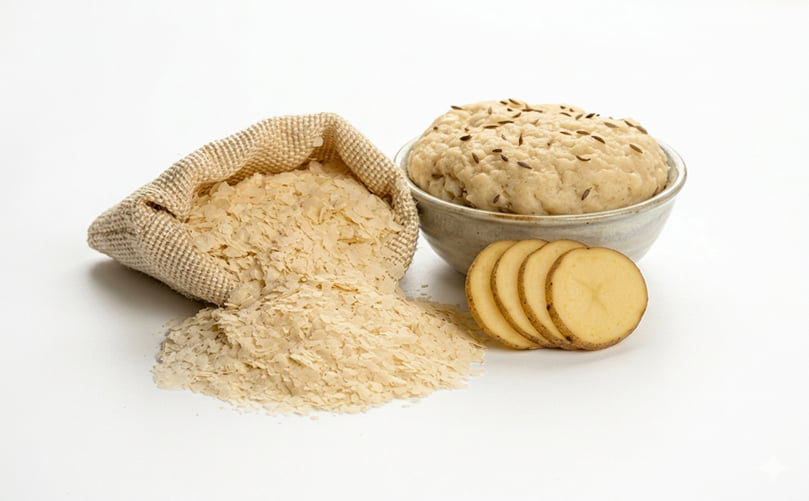
Nutritionally Dense Potato Granules
Raw Material Selection for High Quality Potato Granule Production
Selecting suitable raw potatoes is fundamental for achieving high yield, consistent product quality, desirable texture and stable color in potato granules. Processors generally prefer potato varieties with high dry matter content, typically ranging from 18–25%, which corresponds to a specific gravity of about 1.08–1.10 or higher. High dry matter content is closely related to starch levels, which often account for 60–80% of the dry matter and this contributes to the mealy, dry texture that is ideal for dehydration processes.
Potatoes with high dry matter provide several technological advantages during granule production. They allow better starch gelatinization during cooking, improve rehydration properties and produce mashed potatoes with a light and fluffy texture after reconstitution. In addition, high dry matter reduces water content in the raw material leading to higher processing yields (typically around 20–25% of fresh weight) and lower energy requirements during drying. These characteristics also improve performance in downstream food applications such as snacks, breading and processed foods, where lower oil absorption and a firmer texture are often desirable.
Another critical factor in raw material selection is the reducing sugar content of the potatoes. Ideally, reducing sugars primarily glucose and fructose should remain very low, generally below 0.1–0.3% of fresh weight (approximately 100–250 mg per 100 g). Even small increases in these sugars can trigger Maillard reactions during processing or frying, resulting in undesirable dark coloration, off-flavors and the potential formation of compounds such as acrylamide. Maintaining low sugar levels also helps ensure better color stability and flavor quality in the final dehydrated product.
Uniformity of the raw potatoes is equally important. Tubers should have consistent size and shape, which reduces trimming losses during peeling and ensures uniform cooking during processing. In addition, the raw material should possess a mild, clean potato flavor and be free from defects such as sprouting, greening, disease damage or mechanical injury. These defects can negatively affect both processing efficiency and final product quality.
Certain potato varieties are particularly suitable for granule production because of their high dry matter and stable processing characteristics. Varieties such as Russet Burbank, widely used in North America for processing and other high specific gravity cultivars such as Atlantic are commonly selected. These varieties provide the cellular structure and starch composition required for producing granules with good texture and rehydration performance. In general, russet or round white processing varieties are preferred over low dry matter potatoes that are typically used for boiling or canning.
Proper storage conditions before processing are also essential for maintaining raw material quality. Potatoes are usually stored in cool, well-ventilated facilities at temperatures between 4–10°C with controlled humidity. These conditions help prevent sprouting and reduce the risk of cold sweetening, a process in which starch is converted into reducing sugars at low temperatures. Cold sweetening can lead to discoloration and flavor problems during processing. For longer storage periods, processors may also employ sprout inhibitors and precise temperature management to maintain tuber quality.
Careful selection and handling of raw potatoes ultimately ensure that the final granules exhibit uniform particle size distribution, light color, excellent rehydration properties and high product consistency. These practices also help processors maximize production efficiency while minimizing defects such as peel specks, scorched particles or uneven granule sizes.
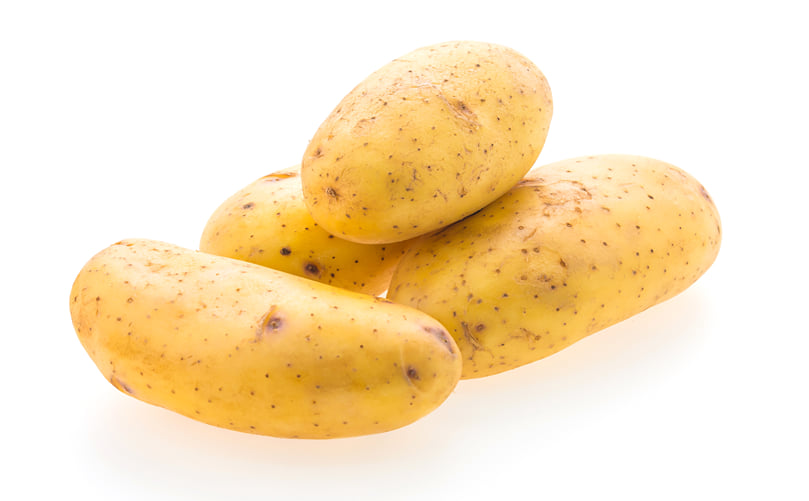
Selecting Suitable Potato Varieties for Granule Processing
Pre-Processing Operations in Potato Granule Manufacturing
Pre-processing operations play a critical role in ensuring uniform cooking, enzyme inactivation, color stability and minimal cellular damage during potato granule production. These initial steps prepare the raw potatoes for further processing while maintaining the structural integrity required for high quality granules.
The process begins with thorough washing, where potatoes are cleaned to remove soil, stones, debris and other surface contaminants. Industrial systems typically use high pressure water sprays, rotary drum washers or immersion flume systems to ensure effective cleaning before further handling.
After washing, the potatoes are peeled to remove the outer skin. The most widely used industrial method is steam peeling, which is efficient and minimizes flesh loss by rapidly loosening the skin with high pressure steam before mechanical removal. In some facilities, abrasive or mechanical peelers are also used particularly for smaller processing lines. Following peeling, the potatoes undergo trimming and inspection to remove defects such as eyes, sprouts, bruises, greening or diseased tissue. This quality control step ensures that only sound raw material proceeds to the next stage.
The peeled potatoes are then cut or sliced into uniform pieces, typically about ½ inch (approximately 12–13 mm) thick. Uniform size is essential for consistent heat penetration during cooking and for maintaining even processing conditions throughout the batch.
A crucial step in pre-processing is precooking or blanching. The potato pieces are immersed in hot water at approximately 71°C for about 20 minutes. This treatment partially gelatinizes the starch, removes excess reducing sugars and inactivates enzymes such as polyphenol oxidase, which is responsible for enzymatic browning. Blanching also helps stabilize the potato tissue and improves the overall processing quality.
Immediately after blanching, the potato slices are cooled using cold water or air until their temperature drops to about 24°C or lower. The material is then typically held for at least 20 minutes. During this holding period, amylose retrogradation occurs which helps reduce stickiness and pastiness in the final product while improving the structural integrity of the potato cells prior to full cooking.
In some cases, processors may also apply an optional sulphiting step, where peeled or cut potato pieces are soaked briefly in a sodium bisulfite solution. This treatment further inhibits enzymatic browning and contributes to maintaining the desired light color of the finished product.
Together, these pre-processing operations help remove contaminants, standardize the raw material, control sugar levels and stabilize potato tissue, thereby creating optimal conditions for producing uniform, high quality potato granules with desirable texture and color.
Industrial Manufacturing Process of Potato Granules
The manufacturing of potato granules is based on the gentle “add-back” or agglomeration process, which is specifically designed to preserve the integrity of individual potato cells. This method differs significantly from drum drying technology used in potato flake production, where extensive cell rupture occurs. By maintaining intact cells, the granule process produces a product with lower free starch content, improved texture and superior rehydration characteristics.
Following the pre-processing steps, the blanched and cooled potato pieces are subjected to complete cooking using atmospheric steam. This cooking stage typically lasts 30–50 minutes, depending on the variety and dry matter content of the potatoes. Varieties with lower solid content may require longer cooking times. The objective is to soften the potato tissue sufficiently for further processing while preserving the internal cellular structure. Once fully cooked, the potatoes still hot at temperatures above 71°C are immediately mashed or riced. Rapid processing at this stage minimizes excessive cell rupture and limits the release of free starch.
A defining stage in granule production is the add back or agglomeration step. In this process, the freshly prepared wet mash, which normally contains about 50–60% moisture is gently blended with previously dried potato granules that are recycled back into the system. In many commercial operations, approximately 85% of the potato solids are continuously recycled during this stage. The addition of recycled granules reduces the overall moisture content of the mixture to approximately 35–42%, with an optimal target of around 37%. This controlled moisture level is essential for proper granulation and cell separation.
After mixing, the material undergoes gentle conditioning and cooling, which allows partial starch retrogradation. This process strengthens the potato cell structure and improves separation of individual cells during the subsequent granulation stage. The conditioned mixture is then subjected to controlled mechanical action using equipment such as ribbon mixers or stirred bed granulators, where the material is broken into a free-flowing mass of individual potato cells and small aggregates.
The granulated product is then dried in two sequential stages to remove moisture while maintaining product quality. The first stage typically uses an air-lift dryer, which reduces the moisture content to approximately 15%. The partially dried granules are then transferred to a fluidized-bed dryer, where final drying takes place until the moisture level reaches about 6–7%, ensuring stability and extended shelf life.
Some advanced or patented production systems may incorporate an optional freeze thaw treatment after the mashing stage. In this approach, the mashed potatoes are frozen at temperatures ranging from –18°C to –40°C, then thawed under controlled conditions at 4–32°C, while maintaining the potato temperature below 10°C. The formation of ice crystals during freezing strengthens the cell walls through osmotic effects, resulting in improved cell integrity and reduced need for recycling material in the add-backstage.
During processing, small quantities of functional additives may be incorporated to improve product stability and quality. For example, monoglycerides (about 0.4–1% based on solids) may be added to improve texture and reduce stickiness, while sulfur dioxide (typically 150–250 ppm) helps maintain color stability by preventing oxidation and enzymatic browning. Antioxidants may also be used to further preserve flavor and appearance.
Overall, this carefully controlled process produces a high density, free flowing granular product with minimal free starch, stable color and excellent rehydration performance. When prepared with hot water typically at a 1:4 ratio of granules to water the product quickly reconstitutes into mashed potatoes with a light, fluffy texture similar to freshly cooked potatoes.
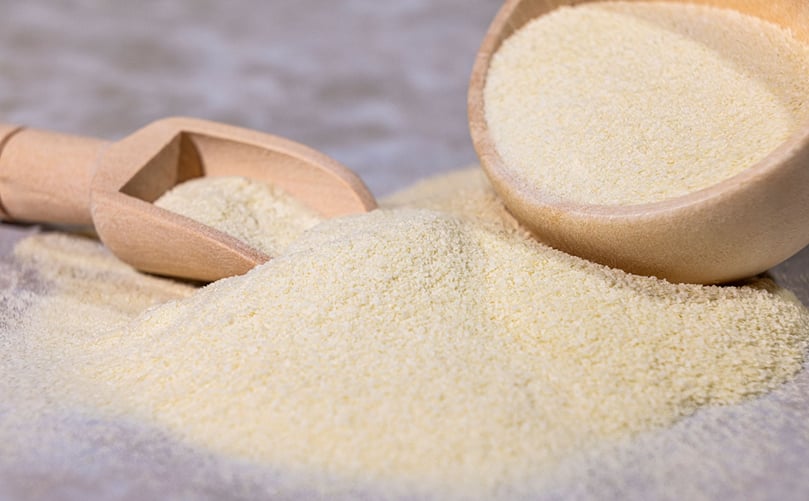
Finished Potato Granules for Food Processing Applications
Processing Technologies Used in Potato Granule Production
The production of potato granules relies on specialized drying and granulation technologies designed to preserve the integrity of potato cells. Unlike the drum drying systems used for potato flakes, which involve high shear and significant cell rupture, granule production employs gentle air-based drying methods that minimize cellular damage and reduce the release of free starch. These technologies are essential for producing granules with high bulk density, controlled viscosity and excellent rehydration properties.
Two primary drying systems are used during granule manufacturing. The first stage typically involves an air-lift dryer, which rapidly removes moisture from the granulated mixture. In this system, hot air often around 177°C is passed through the material at high velocity, reducing the moisture content from the add-back mixture to approximately 15%. This rapid initial drying stabilizes the product while maintaining the structure of individual potato cells.
The second stage uses a fluidized bed dryer, where the partially dried granules are suspended in a stream of warm air. In this fluidized state, the product behaves like a fluid, allowing uniform heat transfer and controlled moisture removal. This gentle drying step reduces the final moisture content to about 6–7%, ensuring product stability and extended shelf life while preserving the cellular structure that is essential for high quality rehydration.
Granulation itself occurs in stirred bed or fluidizing granulation systems, where precise mechanical and thermal control is required. The process typically involves high stirring speeds with linear mixing speeds reaching approximately 1,000–1,800 ft/min, combined with relatively low air velocities of about 20–60 ft/min. Operating temperatures are generally maintained between 38°C and 66°C and the material is processed for approximately 5–15 minutes. During this stage, maintaining the critical moisture range of 35–42% is essential to ensure proper separation of potato cells and formation of uniform granules.
The mixing and conditioning phases are commonly performed using equipment such as ribbon blenders or planetary mixers, often operating at around 100 revolutions per minute (rpm). These systems ensure even distribution of recycled granules during the add-back process and promote consistent moisture adjustment and conditioning.
After granulation and drying, the product undergoes screening and size classification to achieve the desired particle size distribution. Vibrating screens, typically ranging from 20 to 50 mesh are used to separate oversized particles, which are then recycled back into the process. In some facilities, air classification systems operating at air velocities of approximately 800–1,000 ft/min are also used to improve particle separation and processing efficiency.
Modern potato granule processing lines may integrate air classification during the pre-drying stage to further enhance operational efficiency. Additionally, functional additives such as emulsifiers or antioxidants are often incorporated during processing. These additives are typically emulsified and accurately dosed using high shear mixing systems to ensure uniform distribution throughout the product.
Together, these advanced processing technologies enable efficient moisture removal, excellent preservation of potato cell structure and consistent product functionality. By carefully controlling drying, mixing, granulation and classification steps, manufacturers can produce high quality potato granules with uniform particle size, stable color and reliable performance in food applications while maintaining high throughput in industrial scale production.
Quality Parameters and Standards for Commercial Potato Granules
Commercial potato granules are evaluated against stringent quality parameters to ensure functionality, shelf life, safety and consumer acceptance. Key specifications, based on USDA Commodity Specification and aligned with Commercial Item Description A-A-20032 for standard granules (Style A – Mashed) include the following:
Moisture content should not exceed 9.5%, with an ideal target range of 6–8% to ensure optimal stability and flowability. Sulfites (as SO₂) are limited to a maximum of 600 ppm and reducing sugars should not exceed 4.0%.
Although sieve analysis is not mandatory for granules (unlike certain flake styles), industry practice typically aims for a high proportion passing finer screens, historically reported at 89–99% passing 35–50 mesh to achieve a free-flowing texture. Defects such as peel fragments, black or dark-brown specks or scorched particles are minimized, often following flake-style tolerances of ≤25 pieces per 100 g sample, even if not strictly required for granules. Color should be light or off-white with minimal browning, and the flavor must exhibit a clean, natural potato taste without off notes.
Rehydration capacity is a critical quality attribute. When prepared according to label instructions (commonly a 1:4 ratio with hot water), granules must yield mashed potatoes with a typical appearance, fluffy and mealy consistency and natural flavor. Bulk density is typically high (≈56 lb/ft³), which facilitates efficient packaging and transport.
Microbial safety is maintained according to general food standards with low total plate counts and absence of pathogens, achieved through strict processing controls and proper packaging. Additional quality metrics include a low broken cell count (≤2% via microscopic testing), minimal free starch (low Blue Value Index) and freedom from lumps or hard spots.
Together, these parameters ensure consistent performance in industrial and foodservice applications while meeting USDA inspection and certification requirements. By adhering to these standards producers can guarantee high quality, reliable potato granules for both commercial and culinary use.
Commercial Grades and Applications of Potato Granules
Commercial potato granules are available in standardized grades, differentiated by particle size, color, reducing sugar content and functional properties to suit specific end uses. The primary classification follows USDA Commodity Specifications (Style A – Granules) and includes the following types:
Standard / Medium Granules (most common): These granules have a particle size of approximately 500–2,000 μm, off-white to light yellow color and reducing sugars in the range of 1.5–2.5%. They are designed for instant mashed potatoes and general foodservice reconstitution, offering high density, fast rehydration and minimal free starch.
Fine Granules: With particle sizes below 500 μm, fine granules are ideal for extruded snacks, sheeted products and formulations requiring uniform dispersion.
Coarse Granules: Larger particles are used in applications where distinct texture is desired, such as certain dumplings or specialty snack products.
Specialized / Functional Granules: These include custom blends enhanced with additives such as mono and diglycerides for texture control or sulfur dioxide and sodium acid pyrophosphate for color stability. Low reducing sugar variants (<1.0–1.2%) are optimized for frying to minimize browning and acrylamide formation. Other specialized forms include agglomerated granules (Style D per USDA specs), organic or non-GMO certified lines and color varied options (e.g., light yellow for visual appeal).
Manufacturers such as Idaho Pacific and the Emsland Group (Emgranule series) offer tailored variants with documented particle size distributions, bulk density and free starch levels. All commercial types comply with strict moisture limits (≤9.5%) and sulfite caps (≤600 ppm SO₂), ensuring shelf stability, consistent functionality and regulatory compliance.
Versatile Applications of Potato Granules in Food Processing
Potato granules are versatile, multifunctional ingredients widely used across the food industry due to their intact cell structure, high water binding capacity, low viscosity and clean potato flavor. Their key applications include:
Instant Mashed Potatoes & Foodservice: This is the primary use, where granules are rehydrated with hot water or milk to produce institutional, restaurant and retail products. They deliver a fluffy, mealy texture without lumps.
Snack Foods: Granules are incorporated into extruded (direct expanded) pellets, sheeted or baked snacks and fried products. They provide expansion, crispiness and structure, particularly when fine granules are used. Potato-based crisps, sticks and puffs often contain 5–30% granules.
Bakery Products: Used in breads, rolls, cakes and gluten free formulations, granules act as moisture retainers, anti-staling agents and texture enhancers. They improve crumb softness and shelf life and can replace or extend gluten in clean-label baking.
Soups, Sauces, Gravies & Ready Meals: Granules serve as thickeners and stabilizers (typically 4–5% usage), creating creamy mouthfeel and sheen in soups, stews and gravies, while binding moisture in frozen or retorted meals.
Meat, Poultry & Plant-Based Products: Granules function as excellent binders and extenders (3–5% in meatballs, meatloaf, patties or vegan burgers). They can replace breadcrumbs for gluten free binding help retain juiciness, reduce cooking loss and are used in sausages, croquettes and meat analogues.
Other Uses: Granules are employed for breading or coating fish, meat and vegetables; as fillers in pet foods; in potato dumplings, gnocchi, pasta fillings and ethnic dishes; and as thickeners in confectionery or dairy analogs.
The low free starch profile of granules prevents stickiness during processing, while their gradual rehydration allows precise control on high-speed production lines. Potato granules are especially valued in gluten free, clean label and cost optimized formulations, often outperforming flakes in extrusion and sheeting applications.
These applications integrate current USDA-sourced nutritional data, manufacturer specifications and industry usage examples, ensuring accuracy and comprehensive coverage of commercial functionality.
Benefits of Using Potato Granules in Industrial and Foodservice Applications
Potato granules offer numerous advantages over both fresh potatoes and other dehydrated forms, such as potato flakes, making them a preferred ingredient in industrial and foodservice applications. Compared to fresh potatoes, granules provide a dramatically extended shelf life of at least 12 months often longer under proper storage conditions eliminating spoilage, sprouting and seasonal availability issues while reducing post-harvest losses. Their low moisture content (typically 6–9.5%) reduces weight and volume by 70–80%, significantly lowering transportation and storage costs as well as refrigeration requirements. Preparation is fast and labor efficient requiring no peeling, washing, cooking or mashing and allows instant reconstitution with hot water or milk at a 1:4 ratio, ideal for mass feeding, institutional kitchens and quick service operations.
In comparison to potato flakes, which are drum dried and exhibit higher cell rupture and free starch content, granules preserve nearly intact potato cells through gentle air or fluidized bed drying and the add-back process. This ensures superior texture stability, producing fluffy, mealy, non-sticky mashed potatoes with minimal lumping during rehydration. Granules also offer controlled water absorption, lower viscosity, reduced gelling and an intense natural potato flavor and aroma with very low free starch content.
Granules are highly user friendly in high shear or high moisture industrial processes, such as extrusion, sheeting or bakery formulations. They provide excellent dispersibility and act as reliable thickeners, binders, and moisture retainers without causing excessive stickiness. Additional benefits include consistent year-round quality, reduced processing waste, clean label compatibility (gluten free and low fat) and enhanced yield in end products.
Furthermore, potato granules support sustainability by enabling efficient use of potato surpluses and reducing energy and logistics footprints compared to fresh supply chains. These attributes make granules especially valuable for scalable, cost effective and high quality food manufacturing.
Ensuring Quality: Storage and Packaging of Potato Granules
Proper storage and packaging are essential to maintain low moisture content, prevent premature rehydration and preserve the color, flavor, texture and functional properties of potato granules. According to USDA Commodity Specifications and Commercial Item Description (CID) A-A-20032, dehydrated potato granules including Style A must have a minimum shelf life of 12 months from the date of production or packaging, unless otherwise specified.
Products are packed in new commercially acceptable primary containers that are moisture proof and clearly code marked for traceability, such as lot codes linking to inspection certificates. Common packaging formats include multiwall paper bags (e.g., Pinch Bottom Open Mouth style, typically 20 kg for bulk use) or polybags that are effectively sealed.
Primary packages are then placed in new corrugated fiberboard shipping cases suitable for common carriers. Flaps are fully glued or sealed with clear tape extending at least 2 inches down the sides. For polybag packed products, cases must meet specific bursting strength requirements (e.g., 175 psi B-flute with dividers or 275 psi C-flute). Cases must also carry required markings, recycling statements (“Please Recycle”) and UPC codes where applicable. Commercial brand labeling is permitted if it complies with FDA regulations; non-commercial labels follow strict USDA exhibit formats.
Palletization follows precise standards: products are stacked on 48 × 40-inch, non-reversible, flush-stringer, partial four-way entry pallets made of new hardwood or equivalent materials with damaged pallets repaired or rejected. Cases are unitized using stretch wrapping or “lock ’n pop” techniques to prevent shifting during transport. All packaging is designed to protect the product from moisture, environmental exposure and contamination throughout the distribution chain.
Storage conditions should be cool and dry, typically between 10–21°C with relative humidity below 65% in a clean, pest-free environment away from walls, chemicals, fuels or incompatible materials. Facilities must adhere to sanitation SOPs including regular inspections, temperature and humidity monitoring and integrated pest management programs. Proper storage and handling extend shelf life, prevent clumping, browning and microbial growth and ensure compliance with USDA and FDA guidelines for food safety and traceability.
Challenges and Limitations in Potato Granule Production
Despite their numerous advantages the production of potato granules faces several technical, economic and supply chain challenges. One primary issue is raw material variability: potatoes must have consistently high dry matter (18–25%) and very low reducing sugars (<0.1–0.3%). However, seasonal supply fluctuations, climate impacts and inadequate storage can lead to cold sweetening, sprouting or uneven tuber size and shape, increasing trimming losses and affecting yield, color and overall quality.
Enzymatic browning and Maillard reactions also require precise control through blanching, sulfiting and the use of additives. Even minor sugar accumulation can cause defects such as dark specks or acrylamide formation, particularly in fried applications.
The manufacturing process is energy-intensive, especially during drying stages such as air lift and fluidized bed drying and it involves significant water use during peeling and blanching. Achieving uniform drying without cell damage or hard spots demands tight moisture control typically in the 35–42% range during add-back and granulation. Improper conditions or excessive shear can increase free starch, cause stickiness and compromise rehydration performance. Maintaining the delicate “add-back” recycling loop, which can involve up to 85% of dry granules, while preserving intact potato cells, is technically complex and highly sensitive to equipment variations.
Economic challenges include high capital investment in specialized gentle-drying lines, which are more expensive than conventional drum dryers used for flakes and vulnerability to market volatility from fluctuating input costs or global trade dynamics. In developing regions, infrastructure gaps further exacerbate production challenges. Although innovations such as AI-monitored dryers and pulsed electric field technology help mitigate some limitations, achieving consistent quality, efficiency and cost effectiveness remains an ongoing challenge for potato granule manufacturers.
Ensuring Food Safety and Quality in Potato Granule Production
Potato granule production follows stringent food safety and quality protocols under Current Good Manufacturing Practices (CGMP, 21 CFR Part 117), Hazard Analysis and Risk-Based Preventive Controls (HARPC) and voluntary HACCP principles, complemented by USDA and FDA commodity-specific guidelines. Facilities implement comprehensive food safety plans with detailed SOPs and SSOPs covering sanitation, worker hygiene, pest control, water quality and full traceability (one-step forward and backward).
Critical control measures include blanching for enzyme inactivation, microbial monitoring to ensure low total plate counts and the absence of pathogens and environmental assessments to prevent contamination from raw potatoes, equipment, air or personnel.
Quality verification is achieved through USDA inspection (performed within 12 months prior to shipment) and analytical testing by USDA laboratories or approved third-party labs. Key parameters include moisture content (≤9.0%, or ≤9.5% in some specifications), sulfites (≤600 ppm as SO₂), reducing sugars (≤4.0% dry basis) and defect counts (e.g., ≤80 black or dark-brown specks >1.0 mm per sample, with lot averages often tighter). Rehydrated granules must produce mashed potatoes with proper appearance, consistency and flavor according to label directions. Additional quality checks assess color, free starch index, bulk density and microbial safety.
Integrated pest management programs documented with logs, traps and non-bait indoor devices combined with facility sanitation protocols including annual pre-season deep cleaning and scheduled master plans, ensure a hygienic production environment. Employee training in personal hygiene and illness exclusion is mandatory. Traceability records, supplier verification and recall plans allow rapid response in the event of issues.
Compliance with FDA food security guidance and international standards (where applicable for exports) ensures that the final product meets both commercial and institutional requirements for safety and wholesomeness. The system is further reinforced through regular self-audits, third-party verification and documented corrective actions, providing a robust framework for food safety and quality control.
Global Market and Industry Importance of Potato Granules
The global dehydrated potato products market which includes potato granules, flakes, powders, dices and shreds continues to expand rapidly due to growing demand for convenience foods, shelf stable ingredients and ready-to-eat (RTE) products. According to the latest 2026 analysis, the market was valued at USD 8.26 billion in 2025 and is projected to reach USD 8.84 billion in 2026 with further growth expected to USD 15.76 billion by 2034, representing a compound annual growth rate (CAGR) of 7.49%.
The Asia Pacific region dominates the market, accounting for a 63.23% share in 2025 (approximately USD 5.22 billion, rising to USD 5.67 billion in 2026), driven by high potato production, rapid urbanization, rising disposable incomes and strong demand in China (projected USD 2.93 billion by 2026) and India (USD 1.27 billion by 2026). North America holds about 5.42% of the market, while Europe accounts for 21.95%, with the U.S. market expected to reach USD 958.22 million by 2032.
Potato granules represent a high value segment within this market, valued alongside flakes for their superior rehydration properties and use in industrial formulations. The broader granules and flakes category is forecast to approach USD 12.5 billion by 2033, growing at a CAGR of approximately 5.8%.
The industry’s significance lies in supporting food manufacturers, quick service restaurants, hotels, institutions (including hospitals, schools and the military) and export markets. Potato granules enable consistent year-round supply, reduce logistics costs and serve as reliable thickeners, binders and texture enhancers in snacks, bakery items, soups, sauces, meat analogues and gluten free products. Foodservice channels account for over 75% of distribution, fueled by demand for instant mashed potatoes and processed foods.
Key industry players include McCain Foods, Basic American Foods, Lamb Weston, Idahoan Foods and the Emsland Group, which specializes in clean-label granules and is expanding capacity in Asia. Market growth is further propelled by plant-based dietary trends increasing consumption of RTE meals and the need for stable, shelf-stable ingredients amid climate driven volatility in fresh potato supply.
Sustainability and Processing Efficiency in Potato Granule Production
Modern potato granule processing industries are increasingly adopting circular economy practices to minimize environmental impact while improving operational efficiency. Dehydration significantly reduces post-harvest losses often by 20-40% and lowers transportation related emissions compared with fresh potatoes.
Key advancements include water recycling systems, which treat and reuse wastewater from washing, peeling and blanching via membrane filtration or advanced treatment for irrigation or process reuse. Rainwater harvesting and precision irrigation further reduce freshwater consumption. Energy use, particularly during drying stages, is mitigated through energy efficient machinery, regular energy audits, integration of renewable energy sources (such as solar and wind) and optimized air-lift and fluidized-bed dryers with precise humidity control.
By-product utilization is central to sustainability in granule production. Peels, pulp, mash and process water are valorized through anaerobic digestion to produce biogas, yielding 300–400 L CH₄ per kg of volatile solids with 50–70% methane content and a heating value of 16–28 MJ/m³, reducing landfill waste and greenhouse gas emissions. Potato peels are further utilized for high value nutraceuticals providing phenolics and flavonoids (8–20 mg/g dry weight via green extraction) for antioxidant and pharmaceutical applications. Other uses include animal feed (replacing up to 50% of traditional rations), organic fertilizers through composting or vermicomposting (rich in NPK) and industrial enzyme production (e.g., α-amylase via solid-state fermentation). Packaging materials, such as cardboard are recycled and composting programs help close material loops.
These sustainability measures lower energy and water footprints, support zero waste biorefineries and enhance profitability, all while maintaining high quality potato granule output. By integrating circular economy practices with efficient processing, the industry aligns with global sustainability goals and promotes environmentally responsible, cost-effective production.
Future Trends and Innovations in Potato Granule Production
The potato granule sector is poised for significant transformation through next generation drying technologies and smart digital solutions that enhance efficiency, quality and sustainability. Emerging drying methods include microwave drying, which uses volumetric heating for faster moisture removal and improved nutrient retention; infrared drying, offering rapid surface heating with reduced energy consumption; ultrasound assisted drying, leveraging cavitation to enhance mass transfer in starchy products and osmotic pre-treatments. Hybrid systems, such as microwave infrared or ultrasound assisted drying, optimize drying kinetics, lower energy usage compared to conventional convective methods and preserve cell integrity, texture and bioactive compounds making them particularly suitable for granules. Pulsed electric field (PEF) pre-treatment is gaining adoption for cell softening, faster processing, lower energy consumption during drying and improved rehydration properties.
Smart technologies are increasingly integrated into granule production, incorporating AI, IoT sensors, real time monitoring, predictive modeling and digital twins. These innovations enable adaptive process control, minimize over drying, defects and waste and ensure uniform granule size and quality. Precision moisture management during the critical add-back phase is now possible, supporting scalable and high-speed industrial lines.
Additional trends focus on enhanced functionality including protein fortified granules for health-focused and plant-based products, improved gluten-free performance and integration with extrusion or snack lines to produce high expansion crisps and meat analogues. Consumer and regulatory demands are driving the development of clean label, organic and low acrylamide variants, achieved through the use of low sugar varieties and optimized processing conditions.
Overall, these advancements promise significant benefits including energy savings of up to 30–50% with hybrid systems, superior retention of nutrition and bio-actives, reduced environmental footprint and expanded application in convenience foods, functional foods and specialized industrial formulations through 2030 and beyond.