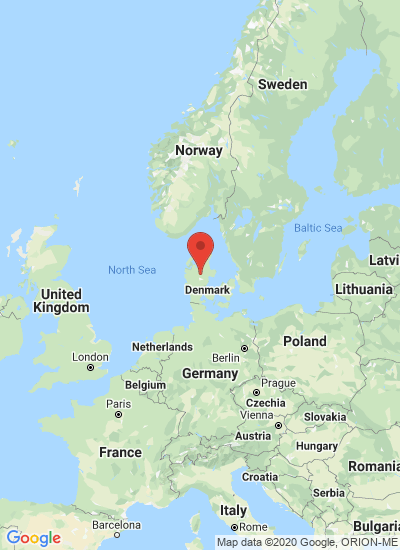

Denmark is to introduce one of the world’s first-ever “fat taxes,” in a pioneering move to slim the country’s waistlines and combat heart disease.
From this Saturday, the price of a pack of butter will soar by 50 cents, a bag of potato chips by 12 cents, and a pound of ground beef by 20 cents, as the government levies the new tax of 2.50 euros per kilogram ($1.60 per pound) of saturated fat.
“There’s never been a tax on fats like this,” said Dr. Jorgen Dejgard Jensen at Copenhagen University, whose institute proposed the tax. “We will gain some very useful insights during the next year or two about whether it is changing consumption patterns, and also regarding the feasibility of implementing such a tax.”
Denmark already taxes at 66 cents per kilogram the sugar that goes into its famed cinnamon pastries. It even has a tax on ice cream at 15 cents a liter.
Denmark institutes fat tax
Like to receive news like this by email? Join and Subscribe!
Get the latest potato industry news straight to your WhatsApp. Join the PotatoPro WhatsApp Community!
Gerelateerd nieuws

juli 30, 2026
The Potato Project opens first flagship gourmet potato restaurant in Mumbai
The Potato Project will open its first flagship outlet in Mumbai on 31 July, introducing a gourmet potato-focused QSR concept. Built around white potato, purple potato and yam, the brand plans to expand across India and into international markets.

juni 17, 2026
España: un análisis agronómico sobre el futuro del campo español
El futuro del campo español depende de una transformación estructural basada en relevo generacional, tecnificación, sostenibilidad, inversión productiva, formación especializada e infraestructuras que permitan convertir al agro en un sector competitivo, innovador y rentable.

april 21, 2026
España: refuerzo al control fronterizo agroalimentario con más inspecciones físicas
El gobierno destaca que la reorganización de los controles fronterizos permitió aumentar un 7,5% las inspecciones físicas a productos agroalimentarios en un año, reforzando la vigilancia sobre importaciones y exportaciones en un contexto de mayor flujo comercial.