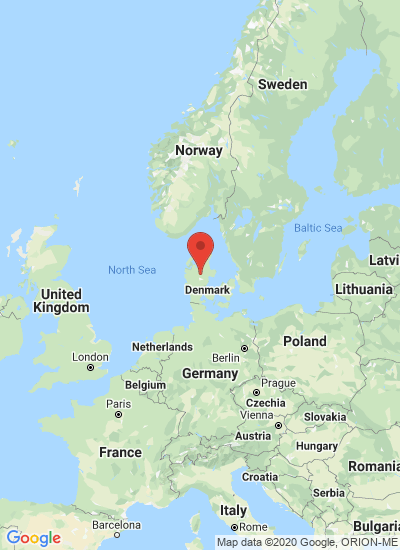

Denmark is to introduce one of the world’s first-ever “fat taxes,” in a pioneering move to slim the country’s waistlines and combat heart disease.
From this Saturday, the price of a pack of butter will soar by 50 cents, a bag of potato chips by 12 cents, and a pound of ground beef by 20 cents, as the government levies the new tax of 2.50 euros per kilogram ($1.60 per pound) of saturated fat.
“There’s never been a tax on fats like this,” said Dr. Jorgen Dejgard Jensen at Copenhagen University, whose institute proposed the tax. “We will gain some very useful insights during the next year or two about whether it is changing consumption patterns, and also regarding the feasibility of implementing such a tax.”
Denmark already taxes at 66 cents per kilogram the sugar that goes into its famed cinnamon pastries. It even has a tax on ice cream at 15 cents a liter.
Denmark institutes fat tax
Like to receive news like this by email? Join and Subscribe!
Get the latest potato industry news straight to your WhatsApp. Join the PotatoPro WhatsApp Community!
Related News

September 15, 2026
Survey Finds Americans Increasingly Turn to Food Delivery and Grocery Convenience Services
A FinanceBuzz and Bank of America survey finds 63 percent of Americans use food delivery monthly, while high fees influence ordering decisions, with 68 percent abandoning a delivery order after seeing the final cost.

September 06, 2026
FAO Food Price Index rises in August amid broad-based increases, led by sugar
The FAO Food Price Index averaged 131.1 points in July 2026, up 0.7 points from its June level. Increases in the price indices for cereals, sugar and vegetable oils were partially offset by declines in those for meat and dairy products.

August 07, 2026
FAO Food Price Index edges higher in July on stronger crop prices
The FAO Food Price Index averaged 131.1 points in July 2026, up 0.7 points from its June level. Increases in the price indices for cereals, sugar and vegetable oils were partially offset by declines in those for meat and dairy products.