
North Carolina
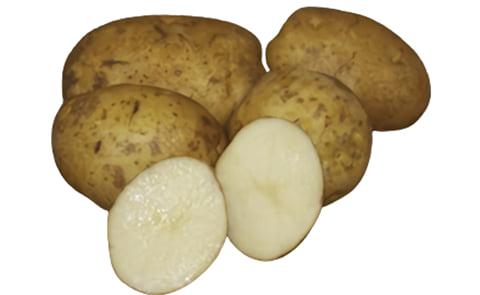
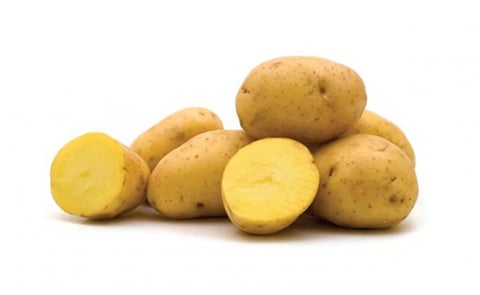
North Carolina has a long and diverse potato-growing tradition, with both Irish potatoes (Solanum tuberosum) and sweetpotatoes (Ipomoea batatas) playing important roles in the state's agricultural economy. For Irish potatoes, commercial production is concentrated mainly in the eastern and northeastern Coastal Plain, where sandy, well-drained soils, a warm climate, and access to Atlantic markets support early-season production. The northeastern Albemarle region is particularly important for Irish potatoes; Pasquotank, Currituck, Camden and surrounding counties form one of the state's major production areas. North Carolina legislation has noted that roughly 12,000 of the state's more than 17,000 acres of Irish potatoes were historically concentrated in the Albemarle region.
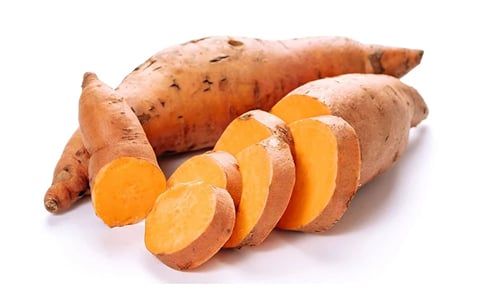
North Carolina is even more prominent internationally and nationally for sweetpotato production. The crop is concentrated across the Coastal Plain and parts of the Piedmont, where fertile, well-drained soils and a warm, humid growing season are particularly favorable. Sampson, Johnston, Wilson and Nash counties are among the leading production areas. North Carolina has ranked as the leading U.S. sweetpotato-producing state since 1971 and currently supplies around 60% of U.S. production. Modern production is supported by specialized harvesting, curing, grading, packaging and long-term storage systems, allowing North Carolina sweetpotatoes to reach domestic and international markets throughout the year.
The state's potato sector combines traditional farming with significant research and breeding activity. North Carolina State University has contributed to variety development, production technology, pest management, storage and postharvest handling. The release of Covington sweetpotato in 2005 was particularly important: it rapidly became the dominant variety in North Carolina because of its attractive market appearance and reliable production, helping expand the state's industry. For Irish potatoes, the eastern Coastal Plain remains associated with early-market production and processing, including potatoes grown for chipping. Thus, North Carolina's importance in the potato sector comes from two complementary industries: a historically significant Irish potato industry and a nationally dominant sweetpotato industry.
Potato cultivation in North Carolina developed alongside the state's broader truck-farming economy. By the late nineteenth and early twentieth centuries, Irish potatoes had become an important commercial crop in the Coastal Plain. Historical accounts describe northeastern counties such as Pasquotank, Beaufort, Currituck, Carteret, Craven, Wayne and Pamlico as important early-potato producers, with the region's climate and soils allowing growers to place potatoes on the market between major production areas farther south and north. By the early twentieth century, potato farming and packing had become closely connected with rural communities and regional markets.
Sweetpotatoes followed an even stronger trajectory. They were grown in North Carolina for centuries as a food crop, but commercial production expanded substantially during the twentieth century. Research, Cooperative Extension and improved varieties helped increase yields and quality, while the decline of tobacco later encouraged many eastern North Carolina farmers to expand sweetpotato acreage. In the 1980s and 1990s, improvements in curing and storage helped transform sweetpotatoes from a strongly seasonal crop into a year-round commercial commodity. NC State research on modern storage systems and the development of Covington further strengthened the industry. Today, North Carolina remains one of the world's most important sweetpotato-producing regions and a significant U.S. center for potato research, production, processing and marketing.