Colombia
Colombia has a long-established potato industry concentrated mainly in the cool, high-altitude Andean regions. Potato production is distributed across several departments, with the principal production areas including Cundinamarca, Boyacá, Nariño and Antioquia. The crop is particularly important for mountain farming communities, where altitude and relatively cool temperatures provide suitable conditions for potato cultivation. Studies by AGROSAVIA describe Cundinamarca and Boyacá as major production areas, while Nariño is particularly important for potato production in southwestern Colombia.
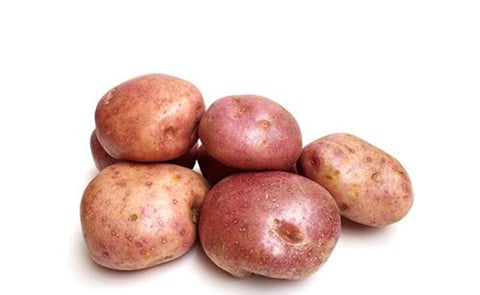
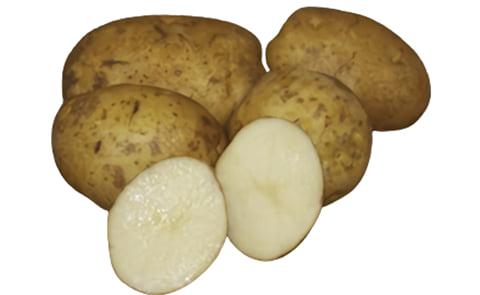
Colombia's potato production includes both improved commercial cultivars and native or regional potatoes adapted to different elevations and production environments. Important cultivars include Parda Pastusa, Pastusa Suprema, Superior, Diacol Capiro, Betina, Rubí and Tuquerreña, while the yellow-skinned papa criolla group is also an important part of the country's potato sector. Diacol Capiro has particular importance for industrial processing, while Pastusa Suprema and Superior have been widely adopted for fresh consumption in the main highland production areas.
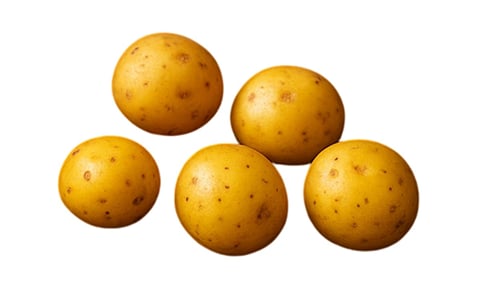
Colombia is also an important center for the production and commercialization of potatoes belonging to the Phureja group, commonly known as papa criolla. These potatoes are generally cultivated at approximately 2,200–3,200 m above sea level, with Nariño and parts of Boyacá recognized as important centers of diversity. Criolla Colombia and other cultivars such as Criolla Galeras, Criolla Guaneña, Criolla Paisa, Criolla Latina, Criolla Dorada and Criolla Ocarina are grown for fresh consumption and specialized markets, including processed and export products. Nariño has also been an important location for the development and evaluation of new criolla cultivars such as Agrosavia Estrella.
Potato cultivation in Colombia is part of the wider Andean history of potato domestication and agriculture. Native potatoes were cultivated by Indigenous communities in the Andean highlands before European colonization, with regional populations developing potatoes adapted to different elevations and local environments. This heritage remains visible in Colombia's diversity of native and regional cultivars, including Tuquerreña and several types of papa criolla. Historical agricultural research has documented numerous native and improved varieties adapted to different Colombian production zones.
During the 20th century, formal potato breeding and varietal development expanded through Colombian agricultural institutions, including the Instituto Colombiano Agropecuario (ICA) and later AGROSAVIA. Improved cultivars such as Parda Pastusa, Diacol Capiro and several ICA varieties became established in commercial production, while breeding and selection continued for fresh consumption, processing and regional adaptation. In more recent decades, research has also focused on improving papa criolla cultivars for yield, disease tolerance, culinary quality and processing, contributing to the diversification of Colombia's potato sector.