

Compelling Introduction: Fish Jerky as a Sustainable Protein Snack
Fish jerky is a dehydrated, seasoned snack made from fish fillets preserved through drying, curing or smoking. This process produces a chewy, portable protein source with concentrated flavors and extended shelf life. Rooted in ancient preservation techniques, fish jerky transforms fresh fish into a lightweight, nutrient dense food that is ideal for on-the-go consumption.
In recent years, fish jerky has gained significant popularity due to growing consumer demand for high protein, low carbohydrate snacks that align with health-conscious lifestyles. The rise of fitness focused dietary trends such as keto and paleo has accelerated interest in alternatives to traditional meat-based jerkies. Fish jerky stands out by offering unique nutritional advantages, particularly omega-3 fatty acids which support heart and brain health. At the same time, the global expansion of the protein snack market driven by busy urban lifestyles and the need for convenient, portable foods has pushed fish jerky into mainstream retail and online platforms. Continuous innovation in flavors, packaging and sustainable sourcing has further strengthened its appeal among environmentally aware consumers.
Compared to fresh fish, fish jerky undergoes dehydration that removes most of its moisture, significantly extending shelf life often up to a year when properly stored while intensifying its natural umami flavor. Unlike fresh fish, which requires refrigeration and prompt consumption, fish jerky is ready to eat and does not require cooking. When compared with other seafood snacks such as dried shrimp or calamari chips, fish jerky is typically available in larger strips or chunks with bold seasonings, offering a meatier, chewier texture rather than a crispy or brittle bite. It is also generally lower in calories and fat than oil packed canned fish or battered seafood snacks.
A particularly strong appeal of fish jerky lies in its sustainability. It is often produced from abundant fish species, by catch or underutilized cuts, helping reduce food waste within the seafood industry. As a result, fish jerky represents an eco-friendly protein choice that supports ocean health while delivering convenience, nutrition and flavor making it a smart option for both consumers and the planet.
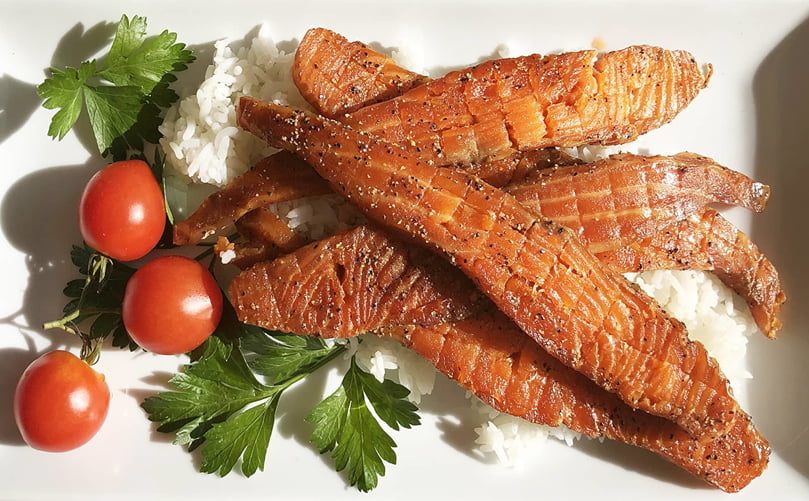
Fish Jerky: A Sustainable Protein Snack
What Is Fish Jerky?
In simple terms, fish jerky is fresh fish that has been sliced, seasoned and dried to remove moisture, creating a chewy, flavorful snack that's preserved naturally without refrigeration. This process concentrates the fish's natural proteins and flavors, turning it into a lightweight, portable food similar to beef jerky but with a seafood twist.
The production of fish jerky typically involves several methods: drying, which uses low heat or air circulation to evaporate water; curing, where salt or brines draw out moisture and add flavor; and smoking, which infuses a smoky taste while further preserving the fish through antimicrobial compounds in the smoke. These techniques can be combined for instance, marinating in a salty sweet brine before air drying or cold smoking over woods like alder or cherry.
Common fish species used include salmon, prized for its rich, oily texture and omega-3 content; tuna, especially ahi or yellowfin, for its firm, mild flavor; cod, which offers a lean, flaky base ideal for lighter jerkies; tilapia, a budget friendly option with a neutral taste that absorbs seasonings well; and mahi-mahi, known for its dense, meaty flesh that holds up to dehydration without becoming overly tough.
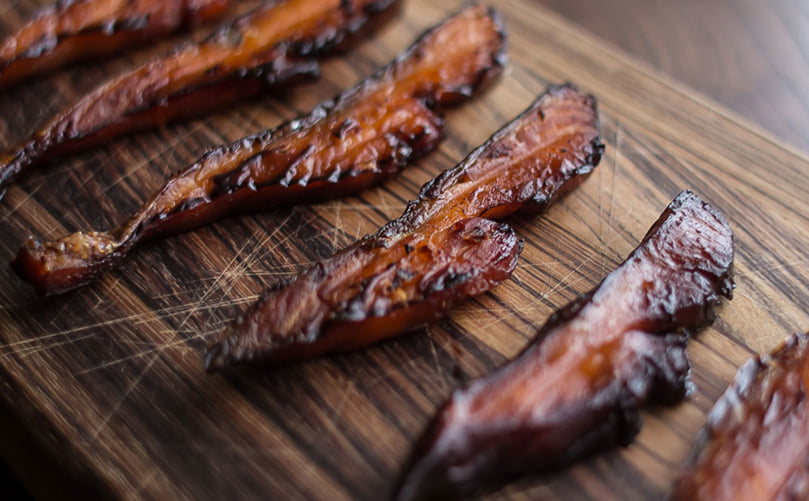
Dehydrated Fish Jerky Strips Ready for Consumption
Origins of Fish Jerky: From Ancient Preservation to Modern Snack
Fish jerky traces its roots to ancient drying practices developed by indigenous and coastal communities around the world, where preserving abundant fish catches was essential for survival during lean seasons and long journeys. In North America, Native American tribes living near rivers and coastlines traditionally sun-dried fish such as salmon and cod on wooden racks, creating lightweight, portable provisions that could last through harsh winters. Similarly, Vikings and Norse seafarers in Nordic regions relied on stockfish wind dried cod hung on wooden frames and exposed to cold sea air a method that preserved fish for months without the use of salt.
Over time, these traditional preservation techniques evolved into what is now recognized as modern fish jerky. During the 19th century, advances in commercial drying and smoking methods allowed for greater consistency, longer shelf life and improved food safety. Spices, marinades and controlled smoking processes were gradually introduced to enhance flavor and appeal. The term “jerky” originates from the Quechua word “ch’arki,” meaning dried meat which was adopted by Spanish conquistadors and later broadened in the Americas to describe dried fish as well.
Fish jerky also holds strong cultural significance across many regions. In Asia particularly in Japan and China traditional dried fish products such as tai no mirin-boshi (mirin marinated sea bream) and tea smoked fish reflect centuries old methods of preserving seafood for trade, ceremonial use and daily consumption. In Nordic countries, stockfish remains a culinary staple, often rehydrated and cooked, symbolizing a deep-rooted seafaring heritage. Across coastal regions of Africa and the Pacific, including South Africa’s bokkoms (salted, sun-dried mullet), fish jerky continues to play a vital role in food security and local economies. These low technology, sustainable drying practices have been passed down through generations, underscoring fish jerky’s enduring importance as both a cultural and nutritional resource.
How Fish Jerky Is Made: From Fresh Catch to Ready to Eat Snack
The production of fish jerky combines ancient preservation techniques with modern food safety practices, varying between homemade and industrial scales. The goal is to reduce moisture content to below 20% to inhibit bacterial growth, while infusing flavor and ensuring tenderness. Below is a detailed step by step process, including variations.
Fish Selection and Quality: Start with fresh, high quality, lean or semi oily fishlike salmon, tuna, trout or cod to minimize rancidity risks. Wild caught is preferred for flavor and sustainability but farmed options like tilapia work for milder tastes. Inspect for freshness (bright eyes, firm flesh, no off odors). For safety, freeze fish at -18°C or below for at least 30 days to kill parasites, especially for raw consumed species like salmon. In industrial settings, fish is sourced in bulk, often pre frozen and tested for contaminants.
Filleting and Slicing: Remove skin, bones (using needle nose pliers for pin bones in salmon or trout) and any dark bloodlines to prevent bitterness. Slice into uniform 1/4-inch-thick strips, 1-3 inches wide and 3-6 inches long for even drying cut against the grain for tenderness. Partially freeze the fillets (30 minutes) for easier slicing. Industrially, automated filleting machines ensure consistency and efficiency.
Marination and Seasoning: Soak strips in a brine or marinade for 6-48 hours in the refrigerator to draw out moisture, add flavor and aid preservation. Common recipes include soy sauce, brown sugar, Worcestershire, garlic, onion powder, cumin, lemon juice, black pepper, liquid smoke or coconut aminos for paleo versions. Boil the marinade first for safety, then cool. For tangy variants, use apple cider vinegar or molasses. Industrial processes use large vats with precise formulations, often including nitrites for color and safety. Drain and pat dry excess liquid to prevent sogginess.
Pre-Drying Safety Step: To eliminate bacteria like E. coli or Salmonella, preheat the marinated fish in an oven or simmer in boiling marinade to reach 160°F internal temperature (74°C for poultry like if applicable but for fish). This wet heat step is crucial as dehydrators alone may not suffice. Skip for traditional air drying but not recommended for home use.
Drying/Dehydration Methods: Arrange strips on dehydrator trays, oven racks (with screens if needed) or smoker grates, ensuring they do not touch for airflow. Dehydrate at 63–68°C for 7-12 hours until leathery and bendable without breaking (internal moisture <20%). For ovens, set to lowest temperature with door ajar; for smokers, use low heat with wood chips. Traditional methods include sun drying on racks in dry climates or air drying in cool winds. Oily fish like salmon may take longer due to fats. Industrially, large dehydrators or tunnel dryers maintain consistent temps, often with fans for efficiency.
Packaging and Preservation: Cool completely to avoid condensation, then package in airtight bags, vacuum sealed pouches or jars with oxygen absorbers to prevent moisture and oxidation. Add desiccants for extra protection. Industrial packaging includes nitrogen flushing for extended shelf life and labeling with dates. Store in a cool, dark place.
Homemade jerky allows customization but requires strict hygiene to avoid contamination; industrial versions prioritize scalability with automated equipment and quality controls like HACCP standards.
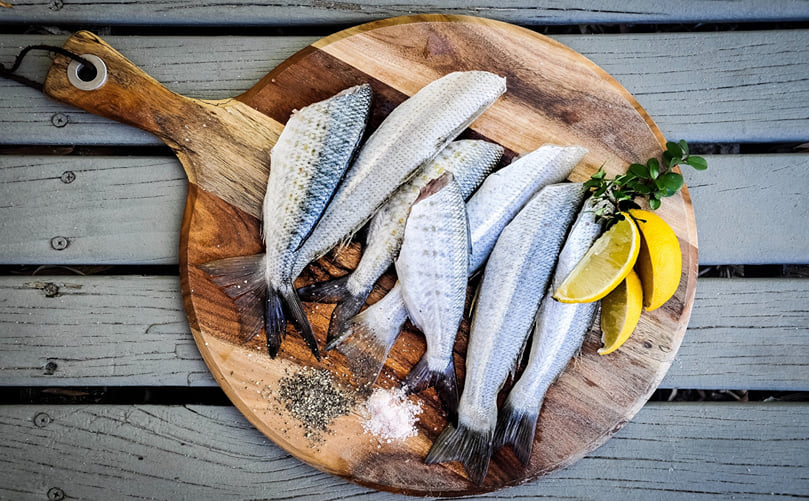
Fish Jerky Production Process: From Fresh Fish to Dried Snack
Market Trends and Consumer Demand for Fish Jerky
The fish jerky market has experienced consistent growth as part of the broader seafood and protein snack sectors, driven by evolving consumer preferences for nutritious, convenient options aligned with wellness focused lifestyles. Rising awareness of omega-3 benefits, lean protein needs and on the go consumption habits has fueled demand, with surveys indicating that up to 75% of consumers prefer retailers offering diverse seafood snack assortments. This trend is part of the broader “snackification” of seafood, where traditional dried or smoked fish is reimagined as portable, ready to eat jerky, catering to busy individuals seeking healthier alternatives to carbohydrate-heavy snacks. Innovations such as subscription-based meal kits and gourmet fish jerky offerings have further enhanced accessibility, particularly after the pandemic increased demand for convenient, shelf stable foods.
Growth in the protein snack market has been a major driver for fish jerky, supported by the popularity of high protein, low carb diets like keto and paleo. Health-conscious consumers increasingly prioritize clean label products free from artificial additives, preservatives and excessive sodium, creating strong demand for natural, organic and transparently sourced fish jerky. Urbanization and rising disposable incomes further boost the market, as consumers seek portable, nutrient dense snacks for active lifestyles. Fish jerky is positioned as a sustainable alternative to traditional meat-based options, appealing to both health and eco conscious buyers. Flavor innovation and premiumization also play a crucial role, with exotic profiles and artisanal techniques attracting adventurous eaters.
In terms of market size, the global fish jerky segment though niche has shown promising expansion. Recent estimates value it at approximately USD 1.4 billion, with steady growth projected due to health and protein trends. The overall jerky snacks market, including fish, ranges from USD 0.8 billion to USD 6.23 billion, expanding at compound annual growth rates (CAGRs) of 5.5–7.6% historically. In the U.S., the salmon jerky subcategory reached around USD 120 million, with CAGRs of 8–10%, highlighting regional strength in premium seafood snacks. These figures vary by source but collectively illustrate a growing segment within the larger, multi-billion dollar jerky and protein snack markets.
Geographically, North America leads in fish jerky consumption, particularly the U.S., where urban consumers prioritize high protein, health-oriented snacks. E-commerce penetration for healthy snacks exceeds 38%, expanding reach to a broader audience. Asia Pacific follows, with countries like China, Japan and Australia showing strong growth as traditional dried fish consumption adapts to modern jerky formats. Europe is emerging rapidly, driven by increasing demand for protein rich, sustainable products, while Canada emphasizes organic and artisanal smoked fish varieties. Target consumers include fitness enthusiasts, hikers, campers and sports participants seeking long lasting, portable energy as well as urban professionals and health-conscious demographics under 34 who value protein intake and clean ingredients.
Innovation in flavors and packaging continues to propel market growth. Brands are introducing diverse options such as teriyaki, spicy habanero, smoky barbecue, sweet cherry and exotic fusions like chili infused or seaweed enhanced jerky. Packaging advancements focus on eco-friendly materials, resealable pouches for portability and premium designs emphasizing sustainability and transparency. The rise of e-commerce and direct to consumer models has enabled personalization, subscription services and repeat purchases, further driving demand amid growing digital grocery habits. Overall, these market dynamics reflect a responsive sector focused on health, convenience and innovation, positioning fish jerky as a versatile player in the global snack landscape.
Popular Brands and Products in Fish Jerky
Global Leaders and Premium Brands: Fish jerky has carved out a unique niche in the snack market, with global brands emphasizing premium sourcing, innovative flavors and health-conscious appeal. Kaimana Jerky, inspired by Hawaiian seafood traditions, offers Ahi Tuna Jerky in varieties such as original, peppered, teriyaki and sriracha infused. They also provide salmon and wahoo options. These products are celebrated for their authentic seafood flavor, minimal processing and consistent quality, making them top sellers online and in retail stores like Amazon.
SeaBear Smokehouse, based in the Pacific Northwest, specializes in smoked wild salmon jerky, including traditional, peppered and teriyaki flavors. Using Alaskan wild caught fish, SeaBear products provide a rich, smoky profile are gluten free and high in omega-3s. Meanwhile, Jerky.com offers an all-natural sampler pack with tuna, trout and salmon jerkies, emphasizing wild caught sources and no added preservatives, nitrates or MSG. Neptune Fish Snacks takes a gourmet approach, introducing unique flavor combinations like juniper or sweet citrus, appealing to consumers seeking elevated, adventurous flavors.
Regional and Artisanal Producers: Artisan brands bring localized expertise and traditional preparation methods to the market. In Alaska, Tustumena Smokehouse and Tanner's Alaskan Seafood craft small batch salmon jerky using traditional smoking techniques. Their products often highlight wild sockeye or coho, retaining skin on texture for added flavor and nutrients. Fable Fish Co. specializes in wild sockeye salmon jerky with skin intact, marketed as "Alaska’s protein bar" for its purity and omega-3 content. Their products are deeply rooted in generational fishing heritage.
In Washington, DC, Ivy City Smokehouse produces kosher certified salmon jerky in unique flavors such as pineapple and spicy espresso. Pacific Northwest companies like Sgambaro’s Signature Seafoods and Wildfish Marketing focus on freshness and low waste practices offering artisanal tuna and salmon jerkies. Mountain America Jerky also incorporates fish options alongside wild game varieties like elk and bison, appealing to consumers seeking multi protein samplers.
Premium vs. Mass Market Products: Premium fish jerky products differentiate themselves through superior sourcing, craftsmanship and minimal ingredients. Brands like Fable Fish (wild Alaskan sockeye) and SeaBear (smoked wild salmon) are often priced at USD 10–15 per 60–85 g bag, featuring sustainable certifications and skin on textures for added nutrients.
Mass market brands, such as Pescavore (Caribbean jerk or island teriyaki ahi tuna) and Wel Pac, focus on broad availability in retail stores like Target, with pricing around USD 5–10 per bag. While these products prioritize convenience and affordability, they may include more preservatives for longer shelf life. Premium brands, in contrast, highlight ingredient transparency, eco-friendly sourcing and artisanal flavors.
Factors Behind Brand Success: Successful fish jerky brands share several key traits. Sustainable sourcing, such as wild caught Alaskan fisheries, ensures both environmental responsibility and quality. Flavor innovation from teriyaki and sriracha to citrus or gourmet infusions keeps consumers engaged. Strict quality control, including no preservatives and high protein content, reinforces trust and health appeal.
Marketing also plays a vital role. Brands like Kaimana Jerky leverage e-commerce and affiliate networks to reach a wide audience, while artisanal producers such as Fable Fish focus on storytelling around heritage and eco-conscious practices to build loyalty. By combining sustainability, flavor innovation and quality, these brands maintain a competitive edge in the growing fish jerky market.
Fish Jerky vs. Other Jerky Types: A Nutritional and Texture Comparison
Fish jerky differs from beef jerky primarily in its lighter, flakier texture and milder, umami rich flavor, often enhanced with seasonings such as teriyaki, pepper or smoke. Beef jerky, by contrast, is denser and chewier, with a bold, savory meat flavor and generally higher levels of saturated fat. On a nutritional level, beef jerky typically provides around 9–10 g of protein per ounce, while fish jerkies such as salmon jerky can offer up to 12–13 g of protein per ounce, along with omega-3 fatty acids that are not present in beef. Fish jerky is usually lower in calories (approximately 70–90 calories per ounce) and total fat. Shelf life for both types is comparable when properly sealed, often ranging from 6 to 12 months, although fish jerky may require more careful storage to prevent oxidation of natural oils.
When compared with shrimp jerky, fish jerky stands out for its larger, meatier strips and firmer, chewier bite. Shrimp jerky is often thinner and crispier, sometimes brittle, with a sweeter and brinier flavor profile. While shrimp jerky can deliver similar or slightly higher protein levels (around 14–15 g per ounce), it is frequently higher in sodium due to intensive curing. Fish jerky generally provides a more substantial texture and higher omega-3 content, giving it an advantage for heart and metabolic health. Shelf life between the two is similar, though shrimp jerky may spoil more quickly if moisture removal is incomplete.
Overall, fish jerky is an excellent choice for consumers seeking a lean protein source with marine based nutrients and a lighter flavor profile. It is particularly well suited for seafood-focused diets, fitness enthusiasts looking for low fat, high protein snacks and individuals avoiding red meat for health, ethical or environmental reasons.
Nutritional Profile & Health Benefits of Fish Jerky
Fish jerky is a high protein snack, typically providing 13–16 grams of protein per ounce, making it an excellent option for muscle repair, recovery and prolonged satiety without the bulk or perishability of fresh fish. Many varieties particularly those made from oily fish such as salmon are also rich in omega-3 fatty acids, including EPA and DHA which are known for their anti-inflammatory properties and overall health benefits.
Most fish jerky products are relatively low in fat (around 1 gram per ounce) and moderate in calories (approximately 70–90 calories per serving), making them attractive to individuals managing weight or calorie intake. Actual nutritional values can vary depending on the fish species used, seasoning blends and drying methods. Together, these nutritional characteristics support several key health benefits including improved heart health through reduced inflammation and better blood pressure regulation, enhanced brain function via omega-3–supported cognitive health and improved physical performance and recovery for active individuals by supplying sustained energy and high quality protein.
Fish jerky fits well into a variety of popular dietary patterns. It is keto friendly due to its low carbohydrate content, aligns with paleo diets because of its minimally processed, whole food origin and supports high protein eating plans as a convenient, shelf stable, nutrient-dense snack option.
Types of Fish Jerky: Styles, Flavors and Fish Varieties
Fish jerky encompasses a diverse array of styles, preparation methods and flavors, catering to various tastes and dietary preferences. At its core, it can be categorized by the form of dehydration and seasoning, but variations often stem from the fish species used, regional influences and innovative twists in the snack industry.
Dried Fish Strips: These are the most basic form, involving simple dehydration without additional smoking or heavy seasoning. They offer a pure, concentrated fish flavor with a leathery, chewy texture. Common in traditional preparations, such as unsalted air-dried cod (stockfish) from Nordic regions, these strips emphasize the natural umami of the fish and are ideal for those seeking minimal processing.
Smoked Fish Jerky: This variety incorporates smoking over woods like alder, hickory, cherry or apple, adding a deep, aromatic smokiness that enhances preservation and flavor. Smoked versions, such as candied smoked salmon, often feature a glossy, caramelized exterior from sugar-based glazes, resulting in a tender yet firm bite. Smoking can be cold (below 32°C for subtle flavor) or hot (up to 82°C for cooked texture), making it popular in Native American and Alaskan traditions where salmon is hung and smoked for days.
Sweet vs Savory Flavors: Sweet jerkies balance the inherent saltiness of dehydration with ingredients like honey, brown sugar, molasses or mirin, creating glazes that caramelize during drying. Examples include honey glazed salmon or teriyaki tuna which draw from Asian influences like Japanese mirin boshi (mirin marinated dried fish). Savory options lean into umami with soy sauce, Worcestershire, garlic, onion powder, cumin or herbs, offering a robust, meat like profile without sweetness.
Spicy, Teriyaki, Peppered, Honey Glazed and Other Variants: Spicy jerkies incorporate heat from sriracha, chili peppers or cayenne, appealing to bold palates think Hawaiian style sriracha ahi tuna. Teriyaki variants use soy-based marinades with ginger and sesame for an Asian inspired tang. Peppered type feature cracked black pepper for a sharp kick, often on salmon or trout. Honey glazed adds a sticky sweetness, while herbal savory includes dill, rosemary or international fusions like curry spiced cod. Classic traditional flavors stick to salt and smoke and innovative ones might include nutty profiles from rainbow trout or mild, flaky options from white fish.
Beyond these, types are distinguished by fish species, each imparting unique textures and tastes:
Salmon: The classic choice, with wild Alaskan varieties like king (Chinook) for rich, oily omega-3s; sockeye (red) for robust flavor and deep color; coho (silver) for milder taste; and pink for affordability. Its fatty nature yields a softer, more flavorful jerky but requires careful drying to avoid rancidity.
Tuna: Ahi (yellowfin) or bigeye tuna provides firm, meaty strips with a mild flavor, ideal for Hawaiian style jerkies like peppered or teriyaki. It's leaner, resulting in a denser texture.
Trout: Rainbow trout offers a subtle, nutty flavor with high B-vitamins, creating soft, smooth jerky similar to salmon but less oily.
Cod: Lean and flaky, perfect for lighter, crispier jerkies; often air dried without salt for a neutral base that absorbs seasonings well.
Other Species: Mahi mahi (dense and meaty), wahoo (firm and mild), tilapia (budget friendly and neutral), northern pike or pickerel (gamey and chewy from freshwater), grayling or perch (mild white fish for subtle tastes). Less common but viable options include bass, crappie or pike for homemade varieties.
Regional influences add further diversity: Asian styles emphasize fermented flavors like tea smoked or mirin sweetened; Nordic focuses on wind dried cod; Hawaiian on bold, tropical seasonings for ahi; and North American on smoked salmon with Native techniques. Variety packs from brands often mix these for sampling, reflecting market trends toward premium, high protein options.
Keeping Fish Jerky Fresh: Storage and Shelf Life Guide
Fish jerkys shelf life varies based on preparation, packaging and storage conditions, but proper handling can extend it significantly while maintaining safety and flavor. Due to natural oils in fish, it may spoil faster than meat jerky if not managed well, primarily through rancidity rather than bacterial growth.
Typical Shelf Life: Commercially packaged fish jerky lasts 6-12 months unopened at room temperature, thanks to professional dehydration and sealing. Homemade versions typically endure 1-2 months in similar conditions or up to 2-3 months refrigerated. Smoked or salted varieties could reach 2 years if vacuum sealed and stored optimally but always check for signs of spoilage like off odors, mold or sliminess. Dried fish without additives may last a few months to a year, depending on dryness.
Factors Affecting Shelf Life: Moisture content is key jerky should be dry enough to snap when bent; residual water promotes mold. Packaging integrity prevents air exposure and oxidation, which causes rancid fats in oily fish like salmon. Preservatives (natural like salt or artificial nitrites) extend life as do low temperatures (2-21°C ideal). Heat, light (especially UV), humidity and rough handling accelerate degradation. Fish oils turn rancid faster than beef fats, shortening life; vacuum sealing mitigates this by removing oxygen.
Storage Tips for Consumers: Store in a cool, dark, dry pantry away from heat sources. Use airtight containers or reseal original packaging tightly after opening refrigerate opened jerky to extend to weeks or months. For long term, vacuum seal with oxygen absorbers and freeze (up to 2-3 months for smoked). Avoid direct sunlight or fluctuating temperatures. For homemade, consume within weeks unless refrigerated. Best practices include dating packages, rotating stock and discarding if rancid smell or texture changes occur.
Refrigerated vs Non-Refrigerated Products: Non-refrigerated (pantry stable) jerky suits travel but lasts shorter once opened (1-2 weeks). Refrigerated extends freshness, preventing oil rancidity ideal for fatty varieties. Freezing preserves indefinitely but may alter texture upon thawing. Always follow USDA guidelines: no reuse of marinades and heat treat before drying for safety.
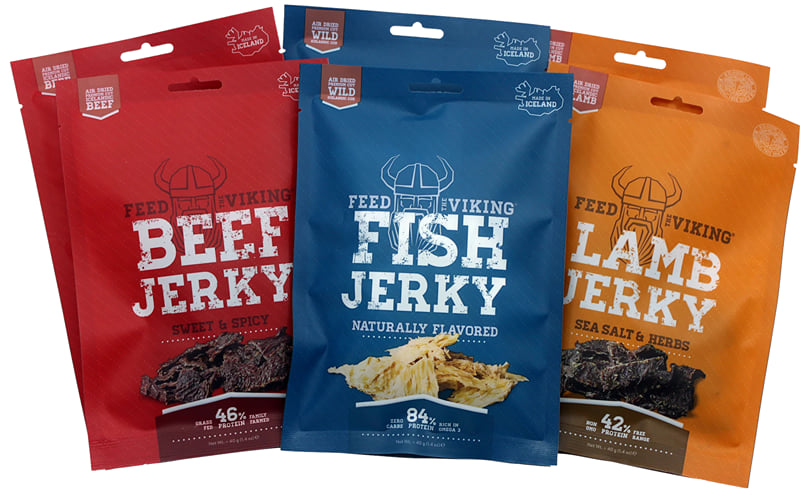
Vacuum Sealed Fish Jerky for Extended Shelf Life
Taste, Texture and Flavor Experience of Fish Jerky
Fish jerky provides a unique sensory experience that sets it apart from other protein snacks, combining the natural qualities of seafood with artisanal processing techniques. Its texture can range from chewy, requiring a satisfying pull that releases flavor gradually to tender, where shorter drying times or oilier fish such as salmon create a softer, more pliable bite. This variation is influenced by factors like fish species, dehydration method and fat content lean cod produces a crispier, almost flaky texture, while fatty salmon yields a denser, chewier yet tender result. Brined varieties are often preferred by consumers for their enhanced chewiness and overall mouthfeel, as sensory panels have consistently rated them higher in texture compared to plain salted alternatives, achieving a balance of firmness without toughness.
The umami flavor of fish jerky is central to its appeal. Natural glutamates in the fish intensify during dehydration, creating a deep, savory taste reminiscent of aged meats or fermented foods. This baseline umami varies by species: milder fish like tilapia offer subtle notes, while oily fish such as mackerel deliver a rich, bold flavor. Drying concentrates these natural flavors, often producing a mellow, slightly salty or sweet undertone depending on the fish. For example, trout provides a tender texture with a gentle sweetness, whereas salmon offers a more pronounced, full-bodied flavor.
Seasonings further enhance and customize the flavor profile. Savory jerkies may include soy sauce, garlic or Worcestershire for an umami boost, while sweet versions use honey, mirin, or brown sugar to create a caramelized glaze that balances the fish’s natural brininess. Spicy options introduce heat through cayenne, chili or sriracha and smoky infusions from woods like alder or hickory add aromatic depth. The resulting flavors span from subtly sweet and richly savory to bold, smoky or spicy with sensory attributes like tenderness, juiciness and chewiness shaping overall acceptability.
Consumer preferences for fish jerky also reflect regional and cultural influences. In Asia, subtle mirin sweet or tea smoked notes dominate, emphasizing delicate umami without overpowering the fish’s natural taste, as seen in traditional Japanese or Chinese dried fish snacks. North American consumers often prefer bolder, heavily seasoned varieties such as teriyaki tuna or peppered salmon, favoring smoky or spicy profiles reminiscent of meat jerky. Coastal and Nordic regions tend to favor minimally processed, briny options like wind-dried cod that highlight pure, oceanic flavors.
Globally, health-conscious consumers appreciate nutrient dense jerkies that showcase omega-3 richness, while adventurous eaters seek exotic fusions such as curry spiced or herb infused variants. Sensory evaluations indicate that appearance, aroma and texture play crucial roles in consumer acceptance, with brined products frequently scoring highest for overall taste and mouthfeel due to their enhanced flavor release and satisfying chew.
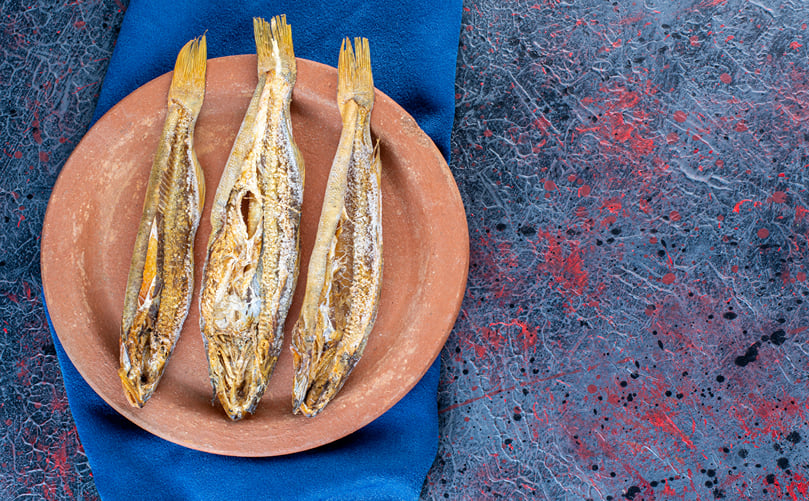
Fish Jerky Flavor and Texture Profile
Sustainability and Environmental Impact of Fish Jerky
Fish jerky production can be aligned with sustainable practices that reduce environmental harm, particularly when emphasizing responsible sourcing and minimizing waste. Sustainable fishing methods, including adherence to catch limits and strategies to reduce by catch, help protect marine ecosystems. Certifications such as the Marine Stewardship Council (MSC) for wild caught fish or the Aquaculture Stewardship Council (ASC) for farmed species verify low impact harvesting, ensuring fish stocks remain viable and habitats are preserved.
By using by catch species unintentionally captured alongside target fish as well as underutilized cuts or invasive species like lionfish, fish jerky production transforms potential waste into valuable products. This approach reduces the high discard rates in the seafood industry, where nearly half of all catches are wasted annually. Dehydration further extends shelf life, lowering spoilage and providing protein with a smaller environmental footprint compared to livestock, which produces significant methane emissions.
As a sustainable protein alternative, fish jerky requires less land and water than terrestrial meats, potentially reducing carbon emissions when sourced from species like yellowfin tuna caught with minimal ecosystem disruption. Eco-conscious brands enhance these benefits through sustainable packaging and partnerships with fishermen practicing low impact harvesting, contributing not only to ocean health but also to social outcomes such as supporting local fishing communities. Innovations such as plant based “vegan fish jerky” further promote sustainability by offering animal free alternatives without depleting marine populations. Additionally, antimicrobial coatings on smoked fish jerky can extend shelf life reducing microbial spoilage and further minimizing waste.
However, challenges remain. Certain species can accumulate mercury, which concentrates during drying. For example, marlin jerky may exceed safe limits by up to 28 times, while tuna and salmon can reach approximately 0.5 parts per million. This highlights the importance of careful testing and sourcing from low mercury stocks. Overall, when responsibly produced, fish jerky supports environmental sustainability by promoting efficient resource use and offering a lower impact alternative to high emission proteins. Consumers should prioritize certified products to ensure both safety and minimal ecological impact.
How to Choose High Quality Fish Jerky
Selecting high quality fish jerky requires careful evaluation of several factors to ensure freshness, safety and nutritional value. Start by examining the ingredient list. The best products feature minimal, recognizable components such as fish (for example, wild caught salmon or tuna), salt, natural spices and optional flavor enhancers like soy sauce or honey. Avoid products with excessive sugars especially if listed among the top three ingredients as well as artificial preservatives, nitrates, MSG or fillers that dilute quality. Look for labels indicating “wild-caught” or certifications like MSC or ASC to ensure sustainable sourcing and choose brands that emphasize the absence of hormones or antibiotics.
Protein to sodium balance is an important consideration. Quality fish jerky should provide at least 10–15 grams of protein per ounce, with sodium levels under 400–500 mg, supporting health benefits without over salting. When comparing products, evaluate the nutritional content per ounce rather than per pack for accuracy. Texture is another key indicator of quality: it should be firm yet bendable, with a pleasant chew that offers some resistance without brittleness, sogginess or sliminess. Smell should be mildly smoky or seasoned, not overly fishy, sour or ammonia like which can indicate spoilage or substandard fish.
To avoid low quality or overly processed products, steer clear of items with high sugar content, artificial coloring or vague sourcing such as generic “farm raised” without details. Mass produced products may prioritize cost over quality, resulting in wet textures or off flavors. Premium choices often include wild coho salmon for its rich flavor and low mercury, lean fish like cod or halibut for longevity and rainbow trout for a smooth, nutty profile rich in B-vitamins. Verifying origin, such as “Wild Alaskan,” can also ensure premium taste. Sampling small packs is recommended to identify preferred flavors, as varieties like teriyaki can mask any residual fishiness while enhancing overall enjoyment.
Homemade Fish Jerky: A Step-by-Step Guide
Making fish jerky at home offers the advantage of full customization, letting you tailor flavors, ingredients and textures. However, it requires careful attention to safety and quality to prevent foodborne illness. Start by selecting fresh, high quality fish and freeze it at -18°C (-18°C) for at least 30 days to eliminate parasites. Fillet the fish to remove skin, bones and dark bloodlines, then slice into uniform 0.5 cm strips against the grain for tenderness.
Marination is key for flavor and preservation. Soak the strips for 6–48 hours in a mixture of soy sauce, Worcestershire, honey, fish sauce, garlic, ginger and spices. Boiling the marinade before use enhances safety by killing any potential bacteria. Preheat the marinated strips to an internal temperature of 71°C using an oven or by simmering in the marinade. This crucial step destroys harmful pathogens like E. coli and Salmonella, which dehydrators alone may not eliminate.
Next comes dehydration. Dry the strips at 63–68°C for 6–12 hours, until the jerky reaches a leathery texture with moisture content below 20%. Once dried, allow the jerky to cool completely before storing it in airtight containers to maintain freshness. Maintaining strict hygiene throughout the process and checking doneness with a thermometer ensures safe, high quality jerky.
Homemade jerky offers several advantages. It allows you to create custom flavors, such as spicy jerk seasoning, teriyaki or sweet glazed varieties. You can control ingredients for a healthier snack, avoid unnecessary additives and enjoy a portable, nutrient rich protein source. It can also be more cost effective than commercial alternatives when sourcing fish directly.
However, there are limitations. The process is time intensive, often taking 8–24+ hours. Shelf life is shorter than commercial jerky, typically 1–2 months and oily fish are prone to rancidity. Improper preparation can lead to foodborne illness, so careful attention to temperature and sanitation is essential.
Choosing the right fish is important for success. Lean species like bass, pike, crappie, cod or halibut dry more easily and store longer, while salmon (red or silver varieties) provides rich flavor despite higher oil content. Rainbow trout offers a smooth texture and high B-vitamin content. Avoid high fat fish like catfish which are more likely to spoil or turn rancid.
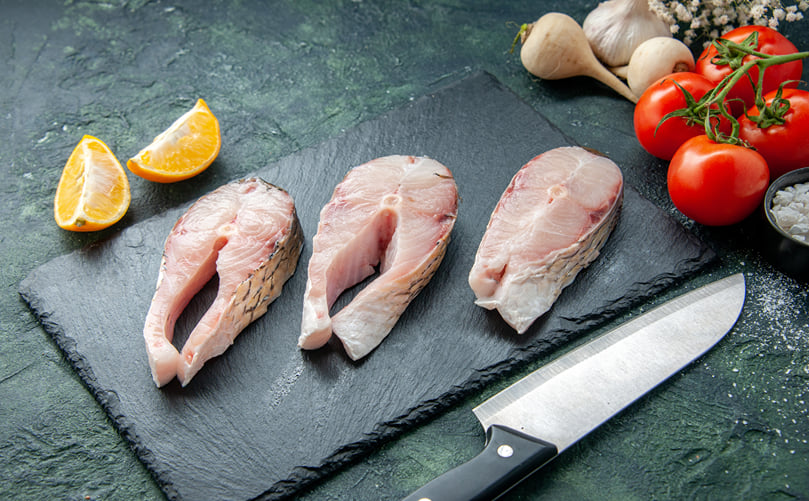
Homemade Fish Jerky Preparation and Drying Process
Challenges and Limitations of Fish Jerky
While fish jerky is a nutritious and convenient protein snack, it faces several challenges that can affect consumer appeal and usability. One common concern is the fishy odor, caused by natural compounds such as trimethylamine. This odor can intensify if the fish is not fresh or properly processed and rancid or ammonia like smells often indicate spoilage. Such odors can become more pronounced after cooking or drying, potentially deterring consumers, though careful sourcing, proper processing and the use of seasonings can mitigate this issue.
Shelf life is another limitation. Although dehydration reduces moisture to inhibit bacterial growth, oily fish are more prone to rancidity. Commercially produced fish jerky typically lasts 6–12 months when airtight, whereas homemade varieties endure 1–2 months, with shelf life influenced by temperature, humidity and packaging quality. Refrigeration or freezing can extend usability, though these methods may alter texture.
Allergen concerns are also critical. Fish is a top allergen and cross contamination during production can pose risks. Additionally, biogenic amines such as histamine, which can accumulate in improperly stored or spoiled fish, may cause allergic reactions or toxicity, emphasizing the need for careful handling and monitoring.
Pricing represents another challenge. Fish jerky often costs more than traditional meat jerky typically USD 10–15 per bag compared to USD 5–8 due to factors like seafood sourcing, processing and premium wild caught ingredients. This higher cost positions fish jerky as a luxury snack, potentially limiting accessibility for price sensitive consumers.
Other challenges include microbial spoilage in less processed or fresh products which requires preservation innovations and ecological concerns if sourcing and production are not managed sustainably. Despite these limitations, careful attention to freshness, packaging, allergen management and sustainable practices can mitigate many of these hurdles, allowing fish jerky to remain a safe, flavorful and environmentally conscious snack option.